
Contents
- 🚁 Introduction to Drones
- 📈 History of Drone Development
- 🤖 Types of Drones: A Comprehensive Overview
- 📊 Drone Technology: How It Works
- 🚨 Drone Regulations: Safety and Security Concerns
- 📸 Drones in Photography and Videography
- 🚁 Drone Racing: The Thrill of Competition
- 🌐 Drones in Mapping and Surveying
- 🤝 Drones in Search and Rescue Operations
- 📊 The Future of Drones: Trends and Predictions
- 🚀 Drones in Space Exploration
- 📝 Conclusion: The Endless Possibilities of Drones
- Frequently Asked Questions
- Related Topics
Overview
Drones, or unmanned aerial vehicles (UAVs), have evolved from military origins to become a cultural phenomenon, with a projected global market size of $43.1 billion by 2024, according to a report by MarketsandMarkets. With the likes of DJI, Amazon, and Google pushing the boundaries of drone technology, applications now span aerial photography, package delivery, agriculture, and surveillance. However, concerns over privacy, safety, and regulation have sparked intense debate, with the Federal Aviation Administration (FAA) implementing strict guidelines for commercial drone use. As drone capabilities advance, so do the possibilities for innovation and disruption, with potential applications in search and rescue, environmental monitoring, and urban planning. The use of drones has also raised questions about job displacement, with a study by the McKinsey Global Institute suggesting that up to 80% of current jobs could be automated. Meanwhile, the drone racing league, founded in 2016 by Nick Horbaczewski, has gained significant traction, with a vibe score of 80, indicating a high level of cultural energy and excitement around the topic. With influence flows tracing back to the early 20th-century experiments of Nikola Tesla and the modern-day innovations of companies like Parrot and Yuneec, the future of drones is poised to be shaped by a complex interplay of technological, social, and regulatory factors.
🚁 Introduction to Drones
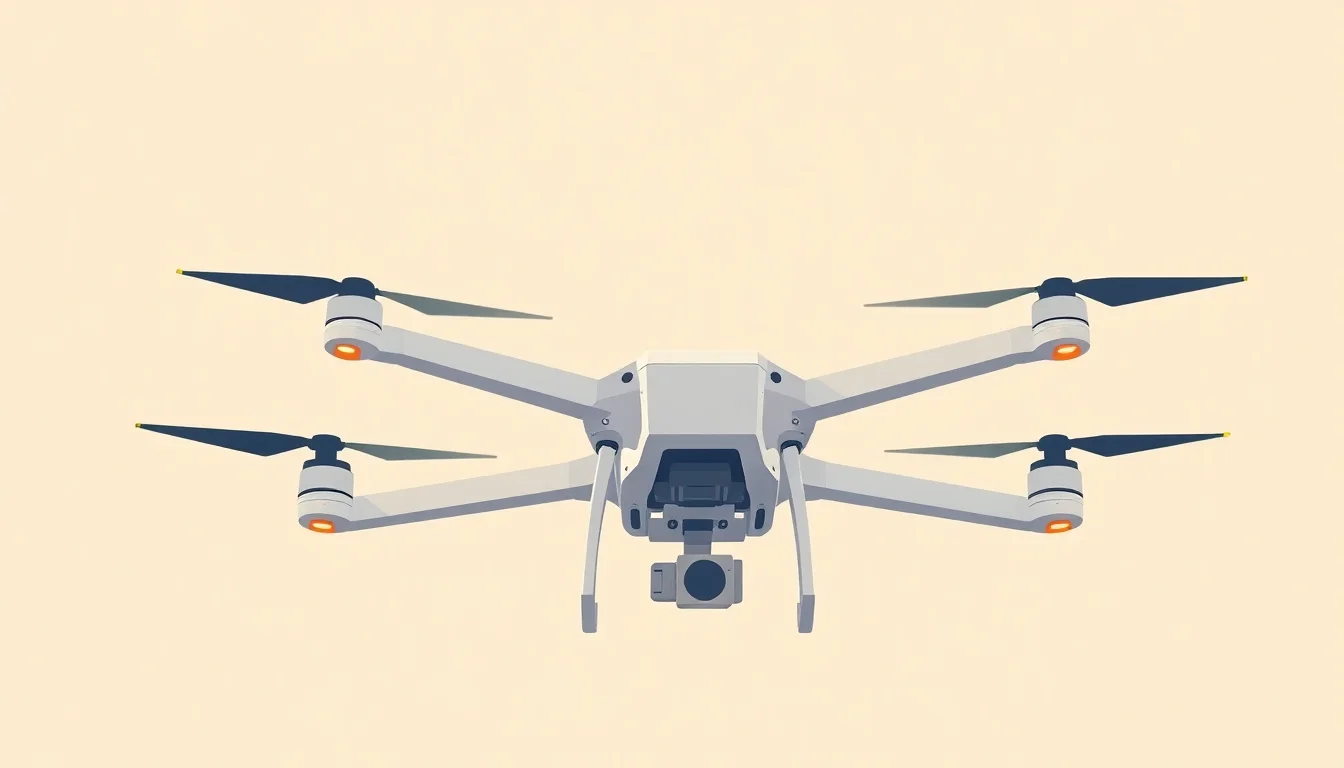
The term Drone refers to an unmanned aerial vehicle (UAV) that is remotely controlled or flies autonomously using a combination of sensors, GPS, and software. Drones have become increasingly popular in recent years, with applications in various fields such as Photography, Videography, Mapping, and Search and Rescue. The use of drones has also raised concerns about Privacy and Security, leading to the development of regulations and guidelines for their operation. As technology continues to advance, the possibilities for drones seem endless, with potential applications in Space Exploration and beyond. The Drone Industry is expected to grow significantly in the coming years, with estimates suggesting that it could reach $43 billion by 2024. For more information on drones, visit the Drone Wiki page.
📈 History of Drone Development
The history of Drone Development dates back to the early 20th century, when the first unmanned aerial vehicles (UAVs) were developed for military use. Over the years, drones have evolved significantly, with advances in technology leading to the development of smaller, more efficient, and more capable UAVs. Today, drones are used in a variety of applications, including Recreational Drone Use, Commercial Drone Use, and Military Drone Use. The development of drones has also been influenced by the work of pioneers such as Abraham Karem, who is often credited with inventing the first modern drone. For more information on the history of drones, visit the History of Drones page.
🤖 Types of Drones: A Comprehensive Overview
There are several types of drones, each with its own unique characteristics and applications. Recreational Drones are designed for hobbyist use and are often small and inexpensive. Commercial Drones are used for business purposes, such as Aerial Photography and Surveying. Military Drones are used for military operations, such as Surveillance and Reconnaissance. Other types of drones include Racing Drones, which are designed for high-speed competition, and Autonomous Drones, which can fly independently without human intervention. For more information on the different types of drones, visit the Types of Drones page.
📊 Drone Technology: How It Works
Drone technology is based on a combination of sensors, GPS, and software that work together to control the flight of the UAV. The Drone Controller is the primary interface between the drone and the operator, and is used to control the drone's movements and actions. The Drone Sensor suite includes a variety of sensors, such as GPS, accelerometers, and gyroscopes, which provide data on the drone's position, orientation, and movement. The Drone Software is responsible for processing this data and controlling the drone's flight. For more information on drone technology, visit the Drone Technology page.
🚨 Drone Regulations: Safety and Security Concerns
The use of drones has raised concerns about Safety and Security, particularly in regards to Privacy and National Security. As a result, governments and regulatory agencies have developed guidelines and regulations for the operation of drones. In the United States, the Federal Aviation Administration (FAA) is responsible for regulating the use of drones. The FAA has established rules for Recreational Drone Use and Commercial Drone Use, including requirements for Drone Registration and Pilot Certification. For more information on drone regulations, visit the Drone Regulations page.
📸 Drones in Photography and Videography
Drones have become increasingly popular in the field of Photography and Videography, offering a unique perspective and capabilities that were previously unavailable. Aerial Photography and Aerial Videography have become popular applications for drones, with many photographers and videographers using UAVs to capture stunning footage and images. The use of drones in photography and videography has also led to the development of new techniques and styles, such as Drone Landscape Photography and Drone Portrait Photography. For more information on drones in photography and videography, visit the Drones in Photography page.
🚁 Drone Racing: The Thrill of Competition
Drone racing has become a popular sport, with competitors flying custom-built drones at high speeds through obstacle courses. Drone Racing League is one of the most popular drone racing organizations, with events held around the world. The sport requires a combination of skill, strategy, and technology, with pilots using First Person View (FPV)) systems to navigate the course. For more information on drone racing, visit the Drone Racing page.
🌐 Drones in Mapping and Surveying
Drones are also used in Mapping and Surveying, offering a cost-effective and efficient way to collect data and create maps. Drone Mapping involves the use of UAVs to collect data on the environment, which is then used to create detailed maps and models. The use of drones in mapping and surveying has a wide range of applications, including Urban Planning, Environmental Monitoring, and Disaster Response. For more information on drones in mapping and surveying, visit the Drones in Mapping page.
🤝 Drones in Search and Rescue Operations
Drones are being used in Search and Rescue operations, offering a unique capability to quickly and efficiently search for missing people. Drone Search and Rescue involves the use of UAVs to locate missing people, often in areas that are difficult or dangerous to access. The use of drones in search and rescue has been shown to be highly effective, with many successful rescues attributed to the use of UAVs. For more information on drones in search and rescue, visit the Drones in Search and Rescue page.
📊 The Future of Drones: Trends and Predictions
The future of drones is exciting and rapidly evolving, with new technologies and applications being developed all the time. Artificial Intelligence and Machine Learning are being used to develop more autonomous and capable drones, while advances in materials and design are leading to the development of more efficient and durable UAVs. The use of drones is also expected to expand into new areas, such as Space Exploration and Environmental Monitoring. For more information on the future of drones, visit the Future of Drones page.
🚀 Drones in Space Exploration
Drones are being used in Space Exploration, offering a unique capability to explore and study the environment in space. Space Drones are being developed to operate in the harsh conditions of space, where they can be used to collect data and conduct experiments. The use of drones in space exploration has the potential to greatly expand our understanding of the universe, and could lead to new discoveries and breakthroughs. For more information on drones in space exploration, visit the Drones in Space Exploration page.
📝 Conclusion: The Endless Possibilities of Drones
In conclusion, the possibilities for drones are endless, with applications in a wide range of fields and industries. As technology continues to advance, we can expect to see even more innovative and exciting uses for drones. Whether it's in Recreational Drone Use, Commercial Drone Use, or Military Drone Use, drones are sure to play an increasingly important role in our lives. For more information on drones, visit the Drone Wiki page.
Key Facts
- Year
- 2015
- Origin
- Military
- Category
- Technology
- Type
- Technology
Frequently Asked Questions
What is a drone?
A drone is an unmanned aerial vehicle (UAV) that is remotely controlled or flies autonomously using a combination of sensors, GPS, and software. Drones have become increasingly popular in recent years, with applications in various fields such as photography, videography, mapping, and search and rescue. For more information on drones, visit the Drone Wiki page.
What are the different types of drones?
There are several types of drones, each with its own unique characteristics and applications. Recreational drones are designed for hobbyist use and are often small and inexpensive. Commercial drones are used for business purposes, such as aerial photography and surveying. Military drones are used for military operations, such as surveillance and reconnaissance. Other types of drones include racing drones, which are designed for high-speed competition, and autonomous drones, which can fly independently without human intervention. For more information on the different types of drones, visit the Types of Drones page.
What are the benefits of using drones?
The benefits of using drones are numerous and varied. Drones offer a unique perspective and capabilities that were previously unavailable, making them ideal for applications such as aerial photography and videography. Drones are also cost-effective and efficient, making them a popular choice for mapping and surveying. Additionally, drones are being used in search and rescue operations, offering a quick and efficient way to locate missing people. For more information on the benefits of using drones, visit the Benefits of Drones page.
What are the regulations surrounding drone use?
The regulations surrounding drone use vary depending on the country and region. In the United States, the Federal Aviation Administration (FAA) is responsible for regulating the use of drones. The FAA has established rules for recreational drone use and commercial drone use, including requirements for drone registration and pilot certification. For more information on drone regulations, visit the Drone Regulations page.
What is the future of drones?
The future of drones is exciting and rapidly evolving, with new technologies and applications being developed all the time. Artificial intelligence and machine learning are being used to develop more autonomous and capable drones, while advances in materials and design are leading to the development of more efficient and durable UAVs. The use of drones is also expected to expand into new areas, such as space exploration and environmental monitoring. For more information on the future of drones, visit the Future of Drones page.
How are drones being used in space exploration?
Drones are being used in space exploration, offering a unique capability to explore and study the environment in space. Space drones are being developed to operate in the harsh conditions of space, where they can be used to collect data and conduct experiments. The use of drones in space exploration has the potential to greatly expand our understanding of the universe, and could lead to new discoveries and breakthroughs. For more information on drones in space exploration, visit the Drones in Space Exploration page.
What are the potential risks and challenges associated with drone use?
The potential risks and challenges associated with drone use include safety and security concerns, such as the risk of accidents or crashes, and the potential for drones to be used for malicious purposes. Additionally, there are concerns about privacy and the potential for drones to be used for surveillance. For more information on the potential risks and challenges associated with drone use, visit the Risks and Challenges of Drones page.