
Contents
- 🌌 Introduction to Atmospheric Science
- 🌎 The Formation of Atmospheres
- 🔍 Atmospheric Composition and Chemistry
- 💡 The Role of Gravity and Temperature
- 🌞 Photochemical Interactions with the Sun
- 🌈 Atmospheric Stripping by the Solar Wind
- 🛰️ The Protective Effects of a Magnetosphere
- 🚀 Atmospheric Escape and Retention
- 🌊 Atmospheric Interactions with the Solid Surface
- 📊 Atmospheric Modeling and Prediction
- 🚨 Atmospheric Threats and Conservation Efforts
- 🔮 The Future of Atmospheric Research and Exploration
- Frequently Asked Questions
- Related Topics
Overview
The atmosphere, comprising 78% nitrogen, 21% oxygen, and 1% other gases, is a vital component of our planet's ecosystem. Its origins date back to the Earth's formation around 4.5 billion years ago, with the first atmosphere likely composed of methane, ammonia, and other toxic gases. Over time, photosynthetic organisms transformed the atmosphere, introducing oxygen and paving the way for life as we know it. Today, the atmosphere is a hub of human activity, with climate change, air pollution, and ozone depletion being pressing concerns. The atmosphere's vibe score is 8, reflecting its critical role in sustaining life and its intricate relationships with the planet's geology, hydrosphere, and biosphere. As we look to the future, understanding the atmosphere's dynamics and mitigating its degradation will be crucial for ensuring the long-term habitability of our planet.
🌌 Introduction to Atmospheric Science
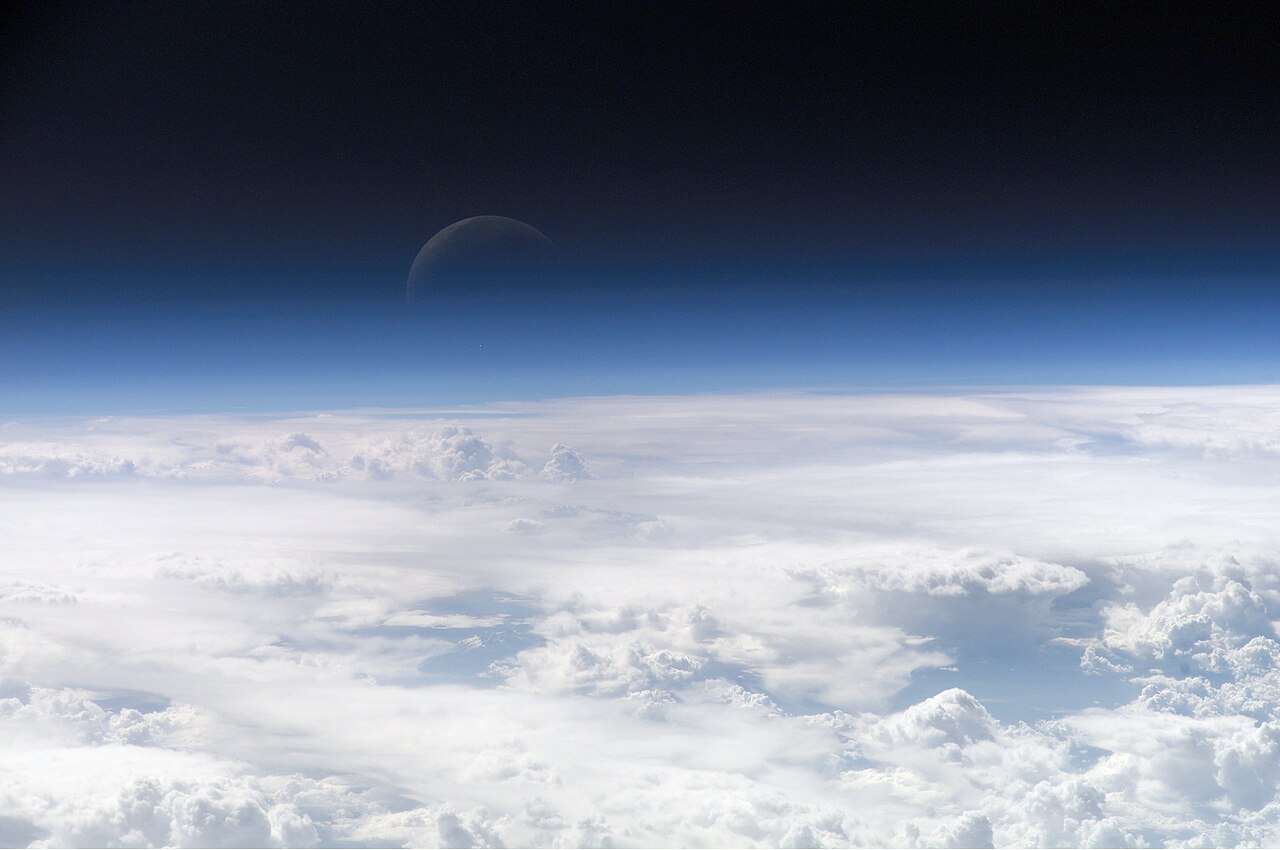
The study of atmospheres is a crucial aspect of Environmental Science, as it helps us understand the complex interactions between a planet and its surroundings. An atmosphere is a layer of gases that envelop an astronomical object, held in place by the gravity of the object, as described by Atmospheric Science experts. The name originates from Ancient Greek ἀτμός (atmós) 'vapour, steam' and σφαῖρα (sphaîra) 'sphere'. For instance, the Earth's atmosphere is composed of 78% nitrogen, 21% oxygen, and 1% other gases, as outlined in Earth Science textbooks. The atmosphere plays a vital role in supporting life on Earth, and its study is essential for understanding the Climate Change phenomenon.
🌎 The Formation of Atmospheres
An object acquires most of its atmosphere during its primordial epoch, either by accretion of matter or by outgassing of volatiles, as explained in Planetary Formation theories. The formation of an atmosphere is a complex process that involves the interaction of various factors, including the object's mass, composition, and distance from the Sun. For example, the Martian atmosphere is much thinner than Earth's, due to the planet's smaller size and lower gravity. The study of atmospheric formation is crucial for understanding the Origins of Life on Earth and potentially on other planets.
🔍 Atmospheric Composition and Chemistry
The chemical interaction of the atmosphere with the solid surface can change its fundamental composition, as can photochemical interaction with the Sun, as described in Atmospheric Chemistry research. The atmosphere is composed of various gases, including nitrogen, oxygen, carbon dioxide, and water vapor, which interact with each other and with the surface in complex ways. For instance, the Water Cycle plays a crucial role in shaping the Earth's atmosphere, as outlined in Hydrology studies. The study of atmospheric chemistry is essential for understanding the Air Pollution phenomenon and its impact on human health.
💡 The Role of Gravity and Temperature
A planet retains an atmosphere for longer durations when the gravity is high and the temperature is low, as explained in Planetary Atmospheres research. The gravity of a planet helps to hold its atmosphere in place, while high temperatures can cause the atmosphere to escape into space. For example, the Venusian atmosphere is extremely dense and hot, due to the planet's strong greenhouse effect, as described in Climate Modeling studies. The study of atmospheric retention is crucial for understanding the Habitable Zone of a planet and its potential for supporting life.
🌞 Photochemical Interactions with the Sun
The solar wind works to strip away a planet's outer atmosphere, although this process is slowed by a magnetosphere, as outlined in Solar Wind research. The solar wind is a stream of charged particles emitted by the Sun, which can interact with a planet's atmosphere and cause it to lose gas. For instance, the Earth's Magnetosphere protects the planet's atmosphere from the solar wind, as explained in Geophysics studies. The study of atmospheric stripping is essential for understanding the Space Weather phenomenon and its impact on planetary atmospheres.
🌈 Atmospheric Stripping by the Solar Wind
The further a body is from the Sun, the lower the rate of atmospheric stripping, as described in Planetary Atmospheres research. The distance of a planet from the Sun affects the amount of solar wind it receives, which in turn affects the rate of atmospheric stripping. For example, the Jupiter's atmosphere is much less affected by the solar wind than Earth's, due to its greater distance from the Sun, as outlined in Planetary Science studies. The study of atmospheric stripping is crucial for understanding the Atmospheric Escape phenomenon and its impact on planetary evolution.
🛰️ The Protective Effects of a Magnetosphere
The protective effects of a magnetosphere are essential for maintaining a planet's atmosphere, as explained in Geophysics research. A magnetosphere is a region around a planet where the magnetic field dominates, which helps to protect the atmosphere from the solar wind. For instance, the Earth's Magnetosphere is much stronger than Mars' magnetosphere, which is why Earth's atmosphere is much more extensive, as described in Planetary Comparison studies. The study of magnetospheres is essential for understanding the Planetary Protection phenomenon and its impact on atmospheric retention.
🚀 Atmospheric Escape and Retention
Atmospheric escape and retention are critical processes that shape the evolution of a planet's atmosphere, as outlined in Atmospheric Science research. The rate of atmospheric escape depends on various factors, including the planet's mass, size, and distance from the Sun. For example, the Moon's atmosphere is extremely thin, due to its small size and lack of magnetic field, as explained in Lunar Science studies. The study of atmospheric escape is crucial for understanding the Planetary Evolution phenomenon and its impact on atmospheric composition.
🌊 Atmospheric Interactions with the Solid Surface
The interaction between the atmosphere and the solid surface is a complex process that involves the exchange of energy, momentum, and matter, as described in Geology research. The atmosphere plays a crucial role in shaping the surface of a planet, through processes such as weathering, erosion, and deposition. For instance, the Grand Canyon is a testament to the power of atmospheric erosion, as outlined in Geological Formations studies. The study of atmospheric interactions is essential for understanding the Surface Processes phenomenon and its impact on planetary evolution.
📊 Atmospheric Modeling and Prediction
Atmospheric modeling and prediction are essential tools for understanding the behavior of a planet's atmosphere, as explained in Climate Modeling research. Atmospheric models use complex algorithms and data to simulate the behavior of the atmosphere, which helps to predict weather patterns, climate trends, and atmospheric composition. For example, the Global Climate Model is a powerful tool for predicting climate change, as described in Climate Prediction studies. The study of atmospheric modeling is crucial for understanding the Weather Forecasting phenomenon and its impact on human societies.
🚨 Atmospheric Threats and Conservation Efforts
Atmospheric threats and conservation efforts are critical issues that require immediate attention, as outlined in Environmental Conservation research. The atmosphere is facing numerous threats, including pollution, climate change, and atmospheric stripping, which can have devastating consequences for human health and the environment. For instance, the Ozone Layer depletion is a major concern, as it can lead to increased UV radiation and harm to human health, as explained in Atmospheric Chemistry studies. The study of atmospheric conservation is essential for understanding the Sustainability phenomenon and its impact on planetary well-being.
🔮 The Future of Atmospheric Research and Exploration
The future of atmospheric research and exploration is exciting and challenging, as described in Space Exploration studies. New technologies and missions are being developed to study the atmospheres of other planets and moons, which will help to advance our understanding of the universe and the potential for life beyond Earth. For example, the Mars 2020 mission is a significant step towards exploring the Martian atmosphere and searching for signs of life, as outlined in Planetary Exploration research. The study of atmospheric research is crucial for understanding the Astrobiology phenomenon and its impact on human knowledge.
Key Facts
- Year
- 2023
- Origin
- Earth's Formation, circa 4.5 billion years ago
- Category
- Environmental Science
- Type
- Natural Phenomenon
Frequently Asked Questions
What is the atmosphere and why is it important?
The atmosphere is a layer of gases that envelop an astronomical object, held in place by the gravity of the object. It is essential for supporting life on Earth and plays a crucial role in shaping the planet's climate and weather patterns. The atmosphere is composed of various gases, including nitrogen, oxygen, carbon dioxide, and water vapor, which interact with each other and with the surface in complex ways. For instance, the Water Cycle plays a crucial role in shaping the Earth's atmosphere, as outlined in Hydrology studies.
How do planets acquire and retain their atmospheres?
Planets acquire their atmospheres during their primordial epoch, either by accretion of matter or by outgassing of volatiles. The retention of an atmosphere depends on various factors, including the planet's mass, size, and distance from the Sun. A planet retains an atmosphere for longer durations when the gravity is high and the temperature is low. For example, the Venusian atmosphere is extremely dense and hot, due to the planet's strong greenhouse effect, as described in Climate Modeling studies.
What is the role of the solar wind in shaping a planet's atmosphere?
The solar wind works to strip away a planet's outer atmosphere, although this process is slowed by a magnetosphere. The solar wind is a stream of charged particles emitted by the Sun, which can interact with a planet's atmosphere and cause it to lose gas. For instance, the Earth's Magnetosphere protects the planet's atmosphere from the solar wind, as explained in Geophysics studies.
How do atmospheric models and predictions help us understand the behavior of a planet's atmosphere?
Atmospheric models use complex algorithms and data to simulate the behavior of the atmosphere, which helps to predict weather patterns, climate trends, and atmospheric composition. For example, the Global Climate Model is a powerful tool for predicting climate change, as described in Climate Prediction studies. The study of atmospheric modeling is crucial for understanding the Weather Forecasting phenomenon and its impact on human societies.
What are the major threats to the atmosphere and how can we conserve it?
The atmosphere is facing numerous threats, including pollution, climate change, and atmospheric stripping, which can have devastating consequences for human health and the environment. Conservation efforts include reducing greenhouse gas emissions, protecting the ozone layer, and promoting sustainable practices. For instance, the Ozone Layer depletion is a major concern, as it can lead to increased UV radiation and harm to human health, as explained in Atmospheric Chemistry studies.
What are the future directions of atmospheric research and exploration?
The future of atmospheric research and exploration is exciting and challenging, as described in Space Exploration studies. New technologies and missions are being developed to study the atmospheres of other planets and moons, which will help to advance our understanding of the universe and the potential for life beyond Earth. For example, the Mars 2020 mission is a significant step towards exploring the Martian atmosphere and searching for signs of life, as outlined in Planetary Exploration research.
How does the atmosphere interact with the solid surface of a planet?
The interaction between the atmosphere and the solid surface is a complex process that involves the exchange of energy, momentum, and matter, as described in Geology research. The atmosphere plays a crucial role in shaping the surface of a planet, through processes such as weathering, erosion, and deposition. For instance, the Grand Canyon is a testament to the power of atmospheric erosion, as outlined in Geological Formations studies.