
Contents
- 🏰 Introduction to Medieval Europe
- 📚 The Rise of Feudalism
- 🏹 The Crusades and Their Impact
- 👑 The Power of Monarchs and Nobility
- 📖 The Emergence of Medieval Culture
- 🏞️ The Role of the Catholic Church
- 📚 The Black Death and Its Consequences
- 📈 The Growth of Trade and Commerce
- 🏛️ The Development of Medieval Cities
- 📚 The Renaissance and the End of Medieval Europe
- Frequently Asked Questions
- Related Topics
Overview
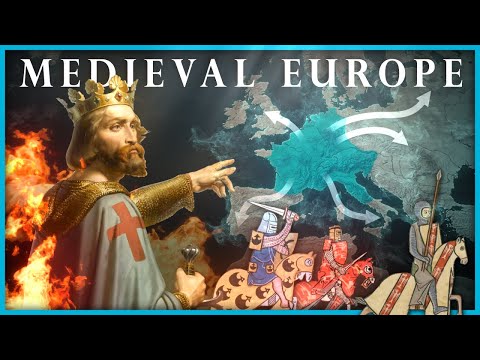
Medieval Europe, spanning from the 5th to the 15th century, was a period of significant transformation, marked by the decline of the Roman Empire, the rise of Christianity, and the emergence of feudalism. This era saw the establishment of powerful kingdoms, such as the Carolingian Empire and the Kingdom of England, and the growth of trade and commerce, particularly in cities like Venice and Bruges. The period was also characterized by conflicts, including the Crusades and the Hundred Years' War, which shaped the continent's political and cultural landscape. The influence of the Catholic Church was pervasive, with the Pope wielding considerable power and the monasteries serving as centers of learning and culture. Notable figures like Charlemagne, William the Conqueror, and Thomas Aquinas left lasting legacies, while the Black Death, which occurred in the 14th century, had a profound impact on the demographic and economic structures of Europe. As the medieval period drew to a close, the seeds of the Renaissance and the Reformation were sown, setting the stage for the next chapter in European history.
🏰 Introduction to Medieval Europe
Medieval Europe, spanning from the 5th to the 15th century, was a complex and dynamic period in European history. It was marked by the rise of feudalism as a social and economic system, where lords granted land to vassals in exchange for military service and loyalty. This system was influenced by the Frankish Empire and its legacy. The period also saw the emergence of Charlemagne as a powerful leader who unified much of Western Europe. The Catholic Church played a significant role in shaping medieval society, with its influence extending to art, literature, and education. As the medieval period progressed, the Byzantine Empire continued to be a major power, especially in the east.
📚 The Rise of Feudalism
The rise of feudalism was a key factor in the development of medieval Europe. It created a hierarchical society, with kings and queens at the top, followed by nobles, knights, and finally, serfs. This system was based on obligations and dependencies, with each level of society owing something to the level above it. The feudal contract was a central aspect of this system, outlining the rights and duties of lords and vassals. The manorial system was another important component, where lords owned the land and serfs worked it in exchange for protection. As feudalism evolved, it influenced the development of chivalry and the code of conduct for knights.
🏹 The Crusades and Their Impact
The Crusades were a series of military campaigns launched by Christian leaders to recapture the Holy Land from Muslim rule. The First Crusade, launched in 1095, was a significant event in medieval history, marking the beginning of a long period of conflict between Christians and Muslims. The Crusades had a profound impact on medieval society, leading to the establishment of crusader states in the Middle East and the transfer of knowledge, culture, and ideas between East and West. The Templar Order and the Hospitaller Order were two prominent military orders that emerged during this period. The Crusades also influenced the development of Islam in Europe and the Jewish communities in medieval Europe.
👑 The Power of Monarchs and Nobility
The power of monarchs and nobility was a dominant feature of medieval Europe. Kings and queens wielded significant authority, with the power to grant land, collect taxes, and command armies. The nobles were the next level of power, with their own lands, titles, and privileges. The Magna Carta, signed by King John of England in 1215, was a significant document that limited the power of the monarch and established the principle of rule of law. The parliamentary system also emerged during this period, with the establishment of representative assemblies in England and other countries. The Holy Roman Empire was a major power in medieval Europe, with its emperors playing a significant role in shaping European politics.
📖 The Emergence of Medieval Culture
Medieval culture was characterized by a rich and diverse array of artistic, literary, and musical expressions. The Gothic architecture style, which emerged in the 12th century, was marked by the use of pointed arches, ribbed vaults, and flying buttresses. The troubadours were a group of poet-musicians who traveled throughout Europe, performing and composing music. The universities of Oxford and Cambridge were founded during this period, becoming centers of learning and intellectual inquiry. The Catholic Church played a significant role in shaping medieval culture, with its influence extending to art, literature, and education. The Arthurian legend was a popular literary theme, with stories of King Arthur and the Knights of the Round Table captivating audiences across Europe.
🏞️ The Role of the Catholic Church
The Catholic Church was a dominant institution in medieval Europe, with its influence extending to all aspects of society. The Church played a significant role in shaping medieval culture, with its influence on art, literature, and education. The papacy was the central authority of the Church, with the Pope wielding significant power and influence. The clergy were the Church's representatives, responsible for administering sacraments, preaching, and providing spiritual guidance. The monasticism movement, which emerged in the early Middle Ages, emphasized the importance of prayer, work, and study. The Inquisition was a period of persecution and repression, aimed at rooting out heresy and dissent within the Church.
📚 The Black Death and Its Consequences
The Black Death, which occurred in the 14th century, was a devastating pandemic that swept through Europe, killing millions of people. The plague had a profound impact on medieval society, leading to significant social, economic, and cultural changes. The labor market was severely disrupted, with a shortage of workers leading to increased wages and social mobility. The feudal system was also affected, with the decline of the nobility and the rise of a new class of landowners. The Peasants' Revolt in England was a significant event, marking a turning point in the struggle for social and economic justice. The Flagellant movement was a radical response to the plague, with its adherents seeking to atone for the sins of society through self-mortification and penance.
📈 The Growth of Trade and Commerce
The growth of trade and commerce was a significant feature of medieval Europe. The Hanseatic League was a powerful trading federation that dominated the Baltic region, while the Mediterranean trade was a major conduit for the exchange of goods and ideas between East and West. The spice trade was a lucrative business, with spices and other luxury goods being imported from Asia and Africa. The textile industry was also a significant sector, with the production of wool, linen, and other fabrics being a major source of employment and wealth. The banking system emerged during this period, with the establishment of banks and other financial institutions in Italy and other countries.
🏛️ The Development of Medieval Cities
The development of medieval cities was a significant feature of medieval Europe. Cities such as Paris, Rome, and Florence became centers of trade, commerce, and culture, with their own systems of government, law, and social hierarchy. The guild system was a key institution in medieval cities, with guilds regulating the production and sale of goods and services. The university towns were also important, with the establishment of universities and other institutions of higher learning. The cathedral cities were a significant feature of medieval Europe, with their grand cathedrals and other ecclesiastical buildings dominating the urban landscape.
📚 The Renaissance and the End of Medieval Europe
The Renaissance marked the end of the medieval period and the beginning of a new era in European history. The Renaissance was characterized by a renewed interest in classical learning and culture, with the emergence of humanism as a major intellectual movement. The printing press, invented by Johannes Gutenberg in the 15th century, was a significant technological innovation, allowing for the mass production of books and other written materials. The Protestant Reformation was a major religious and social movement, with the emergence of Protestantism as a significant challenge to the authority of the Catholic Church. The nation-state emerged during this period, with the establishment of strong, centralized governments in countries such as France and England.
Key Facts
- Year
- 500
- Origin
- Europe
- Category
- History
- Type
- Historical Period
Frequently Asked Questions
What was the significance of the Crusades in medieval Europe?
The Crusades were a series of military campaigns launched by Christian leaders to recapture the Holy Land from Muslim rule. They had a profound impact on medieval society, leading to the establishment of crusader states in the Middle East and the transfer of knowledge, culture, and ideas between East and West. The Crusades also influenced the development of Islam in Europe and the Jewish communities in medieval Europe. The Templar Order and the Hospitaller Order were two prominent military orders that emerged during this period. The Crusades were a complex and multifaceted phenomenon, with both positive and negative consequences for medieval Europe.
How did the Black Death affect medieval society?
The Black Death, which occurred in the 14th century, was a devastating pandemic that swept through Europe, killing millions of people. The plague had a profound impact on medieval society, leading to significant social, economic, and cultural changes. The labor market was severely disrupted, with a shortage of workers leading to increased wages and social mobility. The feudal system was also affected, with the decline of the nobility and the rise of a new class of landowners. The Peasants' Revolt in England was a significant event, marking a turning point in the struggle for social and economic justice. The Flagellant movement was a radical response to the plague, with its adherents seeking to atone for the sins of society through self-mortification and penance.
What was the role of the Catholic Church in medieval Europe?
The Catholic Church was a dominant institution in medieval Europe, with its influence extending to all aspects of society. The Church played a significant role in shaping medieval culture, with its influence on art, literature, and education. The papacy was the central authority of the Church, with the Pope wielding significant power and influence. The clergy were the Church's representatives, responsible for administering sacraments, preaching, and providing spiritual guidance. The monasticism movement, which emerged in the early Middle Ages, emphasized the importance of prayer, work, and study. The Inquisition was a period of persecution and repression, aimed at rooting out heresy and dissent within the Church.
How did the growth of trade and commerce affect medieval Europe?
The growth of trade and commerce was a significant feature of medieval Europe. The Hanseatic League was a powerful trading federation that dominated the Baltic region, while the Mediterranean trade was a major conduit for the exchange of goods and ideas between East and West. The spice trade was a lucrative business, with spices and other luxury goods being imported from Asia and Africa. The textile industry was also a significant sector, with the production of wool, linen, and other fabrics being a major source of employment and wealth. The banking system emerged during this period, with the establishment of banks and other financial institutions in Italy and other countries.
What was the significance of the Renaissance in medieval Europe?
The Renaissance marked the end of the medieval period and the beginning of a new era in European history. The Renaissance was characterized by a renewed interest in classical learning and culture, with the emergence of humanism as a major intellectual movement. The printing press, invented by Johannes Gutenberg in the 15th century, was a significant technological innovation, allowing for the mass production of books and other written materials. The Protestant Reformation was a major religious and social movement, with the emergence of Protestantism as a significant challenge to the authority of the Catholic Church. The nation-state emerged during this period, with the establishment of strong, centralized governments in countries such as France and England.