
Contents
- 🏰 Introduction to Magna Carta
- 📜 The Historical Context of Magna Carta
- 👑 The Role of King John in Magna Carta
- 📝 The Drafting of Magna Carta
- 🤝 The Charter's Provisions and Promises
- 🚫 The Annulment of Magna Carta by Pope Innocent III
- ⚔️ The First Barons' War and Its Consequences
- 📊 The Legacy of Magna Carta in Modern Times
- 👥 The Influence of Magna Carta on Constitutional Law
- 🔍 The Preservation and Display of Magna Carta
- 🌎 The Global Impact of Magna Carta
- 👀 Conclusion and Future Implications
- Frequently Asked Questions
- Related Topics
Overview
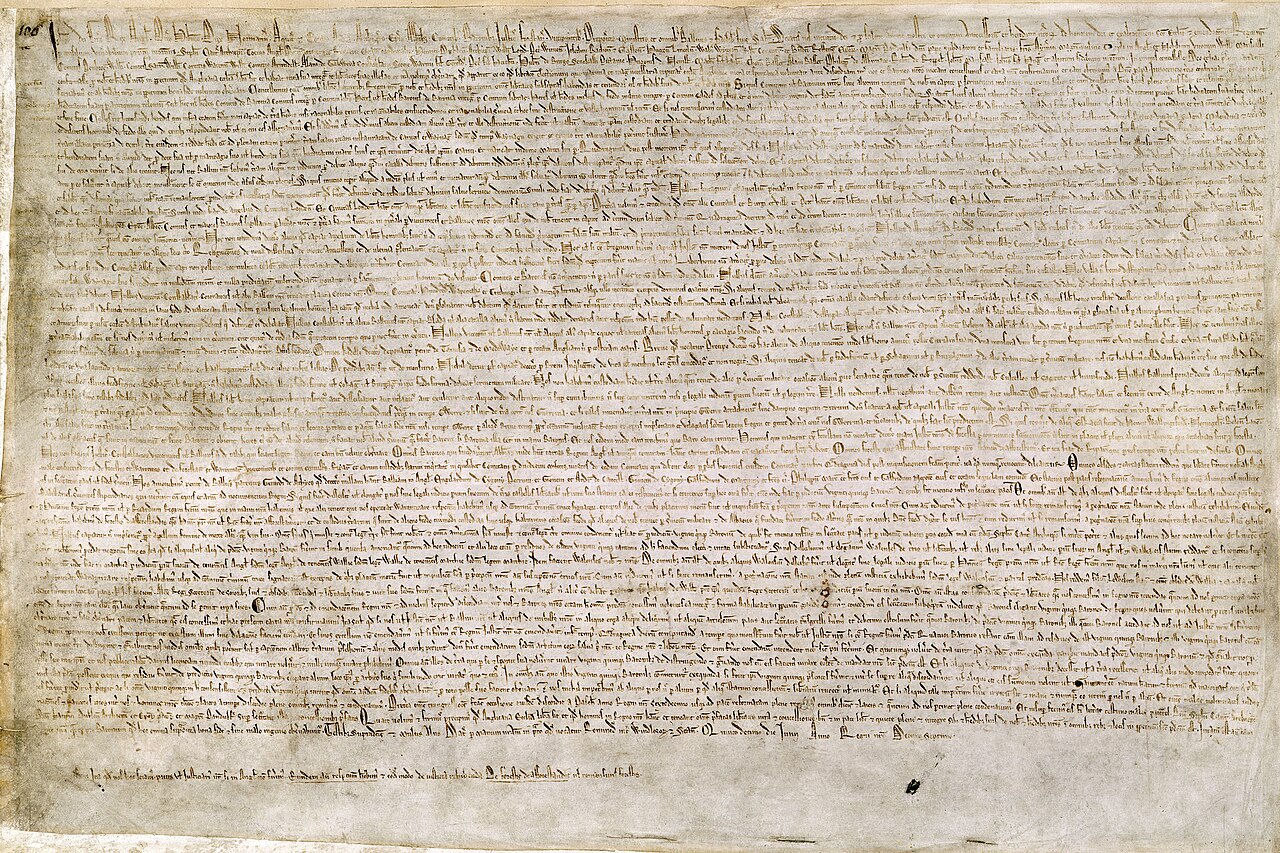
The Magna Carta, signed by King John of England on June 15, 1215, is a foundational document in the history of democracy, establishing key principles such as the rule of law, due process, and protection of individual rights. This 63-clause charter was the result of a power struggle between the monarch and a group of rebellious barons, who sought to limit the king's authority and protect their own interests. With a vibe score of 8, the Magna Carta has had a profound influence on the development of constitutional law, inspiring similar documents such as the US Constitution and the Universal Declaration of Human Rights. Despite its medieval origins, the Magna Carta remains a powerful symbol of resistance against tyranny and a beacon of hope for human rights advocates around the world. The document's legacy can be seen in the works of influential thinkers such as John Locke and Thomas Paine, who drew upon its principles to shape their own ideas about liberty and governance. As a cultural touchstone, the Magna Carta continues to inspire debate and discussion about the nature of power, authority, and individual freedom.
🏰 Introduction to Magna Carta
The Magna Carta, also known as the Great Charter, is a significant document in the history of democracy and human rights. It was sealed by King John of England on June 15, 1215, at Runnymede, near Windsor. The charter was a result of the negotiations between the king and a group of rebel barons who demanded that the king confirm the Charter of Liberties. The Magna Carta promised to protect the rights of the church, the barons, and the common people, and it established the principle of the rule of law. For more information on the historical context, visit the History of England.
📜 The Historical Context of Magna Carta
The historical context of the Magna Carta is crucial to understanding its significance. In the early 13th century, England was ruled by King John, who was known for his arbitrary and oppressive rule. The barons, who were the powerful nobles of the time, were dissatisfied with the king's actions and demanded that he confirm the Charter of Liberties, which was a document that protected their rights. The negotiations between the king and the barons were led by the Archbishop of Canterbury, Cardinal Stephen Langton. To learn more about the role of the Archbishop, visit the Catholic Church.
👑 The Role of King John in Magna Carta
King John played a significant role in the creation of the Magna Carta. He was forced to agree to the charter's provisions by the rebel barons, who were determined to limit his power. The king, however, had no intention of keeping his promises and soon renounced the charter. This led to the First Barons' War, which was a civil war between the king and the barons. For more information on King John, visit the King John page. The war was a significant event in English history and had a lasting impact on the country's politics. To understand the impact of the war, visit the English Civil War.
📝 The Drafting of Magna Carta
The drafting of the Magna Carta was a complex process that involved several key figures. The charter was first drafted by the Archbishop of Canterbury, who was assisted by a group of barons and clergy. The document was then presented to King John, who was forced to agree to its provisions. The charter consisted of 63 clauses, which dealt with a range of issues, including the protection of the church, the rights of the barons, and the administration of justice. For more information on the drafting process, visit the Medieval History. The charter also established the principle of due process, which is still an important part of constitutional law today.
🤝 The Charter's Provisions and Promises
The Magna Carta's provisions and promises were significant, as they established the principle of the rule of law and protected the rights of the church, the barons, and the common people. The charter also limited the power of the king and established the principle of due process. However, the king soon renounced the charter, which led to the First Barons' War. The war was a significant event in English history and had a lasting impact on the country's politics. To understand the impact of the war, visit the English Monarchy. The charter's provisions and promises were also influential in the development of democracy and human rights. For more information on the impact of the charter, visit the Magna Carta Influence.
🚫 The Annulment of Magna Carta by Pope Innocent III
The annulment of the Magna Carta by Pope Innocent III was a significant event in the charter's history. The pope, who was a supporter of King John, declared the charter to be null and void, which led to the First Barons' War. The war was a civil war between the king and the barons, and it had a lasting impact on English history. For more information on the pope's role, visit the Pope Innocent III. The charter's annulment was also a significant event in the development of constitutional law. To understand the impact of the annulment, visit the Constitutional History.
⚔️ The First Barons' War and Its Consequences
The First Barons' War was a significant event in English history, and it had a lasting impact on the country's politics. The war was fought between the king and the barons, and it ended with the signing of the Treaty of Lambeth. The treaty established the principle of the rule of law and protected the rights of the church, the barons, and the common people. For more information on the war, visit the First Barons' War. The war also had a significant impact on the development of democracy and human rights. To understand the impact of the war, visit the Democratic History.
📊 The Legacy of Magna Carta in Modern Times
The legacy of the Magna Carta in modern times is significant. The charter's provisions and promises have influenced the development of democracy and human rights around the world. The charter's establishment of the principle of the rule of law and due process has also had a lasting impact on constitutional law. For more information on the legacy, visit the Magna Carta Legacy. The charter's influence can be seen in many countries, including the United States, where it has influenced the development of the United States Constitution. To understand the impact of the charter on the US Constitution, visit the US Constitution.
👥 The Influence of Magna Carta on Constitutional Law
The influence of the Magna Carta on constitutional law is significant. The charter's establishment of the principle of the rule of law and due process has had a lasting impact on the development of constitutional law around the world. The charter's provisions and promises have also influenced the development of democracy and human rights. For more information on the influence, visit the Magna Carta Influence. The charter's influence can be seen in many countries, including the United States, where it has influenced the development of the United States Constitution. To understand the impact of the charter on the US Constitution, visit the US Constitution.
🔍 The Preservation and Display of Magna Carta
The preservation and display of the Magna Carta are important aspects of its legacy. The charter is now housed in the British Library, where it is seen by millions of visitors each year. The charter's preservation is also important, as it is a significant historical document that provides insight into the development of democracy and human rights. For more information on the preservation, visit the Magna Carta Preservation. The charter's display is also important, as it provides an opportunity for people to learn about its significance and importance. To understand the importance of the display, visit the British Library.
🌎 The Global Impact of Magna Carta
The global impact of the Magna Carta is significant. The charter's provisions and promises have influenced the development of democracy and human rights around the world. The charter's establishment of the principle of the rule of law and due process has also had a lasting impact on constitutional law. For more information on the impact, visit the Magna Carta Impact. The charter's influence can be seen in many countries, including the United States, where it has influenced the development of the United States Constitution. To understand the impact of the charter on the US Constitution, visit the US Constitution.
👀 Conclusion and Future Implications
In conclusion, the Magna Carta is a significant document in the history of democracy and human rights. Its provisions and promises have had a lasting impact on the development of democracy and human rights around the world. The charter's establishment of the principle of the rule of law and due process has also had a lasting impact on constitutional law. For more information on the conclusion, visit the Magna Carta Conclusion. As we look to the future, it is important to remember the significance of the Magna Carta and its influence on the development of democracy and human rights. To understand the future implications, visit the Future of Democracy.
Key Facts
- Year
- 1215
- Origin
- Runnymede, England
- Category
- History
- Type
- Historical Document
Frequently Asked Questions
What is the Magna Carta?
The Magna Carta is a royal charter of rights sealed by King John of England on June 15, 1215. It established the principle of the rule of law and protected the rights of the church, the barons, and the common people. For more information, visit the Magna Carta page. The charter's provisions and promises have had a lasting impact on the development of democracy and human rights around the world. To understand the impact, visit the Magna Carta Impact.
Who drafted the Magna Carta?
The Magna Carta was drafted by the Archbishop of Canterbury, Cardinal Stephen Langton, and a group of barons and clergy. For more information on the drafting process, visit the Medieval History. The charter's provisions and promises were also influenced by the Charter of Liberties. To understand the influence, visit the Charter of Liberties.
What was the significance of the Magna Carta?
The Magna Carta was significant because it established the principle of the rule of law and protected the rights of the church, the barons, and the common people. The charter's provisions and promises have had a lasting impact on the development of democracy and human rights around the world. For more information, visit the Magna Carta page. The charter's influence can be seen in many countries, including the United States, where it has influenced the development of the United States Constitution. To understand the impact of the charter on the US Constitution, visit the US Constitution.
What was the impact of the Magna Carta on constitutional law?
The Magna Carta had a significant impact on constitutional law. The charter's establishment of the principle of the rule of law and due process has had a lasting impact on the development of constitutional law around the world. For more information, visit the Constitutional Law page. The charter's provisions and promises have also influenced the development of democracy and human rights. To understand the impact, visit the Magna Carta Impact.
Where is the Magna Carta housed?
The Magna Carta is housed in the British Library, where it is seen by millions of visitors each year. For more information, visit the British Library page. The charter's preservation is also important, as it is a significant historical document that provides insight into the development of democracy and human rights. To understand the preservation, visit the Magna Carta Preservation.
What is the global impact of the Magna Carta?
The Magna Carta has had a significant impact on the development of democracy and human rights around the world. The charter's provisions and promises have influenced the development of constitutional law and have established the principle of the rule of law and due process. For more information, visit the Magna Carta page. The charter's influence can be seen in many countries, including the United States, where it has influenced the development of the United States Constitution. To understand the impact of the charter on the US Constitution, visit the US Constitution.
What is the significance of the Magna Carta in modern times?
The Magna Carta is significant in modern times because its provisions and promises have had a lasting impact on the development of democracy and human rights around the world. The charter's establishment of the principle of the rule of law and due process has also had a lasting impact on constitutional law. For more information, visit the Magna Carta page. The charter's influence can be seen in many countries, including the United States, where it has influenced the development of the United States Constitution. To understand the impact of the charter on the US Constitution, visit the US Constitution.