
Contents
- 🏰 Introduction to Monasticism
- 📜 History of Monasticism
- 🕊️ Christian Monasticism
- 🙏 Buddhist Monasticism
- 🕉️ Hindu and Jain Monasticism
- 🤝 Role of Monasticism in Modern Society
- 🌎 Global Monastic Communities
- 💡 Criticisms and Controversies
- 📚 Monasticism in Literature and Art
- 👥 Notable Monastic Figures
- 🕊️ Monasticism and Spirituality
- 🔮 Future of Monasticism
- Frequently Asked Questions
- Related Topics
Overview
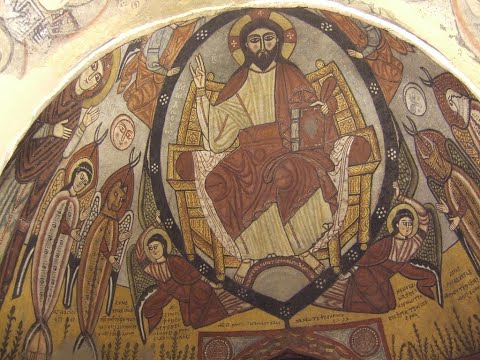
Monasticism, with its origins dating back to 3rd-century Egypt, has evolved into a global phenomenon, spanning various faiths, including Christianity, Buddhism, and Hinduism. The monastic tradition, characterized by a life of prayer, work, and study, has been shaped by influential figures such as St. Anthony of Egypt and St. Benedict of Nursia. With over 10,000 monasteries worldwide, monasticism has not only provided a spiritual framework for millions but also contributed significantly to education, art, and social welfare. Despite facing challenges such as secularization and declining membership, monasticism continues to inspire new generations of seekers. The Vibe score for monasticism is 8, reflecting its enduring cultural energy. As the world grapples with uncertainty, the monastic emphasis on community, contemplation, and service may offer a compelling alternative to modern society's fast pace and individualism. With its rich history, diverse expressions, and ongoing relevance, monasticism remains a vital and fascinating topic of study and exploration.
🏰 Introduction to Monasticism
Monasticism, also known as monachism or monkhood, is a religious way of life that involves renouncing worldly pursuits to devote oneself fully to spiritual activities. This way of life has been practiced for centuries in various forms and is an integral part of many Christian churches, including the Catholic, Orthodox, and Anglican traditions. In addition to Christianity, monasticism is also practiced in other faiths such as Buddhism, Hinduism, and Jainism.
📜 History of Monasticism
The history of monasticism dates back to ancient times, with evidence of monastic communities found in Egypt, Greece, and Rome. The early Christian church was heavily influenced by monasticism, with many of its leaders and saints being monks or nuns. The Rule of Saint Benedict, written in the 6th century, is still widely used today as a guide for monastic life. Monasticism has also played a significant role in the development of Western civilization, with many monasteries serving as centers of learning and culture.
🕊️ Christian Monasticism
In the Christian tradition, monasticism is seen as a way of following the example of Jesus Christ and living a life of poverty, chastity, and obedience. Many Christian monasteries and convents are dedicated to specific saints or Mary, the mother of Jesus. The Catholic Church has a long history of monasticism, with orders such as the Franciscans and Dominicans playing important roles in the church's mission and ministry. Monasticism has also been influential in the development of Christian mysticism and contemplative prayer.
🙏 Buddhist Monasticism
Buddhist monasticism, also known as the Sangha, has a long history dating back to the time of the Buddha. Buddhist monks and nuns live in communities and follow a strict code of discipline, known as the Vinaya. The goal of Buddhist monasticism is to achieve enlightenment and help others achieve it as well. Buddhist monasteries are often centers of learning and culture, and many are famous for their beautiful architecture and art. The Tibetan Buddhist tradition, in particular, has a rich monastic tradition, with many famous monasteries such as Drepung Monastery and Sera Monastery.
🕉️ Hindu and Jain Monasticism
In Hinduism and Jainism, monasticism is also an important part of the spiritual tradition. Hindu sadhus and Jain sannyasins renounce worldly life and dedicate themselves to spiritual pursuits. The goal of Hindu and Jain monasticism is to achieve liberation from the cycle of birth and death. Many Hindu and Jain monasteries are famous for their beautiful temples and festivals. The Hindu philosophy of Advaita Vedanta has been particularly influential in the development of Hindu monasticism, with many famous gurus such as Adi Shankara and Ramana Maharshi.
🤝 Role of Monasticism in Modern Society
Despite its many benefits, monasticism has also been criticized and contested throughout history. Some have seen it as a way of escaping the problems of the world, rather than engaging with them. Others have criticized the hierarchy and patriarchy that exist in some monastic communities. However, many monasteries and convents are now engaging with the world in new and innovative ways, such as through social justice and environmentalism. The feminist theology movement has also had an impact on monasticism, with many women's monastic communities being established in recent years.
🌎 Global Monastic Communities
Today, there are monastic communities all over the world, from the United States to China. Many of these communities are engaged in a wide range of activities, from education and healthcare to arts and culture. The internet and social media have also had a significant impact on monasticism, with many monasteries and convents now having online presence. The Vatican has also been using social media to engage with the world and promote the values of monasticism.
💡 Criticisms and Controversies
One of the most famous and influential monastic communities is the Trappist order, known for their beer and cheese. The Trappists are a Catholic order that follows the Rule of Saint Benedict and are dedicated to a life of prayer, work, and study. The Trappists have monasteries all over the world and are known for their beautiful architecture and gardens. The Trappist beer is also famous for its high quality and is brewed by the monks themselves.
📚 Monasticism in Literature and Art
Monasticism has also had a significant impact on literature and art. Many famous writers and artists have been inspired by monasticism, including Dante Alighieri and John Donne. The iconography of monasticism, including the habit and the tonsure, has also been influential in the development of Western art. The illuminated manuscripts of the Middle Ages, such as the Book of Kells, are also a testament to the artistic and cultural achievements of monasticism.
👥 Notable Monastic Figures
There have been many notable monastic figures throughout history, including Saint Benedict, Saint Francis, and Saint Therese of Lisieux. These individuals have inspired countless people with their devotion to their faith and their commitment to a life of poverty, chastity, and obedience. The Desert Fathers and the Desert Mothers are also famous for their wisdom and spiritual guidance.
🕊️ Monasticism and Spirituality
Monasticism is not just a way of life, but also a spirituality that emphasizes the importance of prayer, meditation, and contemplation. Monasticism has also been influential in the development of Christian mysticism and contemplative prayer. The Lectio Divina is a traditional monastic practice of prayerful reading of the Bible.
🔮 Future of Monasticism
As we look to the future, it is clear that monasticism will continue to play an important role in the world. With its emphasis on community, simplicity, and spirituality, monasticism offers a unique and powerful way of living that is relevant to people of all ages and backgrounds. The ecumenical movement has also brought different Christian denominations together, and monasticism has been at the forefront of this movement. As the world becomes increasingly complex and challenging, the values of monasticism will be more important than ever.
Key Facts
- Year
- 250
- Origin
- Egypt
- Category
- Religion and Spirituality
- Type
- Social Movement
Frequently Asked Questions
What is monasticism?
Monasticism is a way of life that involves renouncing worldly pursuits to devote oneself fully to spiritual activities. It is practiced in many Christian churches, as well as in other faiths such as Buddhism, Hinduism, and Jainism. Monasticism emphasizes the importance of prayer, meditation, and contemplation, and is often characterized by a life of poverty, chastity, and obedience.
What is the history of monasticism?
The history of monasticism dates back to ancient times, with evidence of monastic communities found in Egypt, Greece, and Rome. The early Christian church was heavily influenced by monasticism, with many of its leaders and saints being monks or nuns. The Rule of Saint Benedict, written in the 6th century, is still widely used today as a guide for monastic life.
What is the role of monasticism in modern society?
Monasticism continues to play an important role in modern society, with many monasteries and convents engaging in a wide range of activities, from education and healthcare to arts and culture. Monasticism offers a unique and powerful way of living that is relevant to people of all ages and backgrounds, and its emphasis on community, simplicity, and spirituality is more important than ever in today's complex and challenging world.
What is the difference between Christian and Buddhist monasticism?
Christian monasticism is characterized by a life of poverty, chastity, and obedience, and emphasizes the importance of prayer, meditation, and contemplation. Buddhist monasticism, on the other hand, emphasizes the importance of mindfulness, meditation, and the attainment of enlightenment. While both traditions share some similarities, they have distinct differences in their practices and beliefs.
Can anyone become a monk or nun?
Yes, anyone can become a monk or nun, regardless of their background or age. However, the process of becoming a monk or nun typically involves a period of discernment and formation, during which the individual must demonstrate their commitment to the monastic way of life and their ability to live in community with others. The specific requirements and process for becoming a monk or nun vary depending on the tradition and the community.
What is the relationship between monasticism and spirituality?
Monasticism is not just a way of life, but also a spirituality that emphasizes the importance of prayer, meditation, and contemplation. Monasticism has been influential in the development of Christian mysticism and contemplative prayer, and its emphasis on community, simplicity, and spirituality offers a unique and powerful way of living that is relevant to people of all ages and backgrounds.
How has monasticism influenced literature and art?
Monasticism has had a significant impact on literature and art, with many famous writers and artists being inspired by monasticism. The iconography of monasticism, including the habit and the tonsure, has also been influential in the development of Western art. The illuminated manuscripts of the Middle Ages, such as the Book of Kells, are also a testament to the artistic and cultural achievements of monasticism.