
Contents
- 🏦 Introduction to Banking Systems
- 💰 History of Banking: From Ancient Civilizations to Modern Times
- 📈 The Emergence of Central Banks and Monetary Policy
- 🏢 Commercial Banking: The Backbone of Modern Finance
- 📊 Investment Banking: The World of High-Stakes Finance
- 📱 The Digital Revolution: Online Banking and Mobile Payments
- 🔒 Banking Security: Protecting Customers' Assets in the Digital Age
- 🌎 Globalization and the Future of Banking Systems
- 📊 Cryptocurrencies and the Decentralized Finance Movement
- 🤝 The Role of Banking in Economic Development and Growth
- 📝 Regulatory Frameworks: Ensuring Stability and Preventing Crises
- 📊 The Impact of Technology on Banking Efficiency and Productivity
- Frequently Asked Questions
- Related Topics
Overview
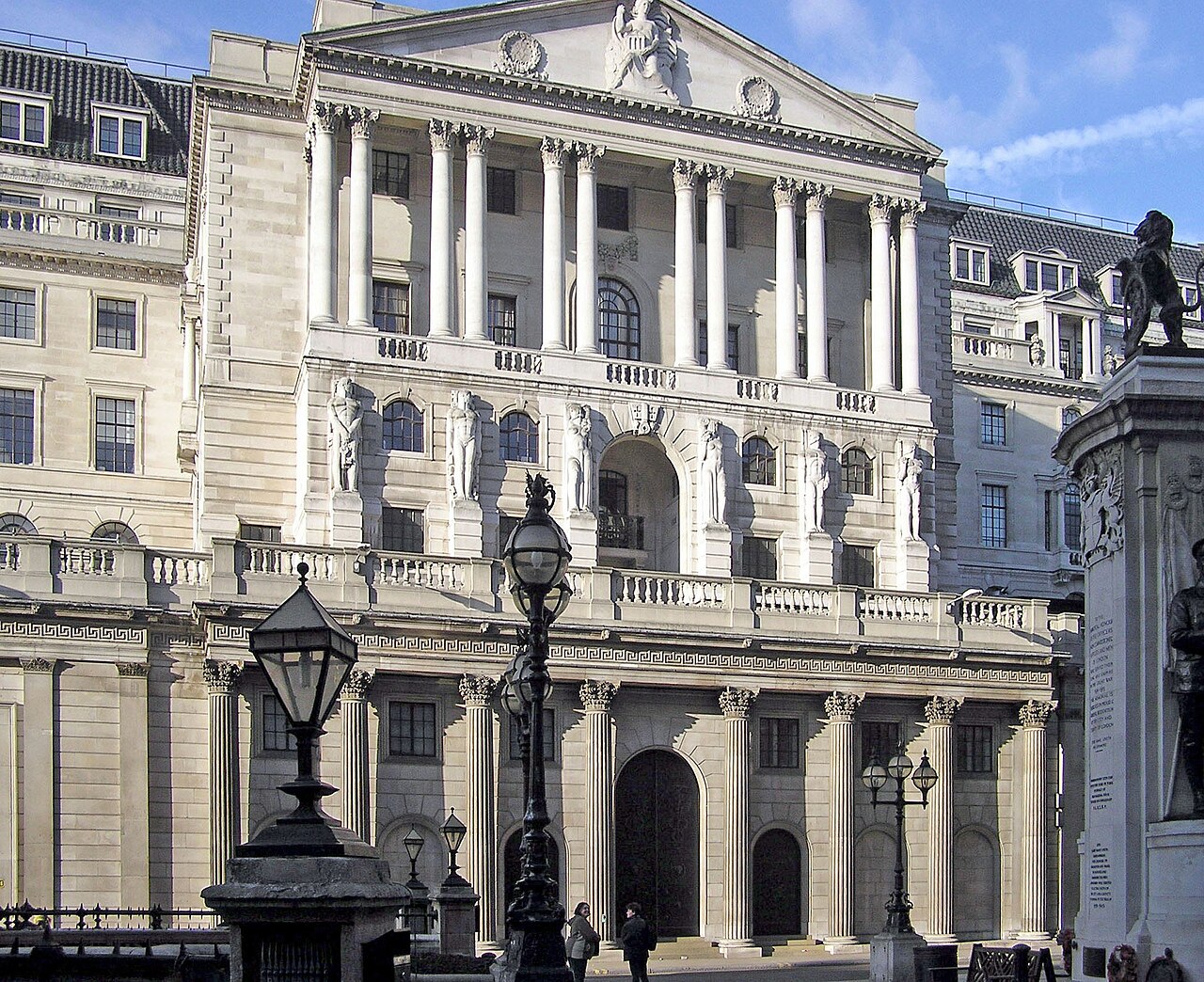
The banking system has undergone significant transformations since its inception, with the first recorded banking activities dating back to ancient Mesopotamia around 2000 BC. The establishment of the Medici bank in Italy in the 15th century marked the beginning of modern banking. The Industrial Revolution brought about the development of central banks, such as the Bank of England, founded in 1694. The 20th century saw the rise of digital banking, with the introduction of the first ATM in 1967 by Barclays Bank. Today, the banking system is a complex network of institutions, including commercial banks, investment banks, and central banks, with a growing emphasis on digital payments and online banking. As the banking system continues to evolve, it is likely to be shaped by emerging technologies such as blockchain and artificial intelligence, with potential implications for financial inclusion, security, and regulation.
🏦 Introduction to Banking Systems
The evolution of banking systems has been a long and winding road, shaped by the needs of societies and economies. From ancient civilizations to modern times, banking has played a crucial role in facilitating trade, commerce, and economic growth. As explained in Banking, a bank is a financial institution that accepts deposits from the public and creates a demand deposit while making loans. Lending activities can be directly performed by the bank or indirectly through Capital Markets. The history of banking is closely tied to the development of Monetary Policy and the emergence of Central Banks.
💰 History of Banking: From Ancient Civilizations to Modern Times
The history of banking dates back to ancient civilizations, where temples and palaces served as early banking institutions. The concept of banking evolved over time, with the establishment of Gold Standard and the development of Paper Currency. The creation of central banks, such as the Federal Reserve in the United States, marked a significant turning point in the evolution of banking systems. As discussed in Financial Institutions, the role of banks in facilitating economic growth and development cannot be overstated.
📈 The Emergence of Central Banks and Monetary Policy
The emergence of central banks and monetary policy has had a profound impact on the evolution of banking systems. Central banks, such as the European Central Bank, play a crucial role in regulating the money supply, setting interest rates, and maintaining financial stability. The use of Monetary Tools, such as open market operations and reserve requirements, allows central banks to influence the economy and prevent crises. As explained in Macroeconomics, the interaction between monetary policy and the economy is complex and multifaceted.
🏢 Commercial Banking: The Backbone of Modern Finance
Commercial banking is the backbone of modern finance, providing essential services such as deposit accounts, loans, and payment processing. Commercial banks, such as JPMorgan Chase and Bank of America, play a vital role in facilitating economic growth and development. The use of Credit Scoring and Risk Management techniques allows commercial banks to manage risk and make informed lending decisions. As discussed in Financial Markets, the efficiency of commercial banking is critical to the overall health of the economy.
📊 Investment Banking: The World of High-Stakes Finance
Investment banking is a high-stakes world of finance, where banks advise clients on strategic transactions, such as mergers and acquisitions, and help them raise capital through Initial Public Offerings (IPOs) and other securities offerings. Investment banks, such as Goldman Sachs and Morgan Stanley, play a crucial role in facilitating corporate finance and economic growth. The use of Financial Modeling and Due Diligence techniques allows investment banks to provide valuable advice and guidance to clients. As explained in Corporate Finance, the role of investment banking in facilitating strategic transactions is essential.
📱 The Digital Revolution: Online Banking and Mobile Payments
The digital revolution has transformed the banking industry, with the advent of online banking and mobile payments. Digital banks, such as PayPal and Stripe, have disrupted traditional banking models, offering convenient and low-cost services to customers. The use of Artificial Intelligence and Machine Learning techniques allows digital banks to provide personalized services and improve customer experience. As discussed in Fintech, the impact of digital technology on the banking industry is profound and far-reaching.
🔒 Banking Security: Protecting Customers' Assets in the Digital Age
Banking security is a critical concern in the digital age, where cyber threats and data breaches can have devastating consequences. Banks must invest in robust security measures, such as Encryption and Firewalls, to protect customers' assets and maintain trust. The use of Biometric Authentication and Two-Factor Authentication techniques allows banks to provide an additional layer of security and prevent unauthorized access. As explained in Cybersecurity, the importance of banking security cannot be overstated.
🌎 Globalization and the Future of Banking Systems
Globalization has transformed the banking industry, with banks operating in multiple countries and jurisdictions. The emergence of Emerging Markets and the growth of international trade have created new opportunities for banks to expand their services and reach new customers. The use of Foreign Exchange and Trade Finance techniques allows banks to facilitate international trade and investment. As discussed in International Finance, the role of banking in facilitating globalization is critical.
📊 Cryptocurrencies and the Decentralized Finance Movement
The decentralized finance movement, fueled by Blockchain technology and Cryptocurrencies, is challenging traditional banking models and offering new opportunities for financial inclusion and innovation. Decentralized finance platforms, such as Ethereum and Bitcoin, provide an alternative to traditional banking services, allowing users to lend, borrow, and trade assets in a decentralized and trustless manner. As explained in Decentralized Finance, the potential of this movement to disrupt traditional banking is significant.
🤝 The Role of Banking in Economic Development and Growth
The role of banking in economic development and growth is multifaceted and critical. Banks provide essential services, such as credit and payment processing, that facilitate economic activity and growth. The use of Microfinance and Financial Inclusion techniques allows banks to reach underserved populations and promote economic development. As discussed in Economic Development, the importance of banking in facilitating economic growth and development cannot be overstated.
📝 Regulatory Frameworks: Ensuring Stability and Preventing Crises
Regulatory frameworks, such as the Dodd-Frank Act and the Basel III accord, play a crucial role in ensuring the stability and soundness of the banking system. Regulators, such as the Federal Reserve and the Securities and Exchange Commission, must balance the need to promote economic growth and innovation with the need to prevent crises and protect consumers. As explained in Financial Regulation, the complexity of regulatory frameworks and the challenges of implementation are significant.
📊 The Impact of Technology on Banking Efficiency and Productivity
The impact of technology on banking efficiency and productivity is profound and far-reaching. The use of Cloud Computing and Artificial Intelligence techniques allows banks to automate processes, improve customer experience, and reduce costs. As discussed in Banking Technology, the potential of technology to transform the banking industry is significant, and banks must invest in digital transformation to remain competitive.
Key Facts
- Year
- 1694
- Origin
- Italy
- Category
- Finance
- Type
- Financial Institution
Frequently Asked Questions
What is the role of central banks in the evolution of banking systems?
Central banks play a crucial role in regulating the money supply, setting interest rates, and maintaining financial stability. They use monetary tools, such as open market operations and reserve requirements, to influence the economy and prevent crises. As explained in Monetary Policy, the interaction between monetary policy and the economy is complex and multifaceted. The role of central banks in facilitating economic growth and development is critical, and their actions have a significant impact on the overall health of the economy.
How has the digital revolution transformed the banking industry?
The digital revolution has transformed the banking industry, with the advent of online banking and mobile payments. Digital banks, such as PayPal and Stripe, have disrupted traditional banking models, offering convenient and low-cost services to customers. The use of Artificial Intelligence and Machine Learning techniques allows digital banks to provide personalized services and improve customer experience. As discussed in Fintech, the impact of digital technology on the banking industry is profound and far-reaching.
What is the significance of banking security in the digital age?
Banking security is a critical concern in the digital age, where cyber threats and data breaches can have devastating consequences. Banks must invest in robust security measures, such as Encryption and Firewalls, to protect customers' assets and maintain trust. The use of Biometric Authentication and Two-Factor Authentication techniques allows banks to provide an additional layer of security and prevent unauthorized access. As explained in Cybersecurity, the importance of banking security cannot be overstated.
How has globalization impacted the banking industry?
Globalization has transformed the banking industry, with banks operating in multiple countries and jurisdictions. The emergence of Emerging Markets and the growth of international trade have created new opportunities for banks to expand their services and reach new customers. The use of Foreign Exchange and Trade Finance techniques allows banks to facilitate international trade and investment. As discussed in International Finance, the role of banking in facilitating globalization is critical.
What is the potential of decentralized finance to disrupt traditional banking?
The decentralized finance movement, fueled by Blockchain technology and Cryptocurrencies, is challenging traditional banking models and offering new opportunities for financial inclusion and innovation. Decentralized finance platforms, such as Ethereum and Bitcoin, provide an alternative to traditional banking services, allowing users to lend, borrow, and trade assets in a decentralized and trustless manner. As explained in Decentralized Finance, the potential of this movement to disrupt traditional banking is significant.
What is the role of banking in economic development and growth?
The role of banking in economic development and growth is multifaceted and critical. Banks provide essential services, such as credit and payment processing, that facilitate economic activity and growth. The use of Microfinance and Financial Inclusion techniques allows banks to reach underserved populations and promote economic development. As discussed in Economic Development, the importance of banking in facilitating economic growth and development cannot be overstated.
What is the significance of regulatory frameworks in ensuring the stability and soundness of the banking system?
Regulatory frameworks, such as the Dodd-Frank Act and the Basel III accord, play a crucial role in ensuring the stability and soundness of the banking system. Regulators, such as the Federal Reserve and the Securities and Exchange Commission, must balance the need to promote economic growth and innovation with the need to prevent crises and protect consumers. As explained in Financial Regulation, the complexity of regulatory frameworks and the challenges of implementation are significant.