
Contents
- 🌍 Introduction to Spice Trade
- 🏯 Historical Civilizations and Spice Trade
- 🌿 Spices of the Ancient World
- 🗺️ Trade Routes and the Eastern World
- 🔍 Uncovering the True Sources of Spices
- 📈 The Economics of Spice Trade
- 🌟 The Impact of Spice Trade on Culture
- 🚣♀️ Maritime Trade and the Age of Exploration
- 🌐 Globalization and the Decline of the Spice Trade
- 👑 The Legacy of the Spice Trade
- Frequently Asked Questions
- Related Topics
Overview
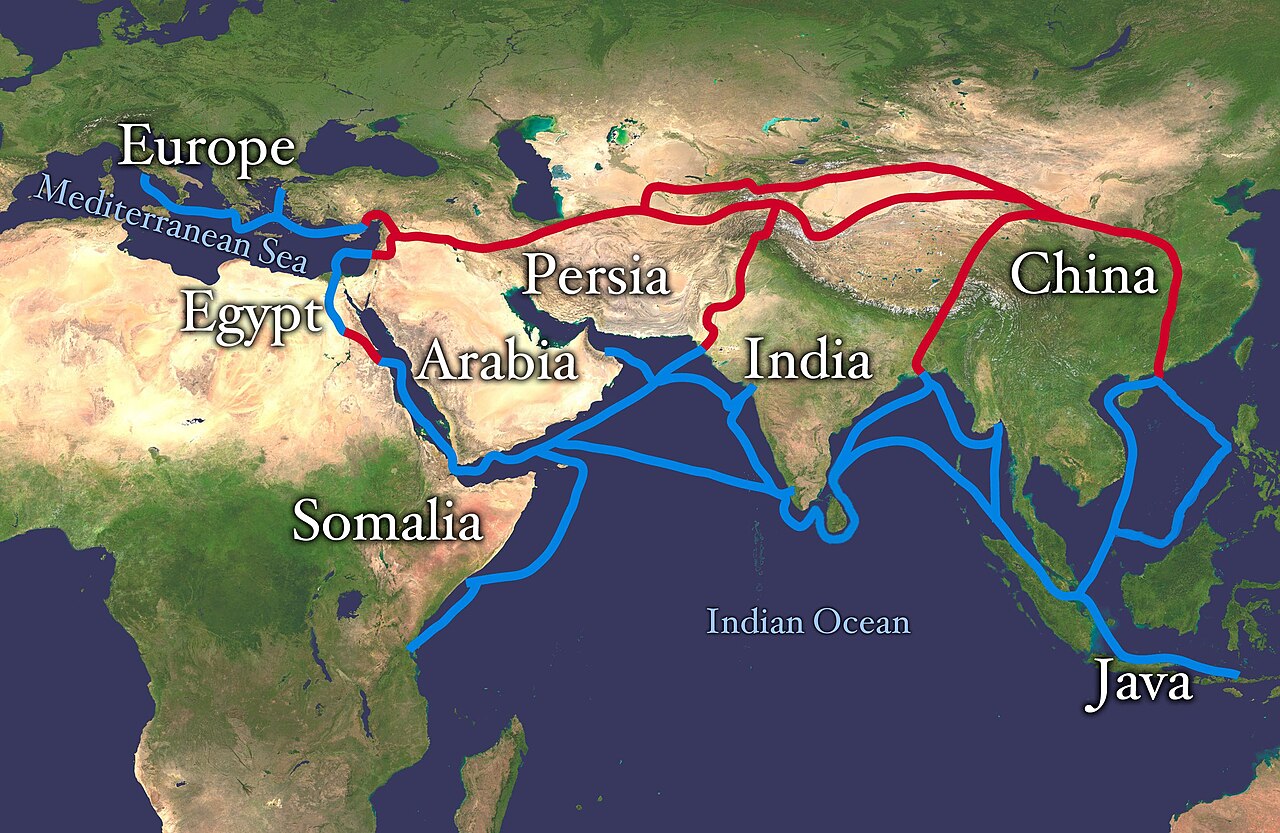
The spice trade was a complex network of trade routes that connected historical civilizations in Asia, Northeast Africa, and Europe. This ancient trade involved the exchange of valuable spices, such as cinnamon, cassia, and cardamom, which were highly prized for their flavor, aroma, and preservative properties. The spice trade played a significant role in shaping the course of human history, with many empires rising and falling based on their control of these lucrative trade routes. As noted by historians, the spice trade was a major driver of globalization and cultural exchange. The spice trade also had a profound impact on the development of cooking and cuisine in different parts of the world.
🏯 Historical Civilizations and Spice Trade
Historical civilizations, such as the Ancient Egyptians, Ancient Greeks, and Roman Empire, were all involved in the spice trade. These civilizations valued spices not only for their culinary uses but also for their medicinal and spiritual properties. The spice trade was also closely tied to the development of maritime trade and the Age of Exploration. As European powers, such as the Portuguese Empire and the Dutch East India Company, began to explore and colonize new lands, they sought to control the spice trade and exploit its profits. This led to the establishment of colonialism and the exploitation of local populations.
🌿 Spices of the Ancient World
The spices that were traded in the ancient world were highly valued for their unique flavors, aromas, and preservative properties. Ginger, pepper, and nutmeg were among the most widely traded spices, and were used to flavor a variety of dishes, from savory meats to sweet desserts. The spice trade also involved the exchange of other valuable commodities, such as textiles, precious metals, and porcelain. As trade routes expanded, new spices, such as star anise and clove, were introduced to new markets, leading to the development of new cuisines and culinary traditions. The use of spices also played a significant role in the development of traditional medicine.
🗺️ Trade Routes and the Eastern World
The spice trade was facilitated by a network of trade routes that connected the Eastern World to the Near East and Europe. The Silk Road, a famous trade route that connected China to the Mediterranean, was an important conduit for the spice trade. Other trade routes, such as the Incense Trade and the Maritime Silk Road, also played significant roles in the spice trade. As trade routes expanded, new spices and commodities were introduced to new markets, leading to the development of new cuisines and cultural exchange. The spice trade also had a significant impact on the development of navigation and cartography.
🔍 Uncovering the True Sources of Spices
Despite the significance of the spice trade, the true sources of many spices were often shrouded in mystery. Fantastic tales and legends surrounded the origins of spices, such as cinnamon, which was said to be harvested from the nests of giant birds. The true sources of spices were often hidden to protect trade routes and maintain monopolies. As European powers began to explore and colonize new lands, they sought to uncover the true sources of spices and exploit their profits. This led to the establishment of colonialism and the exploitation of local populations. The spice trade also had a significant impact on the development of geography and exploration.
📈 The Economics of Spice Trade
The economics of the spice trade were complex and often involved monopolies and cartels. The Dutch East India Company and the British East India Company were two of the most powerful companies involved in the spice trade, and they often used their power to manipulate markets and control prices. The spice trade also involved the exchange of other valuable commodities, such as textiles and precious metals. As trade routes expanded, new spices and commodities were introduced to new markets, leading to the development of new cuisines and cultural exchange. The spice trade also had a significant impact on the development of international trade and global economy.
🌟 The Impact of Spice Trade on Culture
The impact of the spice trade on culture was significant, with many cuisines and culinary traditions developing as a result of the exchange of spices and commodities. The spice trade also had a profound impact on the development of art and architecture, with many buildings and monuments constructed using spices and other valuable commodities. As trade routes expanded, new spices and commodities were introduced to new markets, leading to the development of new cuisines and cultural exchange. The spice trade also had a significant impact on the development of music and dance.
🚣♀️ Maritime Trade and the Age of Exploration
The age of exploration and the development of maritime trade had a significant impact on the spice trade. As European powers, such as the Portuguese Empire and the Dutch East India Company, began to explore and colonize new lands, they sought to control the spice trade and exploit its profits. This led to the establishment of colonialism and the exploitation of local populations. The spice trade also had a significant impact on the development of navigation and cartography. As trade routes expanded, new spices and commodities were introduced to new markets, leading to the development of new cuisines and cultural exchange.
🌐 Globalization and the Decline of the Spice Trade
The globalization of trade and the decline of the spice trade had a significant impact on the economies of many countries. As new trade routes and commodities were developed, the spice trade became less significant, and many countries that had relied on the spice trade for their economies suffered. However, the legacy of the spice trade can still be seen in the many cuisines and cultural traditions that developed as a result of the exchange of spices and commodities. The spice trade also had a significant impact on the development of international relations and global politics.
👑 The Legacy of the Spice Trade
The legacy of the spice trade is complex and multifaceted, with many different cultures and cuisines having been shaped by the exchange of spices and commodities. The spice trade played a significant role in shaping the course of human history, with many empires rising and falling based on their control of these lucrative trade routes. As trade routes expanded, new spices and commodities were introduced to new markets, leading to the development of new cuisines and cultural exchange. The spice trade also had a significant impact on the development of science and technology.
Key Facts
- Category
- topic
- Type
- topic
Frequently Asked Questions
What was the significance of the spice trade?
The spice trade was a complex network of trade routes that connected historical civilizations in Asia, Northeast Africa, and Europe. It played a significant role in shaping the course of human history, with many empires rising and falling based on their control of these lucrative trade routes. The spice trade also had a profound impact on the development of cuisine, culture, and science.
What were some of the most widely traded spices?
How did the spice trade impact culture?
The spice trade had a significant impact on culture, with many cuisines and culinary traditions developing as a result of the exchange of spices and commodities. The spice trade also had a profound impact on the development of art, architecture, music, and dance.
What was the role of European powers in the spice trade?
European powers, such as the Portuguese Empire and the Dutch East India Company, played a significant role in the spice trade, seeking to control the trade routes and exploit the profits. This led to the establishment of colonialism and the exploitation of local populations.
What is the legacy of the spice trade?
The legacy of the spice trade is complex and multifaceted, with many different cultures and cuisines having been shaped by the exchange of spices and commodities. The spice trade played a significant role in shaping the course of human history, and its impact can still be seen in the many cuisines and cultural traditions that developed as a result of the spice trade.
How did the spice trade impact the global economy?
The spice trade had a significant impact on the global economy, with many countries relying on the spice trade for their economies. The decline of the spice trade had a significant impact on the economies of many countries, leading to the development of new trade routes and commodities.
What was the role of the Dutch East India Company in the spice trade?
The Dutch East India Company was one of the most powerful companies involved in the spice trade, and it played a significant role in the development of the spice trade. The company sought to control the trade routes and exploit the profits, leading to the establishment of colonialism and the exploitation of local populations.