
Contents
- 🍴 Introduction to Medieval Cuisine
- 🍲 The Social Hierarchy of Food
- 👨🍳 Cooking Methods and Techniques
- 🍜 Ingredients and Food Preservation
- 🏰 Feasting and Banqueting
- 📚 Medieval Cookbooks and Recipes
- 👑 Royal Cuisine and Excess
- 🤝 The Influence of Trade and Travel
- 🌎 Regional Variations and Specialties
- 📊 The Economics of Food Production
- 🏥 Food and Health in Medieval Times
- 👫 The Cultural Significance of Food
- Frequently Asked Questions
- Related Topics
Overview
Medieval cuisine, spanning from the 5th to the 15th century, was a complex and multifaceted phenomenon that reflected the social, economic, and cultural dynamics of the time. With a vibe score of 8, medieval cuisine was characterized by the use of local and seasonal ingredients, preservation techniques such as salting and pickling, and a strong emphasis on communal dining. The cuisine was also marked by controversy, with debates over the role of food in religious practices and the impact of the Black Death on food production and distribution. Key figures such as Apicius and Chiquart influenced the development of medieval cuisine, while events like the Crusades and the rise of trade routes shaped the culinary landscape. As we look to the future, medieval cuisine continues to inspire contemporary food culture, with its emphasis on local, sustainable ingredients and communal dining experiences. With a controversy spectrum of 6, medieval cuisine remains a topic of ongoing debate and exploration among historians, food scholars, and enthusiasts alike.
🍴 Introduction to Medieval Cuisine
Medieval cuisine was a complex and multifaceted aspect of European culture during the Middle Ages, spanning from the 5th to the 15th century. The period saw the rise of Feudalism and the Catholic Church, both of which played significant roles in shaping the culinary landscape. As people's diets and cooking methods changed relatively little during this time, it laid the groundwork for the development of modern European cuisines. The History of Europe during this period was marked by significant events, including the Crusades and the Black Death, which had a profound impact on the way people lived, ate, and interacted with one another. For more information on the historical context, visit the Middle Ages page.
👨🍳 Cooking Methods and Techniques
Cooking methods and techniques during the Middle Ages were relatively primitive, with most food being prepared over an open flame or in a Cauldron. The use of Spices and Herbs was widespread, with many dishes featuring a combination of local and exotic ingredients. The Art of Cooking was highly valued, with many Cookbooks and recipes being shared among the wealthy and aristocratic classes. The Medieval Cuisine of the time was characterized by the use of Game Meat, Poultry, and Fish, which were often served at special occasions. For more information on cooking techniques, visit the Cooking Techniques page.
🍜 Ingredients and Food Preservation
Ingredients and food preservation were critical components of medieval cuisine, with many foods being preserved through Smoking, Salting, or Pickling. The use of Honey and Verjuice was common, as they served as natural sweeteners and preservatives. The Food Preservation techniques of the time were essential for survival, particularly during the winter months when fresh ingredients were scarce. The Agriculture of the time played a significant role in the development of medieval cuisine, with many crops being grown specifically for food production. For more information on ingredients and food preservation, visit the Food Preservation page.
🏰 Feasting and Banqueting
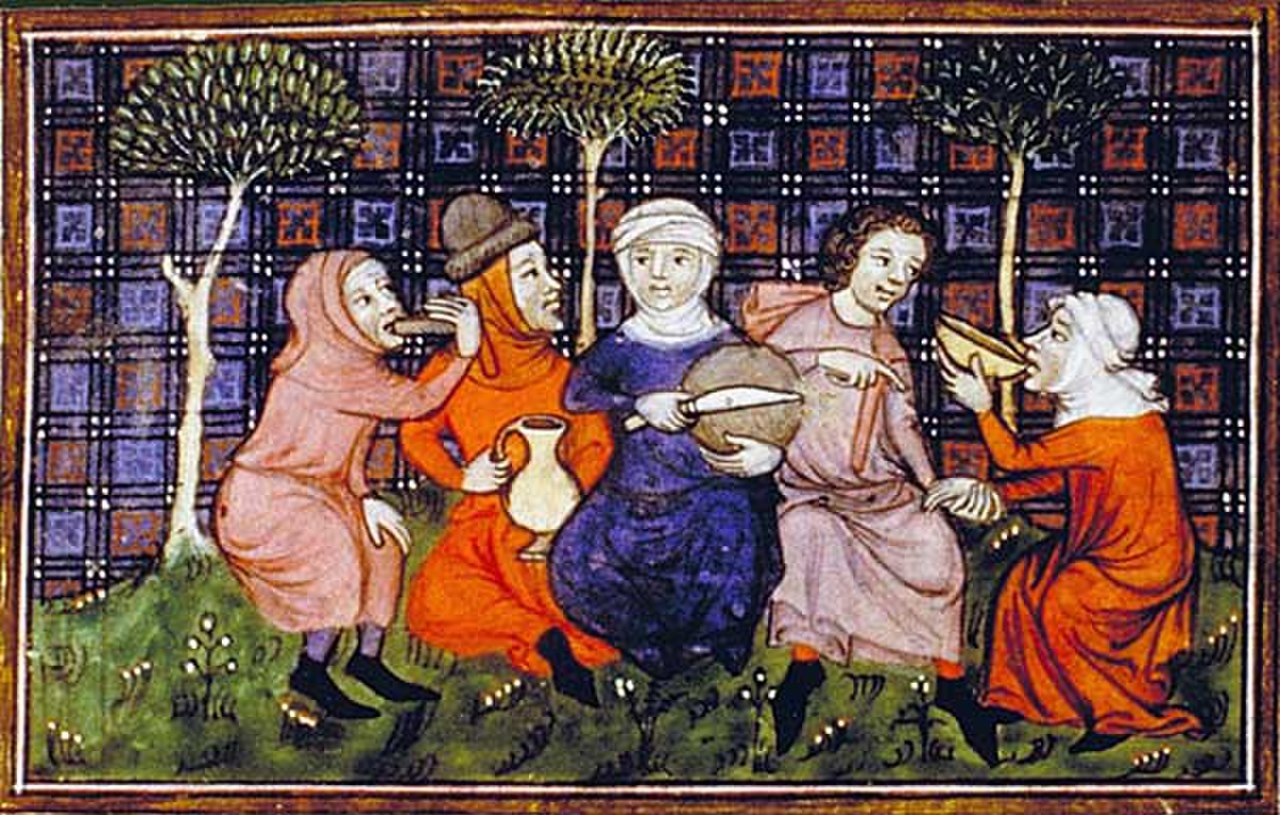
Feasting and banqueting were integral parts of medieval cuisine, with grand Feasts being held to celebrate special occasions, such as Weddings and Coronations. The Etiquette of the time dictated that guests be served a wide range of dishes, including Meat, Poultry, and Fish. The Table Manners of the time were highly formalized, with guests being expected to follow strict rules of behavior. The Feast was a time for socializing and entertainment, with Music, Dance, and Storytelling being common features. For more information on feasting and banqueting, visit the Feast page.
📚 Medieval Cookbooks and Recipes
Medieval cookbooks and recipes provide valuable insights into the culinary practices of the time, with many featuring intricate illustrations and detailed instructions. The Formulary of the Monastery of Cluny is a notable example, featuring a wide range of recipes and cooking techniques. The Recipe book of the Duke of Burgundy is another example, showcasing the culinary expertise of the time. The Cookbook of the Medieval Cuisine is a valuable resource for understanding the culinary practices of the time. For more information on medieval cookbooks, visit the Cookbook page.
👑 Royal Cuisine and Excess
Royal cuisine and excess were hallmarks of medieval cuisine, with the wealthy and aristocratic classes indulging in elaborate and extravagant dishes. The Royal Court of France was particularly renowned for its culinary excesses, with the King of France hosting grand Feasts and Banquets. The Luxury Food of the time was highly prized, with many exotic ingredients being imported from afar. The Royal Cuisine of the time was characterized by the use of Game Meat, Poultry, and Fish, which were often served at special occasions. For more information on royal cuisine, visit the Royal Cuisine page.
🤝 The Influence of Trade and Travel
The influence of trade and travel on medieval cuisine was significant, with many exotic ingredients and cooking techniques being introduced from afar. The Silk Road and other trade routes played a crucial role in the dissemination of culinary ideas and ingredients. The Crusades also had a profound impact on the development of medieval cuisine, with many Knights and Crusaders returning from the Holy Land with new culinary ideas and ingredients. The Trade of the time was essential for the development of medieval cuisine, with many ingredients being imported from afar. For more information on the influence of trade and travel, visit the Trade page.
🌎 Regional Variations and Specialties
Regional variations and specialties were a hallmark of medieval cuisine, with different regions developing their own unique culinary traditions. The Cuisine of France was particularly renowned, with its emphasis on Game Meat, Poultry, and Fish. The Cuisine of Italy was another notable example, featuring a wide range of Pasta dishes and Pizza-like flatbreads. The Regional Cuisine of the time was highly varied, with many different ingredients and cooking techniques being used. For more information on regional variations, visit the Regional Cuisine page.
📊 The Economics of Food Production
The economics of food production during the Middle Ages were complex, with many factors influencing the availability and affordability of food. The Agriculture of the time was labor-intensive, with many peasants working long hours to produce crops and raise livestock. The Economy of the time was highly localized, with many communities relying on local food sources. The Food Production of the time was essential for survival, with many people relying on agriculture for their livelihood. For more information on the economics of food production, visit the Economy page.
🏥 Food and Health in Medieval Times
Food and health in medieval times were closely linked, with many foods being believed to have medicinal properties. The Humorism theory of the time dictated that certain foods could balance the body's Humors and cure various ailments. The Medicinal Properties of food were highly valued, with many ingredients being used for their perceived health benefits. The Health of the time was highly influenced by diet, with many people believing that food could cure a wide range of ailments. For more information on food and health, visit the Health page.
👫 The Cultural Significance of Food
The cultural significance of food in medieval times was profound, with many foods being imbued with symbolic and spiritual meaning. The Eucharist was a central aspect of Christianity, with the consumption of Bread and Wine being a sacred ritual. The Feast was a time for socializing and entertainment, with Music, Dance, and Storytelling being common features. The Cultural Significance of food was highly varied, with many different ingredients and cooking techniques being used. For more information on the cultural significance of food, visit the Cultural Significance page.
Key Facts
- Year
- 1200
- Origin
- Europe
- Category
- History, Food, Culture
- Type
- Historical Concept
Frequently Asked Questions
What was the primary source of food for the peasant class during the Middle Ages?
The primary source of food for the peasant class during the Middle Ages was locally sourced ingredients, such as Wheat, Barley, and Vegetables. The Peasant Class relied heavily on agriculture for their livelihood, with many people working long hours to produce crops and raise livestock. The Agriculture of the time was labor-intensive, with many factors influencing the availability and affordability of food. For more information on the peasant class, visit the Peasant Class page.
What was the significance of feasting and banqueting in medieval cuisine?
Feasting and banqueting were integral parts of medieval cuisine, with grand Feasts being held to celebrate special occasions, such as Weddings and Coronations. The Etiquette of the time dictated that guests be served a wide range of dishes, including Meat, Poultry, and Fish. The Table Manners of the time were highly formalized, with guests being expected to follow strict rules of behavior. For more information on feasting and banqueting, visit the Feast page.
How did trade and travel influence medieval cuisine?
The influence of trade and travel on medieval cuisine was significant, with many exotic ingredients and cooking techniques being introduced from afar. The Silk Road and other trade routes played a crucial role in the dissemination of culinary ideas and ingredients. The Crusades also had a profound impact on the development of medieval cuisine, with many Knights and Crusaders returning from the Holy Land with new culinary ideas and ingredients. For more information on the influence of trade and travel, visit the Trade page.
What was the cultural significance of food in medieval times?
The cultural significance of food in medieval times was profound, with many foods being imbued with symbolic and spiritual meaning. The Eucharist was a central aspect of Christianity, with the consumption of Bread and Wine being a sacred ritual. The Feast was a time for socializing and entertainment, with Music, Dance, and Storytelling being common features. For more information on the cultural significance of food, visit the Cultural Significance page.
How did the social hierarchy of food reflect the social class system of the time?
The social hierarchy of food during the Middle Ages was strictly defined, with the wealthy enjoying a diverse and elaborate diet, while the poor subsisted on a meager and monotonous one. The Nobility and Clergy classes had access to a wide range of exotic spices, meats, and other luxury ingredients, which were often served at grand Feasts. In contrast, the peasant class relied on locally sourced ingredients, such as Wheat, Barley, and Vegetables, to sustain themselves. For more information on the social hierarchy of food, visit the Social Class page.