
Contents
- 🌿 Introduction to the World of Spices
- 🔥 The Historical Significance of Spices
- 🌸 Spice Classification and Uses
- 🏰 The Cultural Impact of Spices
- 💸 The Economics of Spice Trade
- 🌶️ The Politics of Spice Production
- 👥 The Role of Spices in Medicine and Rituals
- 🎨 The Connection Between Spices and Perfume Production
- 🚫 The Distinction Between Spices and Herbs
- 🌟 The Future of Spice Production and Trade
- 🌎 The Globalization of Spice Markets
- 👀 Conclusion: The Pungent Politics of Spices
- Frequently Asked Questions
- Related Topics
Overview
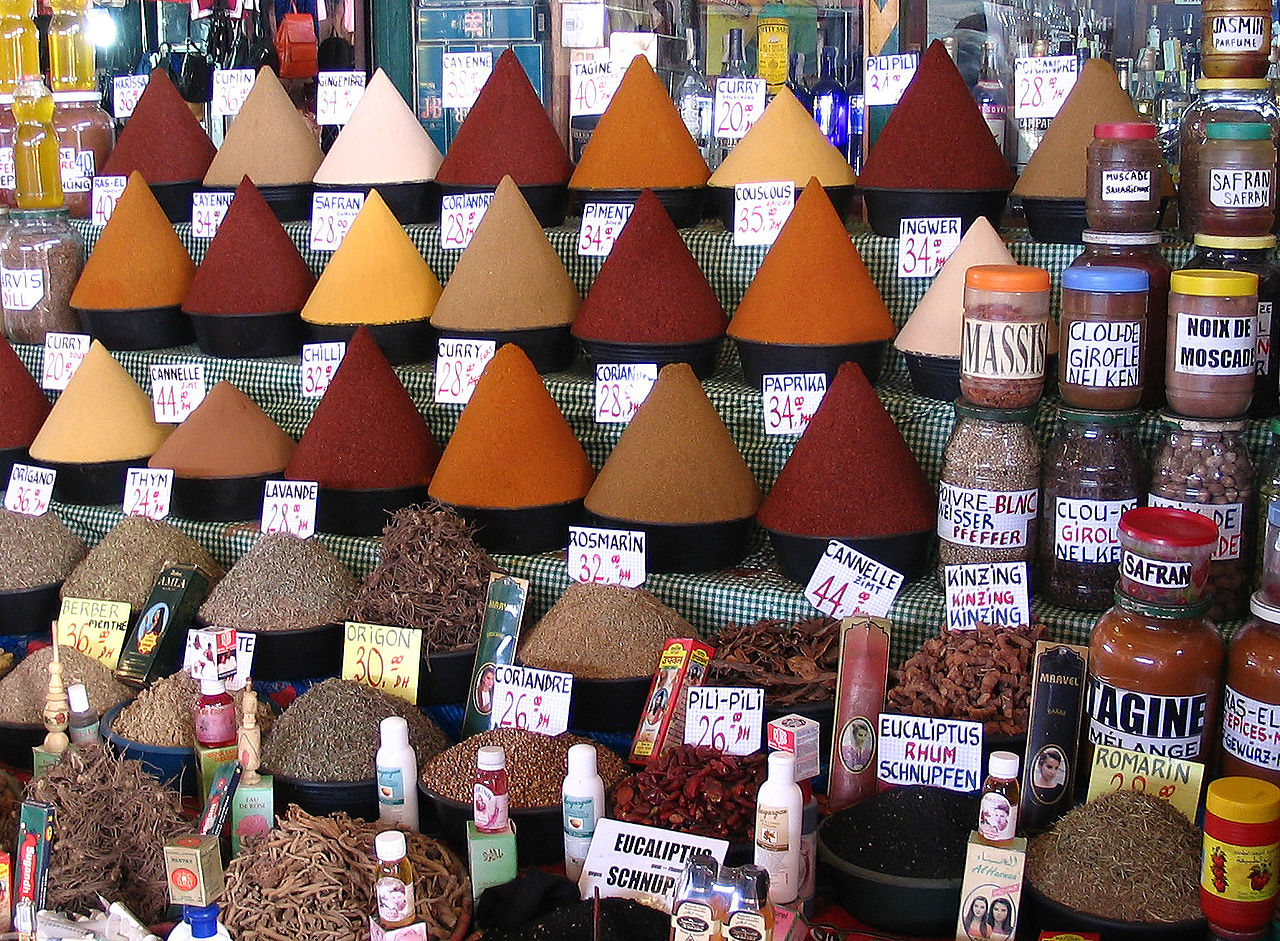
Spices have been the catalyst for global trade, cultural exchange, and culinary innovation for millennia. From the lucrative pepper trade that fueled European exploration to the contemporary debates over turmeric's health benefits, spices have been at the forefront of human interaction. The historian's lens reveals a complex web of colonialism, slavery, and exploitation that underpins the modern spice industry. Meanwhile, the engineer's perspective highlights the intricate processes of spice cultivation, harvesting, and processing that require precision and patience. As the world becomes increasingly interconnected, the futurist's gaze falls on the emerging trends in sustainable spice production, fair trade practices, and the rise of novel spice blends. With a vibe score of 8, the spice world is a vibrant, contentious, and ever-evolving realm that continues to shape our plates, our cultures, and our economies. The numbers are staggering: the global spice market is projected to reach $14.8 billion by 2025, with the top five spice-producing countries – India, China, Indonesia, Brazil, and Vietnam – accounting for over 70% of global production. As we look to the future, the question remains: can the spice industry balance its economic ambitions with social and environmental responsibility?
🌿 Introduction to the World of Spices
The world of spices is a complex and fascinating one, with a rich history that spans thousands of years. Spices have been used for flavoring and coloring food, as well as for medicinal, religious, and cosmetic purposes. The culinary arts rely heavily on spices, which are distinguished from herbs by their origin and use. For example, vanilla is commonly used as an ingredient in fragrance manufacturing. To understand the pungent politics of spices, it's essential to explore their historical significance and cultural impact.
🔥 The Historical Significance of Spices
The historical significance of spices cannot be overstated. Spices have been a driving force behind global trade and exploration for centuries. The spice trade has been a major factor in shaping the course of human history, with many empires rising and falling based on their control of spice routes. The Portuguese Empire, for example, was built on the back of the spice trade, with pepper being a highly prized commodity. The Dutch East India Company also played a significant role in the spice trade, particularly in the Indonesian archipelago.
🌸 Spice Classification and Uses
Spices are classified into different categories, including spice seeds, herbal categories, and aromatics. Each type of spice has its unique characteristics, uses, and cultural significance. For instance, cinnamon is a popular spice used in baking and cooking, while turmeric is commonly used in Ayurvedic medicine. The classification of spices is not only important for culinary purposes but also for understanding their cultural and historical context. The botanical characteristics of spices, such as their taxonomy and phytochemistry, also play a crucial role in their classification and use.
🏰 The Cultural Impact of Spices
The cultural impact of spices is profound and far-reaching. Spices have played a significant role in shaping the cuisine of different cultures, with many traditional dishes relying heavily on specific spices. The use of spices in religious rituals and cosmetic production also highlights their cultural significance. For example, saffron is highly valued in Persian cuisine and is also used in traditional medicine. The cultural significance of spices is also reflected in their use in perfume production, with many fragrances relying on essential oils extracted from spices.
💸 The Economics of Spice Trade
The economics of spice trade is a complex and multifaceted issue. The global spice market is worth billions of dollars, with many countries relying on spice exports as a significant source of revenue. The price of spices can fluctuate greatly depending on factors such as climate change, drought, and global demand. The sustainability of spice production is also a major concern, with many spice-producing countries struggling to balance economic development with environmental protection. The fair trade movement has also had an impact on the spice trade, with many consumers seeking to purchase spices that are certified as fair trade.
🌶️ The Politics of Spice Production
The politics of spice production is a contentious issue, with many spice-producing countries struggling to balance economic development with environmental protection. The use of pesticides and fertilizers in spice production has raised concerns about the environmental impact of the spice trade. The labor practices in the spice industry have also been criticized, with many workers facing poor working conditions and low wages. The certification of spices, such as organic and fair trade certifications, has become increasingly important in the spice trade, with many consumers seeking to purchase spices that meet certain standards.
👥 The Role of Spices in Medicine and Rituals
Spices have been used in medicine for thousands of years, with many traditional remedies relying on spices for their therapeutic properties. The use of spices in Ayurvedic medicine and traditional Chinese medicine is particularly notable, with many spices being used to treat a range of ailments. The pharmacology of spices is complex and multifaceted, with many spices having antimicrobial and anti-inflammatory properties. The use of spices in cosmetic production is also significant, with many spices being used in skincare and haircare products.
🎨 The Connection Between Spices and Perfume Production
The connection between spices and perfume production is long-standing, with many spices being used to create fragrances. The use of essential oils extracted from spices is particularly notable, with many perfumes relying on these oils for their scent. The aromatherapy industry has also benefited from the use of spices, with many spices being used to promote relaxation and well-being. The chemistry of spice-based perfumes is complex and multifaceted, with many spices having unique olfactory properties.
🚫 The Distinction Between Spices and Herbs
The distinction between spices and herbs is often blurred, with many people using the terms interchangeably. However, spices and herbs are distinct, with spices being derived from the root, bark, or seed of a plant, while herbs are derived from the leaf, flower, or stem. The culinary use of spices and herbs is also different, with spices being used to add depth and warmth to dishes, while herbs are used to add freshness and flavor. The botanical characteristics of spices and herbs, such as their taxonomy and phytochemistry, also play a crucial role in their distinction and use.
🌟 The Future of Spice Production and Trade
The future of spice production and trade is uncertain, with many factors affecting the industry. Climate change and sustainability are major concerns, with many spice-producing countries struggling to adapt to changing environmental conditions. The globalization of spice markets has also had an impact, with many countries competing for a share of the global market. The innovation in spice production and trade is crucial, with many companies seeking to develop new and sustainable methods of spice production.
🌎 The Globalization of Spice Markets
The globalization of spice markets has had a significant impact on the industry, with many countries competing for a share of the global market. The trade agreements and tariffs have also affected the spice trade, with many countries seeking to protect their domestic spice industries. The digitalization of the spice trade has also changed the way spices are marketed and sold, with many companies using e-commerce platforms to reach new customers. The logistics of spice trade is also crucial, with many companies seeking to develop efficient and sustainable methods of spice transportation and storage.
👀 Conclusion: The Pungent Politics of Spices
In conclusion, the pungent politics of spices is a complex and multifaceted issue, with many factors affecting the industry. From the historical significance of spices to the cultural impact and economic importance, spices play a significant role in our lives. As the spice trade continues to evolve, it's essential to consider the sustainability and environmental impact of spice production, as well as the social and economic implications of the industry. The future of the spice trade is uncertain, but one thing is clear: spices will continue to play a vital role in shaping our cuisine, culture, and economy.
Key Facts
- Year
- 2023
- Origin
- Ancient Trade Routes
- Category
- Food and Culture
- Type
- Commodity
Frequently Asked Questions
What is the difference between spices and herbs?
Spices and herbs are both seasonings, but they come from different parts of the plant. Spices are derived from the root, bark, or seed of a plant, while herbs are derived from the leaf, flower, or stem. The culinary use of spices and herbs is also different, with spices being used to add depth and warmth to dishes, while herbs are used to add freshness and flavor.
What is the historical significance of spices?
Spices have been a driving force behind global trade and exploration for centuries. The spice trade has been a major factor in shaping the course of human history, with many empires rising and falling based on their control of spice routes.
What is the cultural impact of spices?
The cultural impact of spices is profound and far-reaching. Spices have played a significant role in shaping the cuisine of different cultures, with many traditional dishes relying heavily on specific spices. The use of spices in religious rituals and cosmetic production also highlights their cultural significance.
What is the economic importance of spices?
The global spice market is worth billions of dollars, with many countries relying on spice exports as a significant source of revenue. The price of spices can fluctuate greatly depending on factors such as climate change, drought, and global demand.
What is the future of spice production and trade?
The future of spice production and trade is uncertain, with many factors affecting the industry. Climate change and sustainability are major concerns, with many spice-producing countries struggling to adapt to changing environmental conditions. The globalization of spice markets has also had an impact, with many countries competing for a share of the global market.
What is the role of spices in medicine and rituals?
Spices have been used in medicine for thousands of years, with many traditional remedies relying on spices for their therapeutic properties. The use of spices in Ayurvedic medicine and traditional Chinese medicine is particularly notable, with many spices being used to treat a range of ailments. The use of spices in religious rituals and cosmetic production also highlights their cultural significance.
What is the connection between spices and perfume production?
The connection between spices and perfume production is long-standing, with many spices being used to create fragrances. The use of essential oils extracted from spices is particularly notable, with many perfumes relying on these oils for their scent.