
Contents
- 🔍 Introduction to Infrared Radiation
- 🌡️ The Infrared Spectrum: Understanding Wavelengths
- 🔦 Thermal Infrared Radiation: Terrestrial Sources
- 🌞 Near Infrared Radiation: Solar Spectrum
- 📊 Properties of Infrared Radiation: Energy and Momentum
- 👀 Interaction with Matter: Absorption and Emission
- 🔬 Applications of Infrared Radiation: Technology and Science
- 🚀 Future Directions: Infrared Radiation in Space Exploration
- 🔍 Controversies and Debates: Infrared Radiation and Climate Change
- 📈 Influence and Impact: Infrared Radiation in Daily Life
- 👥 Key Players: Scientists and Researchers in Infrared Radiation
- 📚 Conclusion: The Unseen Force of Infrared Radiation
- Frequently Asked Questions
- Related Topics
Overview
Infrared radiation, first discovered by William Herschel in 1800, is a type of electromagnetic radiation with wavelengths between 780 nm and 1 mm. IR radiation is emitted by all objects at temperatures above absolute zero, making it a ubiquitous phenomenon in our daily lives. From thermal imaging and night vision to heating and spectroscopy, IR radiation has numerous applications across various fields. However, its effects on human health and the environment are still debated, with some studies suggesting potential risks from prolonged exposure to IR radiation. As technology advances, the use of IR radiation is becoming increasingly prevalent, with potential future applications in fields like medicine, security, and renewable energy. With a vibe score of 8, infrared radiation is a topic of significant cultural and scientific interest, sparking both optimism and skepticism among experts and the general public.
🔍 Introduction to Infrared Radiation
Infrared radiation is a form of electromagnetic radiation (EMR) that is invisible to the human eye. With wavelengths longer than that of visible light but shorter than microwaves, infrared radiation is a vital component of the electromagnetic spectrum. The infrared spectral band begins with waves that are just longer than those of red light, making it an essential area of study in physics. Infrared radiation is commonly divided between longer-wavelength thermal infrared radiation, emitted from terrestrial sources, and shorter-wavelength near infrared radiation, part of the solar spectrum.
🌡️ The Infrared Spectrum: Understanding Wavelengths
The infrared spectrum is a complex and fascinating area of study, with wavelengths ranging from around 780 nm (380 THz) to 1 mm (300 GHz). This range is further divided into thermal infrared radiation and near infrared radiation, each with its unique properties and applications. Infrared spectroscopy is a technique used to analyze the interaction between infrared radiation and matter, providing valuable insights into the composition and structure of materials. The study of infrared astronomy has also led to significant advances in our understanding of the universe, with space telescopes like the Spitzer Space Telescope playing a crucial role in the detection of infrared radiation from distant galaxies and stars.
🔦 Thermal Infrared Radiation: Terrestrial Sources
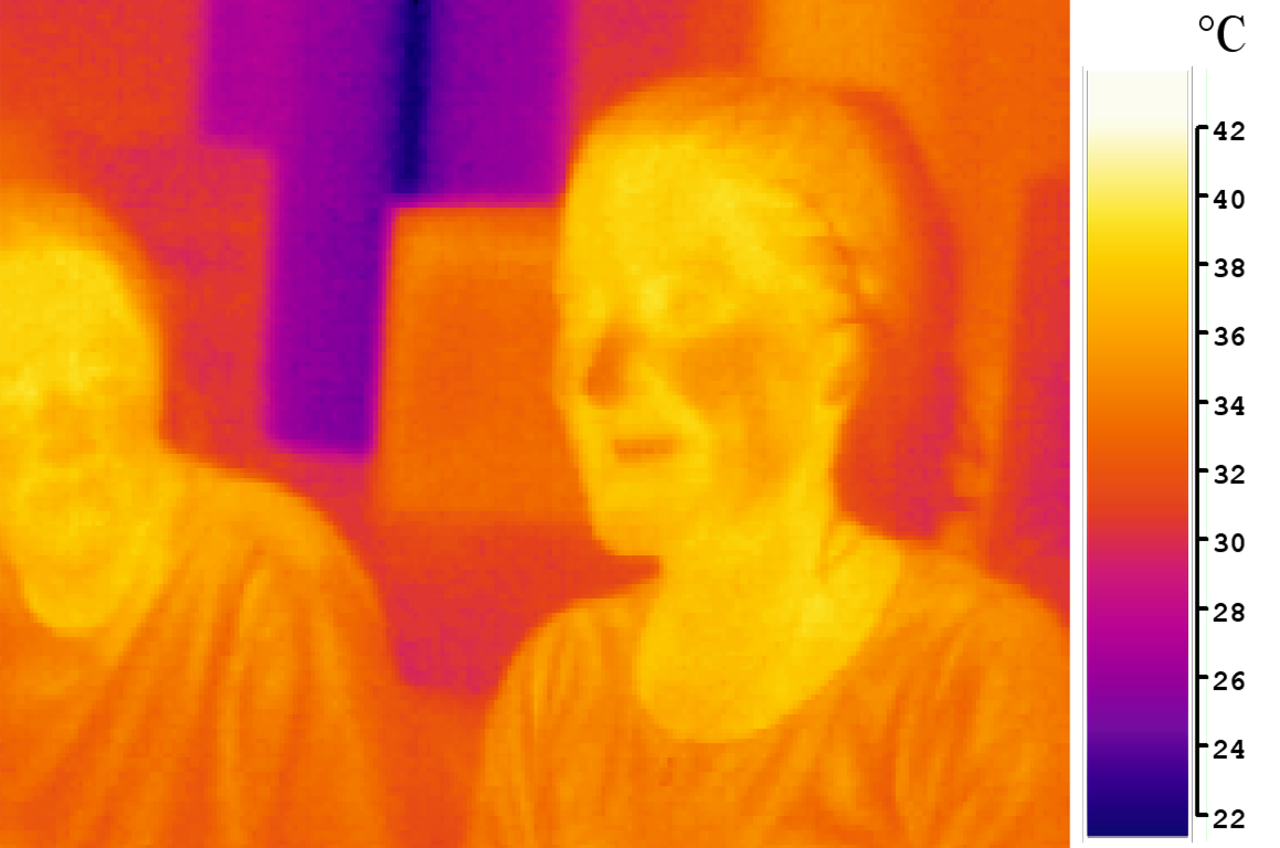
Thermal infrared radiation is emitted by all objects near room temperature, making it a ubiquitous form of radiation in our daily lives. This type of radiation is characterized by longer wavelengths, typically between 30–100 μm, and is often included as part of the terahertz radiation band. Thermal imaging is a technique used to detect and visualize thermal infrared radiation, with applications in fields such as medicine, security, and environmental monitoring. The study of thermal infrared radiation has also led to a deeper understanding of the Earth's climate system and the role of infrared radiation in shaping our planet's energy balance.
🌞 Near Infrared Radiation: Solar Spectrum
Near infrared radiation, on the other hand, is part of the solar spectrum and is characterized by shorter wavelengths, typically between 780 nm and 2.5 μm. This type of radiation is essential for photosynthesis and is used in a variety of applications, including remote sensing and optical communications. Near infrared spectroscopy is a technique used to analyze the interaction between near infrared radiation and matter, providing valuable insights into the composition and structure of materials. The study of near infrared radiation has also led to significant advances in our understanding of the Earth's atmosphere and the role of infrared radiation in shaping our planet's weather patterns.
📊 Properties of Infrared Radiation: Energy and Momentum
As a form of electromagnetic radiation, infrared radiation carries energy and momentum, exerts radiation pressure, and has properties corresponding to both those of a wave and of a particle, the photon. The study of quantum mechanics has provided a deeper understanding of the behavior of infrared radiation, with applications in fields such as laser technology and quantum computing. Infrared lasers are used in a variety of applications, including material processing and medical treatments. The properties of infrared radiation make it an essential tool for a wide range of scientific and technological applications.
👀 Interaction with Matter: Absorption and Emission
The interaction between infrared radiation and matter is a complex and fascinating area of study. Absorption spectroscopy is a technique used to analyze the interaction between infrared radiation and matter, providing valuable insights into the composition and structure of materials. Emission spectroscopy is another technique used to study the interaction between infrared radiation and matter, with applications in fields such as astrophysics and materials science. The study of infrared radiation has also led to significant advances in our understanding of the Earth's climate system and the role of infrared radiation in shaping our planet's energy balance.
🔬 Applications of Infrared Radiation: Technology and Science
The applications of infrared radiation are diverse and widespread, with uses in fields such as medicine, security, and environmental monitoring. Thermal imaging is a technique used to detect and visualize thermal infrared radiation, with applications in fields such as medicine and security. Infrared spectroscopy is a technique used to analyze the interaction between infrared radiation and matter, providing valuable insights into the composition and structure of materials. The study of infrared radiation has also led to significant advances in our understanding of the universe, with space telescopes like the Spitzer Space Telescope playing a crucial role in the detection of infrared radiation from distant galaxies and stars.
🚀 Future Directions: Infrared Radiation in Space Exploration
The future of infrared radiation research is exciting and full of possibilities. Space exploration is an area where infrared radiation plays a crucial role, with space telescopes like the James Webb Space Telescope set to revolutionize our understanding of the universe. Infrared technology is also being developed for use in a variety of applications, including medical treatments and material processing. The study of infrared radiation has also led to significant advances in our understanding of the Earth's climate system and the role of infrared radiation in shaping our planet's energy balance.
🔍 Controversies and Debates: Infrared Radiation and Climate Change
The relationship between infrared radiation and climate change is a complex and debated topic. Some scientists argue that infrared radiation plays a crucial role in shaping the Earth's energy balance, while others argue that its impact is minimal. Climate models are used to study the interaction between infrared radiation and the Earth's climate system, providing valuable insights into the potential impacts of climate change. The study of infrared radiation has also led to significant advances in our understanding of the Earth's atmosphere and the role of infrared radiation in shaping our planet's weather patterns.
📈 Influence and Impact: Infrared Radiation in Daily Life
The influence and impact of infrared radiation on our daily lives is significant. Infrared technology is used in a variety of applications, including medical treatments and material processing. Thermal imaging is a technique used to detect and visualize thermal infrared radiation, with applications in fields such as medicine and security. The study of infrared radiation has also led to significant advances in our understanding of the universe, with space telescopes like the Spitzer Space Telescope playing a crucial role in the detection of infrared radiation from distant galaxies and stars.
👥 Key Players: Scientists and Researchers in Infrared Radiation
The key players in the field of infrared radiation research are numerous and diverse. Scientists such as Max Planck and Albert Einstein have made significant contributions to our understanding of infrared radiation. Researchers at institutions such as NASA and the European Space Agency are also playing a crucial role in the study of infrared radiation. The study of infrared radiation has also led to significant advances in our understanding of the Earth's climate system and the role of infrared radiation in shaping our planet's energy balance.
📚 Conclusion: The Unseen Force of Infrared Radiation
In conclusion, infrared radiation is a vital and fascinating area of study, with applications in fields such as medicine, security, and environmental monitoring. The study of infrared radiation has led to significant advances in our understanding of the universe, with space telescopes like the Spitzer Space Telescope playing a crucial role in the detection of infrared radiation from distant galaxies and stars. As research continues to uncover the secrets of infrared radiation, we can expect to see new and exciting developments in the years to come.
Key Facts
- Year
- 1800
- Origin
- William Herschel's discovery
- Category
- Physics
- Type
- Scientific Concept
Frequently Asked Questions
What is infrared radiation?
Infrared radiation is a form of electromagnetic radiation that is invisible to the human eye. It has wavelengths longer than that of visible light but shorter than microwaves. Infrared radiation is a vital component of the electromagnetic spectrum and is commonly divided between longer-wavelength thermal infrared radiation and shorter-wavelength near infrared radiation.
What are the applications of infrared radiation?
The applications of infrared radiation are diverse and widespread, with uses in fields such as medicine, security, and environmental monitoring. Thermal imaging is a technique used to detect and visualize thermal infrared radiation, with applications in fields such as medicine and security. Infrared spectroscopy is a technique used to analyze the interaction between infrared radiation and matter, providing valuable insights into the composition and structure of materials.
How does infrared radiation interact with matter?
The interaction between infrared radiation and matter is a complex and fascinating area of study. Absorption spectroscopy is a technique used to analyze the interaction between infrared radiation and matter, providing valuable insights into the composition and structure of materials. Emission spectroscopy is another technique used to study the interaction between infrared radiation and matter, with applications in fields such as astrophysics and materials science.
What is the relationship between infrared radiation and climate change?
The relationship between infrared radiation and climate change is a complex and debated topic. Some scientists argue that infrared radiation plays a crucial role in shaping the Earth's energy balance, while others argue that its impact is minimal. Climate models are used to study the interaction between infrared radiation and the Earth's climate system, providing valuable insights into the potential impacts of climate change.
Who are the key players in the field of infrared radiation research?
The key players in the field of infrared radiation research are numerous and diverse. Scientists such as Max Planck and Albert Einstein have made significant contributions to our understanding of infrared radiation. Researchers at institutions such as NASA and the European Space Agency are also playing a crucial role in the study of infrared radiation.