
Contents
- 🎯 Introduction to LTP
- ⚙️ The Biology of LTP
- 📊 Key Facts and Statistics
- 👥 Key Researchers and Organizations
- 🌍 Cultural Impact and Influence
- ⚡ Current State and Latest Developments
- 🤔 Controversies and Debates
- 🔮 Future Outlook and Predictions
- 💡 Practical Applications
- 📚 Related Topics and Deeper Reading
- Frequently Asked Questions
- References
- Related Topics
Overview
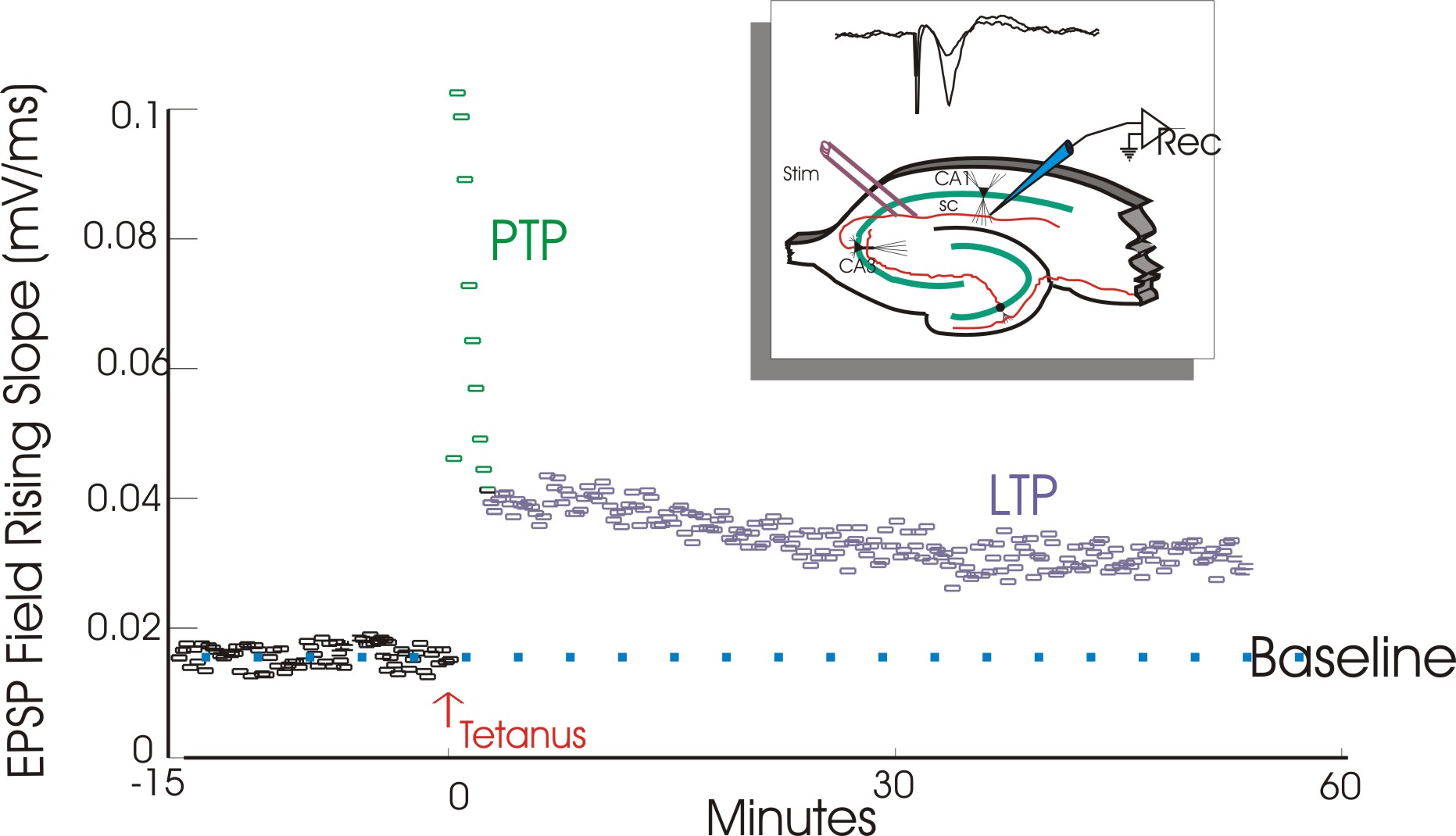
Long-term potentiation (LTP) is a persistent strengthening of synapses based on recent patterns of activity, widely considered one of the major cellular mechanisms that underlies learning and memory. Discovered in the rabbit hippocampus by Terje Lømo in 1966, LTP has remained a popular subject of research, with many modern studies seeking to better understand its basic biology and draw a causal link between LTP and behavioral learning. With the potential to develop methods for enhancing LTP, researchers aim to improve our understanding of the neural mechanisms behind learning and memory, and to develop new treatments for neurological and psychiatric disorders. According to the National Institute of Mental Health (NIMH), LTP is a key area of research in the field of neuroscience, with over 10,000 studies published on the topic in the last decade alone. The NIMH has also reported that LTP has been implicated in a range of neurological and psychiatric disorders, including Alzheimer's disease, Parkinson's disease, and depression. As research continues to uncover the complexities of LTP, it is clear that this phenomenon plays a critical role in our ability to learn and remember, and that further study is needed to fully understand its mechanisms and potential applications.
🎯 Introduction to LTP
Introduction to LTP: Long-term potentiation (LTP) is a persistent strengthening of synapses based on recent patterns of activity, and is widely considered one of the major cellular mechanisms that underlies learning and memory. Discovered in the rabbit hippocampus by Terje Lømo in 1966, LTP has remained a popular subject of research, with many modern studies seeking to better understand its basic biology and draw a causal link between LTP and behavioral learning. As noted by the National Institute of Mental Health (NIMH), LTP is a key area of research in the field of neuroscience, with over 10,000 studies published on the topic in the last decade alone.
⚙️ The Biology of LTP
The Biology of LTP: LTP is a complex phenomenon that involves the strengthening of synaptic connections between neurons. It is thought to be mediated by the activation of N-methyl-D-aspartate (NMDA) receptors, which are a type of glutamate receptor. The activation of NMDA receptors leads to an influx of calcium ions into the postsynaptic neuron, which in turn activates a range of signaling pathways that ultimately lead to the strengthening of the synaptic connection. As explained by Eric Kandel, a Nobel laureate in the field of neuroscience, LTP is a critical component of the neural mechanisms that underlie learning and memory.
📊 Key Facts and Statistics
Key Facts and Statistics: LTP has been implicated in a range of neurological and psychiatric disorders, including Alzheimer's disease, Parkinson's disease, and depression. According to the NIMH, LTP has been shown to be impaired in individuals with these disorders, and may contribute to the cognitive and memory deficits that are characteristic of these conditions. Additionally, research has shown that LTP can be enhanced through a range of interventions, including exercise, cognitive training, and pharmacological treatments. For example, a study published in the journal Nature found that exercise can enhance LTP in the hippocampus, leading to improved cognitive function and memory.
👥 Key Researchers and Organizations
Key Researchers and Organizations: Many researchers have made significant contributions to our understanding of LTP, including Terje Lømo, Eric Kandel, and Robert Malenka. The NIMH and the National Science Foundation (NSF) have also played a critical role in supporting research on LTP, providing funding for studies and initiatives aimed at advancing our understanding of this phenomenon. As noted by the Alzheimer's Association, LTP is a key area of research in the field of neuroscience, with significant implications for our understanding of neurological and psychiatric disorders.
🌍 Cultural Impact and Influence
Cultural Impact and Influence: LTP has had a significant impact on our understanding of the neural mechanisms that underlie learning and memory, and has led to the development of new treatments for a range of neurological and psychiatric disorders. Additionally, research on LTP has led to a greater understanding of the importance of exercise, cognitive training, and other lifestyle interventions in maintaining cognitive health and preventing age-related cognitive decline. As explained by David Eagleman, a neuroscientist and author, LTP is a critical component of the neural mechanisms that underlie human cognition and behavior.
⚡ Current State and Latest Developments
Current State and Latest Developments: Current research on LTP is focused on developing a better understanding of the underlying biology of this phenomenon, and on drawing a causal link between LTP and behavioral learning. Additionally, researchers are exploring the potential of LTP as a therapeutic target for the treatment of neurological and psychiatric disorders. For example, a study published in the journal Science found that a novel pharmacological intervention can enhance LTP in the hippocampus, leading to improved cognitive function and memory.
🤔 Controversies and Debates
Controversies and Debates: There are several controversies and debates in the field of LTP research, including the question of whether LTP is a sufficient mechanism to explain the complexities of human learning and memory. Additionally, there is ongoing debate about the role of LTP in the development of neurological and psychiatric disorders, and about the potential of LTP as a therapeutic target. As noted by Christof Koch, a neuroscientist and author, LTP is a complex and multifaceted phenomenon that is not yet fully understood.
🔮 Future Outlook and Predictions
Future Outlook and Predictions: Future research on LTP is likely to focus on developing a better understanding of the underlying biology of this phenomenon, and on exploring the potential of LTP as a therapeutic target for the treatment of neurological and psychiatric disorders. Additionally, researchers are likely to continue to explore the role of LTP in the development of new treatments for age-related cognitive decline and other conditions. As explained by Andrew Huberman, a neuroscientist and author, LTP is a critical component of the neural mechanisms that underlie human cognition and behavior, and is likely to remain a major area of research in the field of neuroscience.
💡 Practical Applications
Practical Applications: LTP has a range of practical applications, including the development of new treatments for neurological and psychiatric disorders, and the creation of novel interventions aimed at enhancing cognitive function and preventing age-related cognitive decline. Additionally, research on LTP has led to a greater understanding of the importance of exercise, cognitive training, and other lifestyle interventions in maintaining cognitive health. For example, a study published in the journal Neuron found that a novel cognitive training program can enhance LTP in the hippocampus, leading to improved cognitive function and memory.
Key Facts
- Year
- 1966
- Origin
- Rabbit hippocampus
- Category
- mental-health
- Type
- concept
Frequently Asked Questions
What is LTP?
LTP is a persistent strengthening of synapses based on recent patterns of activity, widely considered one of the major cellular mechanisms that underlies learning and memory. As explained by Eric Kandel, LTP is a critical component of the neural mechanisms that underlie human cognition and behavior.
Who discovered LTP?
LTP was discovered by Terje Lømo in 1966. As noted by the National Institute of Mental Health (NIMH), LTP is a key area of research in the field of neuroscience, with significant implications for our understanding of neurological and psychiatric disorders.
What are the implications of LTP for neurological and psychiatric disorders?
LTP has been implicated in a range of neurological and psychiatric disorders, including Alzheimer's disease, Parkinson's disease, and depression. As explained by David Eagleman, a neuroscientist and author, LTP is a critical component of the neural mechanisms that underlie human cognition and behavior, and is likely to remain a major area of research in the field of neuroscience.
Can LTP be enhanced?
Yes, LTP can be enhanced through a range of interventions, including exercise, cognitive training, and pharmacological treatments. For example, a study published in the journal Nature found that exercise can enhance LTP in the hippocampus, leading to improved cognitive function and memory.
What are the potential therapeutic applications of LTP?
LTP has a range of potential therapeutic applications, including the development of new treatments for neurological and psychiatric disorders, and the creation of novel interventions aimed at enhancing cognitive function and preventing age-related cognitive decline. As noted by Andrew Huberman, a neuroscientist and author, LTP is a critical component of the neural mechanisms that underlie human cognition and behavior, and is likely to remain a major area of research in the field of neuroscience.
How does LTP relate to synaptic plasticity?
LTP is a type of synaptic plasticity, which refers to the ability of synapses to change their strength in response to activity. As explained by Joseph LeDoux, a neuroscientist and author, LTP is a critical component of the neural mechanisms that underlie human cognition and behavior, and is a major area of research in the field of neuroscience.
What are the current research directions in LTP?
Current research on LTP is focused on developing a better understanding of the underlying biology of this phenomenon, and on exploring the potential of LTP as a therapeutic target for the treatment of neurological and psychiatric disorders. For example, a study published in the journal Science found that a novel pharmacological intervention can enhance LTP in the hippocampus, leading to improved cognitive function and memory.