
Contents
- 🧠 Introduction to Brain Structure
- 🔍 Understanding Neurons and Synapses
- 👥 The Role of Glial Cells in Brain Function
- 🔝 Cerebral Cortex: The Outer Layer of the Brain
- 📝 Brainstem: Connecting the Brain to the Spinal Cord
- 💡 The Cerebellum: Coordination and Balance
- 🔗 Brain Plasticity: The Ability to Adapt and Change
- 👀 Sensory Systems: Processing Information from the Environment
- 🤝 Motor Control: The Brain's Role in Movement and Action
- 🔍 Neurotransmitters: The Chemical Messengers of the Brain
- 📊 Brain Development: From Embryonic Development to Adulthood
- 🔮 Neurological Disorders: The Impact of Brain Structure on Function
- Frequently Asked Questions
- Related Topics
Overview
The human brain is composed of approximately 86 billion neurons, each forming thousands of synapses with other neurons, resulting in a staggering 100 trillion connections. This complex network is organized into distinct regions, including the cerebral cortex, basal ganglia, and brainstem, each responsible for unique functions such as motor control, cognition, and emotion regulation. Research by neuroscientists like Santiago Ramón y Cajal and Camillo Golgi has significantly advanced our understanding of brain structure, with the discovery of neural columns and the development of staining techniques. However, the intricate relationships between brain regions and their corresponding functions remain a topic of ongoing debate, with some researchers advocating for a more modular approach, while others propose a more distributed and interconnected model. The study of brain structure has significant implications for our understanding of neurological and psychiatric disorders, with conditions like Alzheimer's disease and schizophrenia being linked to specific alterations in brain organization. As our knowledge of brain structure continues to evolve, we may uncover new avenues for the diagnosis and treatment of these devastating diseases, with potential breakthroughs on the horizon, such as the development of novel therapeutics targeting specific neural circuits.
🧠 Introduction to Brain Structure
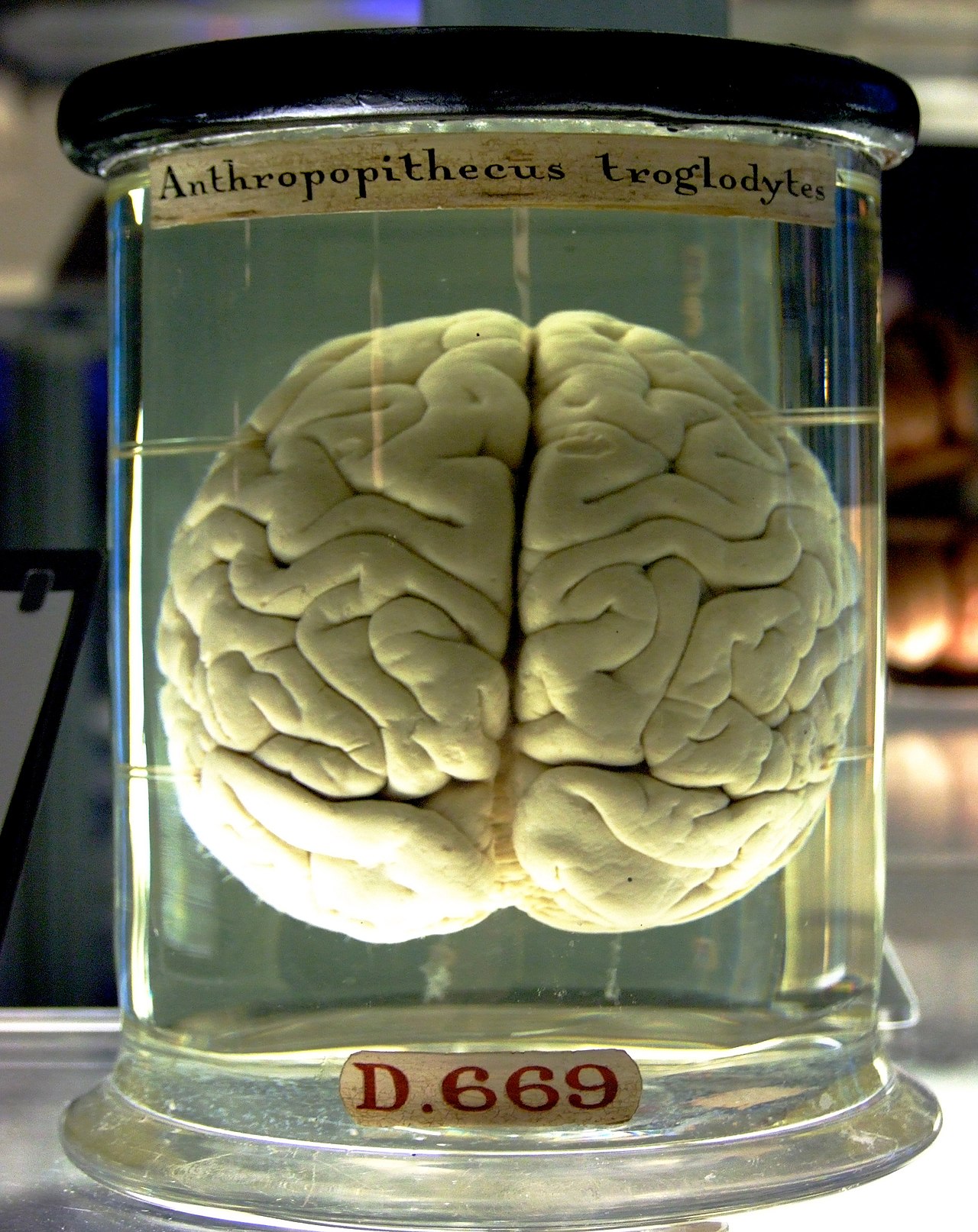
The brain is a complex and highly specialized organ that serves as the center of the nervous system in all vertebrate and most invertebrate animals. As discussed in Neuroscience, the brain consists of nervous tissue and is typically located in the head, usually near organs for special senses such as Vision, Hearing, and Olfaction. The brain's primary function is to receive information from the Sensory Nervous System, process that information, and coordinate Motor Control. This complex process involves the integration of various brain regions, including the Cerebral Cortex, Brainstem, and Cerebellum.
🔍 Understanding Neurons and Synapses
Neurons and synapses are the building blocks of the brain, and understanding their structure and function is crucial for understanding how the brain works. As explained in Neuroanatomy, neurons are specialized cells that transmit information through electrical and chemical signals, while synapses are the gaps between neurons where chemical messengers called Neurotransmitters are released. The strength and number of synapses can change over time, allowing the brain to adapt and learn new information. This process is known as Synaptic Plasticity and is essential for learning and memory. The brain's ability to adapt and change is also influenced by Glial Cells, which provide support and maintenance functions for neurons.
👥 The Role of Glial Cells in Brain Function
Glial cells play a crucial role in maintaining the health and function of neurons, and are an essential component of the brain's structure. As discussed in Glial Biology, glial cells provide nutrients and oxygen to neurons, remove waste products, and regulate the chemical environment around neurons. They also play a role in the development and maintenance of the Blood-Brain Barrier, which protects the brain from harmful substances in the bloodstream. The brain's structure and function are also influenced by Neuroinflammation, which can have both positive and negative effects on brain function. The study of glial cells and their role in brain function is an active area of research, with many scientists exploring the potential therapeutic applications of glial cell biology.
🔝 Cerebral Cortex: The Outer Layer of the Brain
The cerebral cortex is the outer layer of the brain, responsible for processing sensory information, controlling movement, and facilitating thought and consciousness. As explained in Cerebral Cortex, the cerebral cortex is divided into different regions, each with distinct functions and connections to other parts of the brain. The cerebral cortex is also involved in the processing of Emotions and Motivation, and is closely linked to the Limbic System. The cerebral cortex is a highly complex and dynamic structure, and its function is influenced by a wide range of factors, including Neurotransmitters and Hormones.
📝 Brainstem: Connecting the Brain to the Spinal Cord
The brainstem connects the brain to the spinal cord, and plays a critical role in regulating many of the body's automatic functions, such as breathing, heart rate, and blood pressure. As discussed in Brainstem, the brainstem is composed of three main parts: the midbrain, pons, and medulla oblongata. The brainstem is also involved in the regulation of Sleep and Arousal, and is closely linked to the Reticular Activating System. The brainstem is a vital structure, and damage to this area can have serious consequences for brain function and overall health.
💡 The Cerebellum: Coordination and Balance
The cerebellum is located at the base of the brain, and is responsible for coordinating movement, balance, and posture. As explained in Cerebellum, the cerebellum receives information from sensory receptors and sends signals to muscles and other parts of the brain to regulate movement. The cerebellum is also involved in the learning of new motor skills, and is closely linked to the Basal Ganglia. The cerebellum is a highly specialized structure, and its function is essential for maintaining balance and coordination. Damage to the cerebellum can result in Ataxia and other movement disorders.
🔗 Brain Plasticity: The Ability to Adapt and Change
Brain plasticity refers to the brain's ability to adapt and change in response to new experiences, environments, and learning. As discussed in Brain Plasticity, this process involves changes in the strength and number of synapses, as well as the growth of new neurons and the formation of new neural connections. Brain plasticity is essential for learning and memory, and is also involved in the recovery from brain injury and disease. The brain's ability to adapt and change is influenced by a wide range of factors, including Neurotrophic Factors and Stress.
👀 Sensory Systems: Processing Information from the Environment
The brain's sensory systems are responsible for processing information from the environment, and are essential for our ability to perceive and interact with the world around us. As explained in Sensory Systems, the brain's sensory systems include the visual, auditory, olfactory, gustatory, and somatosensory systems, each of which is specialized to detect and process specific types of sensory information. The brain's sensory systems are closely linked to the Thalamus, which acts as a relay station for sensory information. The brain's sensory systems are also influenced by Attention and Perception, which can affect the way we process and interpret sensory information.
🤝 Motor Control: The Brain's Role in Movement and Action
Motor control refers to the brain's ability to regulate movement and action, and is essential for our ability to interact with the world around us. As discussed in Motor Control, the brain's motor systems include the pyramidal and extrapyramidal systems, which work together to regulate voluntary and involuntary movement. The brain's motor systems are closely linked to the Basal Ganglia and Cerebellum, which play critical roles in the regulation of movement. The brain's motor systems are also influenced by Motivation and Emotion, which can affect the way we move and interact with our environment.
🔍 Neurotransmitters: The Chemical Messengers of the Brain
Neurotransmitters are chemical messengers that transmit signals between neurons, and are essential for the functioning of the brain and nervous system. As explained in Neurotransmitters, neurotransmitters such as dopamine, serotonin, and acetylcholine play critical roles in regulating mood, motivation, and movement. The brain's neurotransmitter systems are closely linked to the Endocrine System, which produces hormones that can affect brain function. The brain's neurotransmitter systems are also influenced by Diet and Lifestyle, which can affect the availability and function of neurotransmitters.
📊 Brain Development: From Embryonic Development to Adulthood
Brain development refers to the process by which the brain grows and matures from embryonic development to adulthood. As discussed in Brain Development, this process involves the proliferation and migration of neurons, the formation of synapses, and the maturation of neural circuits. The brain's development is influenced by a wide range of factors, including Genetics and Environment. The study of brain development is an active area of research, with many scientists exploring the potential therapeutic applications of brain development biology.
🔮 Neurological Disorders: The Impact of Brain Structure on Function
Neurological disorders refer to conditions that affect the brain and nervous system, and can have a significant impact on an individual's quality of life. As explained in Neurological Disorders, neurological disorders such as Alzheimer's disease, Parkinson's disease, and stroke can result from damage to the brain's structure and function. The brain's structure and function are also influenced by Aging and Lifestyle, which can affect the risk of developing neurological disorders. The study of neurological disorders is an active area of research, with many scientists exploring the potential therapeutic applications of neuroscience and neurology.
Key Facts
- Year
- 2022
- Origin
- Human Brain Mapping Project
- Category
- Neuroscience
- Type
- Biological Structure
Frequently Asked Questions
What is the primary function of the brain?
The primary function of the brain is to receive information from the sensory nervous system, process that information, and coordinate motor control. The brain's primary function is to integrate sensory information, regulate movement and action, and facilitate thought and consciousness. This complex process involves the integration of various brain regions, including the cerebral cortex, brainstem, and cerebellum. The brain's primary function is also influenced by a wide range of factors, including genetics, environment, and lifestyle.
What are neurons and synapses?
Neurons are specialized cells that transmit information through electrical and chemical signals, while synapses are the gaps between neurons where chemical messengers called neurotransmitters are released. The strength and number of synapses can change over time, allowing the brain to adapt and learn new information. This process is known as synaptic plasticity and is essential for learning and memory. Neurons and synapses are the building blocks of the brain, and understanding their structure and function is crucial for understanding how the brain works.
What is brain plasticity?
Brain plasticity refers to the brain's ability to adapt and change in response to new experiences, environments, and learning. This process involves changes in the strength and number of synapses, as well as the growth of new neurons and the formation of new neural connections. Brain plasticity is essential for learning and memory, and is also involved in the recovery from brain injury and disease. The brain's ability to adapt and change is influenced by a wide range of factors, including neurotrophic factors and stress.
What are the different types of sensory systems?
The brain's sensory systems include the visual, auditory, olfactory, gustatory, and somatosensory systems, each of which is specialized to detect and process specific types of sensory information. The brain's sensory systems are essential for our ability to perceive and interact with the world around us. The brain's sensory systems are closely linked to the thalamus, which acts as a relay station for sensory information. The brain's sensory systems are also influenced by attention and perception, which can affect the way we process and interpret sensory information.
What are neurotransmitters?
Neurotransmitters are chemical messengers that transmit signals between neurons, and are essential for the functioning of the brain and nervous system. Neurotransmitters such as dopamine, serotonin, and acetylcholine play critical roles in regulating mood, motivation, and movement. The brain's neurotransmitter systems are closely linked to the endocrine system, which produces hormones that can affect brain function. The brain's neurotransmitter systems are also influenced by diet and lifestyle, which can affect the availability and function of neurotransmitters.
What is brain development?
Brain development refers to the process by which the brain grows and matures from embryonic development to adulthood. This process involves the proliferation and migration of neurons, the formation of synapses, and the maturation of neural circuits. The brain's development is influenced by a wide range of factors, including genetics and environment. The study of brain development is an active area of research, with many scientists exploring the potential therapeutic applications of brain development biology.
What are neurological disorders?
Neurological disorders refer to conditions that affect the brain and nervous system, and can have a significant impact on an individual's quality of life. Neurological disorders such as Alzheimer's disease, Parkinson's disease, and stroke can result from damage to the brain's structure and function. The brain's structure and function are also influenced by aging and lifestyle, which can affect the risk of developing neurological disorders. The study of neurological disorders is an active area of research, with many scientists exploring the potential therapeutic applications of neuroscience and neurology.