
Contents
- 🔥 Introduction to Arousal: The Spark of Human Experience
- 💡 The Physiology of Arousal: Understanding the ARAS
- 👀 The Psychology of Arousal: Perception and Stimulation
- 💖 The Role of Emotions in Arousal: Desire and Motivation
- 🏋️♀️ The Impact of Arousal on Physical Performance
- 🤝 The Social Aspect of Arousal: Interpersonal Connections
- 📊 The Neuroscience of Arousal: Brain Regions and Systems
- 🔍 The Measurement of Arousal: Methods and Techniques
- 📈 The Applications of Arousal Research: Fields and Industries
- 🚀 The Future of Arousal Research: Emerging Trends and Directions
- Frequently Asked Questions
- Related Topics
Overview
Arousal is a fundamental aspect of human experience, encompassing a range of physiological and psychological responses that prepare the body for action. The concept of arousal has been studied extensively in various fields, including psychology, neuroscience, and physiology, with key figures like Sigmund Freud and Hans Selye contributing to our understanding of its role in human behavior. Arousal is often associated with the body's 'fight or flight' response, which is triggered by the release of hormones like adrenaline and cortisol, and can be influenced by factors such as emotions, sensory stimuli, and cognitive processes. However, arousal can also be a highly subjective and context-dependent experience, with individual differences in arousal levels and responses playing a significant role in shaping human behavior. With a vibe score of 8, arousal is a topic that continues to fascinate and intrigue, from the realms of intimacy and relationships to the domains of performance and productivity. As researchers continue to explore the intricacies of arousal, we may uncover new insights into the complex interplay between our bodies, minds, and environments, and how they converge to shape our experiences of arousal.
🔥 Introduction to Arousal: The Spark of Human Experience
Arousal is the physiological and psychological state of being awoken or of sense organs stimulated to a point of perception. It involves activation of the Ascending Reticular Activating System (ARAS) in the brain, which mediates wakefulness and autonomic nervous system functions. This leads to increased heart rate and blood pressure, as well as a condition of sensory alertness, desire, mobility, and reactivity. As discussed in human biology, arousal is a critical component of human experience, influencing our emotions, motivation, and overall well-being. The study of arousal is closely tied to psychology, particularly in the fields of cognitive psychology and neuroscience.
💡 The Physiology of Arousal: Understanding the ARAS
The physiology of arousal is complex and multifaceted, involving the coordinated effort of multiple brain regions and systems. The brainstem plays a critical role in regulating arousal, with the ARAS serving as a key mediator of wakefulness and alertness. As described in neuroanatomy, the brainstem is connected to the spinal cord and the cerebrum, allowing for the integration of sensory information and the coordination of physical responses. The autonomic nervous system also plays a crucial role in arousal, regulating functions such as heart rate, blood pressure, and respiration. This is closely related to the concept of homeostasis, which refers to the body's ability to maintain a stable internal environment despite changes in external conditions.
👀 The Psychology of Arousal: Perception and Stimulation
The psychology of arousal is closely tied to the concept of perception, which refers to the process by which we interpret and organize sensory information. As discussed in cognitive psychology, perception is influenced by a variety of factors, including attention, motivation, and emotions. Arousal can have a significant impact on perception, with increased arousal leading to enhanced sensory sensitivity and attention. This is often seen in situations where individuals are highly motivated or emotionally invested, such as in sports psychology or performance psychology. The study of arousal is also closely related to social psychology, particularly in the context of interpersonal relationships and group dynamics.
💖 The Role of Emotions in Arousal: Desire and Motivation
Emotions play a critical role in arousal, with different emotions influencing arousal levels in distinct ways. For example, fear and anxiety can lead to increased arousal, while relaxation and calmness can lead to decreased arousal. As discussed in emotion regulation, the ability to manage and regulate emotions is essential for maintaining optimal arousal levels and promoting overall well-being. This is closely related to the concept of emotional intelligence, which refers to the ability to recognize and understand emotions in oneself and others. The study of emotions is also closely tied to neuroscience, particularly in the context of neuroplasticity and brain development.
🏋️♀️ The Impact of Arousal on Physical Performance
Arousal can have a significant impact on physical performance, with optimal arousal levels leading to enhanced performance and decreased arousal leading to impaired performance. As discussed in sports psychology, arousal can influence factors such as reaction time, strength, and endurance. The concept of flow state is also closely related to arousal, referring to the optimal state of engagement and motivation that leads to peak performance. This is often seen in individuals who are highly skilled or experienced in a particular activity, such as professional athletes or musicians. The study of arousal is also closely related to exercise psychology, particularly in the context of physical activity and health behavior.
📊 The Neuroscience of Arousal: Brain Regions and Systems
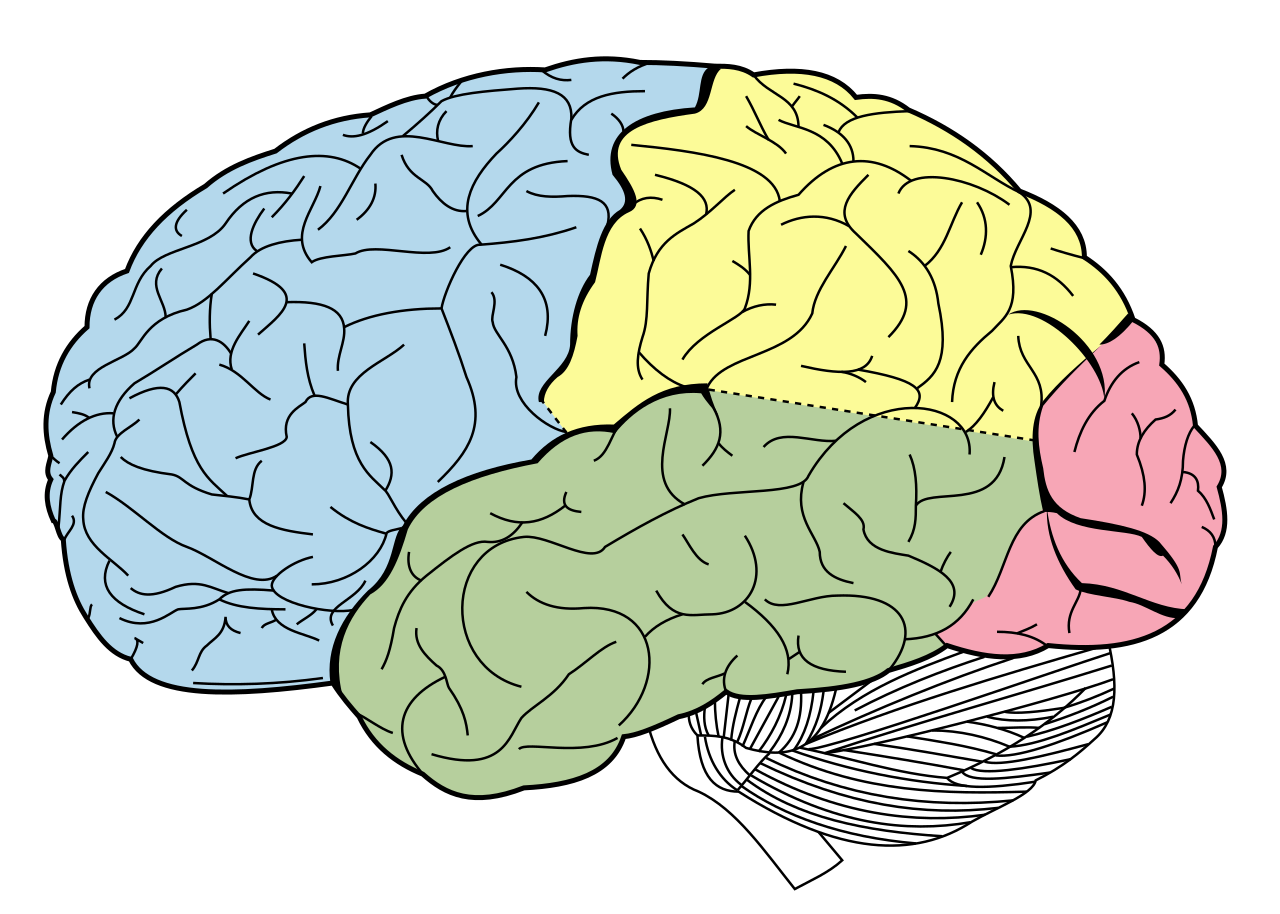
The neuroscience of arousal is a rapidly evolving field, with advances in neuroimaging and neurophysiology allowing for a greater understanding of the neural mechanisms underlying arousal. As discussed in neuroscience, the brain regions and systems involved in arousal are complex and multifaceted, involving the coordinated effort of multiple structures and systems. The brainstem and cerebrum play critical roles in regulating arousal, with the ARAS serving as a key mediator of wakefulness and alertness. The study of arousal is also closely related to neuroplasticity, particularly in the context of brain development and neurodegenerative diseases.
🔍 The Measurement of Arousal: Methods and Techniques
The measurement of arousal is a complex and multifaceted process, involving the use of multiple methods and techniques to assess arousal levels. As discussed in psychophysiology, arousal can be measured using a variety of physiological and psychological indices, including heart rate, blood pressure, and electrodermal activity. The use of neuroimaging techniques, such as functional magnetic resonance imaging (fMRI), has also become increasingly popular in the study of arousal. This allows for the non-invasive measurement of brain activity and the identification of specific brain regions and systems involved in arousal. The study of arousal is also closely related to statistics, particularly in the context of data analysis and research methods.
📈 The Applications of Arousal Research: Fields and Industries
The applications of arousal research are diverse and far-reaching, with implications for a variety of fields and industries. As discussed in human factors engineering, arousal can have a significant impact on performance and safety in a variety of contexts, including workplace safety and transportation safety. The study of arousal is also closely related to marketing, particularly in the context of consumer behavior and advertising. The use of arousal-based interventions, such as arousal-based therapy, has also become increasingly popular in the treatment of a variety of psychological and neurological disorders. This is often seen in the context of clinical psychology and neuropsychology.
🚀 The Future of Arousal Research: Emerging Trends and Directions
The future of arousal research is exciting and rapidly evolving, with advances in neuroscience and psychology allowing for a greater understanding of the complex mechanisms underlying arousal. As discussed in futurology, the study of arousal is likely to have significant implications for a variety of fields and industries, including human factors engineering, marketing, and clinical psychology. The use of artificial intelligence and machine learning is also likely to play an increasingly important role in the study of arousal, allowing for the development of more sophisticated and personalized interventions. The study of arousal is also closely related to ethics, particularly in the context of neuroethics and psychological ethics.
Key Facts
- Year
- 2023
- Origin
- Ancient Greece, with contributions from philosophers like Aristotle and Plato
- Category
- Human Biology and Psychology
- Type
- Psychological Concept
Frequently Asked Questions
What is arousal and how does it affect human experience?
Arousal is the physiological and psychological state of being awoken or of sense organs stimulated to a point of perception. It involves activation of the ARAS in the brain, which mediates wakefulness and autonomic nervous system functions. Arousal can have a significant impact on human experience, influencing emotions, motivation, and overall well-being. As discussed in human biology and psychology, arousal is a critical component of human experience, with implications for a variety of fields and industries.
How does the brain regulate arousal?
The brain regulates arousal through the coordinated effort of multiple brain regions and systems, including the brainstem and cerebrum. The ARAS serves as a key mediator of wakefulness and alertness, while the autonomic nervous system regulates functions such as heart rate, blood pressure, and respiration. As discussed in neuroscience, the brain regions and systems involved in arousal are complex and multifaceted, involving the coordinated effort of multiple structures and systems.
What are the different types of arousal?
There are several different types of arousal, including physical arousal, emotional arousal, and cognitive arousal. Physical arousal refers to the physiological state of being awoken or stimulated, while emotional arousal refers to the psychological state of being motivated or emotionally invested. Cognitive arousal refers to the state of being mentally alert or focused. As discussed in psychology, the different types of arousal can have distinct effects on human experience and behavior.
How does arousal affect physical performance?
Arousal can have a significant impact on physical performance, with optimal arousal levels leading to enhanced performance and decreased arousal leading to impaired performance. As discussed in sports psychology, arousal can influence factors such as reaction time, strength, and endurance. The concept of flow state is also closely related to arousal, referring to the optimal state of engagement and motivation that leads to peak performance.
What are the applications of arousal research?
The applications of arousal research are diverse and far-reaching, with implications for a variety of fields and industries. As discussed in human factors engineering, arousal can have a significant impact on performance and safety in a variety of contexts, including workplace safety and transportation safety. The study of arousal is also closely related to marketing, particularly in the context of consumer behavior and advertising.
What is the future of arousal research?
The future of arousal research is exciting and rapidly evolving, with advances in neuroscience and psychology allowing for a greater understanding of the complex mechanisms underlying arousal. As discussed in futurology, the study of arousal is likely to have significant implications for a variety of fields and industries, including human factors engineering, marketing, and clinical psychology. The use of artificial intelligence and machine learning is also likely to play an increasingly important role in the study of arousal.
How does arousal relate to emotions and motivation?
Arousal is closely related to emotions and motivation, with different emotions influencing arousal levels in distinct ways. As discussed in emotion regulation, the ability to manage and regulate emotions is essential for maintaining optimal arousal levels and promoting overall well-being. The study of arousal is also closely related to neuroscience, particularly in the context of neuroplasticity and brain development.