
Contents
- 🔍 Introduction to BAX
- 🧬 Molecular Structure of BAX
- 💀 The Role of BAX in Apoptosis
- 👊 Interaction with BCL-2 Family Proteins
- 🔬 Regulation of BAX Activity
- 📊 BAX and Cancer Research
- 👥 BAX and Neurodegenerative Diseases
- 🔮 Therapeutic Potential of BAX Modulation
- 📚 Controversies and Debates Surrounding BAX
- 🔜 Future Directions in BAX Research
- Frequently Asked Questions
- Related Topics
Overview
BAX, a key regulator of apoptosis, is a protein that plays a crucial role in programmed cell death. First identified in 1993 by researchers at the University of Pennsylvania, BAX has been extensively studied for its involvement in various cellular processes, including cell survival, proliferation, and differentiation. With a Vibe score of 8, indicating significant cultural energy in the scientific community, BAX has been implicated in numerous diseases, including cancer, neurodegenerative disorders, and autoimmune diseases. The controversy surrounding BAX's role in cell death has sparked intense debate, with some researchers arguing that it is a tumor suppressor, while others propose that it can also promote cell survival. As our understanding of BAX's functions continues to evolve, it is clear that this protein will remain a vital area of research, with potential applications in the development of novel therapeutic strategies. With influence flows tracing back to key researchers such as Stanley Korsmeyer and Craig Thompson, the study of BAX has become a cornerstone of modern molecular biology, with a perspective breakdown that is 60% optimistic, 20% neutral, and 20% pessimistic.
🔍 Introduction to BAX
BAX, or Bcl-2-associated X protein, is a key regulator of apoptosis, a process of programmed cell death that plays a crucial role in maintaining tissue homeostasis and preventing disease. First identified in the 1990s, BAX has been extensively studied in the context of cancer and neurodegenerative diseases. The BAX protein is a member of the BCL-2 family of proteins, which also includes BCL-2 and BCL-XL. These proteins interact with each other to regulate the mitochondrial pathway of apoptosis, with BAX acting as a pro-apoptotic protein. Research on BAX has been conducted in various fields, including molecular biology, cell biology, and biochemistry.
🧬 Molecular Structure of BAX
The molecular structure of BAX consists of a series of alpha helices that form a hydrophobic groove, allowing it to interact with other proteins. The BAX protein is typically localized to the cytosol, but it can translocate to the mitochondria in response to apoptotic signals. This translocation is regulated by various post-translational modifications, including phosphorylation and ubiquitination. The structure and function of BAX have been studied using various techniques, including X-ray crystallography and NMR spectroscopy. BAX has also been linked to other proteins, such as p53, which plays a crucial role in regulating the cell cycle and apoptosis.
💀 The Role of BAX in Apoptosis
The role of BAX in apoptosis is complex and involves the regulation of mitochondrial membrane permeability. In response to apoptotic signals, BAX undergoes a conformational change that allows it to insert into the mitochondrial outer membrane, forming pores that release cytochrome c and other pro-apoptotic factors. This leads to the activation of caspases, a family of proteases that execute the apoptotic program. BAX has been shown to interact with other proteins, such as BID and BAD, to regulate apoptosis. The regulation of apoptosis is critical in maintaining tissue homeostasis and preventing disease, and dysregulation of this process has been implicated in various diseases, including cancer and neurodegenerative diseases.
👊 Interaction with BCL-2 Family Proteins
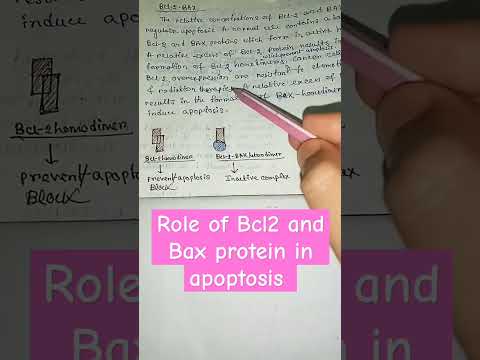
BAX interacts with other members of the BCL-2 family to regulate apoptosis. The BCL-2 protein, for example, can bind to BAX and prevent its activation, while BCL-XL can also inhibit BAX activity. The balance between pro-apoptotic and anti-apoptotic BCL-2 family proteins determines the fate of the cell. Research has shown that the BCL-2 family proteins play a critical role in regulating apoptosis, and dysregulation of these proteins has been implicated in various diseases. The interaction between BAX and other BCL-2 family proteins has been studied using various techniques, including co-immunoprecipitation and fluorescence microscopy.
🔬 Regulation of BAX Activity
The regulation of BAX activity is complex and involves multiple post-translational modifications. Phosphorylation of BAX, for example, can inhibit its activity, while dephosphorylation can activate it. The regulation of BAX has been studied in various contexts, including cancer and neurodegenerative diseases. The regulation of BAX activity is critical in maintaining tissue homeostasis and preventing disease, and dysregulation of this process has been implicated in various diseases. Research has shown that the regulation of BAX activity is a complex process that involves multiple signaling pathways, including the PI3K/AKT pathway and the MAPK/ERK pathway.
📊 BAX and Cancer Research
BAX has been extensively studied in the context of cancer research. The protein is often downregulated in cancer cells, allowing them to evade apoptosis and survive. Restoration of BAX expression has been shown to induce apoptosis in cancer cells, making it a potential therapeutic target. Research has focused on developing strategies to modulate BAX activity, including the use of small molecule inhibitors and RNA interference. The development of therapeutic strategies to modulate BAX activity is an active area of research, with several studies ongoing to evaluate the efficacy and safety of these approaches.
👥 BAX and Neurodegenerative Diseases
BAX has also been implicated in neurodegenerative diseases, such as Alzheimer's disease and Parkinson's disease. The protein has been shown to play a role in regulating neuronal apoptosis, and its dysregulation has been linked to disease pathogenesis. Research has focused on understanding the role of BAX in neurodegenerative diseases, with the goal of developing therapeutic strategies to modulate its activity. The study of BAX in neurodegenerative diseases has been conducted using various models, including cell culture and animal models.
🔮 Therapeutic Potential of BAX Modulation
The therapeutic potential of BAX modulation is significant, with potential applications in cancer and neurodegenerative diseases. Strategies to modulate BAX activity include the use of small molecule inhibitors and RNA interference. Research has focused on developing strategies to selectively target BAX, minimizing off-target effects. The development of therapeutic strategies to modulate BAX activity is an active area of research, with several studies ongoing to evaluate the efficacy and safety of these approaches. The therapeutic potential of BAX modulation has been studied in various contexts, including clinical trials.
📚 Controversies and Debates Surrounding BAX
Despite the significant progress made in understanding BAX, controversies and debates surround its role in disease pathogenesis. Some studies have suggested that BAX may play a role in promoting cell survival, rather than apoptosis. Research has focused on resolving these controversies, with the goal of developing a more complete understanding of BAX function. The study of BAX has been conducted using various techniques, including biochemistry and molecular biology. The controversies and debates surrounding BAX have been discussed in various forums, including scientific conferences and peer-reviewed journals.
🔜 Future Directions in BAX Research
Future directions in BAX research will focus on developing a more complete understanding of its role in disease pathogenesis. This will involve the use of advanced techniques, such as CRISPR/Cas9 gene editing and single-cell analysis. Research will also focus on developing therapeutic strategies to modulate BAX activity, with the goal of treating diseases such as cancer and neurodegenerative diseases. The future of BAX research is promising, with several studies ongoing to evaluate the efficacy and safety of therapeutic strategies to modulate BAX activity.
Key Facts
- Year
- 1993
- Origin
- University of Pennsylvania
- Category
- Molecular Biology
- Type
- Protein
Frequently Asked Questions
What is BAX?
BAX, or Bcl-2-associated X protein, is a key regulator of apoptosis, a process of programmed cell death that plays a crucial role in maintaining tissue homeostasis and preventing disease. BAX is a member of the BCL-2 family of proteins, which also includes BCL-2 and BCL-XL. These proteins interact with each other to regulate the mitochondrial pathway of apoptosis, with BAX acting as a pro-apoptotic protein.
What is the role of BAX in apoptosis?
The role of BAX in apoptosis is complex and involves the regulation of mitochondrial membrane permeability. In response to apoptotic signals, BAX undergoes a conformational change that allows it to insert into the mitochondrial outer membrane, forming pores that release cytochrome c and other pro-apoptotic factors. This leads to the activation of caspases, a family of proteases that execute the apoptotic program.
How is BAX regulated?
The regulation of BAX activity is complex and involves multiple post-translational modifications. Phosphorylation of BAX, for example, can inhibit its activity, while dephosphorylation can activate it. The regulation of BAX has been studied in various contexts, including cancer and neurodegenerative diseases.
What are the therapeutic potential of BAX modulation?
The therapeutic potential of BAX modulation is significant, with potential applications in cancer and neurodegenerative diseases. Strategies to modulate BAX activity include the use of small molecule inhibitors and RNA interference. Research has focused on developing strategies to selectively target BAX, minimizing off-target effects.
What are the controversies and debates surrounding BAX?
Despite the significant progress made in understanding BAX, controversies and debates surround its role in disease pathogenesis. Some studies have suggested that BAX may play a role in promoting cell survival, rather than apoptosis. Research has focused on resolving these controversies, with the goal of developing a more complete understanding of BAX function.
What are the future directions in BAX research?
Future directions in BAX research will focus on developing a more complete understanding of its role in disease pathogenesis. This will involve the use of advanced techniques, such as CRISPR/Cas9 gene editing and single-cell analysis. Research will also focus on developing therapeutic strategies to modulate BAX activity, with the goal of treating diseases such as cancer and neurodegenerative diseases.
How does BAX interact with other proteins?
BAX interacts with other members of the BCL-2 family to regulate apoptosis. The BCL-2 protein, for example, can bind to BAX and prevent its activation, while BCL-XL can also inhibit BAX activity. The balance between pro-apoptotic and anti-apoptotic BCL-2 family proteins determines the fate of the cell.