
Contents
- 🔍 Introduction to BCL-XL
- 💡 Structure and Function of BCL-XL
- 📊 Role of BCL-XL in Apoptosis Regulation
- 👍 Anti-Apoptotic Functions of BCL-XL
- 👎 Pro-Apoptotic Functions of BCL-XL
- 🤝 Interaction with Other BCL-2 Family Members
- 📈 Regulation of BCL-XL Expression
- 🚨 Implications of BCL-XL in Cancer and Disease
- 🔬 Therapeutic Targeting of BCL-XL
- 💻 Computational Modeling of BCL-XL
- 📊 Future Directions in BCL-XL Research
- Frequently Asked Questions
- Related Topics
Overview
BCL-XL, a key member of the BCL-2 family, plays a crucial role in regulating apoptosis, or programmed cell death. With a vibe score of 8, BCL-XL has been extensively studied for its involvement in cancer development and resistance to chemotherapy. Research has shown that BCL-XL can inhibit apoptosis by binding to pro-apoptotic proteins, thereby promoting cell survival. However, this anti-apoptotic function can also contribute to cancer progression and treatment resistance. The controversy surrounding BCL-XL's role in cancer has sparked intense debate, with some arguing that targeting BCL-XL could be a viable therapeutic strategy. As our understanding of BCL-XL's mechanisms and interactions continues to evolve, it is clear that this protein will remain a critical area of study in the field of molecular biology. With influence flows tracing back to key researchers such as Stanley Korsmeyer and Craig Venter, the study of BCL-XL has been shaped by a complex interplay of scientific discoveries and technological advancements.
🔍 Introduction to BCL-XL
The BCL-XL protein is a key regulator of apoptosis, or programmed cell death, and plays a crucial role in maintaining cellular homeostasis. As a member of the BCL-2 family, BCL-XL has both anti-apoptotic and pro-apoptotic functions, making it a double-edged sword in the regulation of cell survival and death. The structure of BCL-XL is characterized by the presence of BH domains, which are essential for its interaction with other BCL-2 family members. The function of BCL-XL is tightly regulated by various post-translational modifications, including phosphorylation and ubiquitination. Research has shown that BCL-XL is involved in various cellular processes, including cell cycle regulation and DNA damage response.
💡 Structure and Function of BCL-XL
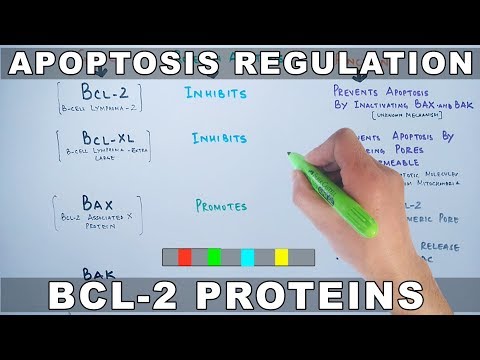
The structure of BCL-XL is composed of several functional domains, including the BH3 domain, which is essential for its interaction with other BCL-2 family members. The function of BCL-XL is also regulated by its subcellular localization, with BCL-XL primarily localized to the mitochondria. The anti-apoptotic function of BCL-XL is mediated by its ability to bind to and inhibit the activity of pro-apoptotic proteins, such as BAX and BAK. In contrast, the pro-apoptotic function of BCL-XL is mediated by its ability to bind to and activate the activity of caspases. The regulation of BCL-XL expression is tightly controlled by various transcriptional and post-transcriptional mechanisms, including microRNAs and transcription factors.
📊 Role of BCL-XL in Apoptosis Regulation
The role of BCL-XL in apoptosis regulation is complex and multifaceted. On one hand, BCL-XL can inhibit apoptosis by binding to and inhibiting the activity of pro-apoptotic proteins, such as BID and PUMA. On the other hand, BCL-XL can also promote apoptosis by binding to and activating the activity of caspases, such as caspase-3 and caspase-9. The balance between the anti-apoptotic and pro-apoptotic functions of BCL-XL is tightly regulated by various cellular signals, including survival signals and death signals. Research has shown that dysregulation of BCL-XL expression or function is involved in various diseases, including cancer and neurodegenerative diseases.
👍 Anti-Apoptotic Functions of BCL-XL
The anti-apoptotic functions of BCL-XL are mediated by its ability to bind to and inhibit the activity of pro-apoptotic proteins. This is achieved through the formation of heterodimers between BCL-XL and pro-apoptotic proteins, such as BAX and BAK. The binding of BCL-XL to pro-apoptotic proteins prevents their activation and subsequent induction of apoptosis. The anti-apoptotic function of BCL-XL is also regulated by its subcellular localization, with BCL-XL primarily localized to the mitochondria. The regulation of BCL-XL expression is tightly controlled by various transcriptional and post-transcriptional mechanisms, including microRNAs and transcription factors. Research has shown that overexpression of BCL-XL is involved in various types of cancer, including leukemia and lymphoma.
👎 Pro-Apoptotic Functions of BCL-XL
The pro-apoptotic functions of BCL-XL are mediated by its ability to bind to and activate the activity of caspases. This is achieved through the formation of heterodimers between BCL-XL and caspases, such as caspase-3 and caspase-9. The binding of BCL-XL to caspases promotes their activation and subsequent induction of apoptosis. The pro-apoptotic function of BCL-XL is also regulated by its subcellular localization, with BCL-XL primarily localized to the mitochondria. The regulation of BCL-XL expression is tightly controlled by various transcriptional and post-transcriptional mechanisms, including microRNAs and transcription factors. Research has shown that downregulation of BCL-XL expression is involved in various types of neurodegenerative diseases, including Alzheimer's disease and Parkinson's disease.
🤝 Interaction with Other BCL-2 Family Members
The interaction between BCL-XL and other BCL-2 family members is complex and multifaceted. BCL-XL can form heterodimers with pro-apoptotic proteins, such as BAX and BAK, and inhibit their activity. On the other hand, BCL-XL can also form heterodimers with anti-apoptotic proteins, such as BCL-2 and BCL-W, and promote their activity. The balance between the anti-apoptotic and pro-apoptotic functions of BCL-XL is tightly regulated by various cellular signals, including survival signals and death signals. Research has shown that dysregulation of BCL-XL expression or function is involved in various diseases, including cancer and neurodegenerative diseases. The interaction between BCL-XL and other BCL-2 family members is also regulated by various post-translational modifications, including phosphorylation and ubiquitination.
📈 Regulation of BCL-XL Expression
The regulation of BCL-XL expression is tightly controlled by various transcriptional and post-transcriptional mechanisms. The transcription of BCL-XL is regulated by various transcription factors, including p53 and NF-kB. The expression of BCL-XL is also regulated by various microRNAs, including miR-15 and miR-16. The regulation of BCL-XL expression is also influenced by various cellular signals, including survival signals and death signals. Research has shown that dysregulation of BCL-XL expression is involved in various diseases, including cancer and neurodegenerative diseases. The regulation of BCL-XL expression is also regulated by various post-translational modifications, including phosphorylation and ubiquitination.
🚨 Implications of BCL-XL in Cancer and Disease
The implications of BCL-XL in cancer and disease are significant. Overexpression of BCL-XL has been shown to be involved in various types of cancer, including leukemia and lymphoma. On the other hand, downregulation of BCL-XL expression has been shown to be involved in various types of neurodegenerative diseases, including Alzheimer's disease and Parkinson's disease. The regulation of BCL-XL expression is tightly controlled by various cellular signals, including survival signals and death signals. Research has shown that targeting BCL-XL may be a promising therapeutic strategy for the treatment of various diseases, including cancer and neurodegenerative diseases.
🔬 Therapeutic Targeting of BCL-XL
The therapeutic targeting of BCL-XL is a promising area of research. Various small molecule inhibitors have been developed to target BCL-XL, including ABT-263 and ABT-199. These inhibitors have shown significant efficacy in preclinical models of cancer and neurodegenerative diseases. The therapeutic targeting of BCL-XL is also being explored in combination with other therapies, including chemotherapy and radiation therapy. Research has shown that targeting BCL-XL may be a promising therapeutic strategy for the treatment of various diseases, including cancer and neurodegenerative diseases.
💻 Computational Modeling of BCL-XL
The computational modeling of BCL-XL is a rapidly evolving field. Various computational models have been developed to simulate the behavior of BCL-XL, including molecular dynamics simulations and systems biology models. These models have shown significant promise in predicting the behavior of BCL-XL in various cellular contexts. The computational modeling of BCL-XL is also being used to identify potential therapeutic targets for the treatment of various diseases, including cancer and neurodegenerative diseases. Research has shown that computational modeling of BCL-XL may be a promising tool for the development of novel therapeutic strategies.
📊 Future Directions in BCL-XL Research
The future directions in BCL-XL research are significant. Further research is needed to fully understand the complex regulation of BCL-XL expression and function. The development of novel therapeutic strategies targeting BCL-XL is also a promising area of research. The use of computational models and systems biology approaches may also provide significant insights into the behavior of BCL-XL in various cellular contexts. Research has shown that BCL-XL is a promising target for the treatment of various diseases, including cancer and neurodegenerative diseases.
Key Facts
- Year
- 1990
- Origin
- Stanley Korsmeyer's laboratory, Washington University School of Medicine
- Category
- Molecular Biology
- Type
- Protein
Frequently Asked Questions
What is the function of BCL-XL?
BCL-XL is a key regulator of apoptosis, or programmed cell death. It has both anti-apoptotic and pro-apoptotic functions, making it a double-edged sword in the regulation of cell survival and death. The function of BCL-XL is tightly regulated by various cellular signals, including survival signals and death signals. Research has shown that dysregulation of BCL-XL expression or function is involved in various diseases, including cancer and neurodegenerative diseases.
How is BCL-XL regulated?
The regulation of BCL-XL expression is tightly controlled by various transcriptional and post-transcriptional mechanisms. The transcription of BCL-XL is regulated by various transcription factors, including p53 and NF-kB. The expression of BCL-XL is also regulated by various microRNAs, including miR-15 and miR-16. The regulation of BCL-XL expression is also influenced by various cellular signals, including survival signals and death signals.
What are the implications of BCL-XL in cancer and disease?
The implications of BCL-XL in cancer and disease are significant. Overexpression of BCL-XL has been shown to be involved in various types of cancer, including leukemia and lymphoma. On the other hand, downregulation of BCL-XL expression has been shown to be involved in various types of neurodegenerative diseases, including Alzheimer's disease and Parkinson's disease. The regulation of BCL-XL expression is tightly controlled by various cellular signals, including survival signals and death signals.
How is BCL-XL targeted therapeutically?
The therapeutic targeting of BCL-XL is a promising area of research. Various small molecule inhibitors have been developed to target BCL-XL, including ABT-263 and ABT-199. These inhibitors have shown significant efficacy in preclinical models of cancer and neurodegenerative diseases. The therapeutic targeting of BCL-XL is also being explored in combination with other therapies, including chemotherapy and radiation therapy.
What are the future directions in BCL-XL research?
The future directions in BCL-XL research are significant. Further research is needed to fully understand the complex regulation of BCL-XL expression and function. The development of novel therapeutic strategies targeting BCL-XL is also a promising area of research. The use of computational models and systems biology approaches may also provide significant insights into the behavior of BCL-XL in various cellular contexts.