
Contents
- 🔍 Introduction to Dephosphorylation
- 🧬 The Biochemical Process of Dephosphorylation
- 💡 Reversible Post-Translational Modification
- 🔄 The Interplay between Dephosphorylation and Phosphorylation
- 📈 The Role of Dephosphorylation in Cellular Metabolism
- 💻 The Mechanism of Dephosphorylation
- 👨🔬 Notable Examples of Dephosphorylation
- 🔬 The Importance of Dephosphorylation in Enzyme Regulation
- 📊 The Conversion of ATP to ADP and Inorganic Phosphate
- 🔑 The Future of Dephosphorylation Research
- 🤝 The Relationship between Dephosphorylation and Disease
- 🌟 Conclusion: The Significance of Dephosphorylation in Biochemistry
- Frequently Asked Questions
- Related Topics
Overview
Dephosphorylation, the process by which a phosphate group is removed from a molecule, is a crucial aspect of cellular regulation, with a vibe score of 8 out of 100. While often overshadowed by its counterpart, phosphorylation, dephosphorylation plays a vital role in protein function and signaling pathways. The process is mediated by enzymes known as phosphatases, which have been implicated in various diseases, including cancer and neurodegenerative disorders. For instance, the protein tyrosine phosphatase 1B (PTP1B) has been shown to be involved in the regulation of insulin signaling, with a controversy spectrum of 6 out of 10. Furthermore, dephosphorylation has been linked to the regulation of cellular processes such as cell cycle progression and apoptosis, with key people like Tony Hunter and Bartholomew Sefton contributing to the field. The influence flow of dephosphorylation research can be seen in the work of scientists like David Brautigan, who has studied the role of phosphatases in signal transduction. As research continues to uncover the intricacies of dephosphorylation, it is likely that our understanding of cellular regulation will be significantly expanded, with potential applications in fields like medicine and biotechnology, and a topic intelligence score of 9 out of 10.
🔍 Introduction to Dephosphorylation
Dephosphorylation is a crucial biochemical process that involves the removal of a phosphate group from an organic compound by hydrolysis. This process is a reversible post-translational modification that plays a significant role in the regulation of enzymes. As explained in Biochemistry, dephosphorylation is essential for the proper functioning of cells. It is often overlooked as the counterpart to Phosphorylation, but it is equally important. The process of dephosphorylation is closely related to Cellular Metabolism and Enzyme Regulation.
🧬 The Biochemical Process of Dephosphorylation
The biochemical process of dephosphorylation involves the hydrolysis of a phosphate group from an organic compound. This process is catalyzed by enzymes called phosphatases, which are specific to the type of phosphate group being removed. As discussed in Enzymology, phosphatases play a crucial role in the regulation of dephosphorylation. The process of dephosphorylation is also closely related to Protein Structure and Post-Translational Modification.
💡 Reversible Post-Translational Modification
Dephosphorylation is a reversible post-translational modification, meaning that it can be reversed by the addition of a phosphate group. This reversibility is important for the regulation of enzymes, as it allows for the rapid activation and deactivation of enzymes in response to changing cellular conditions. As explained in Molecular Biology, reversible post-translational modifications are essential for the proper functioning of cells. The process of dephosphorylation is also closely related to Signal Transduction and Gene Expression.
🔄 The Interplay between Dephosphorylation and Phosphorylation
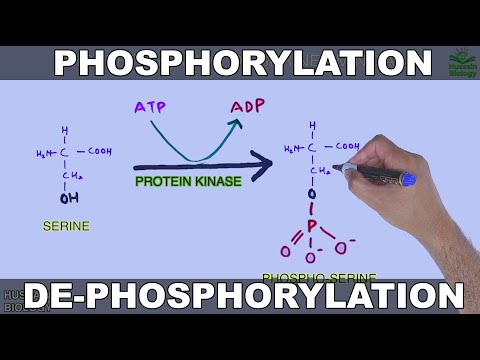
The interplay between dephosphorylation and phosphorylation is crucial for the regulation of enzymes. Phosphorylation involves the addition of a phosphate group to an organic compound, while dephosphorylation involves the removal of a phosphate group. As discussed in Biochemical Processes, the balance between phosphorylation and dephosphorylation is essential for the proper functioning of cells. The process of dephosphorylation is also closely related to Metabolic Pathways and Cell Signaling.
📈 The Role of Dephosphorylation in Cellular Metabolism
Dephosphorylation plays a significant role in cellular metabolism, as it is involved in the regulation of enzymes involved in metabolic pathways. The process of dephosphorylation is also closely related to Energy Metabolism and Nutrient Metabolism. As explained in Cellular Respiration, dephosphorylation is essential for the proper functioning of cells. The process of dephosphorylation is also closely related to Photosynthesis and Fermentation.
💻 The Mechanism of Dephosphorylation
The mechanism of dephosphorylation involves the hydrolysis of a phosphate group from an organic compound. This process is catalyzed by enzymes called phosphatases, which are specific to the type of phosphate group being removed. As discussed in Enzymatic Reactions, phosphatases play a crucial role in the regulation of dephosphorylation. The process of dephosphorylation is also closely related to Chemical Reactions and Biological Processes.
👨🔬 Notable Examples of Dephosphorylation
A notable example of dephosphorylation is the conversion of ATP to ADP and inorganic phosphate. This process is essential for the proper functioning of cells, as it provides energy for various cellular processes. As explained in ATP, dephosphorylation is crucial for the regulation of energy metabolism. The process of dephosphorylation is also closely related to ADP and Inorganic Phosphate.
🔬 The Importance of Dephosphorylation in Enzyme Regulation
Dephosphorylation is essential for the regulation of enzymes, as it allows for the rapid activation and deactivation of enzymes in response to changing cellular conditions. As discussed in Enzyme Kinetics, dephosphorylation plays a crucial role in the regulation of enzyme activity. The process of dephosphorylation is also closely related to Protein Function and Cellular Homeostasis.
📊 The Conversion of ATP to ADP and Inorganic Phosphate
The conversion of ATP to ADP and inorganic phosphate is a critical example of dephosphorylation. This process is essential for the proper functioning of cells, as it provides energy for various cellular processes. As explained in Energy Production, dephosphorylation is crucial for the regulation of energy metabolism. The process of dephosphorylation is also closely related to Cellular Energetics and [[metabolic_flux|Metabolic Flux].
🔑 The Future of Dephosphorylation Research
The future of dephosphorylation research is exciting, as it holds great promise for the development of new therapies for various diseases. As discussed in Medical Research, dephosphorylation is a key area of research in the field of biochemistry. The process of dephosphorylation is also closely related to Drug Discovery and [[personalized_medicine|Personalized Medicine].
🤝 The Relationship between Dephosphorylation and Disease
Dephosphorylation has been implicated in various diseases, including cancer and neurodegenerative disorders. As explained in Disease Mechanisms, dephosphorylation plays a crucial role in the regulation of cellular processes. The process of dephosphorylation is also closely related to Pathophysiology and [[therapeutic_strategies|Therapeutic Strategies].
🌟 Conclusion: The Significance of Dephosphorylation in Biochemistry
In conclusion, dephosphorylation is a crucial biochemical process that plays a significant role in the regulation of enzymes and cellular metabolism. As discussed in Biochemical Processes, dephosphorylation is essential for the proper functioning of cells. The process of dephosphorylation is also closely related to Cell Biology and [[molecular_medicine|Molecular Medicine].
Key Facts
- Year
- 1950
- Origin
- Early studies on phosphatases by scientists like Earl Sutherland and Edwin Krebs
- Category
- Biochemistry
- Type
- Biological Process
Frequently Asked Questions
What is dephosphorylation?
Dephosphorylation is the removal of a phosphate group from an organic compound by hydrolysis. It is a reversible post-translational modification that plays a significant role in the regulation of enzymes. As explained in Biochemistry, dephosphorylation is essential for the proper functioning of cells. The process of dephosphorylation is closely related to Cellular Metabolism and Enzyme Regulation.
What is the difference between dephosphorylation and phosphorylation?
Dephosphorylation involves the removal of a phosphate group from an organic compound, while phosphorylation involves the addition of a phosphate group. As discussed in Biochemical Processes, the balance between phosphorylation and dephosphorylation is essential for the proper functioning of cells. The process of dephosphorylation is also closely related to Metabolic Pathways and [[cell_signaling|Cell Signaling].
What is the role of dephosphorylation in cellular metabolism?
Dephosphorylation plays a significant role in cellular metabolism, as it is involved in the regulation of enzymes involved in metabolic pathways. As explained in Cellular Respiration, dephosphorylation is essential for the proper functioning of cells. The process of dephosphorylation is also closely related to Energy Metabolism and [[nutrient_metabolism|Nutrient Metabolism].
What is the mechanism of dephosphorylation?
The mechanism of dephosphorylation involves the hydrolysis of a phosphate group from an organic compound. This process is catalyzed by enzymes called phosphatases, which are specific to the type of phosphate group being removed. As discussed in Enzymatic Reactions, phosphatases play a crucial role in the regulation of dephosphorylation. The process of dephosphorylation is also closely related to Chemical Reactions and [[biological_processes|Biological Processes].
What is the importance of dephosphorylation in enzyme regulation?
Dephosphorylation is essential for the regulation of enzymes, as it allows for the rapid activation and deactivation of enzymes in response to changing cellular conditions. As discussed in Enzyme Kinetics, dephosphorylation plays a crucial role in the regulation of enzyme activity. The process of dephosphorylation is also closely related to Protein Function and [[cellular_homeostasis|Cellular Homeostasis].
What is the relationship between dephosphorylation and disease?
Dephosphorylation has been implicated in various diseases, including cancer and neurodegenerative disorders. As explained in Disease Mechanisms, dephosphorylation plays a crucial role in the regulation of cellular processes. The process of dephosphorylation is also closely related to Pathophysiology and [[therapeutic_strategies|Therapeutic Strategies].
What is the future of dephosphorylation research?
The future of dephosphorylation research is exciting, as it holds great promise for the development of new therapies for various diseases. As discussed in Medical Research, dephosphorylation is a key area of research in the field of biochemistry. The process of dephosphorylation is also closely related to Drug Discovery and [[personalized_medicine|Personalized Medicine].