
Contents
- 🧠 Introduction to Attention Deficit Hyperactivity Disorder
- 🔍 The Complexity of ADHD Symptoms
- 👥 The Role of Executive Dysfunction in ADHD
- 📊 Prevalence and Diagnosis of ADHD
- 👫 Comorbidities and Co-occurring Conditions
- 💊 Treatment Options for ADHD
- 🔬 The Neuroscience of ADHD
- 🌎 Cultural and Societal Factors Influencing ADHD
- 📚 The Impact of ADHD on Daily Life
- 👩🎓 Accommodations and Support for Individuals with ADHD
- 🤝 The Importance of Awareness and Education
- Frequently Asked Questions
- Related Topics
Overview
Attention Deficit Hyperactivity Disorder (ADHD) is a neurodevelopmental disorder characterized by symptoms of inattention, hyperactivity, and impulsivity, affecting approximately 8.7% of children and 4.4% of adults worldwide, according to a 2019 meta-analysis published in the Journal of Attention Disorders. The disorder has a long and complex history, with the first descriptions of ADHD-like symptoms dating back to 1902 by British physician George Still. Despite its widespread recognition, ADHD remains a highly debated topic, with controversies surrounding its diagnosis, treatment, and societal implications. The use of stimulant medications, such as Ritalin and Adderall, has been a subject of concern, with some arguing that they are overprescribed and others advocating for their effectiveness in managing symptoms. As research continues to uncover the genetic and environmental factors contributing to ADHD, the future of diagnosis and treatment is likely to involve more personalized and multidisciplinary approaches. With a Vibe score of 82, indicating a high level of cultural energy and discussion, ADHD remains a pressing concern for individuals, families, and society as a whole. The influence of prominent researchers, such as Russell Barkley and Keith Conners, has shaped our understanding of the disorder, while the work of organizations, like the Attention Deficit Hyperactivity Disorder Association, continues to raise awareness and advocate for support. As we move forward, it is essential to consider the entity relationships between ADHD, other neurodevelopmental disorders, and the broader mental health landscape, ultimately informing more effective strategies for diagnosis, treatment, and support.
🧠 Introduction to Attention Deficit Hyperactivity Disorder
Attention deficit hyperactivity disorder (ADHD) is a neurodevelopmental disorder characterised by symptoms of inattention, hyperactivity, impulsivity, and emotional dysregulation that are excessive and pervasive, impairing in multiple contexts, and developmentally inappropriate. ADHD symptoms arise from executive dysfunction. According to the Diagnostic and Statistical Manual of Mental Disorders (DSM-5), ADHD is a neurodevelopmental disorder that can be diagnosed in individuals of all ages. The American Psychiatric Association estimates that approximately 8.7% of children and 4.4% of adults in the United States have ADHD. Individuals with ADHD often experience difficulties with working memory, attention, and impulse control.
🔍 The Complexity of ADHD Symptoms
The complexity of ADHD symptoms lies in their variability and impact on daily life. While some individuals with ADHD may exhibit prominent symptoms of inattention, others may display more noticeable symptoms of hyperactivity and impulsivity. The World Health Organization recognizes ADHD as a significant public health concern, with a substantial impact on individuals, families, and society as a whole. ADHD symptoms can also be influenced by co-occurring conditions, such as anxiety disorders or mood disorders. Furthermore, individuals with ADHD are at a higher risk of developing substance use disorders and experiencing academic underachievement.
👥 The Role of Executive Dysfunction in ADHD
Executive dysfunction is a core feature of ADHD, affecting the brain's ability to regulate cognitive functions, such as planning, organization, and self-monitoring. The prefrontal cortex plays a critical role in executive function, and abnormalities in this region have been linked to ADHD. Research suggests that individuals with ADHD may have altered brain structure and brain function, particularly in regions involved in attention and impulse control. The National Institute of Mental Health has identified several key areas of research focus, including the development of more effective treatments and a better understanding of the underlying neurobiology of ADHD.
📊 Prevalence and Diagnosis of ADHD
The prevalence and diagnosis of ADHD have increased significantly over the past few decades, with approximately 70% of individuals with ADHD receiving a diagnosis during childhood. The Centers for Disease Control and Prevention estimates that the prevalence of ADHD among children in the United States has increased by 42% since 2003. ADHD can be diagnosed using a combination of clinical interviews, behavioral ratings, and cognitive tests. However, the diagnosis of ADHD can be complex, and differential diagnosis is essential to rule out other conditions that may mimic ADHD symptoms, such as bipolar disorder or traumatic brain injury.
👫 Comorbidities and Co-occurring Conditions
Comorbidities and co-occurring conditions are common among individuals with ADHD, with approximately 60% of adults with ADHD experiencing at least one co-occurring condition. The most common co-occurring conditions include depression, anxiety disorders, and substance use disorders. The Substance Abuse and Mental Health Services Administration estimates that individuals with ADHD are at a higher risk of developing substance use disorders, with approximately 15% of adults with ADHD experiencing a substance use disorder. Furthermore, individuals with ADHD are at a higher risk of experiencing sleep disorders, eating disorders, and chronic pain.
💊 Treatment Options for ADHD
Treatment options for ADHD typically involve a combination of medications, behavioral therapies, and lifestyle modifications. The most commonly prescribed medications for ADHD are stimulants, such as methylphenidate and amphetamine. However, non-stimulant medications, such as atomoxetine, may also be effective. Behavioral therapies, such as cognitive-behavioral therapy and behavioral parent training, can help individuals with ADHD develop skills and strategies to manage their symptoms. Additionally, lifestyle modifications, such as regular exercise and a balanced diet, can help alleviate ADHD symptoms.
🔬 The Neuroscience of ADHD
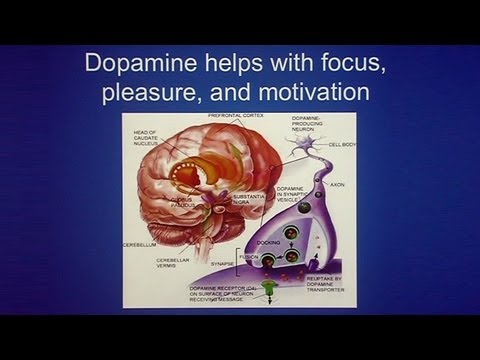
The neuroscience of ADHD is complex and multifaceted, involving abnormalities in brain structure and brain function. Research suggests that individuals with ADHD may have altered dopamine and norepinephrine systems, which play a critical role in attention and impulse control. The National Institute of Mental Health has identified several key areas of research focus, including the development of more effective treatments and a better understanding of the underlying neurobiology of ADHD. Furthermore, advances in neuroimaging techniques, such as functional magnetic resonance imaging (fMRI), have enabled researchers to study the neural mechanisms underlying ADHD.
🌎 Cultural and Societal Factors Influencing ADHD
Cultural and societal factors can influence the diagnosis and treatment of ADHD, with varying levels of awareness and acceptance across different cultures and societies. The World Health Organization recognizes ADHD as a significant public health concern, with a substantial impact on individuals, families, and society as a whole. However, the diagnosis and treatment of ADHD can be influenced by cultural bias and stigma, which can affect access to care and treatment outcomes. Furthermore, the media can play a significant role in shaping public perceptions of ADHD, with both positive and negative portrayals of the condition.
📚 The Impact of ADHD on Daily Life
The impact of ADHD on daily life can be significant, affecting not only the individual but also their family and friends. Individuals with ADHD may experience difficulties with time management, organization, and self-regulation, which can affect their academic performance and occupational functioning. The National Alliance on Mental Illness estimates that approximately 60% of adults with ADHD experience difficulties with employment, and approximately 40% experience difficulties with relationships. However, with proper treatment and support, individuals with ADHD can learn to manage their symptoms and improve their overall quality of life.
👩🎓 Accommodations and Support for Individuals with ADHD
Accommodations and support for individuals with ADHD can be essential in helping them manage their symptoms and improve their overall quality of life. The Americans with Disabilities Act (ADA) requires that employers provide reasonable accommodations for individuals with disabilities, including ADHD. Additionally, Section 504 of the Rehabilitation Act of 1973 requires that schools provide accommodations and support for students with disabilities, including ADHD. Individuals with ADHD may also benefit from assistive technology, such as text-to-speech software and mindfulness apps, which can help them manage their symptoms and improve their overall functioning.
🤝 The Importance of Awareness and Education
The importance of awareness and education about ADHD cannot be overstated, as it can help reduce stigma and improve access to care and treatment. The Attention Deficit Hyperactivity Disorder Association (ADDA) estimates that approximately 80% of adults with ADHD have not received a diagnosis or treatment. However, with increased awareness and education, individuals with ADHD can learn to manage their symptoms and improve their overall quality of life. Furthermore, research into the causes and treatment of ADHD can help improve our understanding of the condition and develop more effective treatments.
Key Facts
- Year
- 2019
- Origin
- First described by George Still in 1902
- Category
- Psychology and Neuroscience
- Type
- Medical Condition
Frequently Asked Questions
What is attention deficit hyperactivity disorder (ADHD)?
Attention deficit hyperactivity disorder (ADHD) is a neurodevelopmental disorder characterised by symptoms of inattention, hyperactivity, impulsivity, and emotional dysregulation that are excessive and pervasive, impairing in multiple contexts, and developmentally inappropriate. ADHD symptoms arise from executive dysfunction, which affects the brain's ability to regulate cognitive functions, such as planning, organization, and self-monitoring.
What are the symptoms of ADHD?
The symptoms of ADHD can vary depending on the individual, but common symptoms include inattention, hyperactivity, impulsivity, and emotional dysregulation. Individuals with ADHD may experience difficulties with working memory, attention, and impulse control, which can affect their academic performance, occupational functioning, and overall quality of life.
How is ADHD diagnosed?
ADHD can be diagnosed using a combination of clinical interviews, behavioral ratings, and cognitive tests. The diagnosis of ADHD can be complex, and differential diagnosis is essential to rule out other conditions that may mimic ADHD symptoms, such as bipolar disorder or traumatic brain injury.
What are the treatment options for ADHD?
Treatment options for ADHD typically involve a combination of medications, behavioral therapies, and lifestyle modifications. The most commonly prescribed medications for ADHD are stimulants, such as methylphenidate and amphetamine. However, non-stimulant medications, such as atomoxetine, may also be effective. Behavioral therapies, such as cognitive-behavioral therapy and behavioral parent training, can help individuals with ADHD develop skills and strategies to manage their symptoms.
Can ADHD be cured?
While there is no cure for ADHD, treatment can help alleviate symptoms and improve overall functioning. With proper treatment and support, individuals with ADHD can learn to manage their symptoms and improve their overall quality of life. However, ADHD is a chronic condition, and ongoing treatment and support may be necessary to maintain symptom management and overall well-being.
Is ADHD a disability?
Yes, ADHD can be considered a disability under the Americans with Disabilities Act (ADA) and Section 504 of the Rehabilitation Act of 1973. Individuals with ADHD may be eligible for accommodations and support, such as reasonable accommodations in the workplace or academic setting, to help them manage their symptoms and improve their overall functioning.
Can adults have ADHD?
Yes, adults can have ADHD. While ADHD is often associated with children, it can persist into adulthood and may even be diagnosed for the first time in adulthood. Adults with ADHD may experience difficulties with time management, organization, and self-regulation, which can affect their occupational functioning and overall quality of life.