
Contents
- 🌙 Origins & History
- ⚙️ How It Works
- 📊 Key Facts & Numbers
- 👥 Key People & Organizations
- 🌍 Cultural Impact & Influence
- ⚡ Current State & Latest Developments
- 🤔 Controversies & Debates
- 🔮 Future Outlook & Predictions
- 💡 Practical Applications
- 📚 Related Topics & Deeper Reading
- Frequently Asked Questions
- References
- Related Topics
Overview
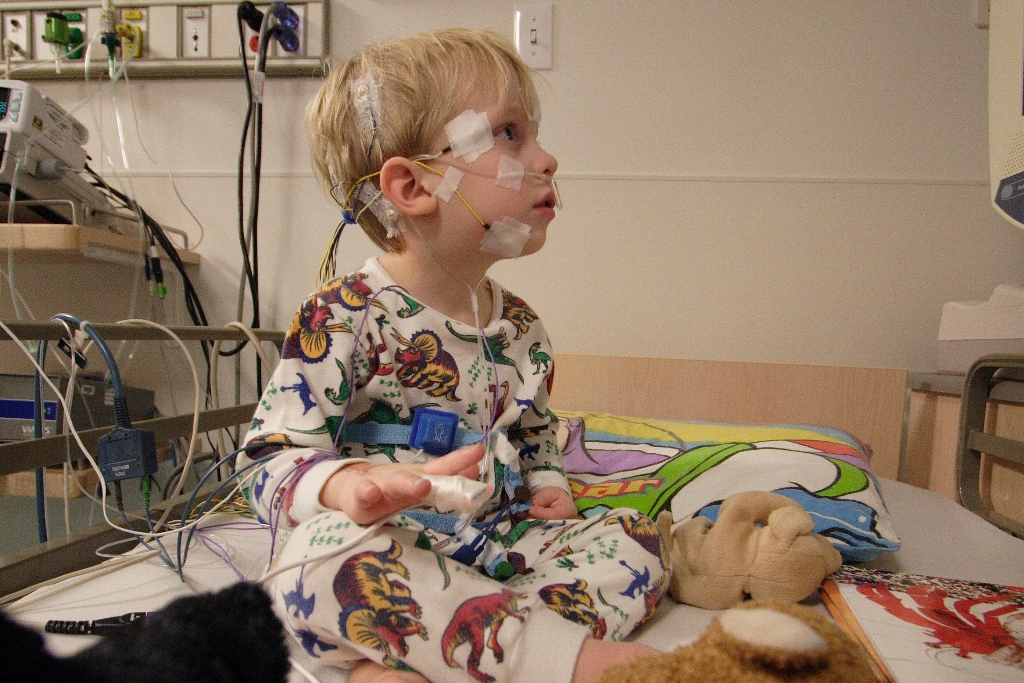
Sleep disorders, also known as somnipathy, are medical conditions that disrupt an individual's sleep patterns and quality, leading to serious health issues and affecting physical, mental, and emotional well-being. According to the National Sleep Foundation, approximately 30% of the general population experiences sleep disruptions, with insomnia being the most common sleep disorder. The American Academy of Sleep Medicine estimates that sleep disorders cost the US economy over $63 billion annually. With the help of diagnostic tests such as polysomnography and actigraphy, sleep disorders can be classified into dyssomnias, parasomnias, circadian rhythm sleep disorders, and other disorders, including those caused by medical or psychological conditions. Effective management of sleep disorders requires a comprehensive approach, involving cognitive-behavioral therapy, sleep hygiene, and relaxation techniques, as recommended by the Mayo Clinic.
🌙 Origins & History
The concept of sleep disorders has been around for centuries, with ancient civilizations recognizing the importance of sleep for overall health and well-being. The term 'somnipathy' was first coined in the 19th century, and since then, research has led to a better understanding of the complexities of sleep and its disorders. According to WebMD, the first sleep disorder clinic was established in 1970 at Stanford University. Today, sleep disorders are recognized as a major public health concern, with organizations such as the World Health Organization and the Centers for Disease Control and Prevention working to raise awareness and promote research.
⚙️ How It Works
Sleep disorders can be caused by a variety of factors, including genetic predisposition, environmental factors, and underlying medical conditions. For example, sleep apnea is often caused by obesity, while narcolepsy is a neurological disorder that affects the brain's ability to regulate sleep-wake cycles. Hypersomnia, or excessive sleepiness, can be caused by a range of factors, including sleep disorders, medical conditions, and certain medications. The National Institutes of Health estimates that approximately 40% of adults in the US experience sleep disruptions due to bruxism, or teeth grinding.
📊 Key Facts & Numbers
Key facts and numbers surrounding sleep disorders are staggering. According to the CDC, approximately 70 million adults in the US experience sleep disruptions, with insomnia affecting over 30% of the population. The economic burden of sleep disorders is significant, with estimates suggesting that sleep disorders cost the US economy over $63 billion annually. The American Academy of Sleep Medicine recommends that adults aim for 7-9 hours of sleep per night, while the National Sleep Foundation suggests that sleep quality is just as important as sleep quantity.
👥 Key People & Organizations
Key people and organizations in the field of sleep disorders include William C. Dement, a pioneer in sleep research, and the American Academy of Sleep Medicine, which is the primary professional organization for sleep specialists. The National Sleep Foundation is another prominent organization, providing education and resources for individuals affected by sleep disorders. Researchers such as Charles A. Czeisler have made significant contributions to our understanding of sleep and its disorders.
🌍 Cultural Impact & Influence
Sleep disorders have a significant cultural impact and influence, with many artists, writers, and musicians drawing inspiration from their own experiences with sleep disruptions. The National Sleep Foundation has partnered with organizations such as NASA to promote sleep awareness and education. The cultural significance of sleep is also reflected in the many myths and legends surrounding sleep and dreams, with Freud's theories on the interpretation of dreams remaining influential to this day.
⚡ Current State & Latest Developments
The current state of sleep disorders is one of growing concern, with the World Health Organization recognizing sleep disorders as a major public health concern. The CDC has launched initiatives to promote sleep awareness and education, while organizations such as the American Academy of Sleep Medicine are working to develop new treatments and therapies for sleep disorders. Recent developments in the field include the use of cognitive-behavioral therapy and relaxation techniques to manage sleep disruptions.
🤔 Controversies & Debates
Controversies and debates surrounding sleep disorders include the use of sleeping pills and other medications to manage sleep disruptions. Some argue that these medications can be effective in the short-term, while others argue that they can lead to dependence and other negative side effects. The Mayo Clinic recommends a comprehensive approach to managing sleep disorders, involving lifestyle changes, behavioral therapies, and medication only when necessary.
🔮 Future Outlook & Predictions
The future outlook for sleep disorders is one of hope and promise, with researchers working to develop new treatments and therapies. The National Institutes of Health has launched initiatives to promote sleep research, while organizations such as the American Academy of Sleep Medicine are working to develop new guidelines and standards for sleep disorder diagnosis and treatment. According to WebMD, the use of artificial intelligence and machine learning may revolutionize the diagnosis and treatment of sleep disorders in the coming years.
💡 Practical Applications
Practical applications for managing sleep disorders include establishing a consistent sleep schedule, creating a relaxing sleep environment, and avoiding stimulants before bedtime. The National Sleep Foundation recommends that adults aim for 7-9 hours of sleep per night, while the American Academy of Sleep Medicine suggests that sleep quality is just as important as sleep quantity. The Mayo Clinic provides resources and guidance for individuals looking to improve their sleep and overall well-being.
Key Facts
- Year
- 2022
- Origin
- Global
- Category
- chronic-conditions
- Type
- concept
Frequently Asked Questions
What is the most common sleep disorder?
Insomnia is the most common sleep disorder, affecting over 30% of the general population. According to the National Sleep Foundation, insomnia can be acute or chronic, and can have significant consequences for physical, mental, and emotional well-being.
What are the consequences of sleep disruptions?
Sleep disruptions can have significant physical, mental, and emotional consequences, including increased risk of chronic diseases such as diabetes, hypertension, and cardiovascular disease. The CDC estimates that sleep disruptions can also affect cognitive function, mood, and overall quality of life.
How can sleep disorders be managed?
Effective management of sleep disorders requires a comprehensive approach, involving lifestyle changes, behavioral therapies, and medication only when necessary. The Mayo Clinic recommends establishing a consistent sleep schedule, creating a relaxing sleep environment, and avoiding stimulants before bedtime.
What is the economic burden of sleep disorders?
The economic burden of sleep disorders is significant, with estimates suggesting that sleep disorders cost the US economy over $63 billion annually. The American Academy of Sleep Medicine estimates that sleep disorders can also affect productivity, absenteeism, and presenteeism.
What are some common sleep disorders?
Common sleep disorders include insomnia, sleep apnea, narcolepsy, and hypersomnia. The National Sleep Foundation provides information and resources on these and other sleep disorders, including their causes, symptoms, and treatment options.
How can I improve my sleep?
Improving sleep requires a comprehensive approach, involving lifestyle changes, behavioral therapies, and environmental modifications. The CDC recommends establishing a consistent sleep schedule, creating a relaxing sleep environment, and avoiding stimulants before bedtime. The Mayo Clinic also provides guidance on sleep hygiene and relaxation techniques.
What is the role of cognitive-behavioral therapy in managing sleep disorders?
Cognitive-behavioral therapy (CBT) is a effective treatment for sleep disorders, including insomnia and sleep apnea. The National Institutes of Health estimates that CBT can help individuals develop healthy sleep habits, manage stress and anxiety, and improve overall sleep quality.