
Contents
Overview
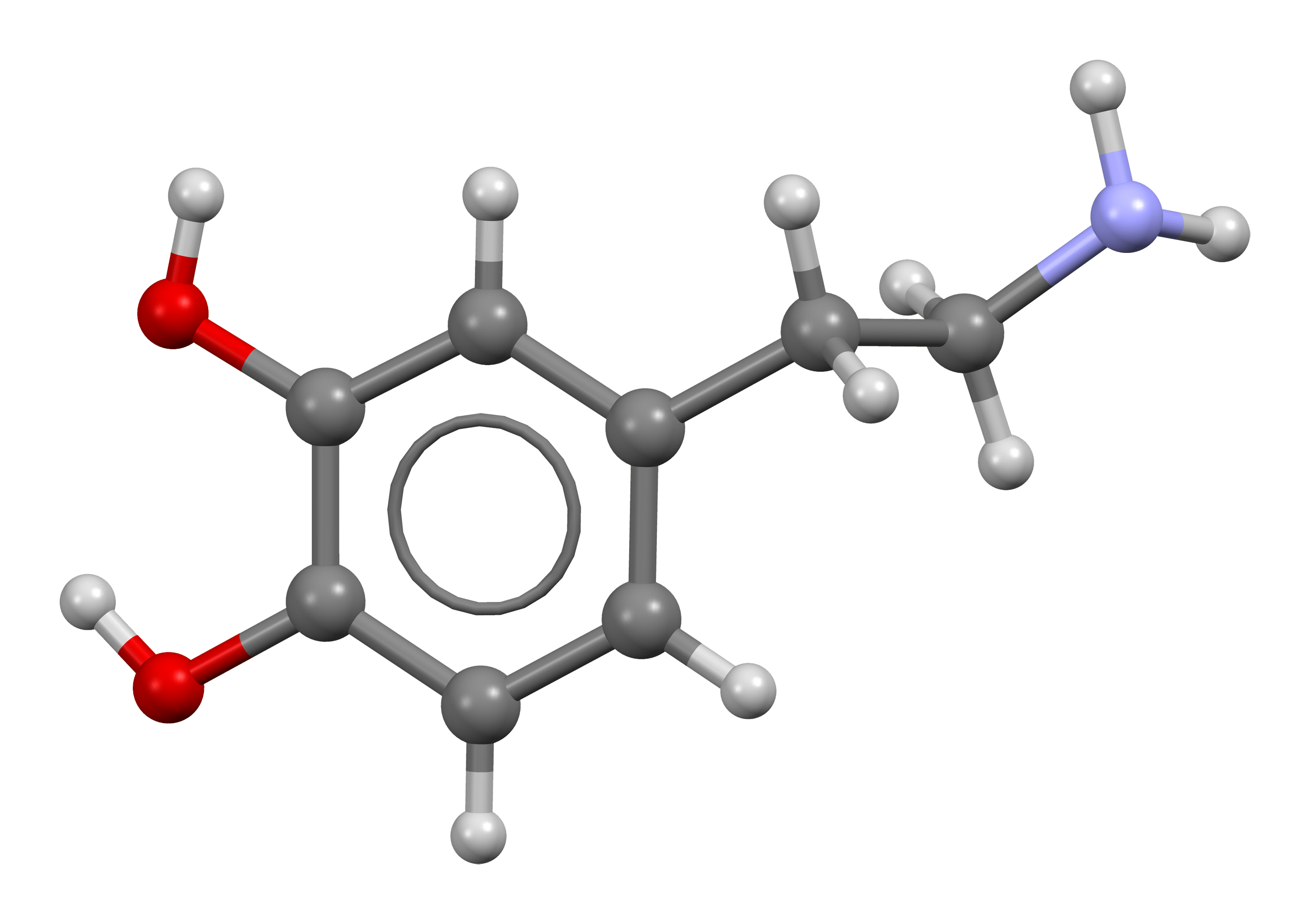
Dopamine (DA), a member of the catecholamine and phenethylamine families, is an organic chemical that functions as both a hormone and a neurotransmitter. Its name derives from its precursor, L-DOPA, and it's essential for numerous physiological processes. In the brain, dopamine is synthesized in specific nuclei, acting as a critical messenger that modulates neuronal activity. It's not just about pleasure; dopamine is deeply involved in how we learn, focus, and execute voluntary movements, making it a cornerstone of neuroscience.
🔬 How It Works (Mechanics)
Dopamine operates through a complex signaling cascade. When a neuron fires, it releases dopamine into the synapse, the gap between neurons. Dopamine then binds to specific dopamine receptors (D1-D5) on the postsynaptic neuron, triggering a series of intracellular events. Different pathways utilize dopamine differently: the mesolimbic pathway is heavily involved in reward and motivation, the nigrostriatal pathway is critical for motor control, and the mesocortical pathway influences cognitive function and executive behaviors. After signaling, dopamine is either reabsorbed by the presynaptic neuron via dopamine transporters (DAT) or broken down by enzymes like monoamine oxidase (MAO) and catechol-O-methyltransferase (COMT).
📊 Key Facts, Numbers & Statistics
Dopamine neurons are primarily located in the substantia nigra and ventral tegmental area. Dopamine concentrations vary significantly across brain regions. For instance, dopamine levels in the prefrontal cortex are crucial for executive functions, while levels in the nucleus accumbens are central to reward processing. The synthesis of dopamine requires vitamin B6 as a cofactor.
🌍 Real-World Examples & Use Cases
Dopamine's influence is evident in everyday experiences. The anticipation of a delicious meal or receiving positive feedback on social media can trigger dopamine release, reinforcing those behaviors. In fitness, the 'runner's high' is partly attributed to dopamine surges, motivating continued exercise. The motor symptoms of Parkinson's disease, such as tremors and rigidity, arise from the degeneration of dopamine-producing neurons in the substantia nigra. Addictive drugs like cocaine and amphetamines hijack the dopamine system by blocking its reuptake or increasing its release, creating intense feelings of euphoria that drive compulsive use.
📈 History & Evolution
The understanding of dopamine began to crystallize in the mid-20th century. Arvid Carlsson demonstrated dopamine's role as a neurotransmitter and its deficiency in Parkinson's disease. His research, initially met with skepticism, laid the foundation for modern psychopharmacology and the development of levodopa (L-DOPA) as a treatment for Parkinson's. Early research also linked dopamine to schizophrenia, though this connection is now understood to be more complex.
⚡ Current State & Latest Developments
Current research is exploring dopamine's intricate role beyond simple reward. Scientists are investigating its involvement in social cognition, decision-making, and even pain perception. The development of novel therapeutics for conditions like ADHD, depression, and substance use disorders continues to focus on modulating dopamine pathways. Furthermore, advancements in neuroimaging techniques, such as PET scans, allow for more precise mapping of dopamine receptor availability and function in living brains, offering new insights into neurological health and disease.
🔮 Why It Matters & Future Outlook
Dopamine is fundamental to what drives us, from basic survival instincts to complex goal achievement. Its role in motivation means that understanding dopamine is critical for public health initiatives aimed at promoting healthy behaviors, such as nutrition and regular exercise, and combating addiction. Future research may unlock new ways to precisely target dopamine signaling for therapeutic benefit, potentially revolutionizing treatments for a wide range of neurological and psychiatric disorders. However, the potential for misuse of dopamine-modulating drugs remains a significant concern.
🤔 Common Misconceptions
Misconception 1: Dopamine is solely the 'pleasure chemical'. While dopamine is involved in reward and pleasure, its function is more nuanced. It signals the anticipation of reward and motivates us to seek it, rather than being the sole mediator of pleasure itself. Other neurotransmitters like endorphins and serotonin also play significant roles in mood and well-being. Misconception 2: Low dopamine always means depression. While dopamine dysfunction can contribute to depression, it's not the only cause. Serotonin and norepinephrine imbalances are also implicated, and depression is a complex condition with multiple contributing factors. Misconception 3: You can boost dopamine with 'hacks'. While certain activities can temporarily increase dopamine release, the idea of 'dopamine fasting' or simple 'hacks' to permanently boost levels is largely oversimplified. Sustainable well-being involves a balanced lifestyle that supports overall brain health, rather than quick fixes.
Key Facts
- Year
- mid-20th century
- Origin
- Human body (brain and kidneys), also found in plants and other animals
- Category
- nutrition
- Type
- concept
- Format
- what-is
Frequently Asked Questions
What is dopamine and what does it do?
Dopamine is a vital neurotransmitter and hormone in the body, primarily functioning within the brain. It plays a critical role in the brain-reward-system, motivating behaviors by signaling the anticipation of rewards. Dopamine is also essential for motor control, learning, and mood regulation. Its complex actions make it central to understanding how we experience pleasure, pursue goals, and maintain physical coordination.
How does dopamine affect motivation and pleasure?
Dopamine is often called the 'motivation molecule' because it's released when we anticipate a reward, driving us to seek it out. While it contributes to feelings of pleasure, its primary role is in the wanting or seeking aspect of reward, rather than the liking itself. This distinction is important because other neurotransmitters like endorphins and serotonin also play significant roles in mood and well-being.