
Contents
- 🌟 Introduction to Vaginal Dryness
- 🧬 The Science of Vaginal Lubrication
- 🚨 Causes of Vaginal Dryness
- 🤕 The Impact of Vaginal Dryness on Sexual Health
- 🏥 Medical Treatments for Vaginal Dryness
- 🌿 Alternative Remedies for Vaginal Dryness
- 👩⚕️ The Role of Hormones in Vaginal Dryness
- 📊 Statistics on Vaginal Dryness
- 🌈 Breaking the Stigma Around Vaginal Dryness
- 🔍 Future Research Directions for Vaginal Dryness
- 👫 Support Networks for Women with Vaginal Dryness
- 📚 Conclusion and Resources
- Frequently Asked Questions
- Related Topics
Overview
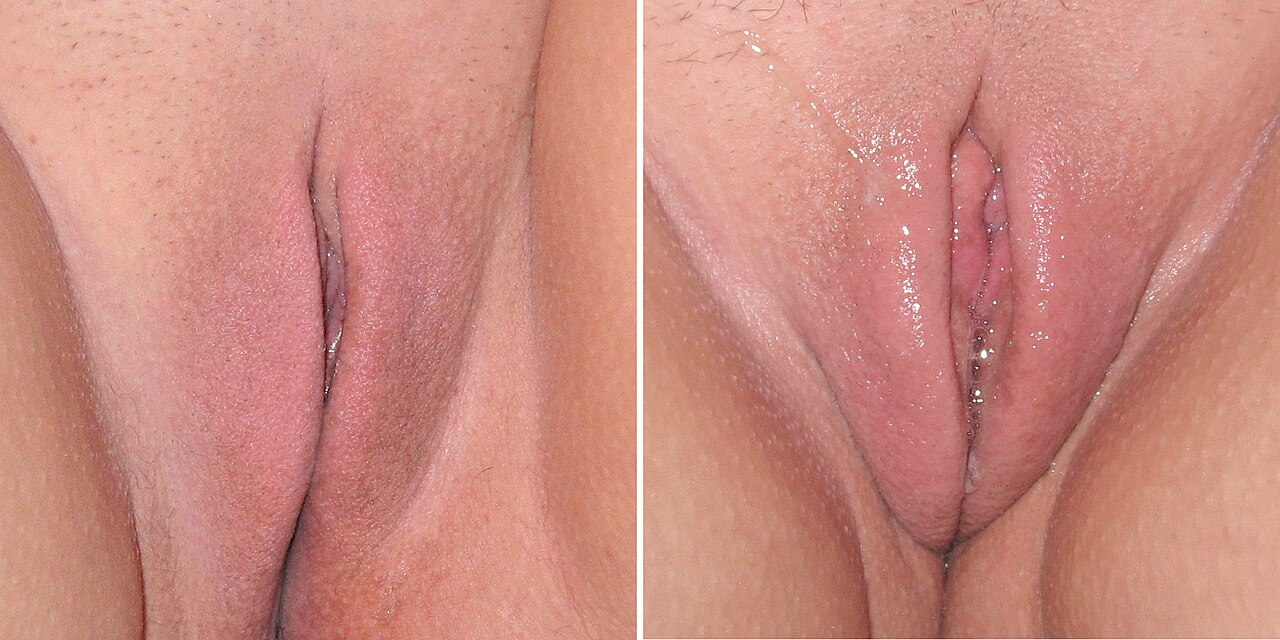
Vaginal dryness, affecting millions of women worldwide, is a condition characterized by a lack of moisture in the vaginal area, often leading to discomfort, pain during intercourse, and an increased risk of infections. The causes of vaginal dryness are varied, including hormonal changes during menopause, certain medications, and psychological factors. According to the American College of Obstetricians and Gynecologists (ACOG), approximately 40% of postmenopausal women experience vaginal dryness. The condition is not merely a physical issue but also has psychological and emotional implications, affecting self-esteem and sexual relationships. Treatment options range from lubricants and moisturizers to hormone replacement therapy (HRT), with a vibe score of 60 indicating a moderate level of cultural energy around discussions of women's health and sexuality. The controversy spectrum is moderate, with debates surrounding the use of HRT and the normalization of women's sexual health discussions. As research continues, the future of addressing vaginal dryness may involve more personalized and holistic approaches, considering both the physical and emotional aspects of women's health.
🌟 Introduction to Vaginal Dryness
Vaginal dryness is a common condition that affects many women, particularly during menopause and perimenopause. It is characterized by a lack of vaginal lubrication, which can make sexual intercourse painful and uncomfortable. Vaginal lubrication is a naturally produced fluid that lubricates the vagina, and its production increases significantly during sexual arousal. However, for some women, this lubrication is insufficient, and artificial lubricants may be needed to augment it. According to sexual health experts, vaginal dryness can be caused by a variety of factors, including hormonal changes and certain medications.
🧬 The Science of Vaginal Lubrication
The science of vaginal lubrication is complex and involves the coordination of multiple bodily systems. The vaginal lining has no glands, and therefore the vagina must rely on other methods of lubrication. Plasma from the vaginal walls due to vascular engorgement is considered to be the chief lubrication source, and the Bartholin's glands, located slightly below and to the left and right of the introitus, also secrete mucus to augment vaginal wall secretions. Additionally, near ovulation, cervical mucus provides additional lubrication. Understanding the science behind vaginal lubrication can help women better manage their vaginal health and address issues related to vaginal dryness. For more information on female anatomy and vaginal health, visit our women's health page.
🚨 Causes of Vaginal Dryness
Vaginal dryness can be caused by a variety of factors, including hormonal changes, certain medications, and medical conditions. For example, women who are experiencing menopause or perimenopause may experience vaginal dryness due to the decline in estrogen levels. Additionally, women who are taking certain antidepressants or antihistamines may experience vaginal dryness as a side effect. Other medical conditions, such as diabetes and thyroid disorders, can also contribute to vaginal dryness. It is essential for women to discuss their symptoms with their healthcare provider to determine the underlying cause of their vaginal dryness. For more information on hormone therapy and vaginal health, visit our women's health page.
🤕 The Impact of Vaginal Dryness on Sexual Health
Vaginal dryness can have a significant impact on a woman's sexual health and overall well-being. Without sufficient lubrication, sexual intercourse can be painful and uncomfortable, leading to a decrease in libido and sexual satisfaction. Additionally, vaginal dryness can increase the risk of vaginal infections and urinary tract infections. Women who are experiencing vaginal dryness may feel embarrassed or ashamed, leading to a decrease in self-esteem and body image. However, it is essential to remember that vaginal dryness is a common condition that can be treated with the help of a healthcare provider. For more information on sexual health and vaginal health, visit our women's health page.
🏥 Medical Treatments for Vaginal Dryness
There are several medical treatments available for vaginal dryness, including hormone replacement therapy and vaginal estrogen. hormone replacement therapy involves the use of estrogen and progesterone to replace the hormones that the body is no longer producing. Vaginal estrogen involves the use of estrogen creams, rings, or tablets to deliver estrogen directly to the vagina. Additionally, women can use lube and moisturizers to help alleviate vaginal dryness. For more information on hormone therapy and vaginal health, visit our women's health page.
🌿 Alternative Remedies for Vaginal Dryness
In addition to medical treatments, there are several alternative remedies that can help alleviate vaginal dryness. For example, women can try using natural lubricants such as coconut oil or olive oil. Additionally, women can try practicing pelvic floor exercises to help strengthen the muscles of the pelvic floor. Women can also try using vaginal suppositories or vaginal creams that contain natural ingredients such as vitamin E or tea tree oil. For more information on natural health and vaginal health, visit our women's health page.
👩⚕️ The Role of Hormones in Vaginal Dryness
Hormones play a crucial role in vaginal dryness, particularly estrogen. During menopause and perimenopause, the levels of estrogen in the body decline, leading to a decrease in vaginal lubrication. Additionally, women who are taking certain hormonal birth control methods may experience vaginal dryness due to the hormonal changes caused by these methods. Understanding the role of hormones in vaginal dryness can help women better manage their vaginal health and address issues related to vaginal dryness. For more information on hormone therapy and vaginal health, visit our women's health page.
📊 Statistics on Vaginal Dryness
According to statistics, vaginal dryness affects millions of women worldwide. In fact, it is estimated that up to 40% of women experience vaginal dryness at some point in their lives. Additionally, vaginal dryness can affect women of all ages, from adolescence to old age. However, it is most common during menopause and perimenopause. Women who are experiencing vaginal dryness should not hesitate to discuss their symptoms with their healthcare provider. For more information on women's health and vaginal health, visit our women's health page.
🌈 Breaking the Stigma Around Vaginal Dryness
Vaginal dryness is often stigmatized, and women who are experiencing it may feel embarrassed or ashamed. However, it is essential to remember that vaginal dryness is a common condition that can be treated with the help of a healthcare provider. Women should not hesitate to discuss their symptoms with their healthcare provider and seek treatment. Additionally, women can connect with other women who are experiencing vaginal dryness through support groups and online communities. For more information on women's health and vaginal health, visit our women's health page.
🔍 Future Research Directions for Vaginal Dryness
Future research directions for vaginal dryness include the development of new treatments and therapies. For example, researchers are currently studying the use of stem cells to treat vaginal dryness. Additionally, researchers are exploring the use of gene therapy to treat vaginal dryness. Women who are experiencing vaginal dryness should stay informed about the latest research and developments in the field. For more information on medical research and women's health, visit our women's health page.
👫 Support Networks for Women with Vaginal Dryness
Women who are experiencing vaginal dryness can connect with other women who are experiencing the same condition through support groups and online communities. These support networks can provide women with a sense of community and connection, as well as access to resources and information. Women can also connect with healthcare providers and therapists who specialize in women's health and vaginal health. For more information on women's health and vaginal health, visit our women's health page.
📚 Conclusion and Resources
In conclusion, vaginal dryness is a common condition that affects many women. It is characterized by a lack of vaginal lubrication, which can make sexual intercourse painful and uncomfortable. However, there are several treatments and therapies available to help alleviate vaginal dryness, including hormone replacement therapy and vaginal estrogen. Women who are experiencing vaginal dryness should not hesitate to discuss their symptoms with their healthcare provider and seek treatment. For more information on women's health and vaginal health, visit our women's health page.
Key Facts
- Year
- 2023
- Origin
- Ancient Greece, with descriptions of vaginal dryness found in the works of Hippocrates
- Category
- Health and Wellness
- Type
- Medical Condition
Frequently Asked Questions
What is vaginal dryness?
Vaginal dryness is a common condition that affects many women, particularly during menopause and perimenopause. It is characterized by a lack of vaginal lubrication, which can make sexual intercourse painful and uncomfortable. According to sexual health experts, vaginal dryness can be caused by a variety of factors, including hormonal changes and certain medications.
What are the symptoms of vaginal dryness?
The symptoms of vaginal dryness include a lack of vaginal lubrication, painful sexual intercourse, and vaginal itching. Women who are experiencing vaginal dryness may also experience a decrease in libido and sexual satisfaction. Additionally, vaginal dryness can increase the risk of vaginal infections and urinary tract infections.
How is vaginal dryness treated?
Vaginal dryness can be treated with the help of a healthcare provider. Treatment options include hormone replacement therapy, vaginal estrogen, and lube. Women can also try using natural lubricants such as coconut oil or olive oil. Additionally, women can try practicing pelvic floor exercises to help strengthen the muscles of the pelvic floor.
Can vaginal dryness be prevented?
While vaginal dryness cannot be completely prevented, there are several steps that women can take to reduce their risk. These include practicing safe sex, getting regular pap smears, and discussing any symptoms with a healthcare provider. Women can also try using lube and moisturizers to help alleviate vaginal dryness. Additionally, women can try using hormonal birth control methods that contain estrogen to help reduce the risk of vaginal dryness.
Is vaginal dryness a sign of a larger health issue?
Vaginal dryness can be a sign of a larger health issue, such as hormonal imbalance or thyroid disorders. Women who are experiencing vaginal dryness should discuss their symptoms with their healthcare provider to determine the underlying cause of their condition. Additionally, women can try using hormone therapy to help alleviate vaginal dryness. For more information on hormone therapy and vaginal health, visit our women's health page.