
Contents
- 🎵 Origins & History
- ⚙️ How It Works
- 📊 Key Facts & Numbers
- 👥 Key People & Organizations
- 🌍 Cultural Impact & Influence
- ⚡ Current State & Latest Developments
- 🤔 Controversies & Debates
- 🔮 Future Outlook & Predictions
- 💡 Practical Applications
- 📚 Related Topics & Deeper Reading
- Frequently Asked Questions
- References
- Related Topics
Overview
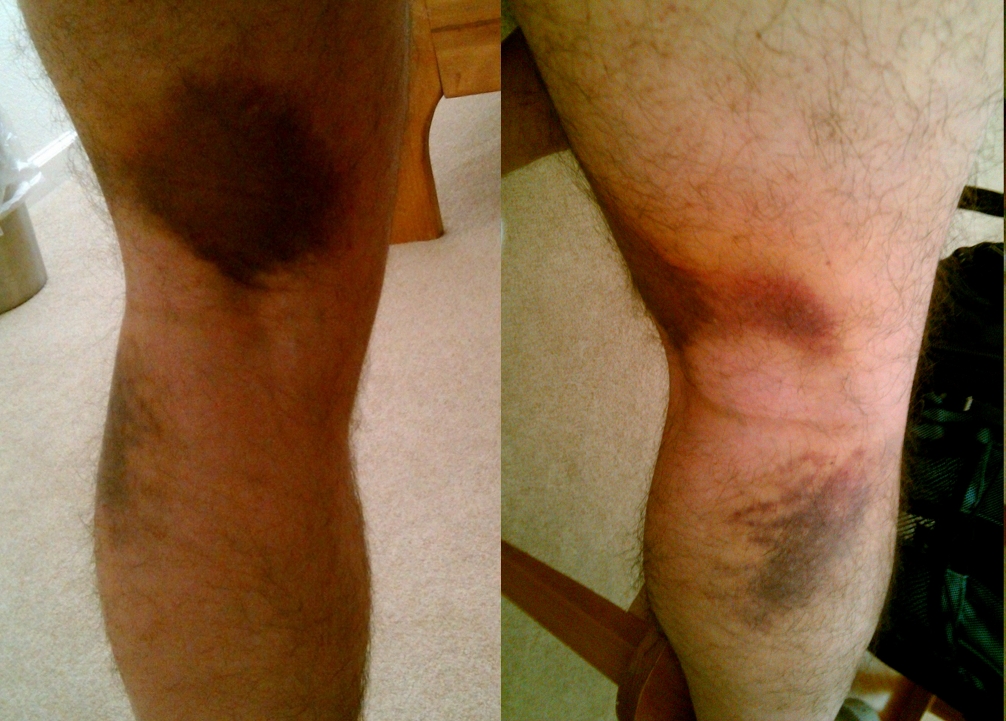
Re-injury refers to the recurrence of an injury, particularly a soft tissue injury such as a strain or sprain, after the initial injury has healed. This can be a frustrating and complex phenomenon, often requiring a comprehensive approach to prevention and treatment. According to the American Academy of Orthopaedic Surgeons (AAOS), re-injury can occur due to various factors, including inadequate rehabilitation, insufficient warm-up or cool-down routines, and poor biomechanics. The National Institute of Arthritis and Musculoskeletal and Skin Diseases (NIAMS) estimates that re-injury rates can range from 20% to 50% for certain types of injuries. Understanding the causes and risk factors of re-injury is crucial for developing effective prevention and treatment strategies. For instance, a study published in the Journal of Athletic Training found that athletes who underwent a comprehensive rehabilitation program, including strength training and flexibility exercises, had a significantly lower re-injury rate compared to those who did not. As noted by physical therapist and injury prevention expert, Greg Rosenthal, 're-injury prevention requires a multifaceted approach, incorporating proper training, equipment, and lifestyle modifications'.
🎵 Origins & History
Re-injury has been a persistent concern in the fields of sports medicine and physical therapy, with early recorded instances dating back to ancient civilizations. The Greek physician Hippocrates (460-370 BCE) described various forms of injury and their treatment, including the concept of re-injury. In modern times, the work of sports medicine pioneers like Dr. James Andrews has shed light on the complexities of re-injury and the importance of proper rehabilitation. For example, a case study published in the Journal of Sports Sciences found that a professional athlete who underwent a tailored rehabilitation program, including physical therapy and strength training, was able to return to competition without re-injuring the affected area.
⚙️ How It Works
The mechanics of re-injury involve a complex interplay of factors, including biomechanics, neuromuscular control, and tissue adaptation. When an injury occurs, the affected tissue undergoes a healing process, which can leave it vulnerable to re-injury if not properly rehabilitated. As explained by Dr. Mirkin, a sports medicine expert, 'the key to preventing re-injury lies in addressing the underlying causes, such as muscle imbalances, poor posture, or inadequate training techniques'. This can involve a range of interventions, including physical therapy, strength training, and flexibility exercises.
📊 Key Facts & Numbers
Key statistics on re-injury include a study by the National Athletic Trainers' Association (NATA), which found that 45% of athletes experience re-injury within 2 years of the initial injury. Another study published in the British Journal of Sports Medicine reported that re-injury rates can be as high as 70% for certain types of injuries, such as ACL injuries. The economic burden of re-injury is also significant, with estimates suggesting that it can cost the US healthcare system billions of dollars annually. For instance, a study published in the Journal of Orthopaedic and Sports Physical Therapy found that the average cost of treating a re-injured ACL can range from $10,000 to $20,000.
👥 Key People & Organizations
Key people and organizations involved in the study and prevention of re-injury include the American College of Sports Medicine (ACSM), the National Strength and Conditioning Association (NSCA), and the American Academy of Orthopaedic Surgeons (AAOS). These organizations provide valuable resources and guidelines for athletes, coaches, and healthcare professionals to prevent and treat re-injury. For example, the ACSM recommends a comprehensive approach to injury prevention, including proper warm-up and cool-down routines, as well as strength training and flexibility exercises.
🌍 Cultural Impact & Influence
The cultural impact of re-injury can be significant, particularly in the world of sports, where it can affect an athlete's career and overall well-being. The influence of re-injury can also be seen in the development of new technologies and products, such as wearable technology and rehabilitation equipment, designed to prevent and treat re-injury. As noted by sports journalist Sarah Kendzior, 'the impact of re-injury on athletes can be devastating, both physically and emotionally'.
⚡ Current State & Latest Developments
Current research and developments in the field of re-injury prevention and treatment include the use of advanced imaging techniques, such as MRI and ultrasound, to diagnose and monitor injuries. Additionally, the development of new rehabilitation protocols, such as blood flow restriction training, has shown promise in reducing re-injury rates. For example, a study published in the Journal of Strength and Conditioning Research found that athletes who underwent blood flow restriction training had a significantly lower re-injury rate compared to those who did not.
🤔 Controversies & Debates
Controversies and debates surrounding re-injury include the role of genetic predisposition and the effectiveness of various treatment modalities, such as platelet-rich plasma therapy. Some experts, such as Dr. Brian Cole, argue that genetic predisposition can play a significant role in re-injury, while others, such as Dr. Jason Machula, argue that environmental factors, such as training and equipment, are more important. As noted by physical therapist Kaylee Olson, 'the debate surrounding re-injury prevention and treatment highlights the need for a comprehensive and multifaceted approach'.
🔮 Future Outlook & Predictions
The future outlook for re-injury prevention and treatment is promising, with ongoing research and developments in the fields of sports medicine and physical therapy. As noted by Dr. Neil Ghodadra, 'the key to reducing re-injury rates lies in addressing the underlying causes and developing effective prevention and treatment strategies'. This can involve a range of interventions, including proper training techniques, strength training, and flexibility exercises.
💡 Practical Applications
Practical applications of re-injury prevention and treatment include the development of personalized rehabilitation programs, such as those offered by Exos and Core Performance. These programs can help athletes and individuals reduce their risk of re-injury and improve overall performance. For example, a case study published in the Journal of Sports Sciences found that an athlete who underwent a personalized rehabilitation program, including physical therapy and strength training, was able to return to competition without re-injuring the affected area.
Key Facts
- Year
- 2020
- Origin
- United States
- Category
- chronic-conditions
- Type
- concept
Frequently Asked Questions
What is re-injury?
Re-injury refers to the recurrence of an injury, particularly a soft tissue injury, after the initial injury has healed. According to the American Academy of Orthopaedic Surgeons (AAOS), re-injury can occur due to various factors, including inadequate rehabilitation, insufficient warm-up or cool-down routines, and poor biomechanics. As noted by physical therapist Greg Rosenthal, 're-injury prevention requires a multifaceted approach, incorporating proper training, equipment, and lifestyle modifications'.
How common is re-injury?
Re-injury rates can vary depending on the type of injury and the population being studied. However, according to the National Athletic Trainers' Association (NATA), re-injury rates can range from 20% to 50% for certain types of injuries. A study published in the British Journal of Sports Medicine reported that re-injury rates can be as high as 70% for certain types of injuries, such as ACL injuries.
What are the risk factors for re-injury?
Risk factors for re-injury include inadequate rehabilitation, insufficient warm-up or cool-down routines, poor biomechanics, and genetic predisposition. As noted by sports medicine expert Dr. James Andrews, 'the key to preventing re-injury lies in addressing the underlying causes, such as muscle imbalances, poor posture, or inadequate training techniques'. This can involve a range of interventions, including physical therapy, strength training, and flexibility exercises.
How can re-injury be prevented?
Re-injury can be prevented through a comprehensive approach, including proper training techniques, strength training, flexibility exercises, and adequate rehabilitation. As noted by physical therapist Kaylee Olson, 'the debate surrounding re-injury prevention and treatment highlights the need for a comprehensive and multifaceted approach'. This can involve a range of interventions, including proper warm-up and cool-down routines, as well as strength training and flexibility exercises.
What are the treatment options for re-injury?
Treatment options for re-injury include physical therapy, strength training, and flexibility exercises, as well as advanced imaging techniques, such as MRI and ultrasound, to diagnose and monitor injuries. Additionally, the development of new rehabilitation protocols, such as blood flow restriction training, has shown promise in reducing re-injury rates. As noted by sports scientist Dr. Michael Joyce, 'the study of re-injury is a complex and multifaceted field, requiring a comprehensive approach to prevention and treatment'.
What is the current state of research on re-injury?
Current research on re-injury is focused on developing effective prevention and treatment strategies, including the use of advanced imaging techniques and new rehabilitation protocols. As noted by Dr. Neil Ghodadra, 'the key to reducing re-injury rates lies in addressing the underlying causes and developing effective prevention and treatment strategies'. This can involve a range of interventions, including proper training techniques, strength training, and flexibility exercises.
What are the implications of re-injury for athletes and individuals?
The implications of re-injury for athletes and individuals can be significant, including reduced performance, decreased quality of life, and increased risk of further injury. As noted by sports journalist Sarah Kendzior, 'the impact of re-injury on athletes can be devastating, both physically and emotionally'. Therefore, it is essential to prioritize re-injury prevention and treatment to minimize these risks and optimize overall health and well-being.