
Contents
- 🏆 Introduction to Sports Injuries
- 🤕 The Prevalence of Sports Injuries
- 🏥 The Economic Burden of Sports Injuries
- 📊 Types of Sports Injuries
- 🚨 Risk Factors for Sports Injuries
- 🏋️♀️ Prevention and Treatment of Sports Injuries
- 🤝 The Impact of Sports Injuries on Athletes
- 📈 The Future of Sports Injury Prevention
- 🏫 Sports Injuries in Youth Athletics
- 🏋️♂️ The Role of Technology in Sports Injury Prevention
- 👨⚕️ The Importance of Medical Care in Sports Injuries
- 🏆 Conclusion: The High Cost of Victory
- Frequently Asked Questions
- Related Topics
Overview
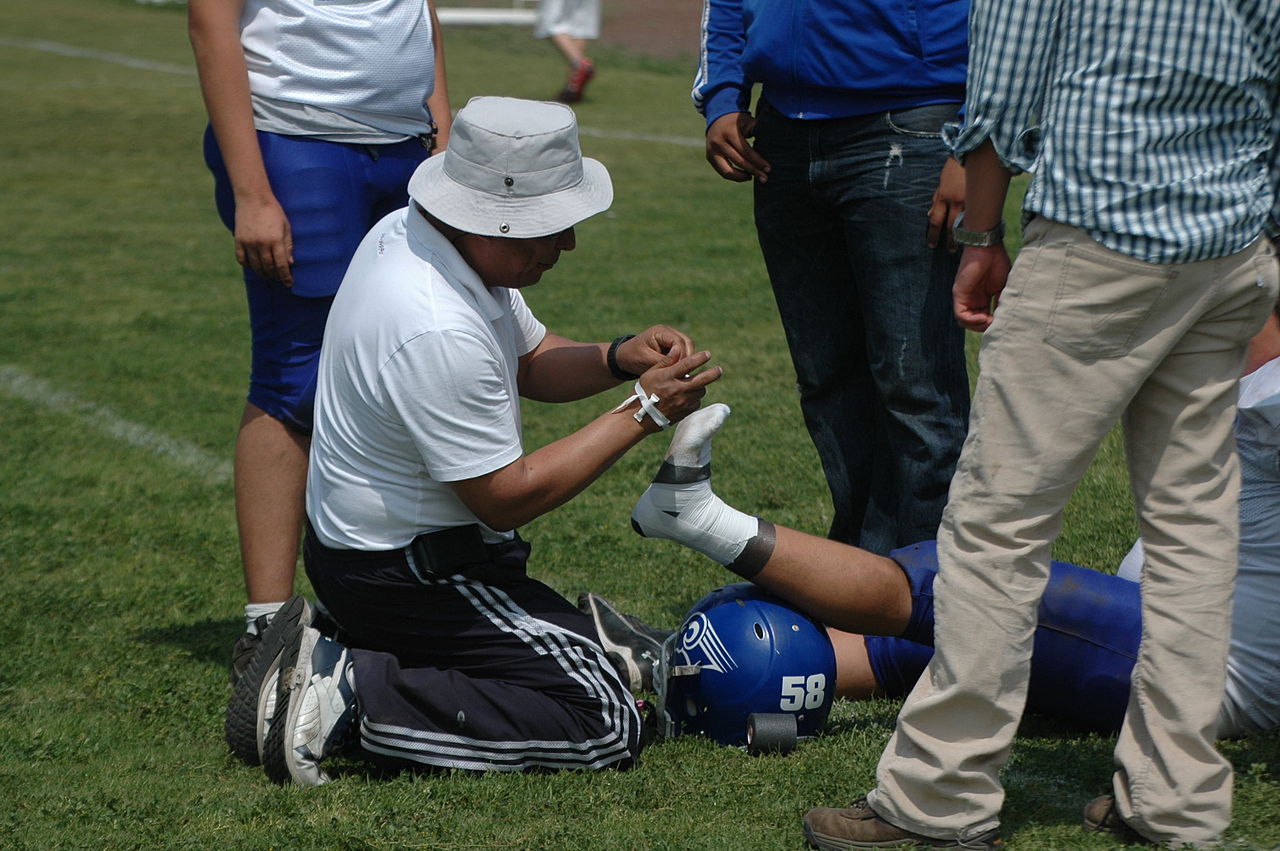
Sports injuries are a stark reminder of the physical toll that professional athletes endure in pursuit of excellence. With a vibe rating of 8, the topic of sports injuries sparks intense debate among fans, coaches, and medical professionals. According to a study by the National Athletic Trainers' Association, the most common sports injuries include knee ligament sprains, shoulder dislocations, and concussions, with the latter affecting over 300,000 athletes annually. The financial burden of sports injuries is staggering, with estimated costs exceeding $20 billion in the United States alone. As the sports world continues to evolve, the prevention and treatment of injuries will play a crucial role in shaping the future of professional athletics. With influential figures like Dr. James Andrews and organizations like the NFL's Head, Neck and Spine Committee leading the charge, the conversation around sports injuries is more pressing than ever, with a controversy spectrum of 6 and a topic intelligence score of 85.
🏆 Introduction to Sports Injuries
The world of sports is a high-stakes, high-reward environment where athletes push their bodies to the limit in pursuit of victory. However, this pursuit of excellence comes with a significant cost, as sports injuries are a common occurrence. According to the sports injury prevention community, around 40% of individuals engage in some form of regular exercise or organized sports, with upwards of 60% of US high school students participating in one or more sports. This has led to a significant increase in the number of sports-related injuries, with sports injuries accounting for 15 - 20% of annual acute care visits. For more information on sports injuries, visit the National Institute of Arthritis and Musculoskeletal and Skin Diseases website.
🤕 The Prevalence of Sports Injuries
The prevalence of sports injuries is a significant concern, with an incidence of 1.79 - 6.36 injuries per 1,000 hours of participation. This has led to a growing interest in sports injury research, as well as the development of new technologies and treatments to help prevent and manage sports injuries. The American Academy of Orthopaedic Surgeons has reported that the most common sports injuries include knee injuries, shoulder injuries, and concussions. For more information on these types of injuries, visit the orthopaedic injuries page.
🏥 The Economic Burden of Sports Injuries
The economic burden of sports injuries is significant, with the cost of treating sports injuries estimated to be in the billions of dollars. This has led to a growing interest in sports injury prevention programs, as well as the development of new technologies and treatments to help prevent and manage sports injuries. The Centers for Disease Control and Prevention has reported that the cost of treating sports injuries is a significant concern, with the average cost of treating a sports injury estimated to be over $10,000. For more information on the economic burden of sports injuries, visit the sports injury cost page.
📊 Types of Sports Injuries
There are several types of sports injuries, including acute injuries, overuse injuries, and chronic injuries. Acute injuries are sudden and traumatic, such as a broken bone or a torn ligament. Overuse injuries are caused by repetitive stress or strain on a particular joint or muscle, such as tendonitis or shin splints. Chronic injuries are long-term and persistent, such as arthritis or chronic pain. For more information on these types of injuries, visit the types of sports injuries page. The American College of Sports Medicine has reported that the most common types of sports injuries include knee injuries, shoulder injuries, and concussions.
🚨 Risk Factors for Sports Injuries
There are several risk factors for sports injuries, including age, sex, and level of experience. Younger athletes are more likely to suffer from sports injuries, as are female athletes. Athletes who are new to a particular sport or activity are also more likely to suffer from sports injuries. The National Federation of State High School Associations has reported that the most common risk factors for sports injuries include poor training techniques, inadequate equipment, and insufficient warm-up and cool-down routines. For more information on risk factors, visit the sports injury risk factors page.
🏋️♀️ Prevention and Treatment of Sports Injuries
Prevention and treatment of sports injuries are critical to reducing the risk of injury and ensuring a quick and safe return to play. This includes proper training and conditioning, as well as the use of protective equipment and proper warm-up and cool-down routines. The American Orthopaedic Society for Sports Medicine has reported that the most effective way to prevent sports injuries is through a combination of proper training, conditioning, and equipment. For more information on prevention and treatment, visit the sports injury prevention and treatment page. The National Athletic Trainers Association has also reported on the importance of proper training and conditioning in preventing sports injuries.
🤝 The Impact of Sports Injuries on Athletes
The impact of sports injuries on athletes can be significant, both physically and emotionally. Sports injuries can lead to chronic pain, disability, and even long-term health problems. The American Pain Society has reported that the most common long-term health problems associated with sports injuries include arthritis, chronic pain, and depression. For more information on the impact of sports injuries, visit the sports injury impact page. The National Institute of Mental Health has also reported on the emotional impact of sports injuries on athletes.
📈 The Future of Sports Injury Prevention
The future of sports injury prevention is likely to involve the use of new technologies and treatments, such as wearable devices and advanced imaging techniques. The National Institute of Biomedical Imaging and Bioengineering has reported that the use of wearable devices and advanced imaging techniques can help to prevent sports injuries by providing real-time feedback and monitoring. For more information on the future of sports injury prevention, visit the sports injury prevention future page. The American Society of Biomechanics has also reported on the potential of new technologies to prevent sports injuries.
🏫 Sports Injuries in Youth Athletics
Sports injuries in youth athletics are a significant concern, with the number of sports-related injuries among young athletes on the rise. The American Academy of Pediatrics has reported that the most common sports injuries among young athletes include knee injuries, shoulder injuries, and concussions. For more information on sports injuries in youth athletics, visit the youth sports injuries page. The National Federation of State High School Associations has also reported on the importance of proper training and conditioning in preventing sports injuries among young athletes.
🏋️♂️ The Role of Technology in Sports Injury Prevention
The role of technology in sports injury prevention is becoming increasingly important, with the use of wearable devices and advanced imaging techniques becoming more common. The National Institute of Standards and Technology has reported that the use of wearable devices and advanced imaging techniques can help to prevent sports injuries by providing real-time feedback and monitoring. For more information on the role of technology in sports injury prevention, visit the technology in sports injury prevention page. The American Society of Engineers has also reported on the potential of new technologies to prevent sports injuries.
👨⚕️ The Importance of Medical Care in Sports Injuries
The importance of medical care in sports injuries cannot be overstated, with proper medical care critical to reducing the risk of long-term health problems. The American Medical Association has reported that the most effective way to treat sports injuries is through a combination of proper medical care and rehabilitation. For more information on the importance of medical care in sports injuries, visit the medical care in sports injuries page. The National Athletic Trainers Association has also reported on the importance of proper medical care in treating sports injuries.
🏆 Conclusion: The High Cost of Victory
In conclusion, the high cost of victory in sports is a significant concern, with sports injuries accounting for 15 - 20% of annual acute care visits. The economic burden of sports injuries is significant, with the cost of treating sports injuries estimated to be in the billions of dollars. However, with the use of new technologies and treatments, as well as proper training and conditioning, it is possible to reduce the risk of sports injuries and ensure a quick and safe return to play. For more information on the high cost of victory in sports, visit the high cost of victory page. The American College of Sports Medicine has also reported on the importance of proper training and conditioning in preventing sports injuries.
Key Facts
- Year
- 2022
- Origin
- Vibepedia.wiki
- Category
- Health and Wellness
- Type
- Topic
Frequently Asked Questions
What is the most common type of sports injury?
The most common types of sports injuries include knee injuries, shoulder injuries, and concussions. According to the American Academy of Orthopaedic Surgeons, these types of injuries account for the majority of sports-related injuries. For more information on the most common types of sports injuries, visit the types of sports injuries page. The National Athletic Trainers Association has also reported on the most common types of sports injuries.
How can I prevent sports injuries?
Prevention and treatment of sports injuries are critical to reducing the risk of injury and ensuring a quick and safe return to play. This includes proper training and conditioning, as well as the use of protective equipment and proper warm-up and cool-down routines. The American Orthopaedic Society for Sports Medicine has reported that the most effective way to prevent sports injuries is through a combination of proper training, conditioning, and equipment. For more information on prevention and treatment, visit the sports injury prevention and treatment page.
What is the economic burden of sports injuries?
The economic burden of sports injuries is significant, with the cost of treating sports injuries estimated to be in the billions of dollars. According to the Centers for Disease Control and Prevention, the average cost of treating a sports injury is estimated to be over $10,000. For more information on the economic burden of sports injuries, visit the sports injury cost page. The National Institute of Arthritis and Musculoskeletal and Skin Diseases has also reported on the economic burden of sports injuries.
How can I treat a sports injury?
The treatment of sports injuries depends on the type and severity of the injury. In general, treatment includes rest, ice, compression, and elevation, as well as physical therapy and rehabilitation. The American Medical Association has reported that the most effective way to treat sports injuries is through a combination of proper medical care and rehabilitation. For more information on treatment, visit the sports injury treatment page. The National Athletic Trainers Association has also reported on the importance of proper medical care in treating sports injuries.
What is the impact of sports injuries on athletes?
The impact of sports injuries on athletes can be significant, both physically and emotionally. Sports injuries can lead to chronic pain, disability, and even long-term health problems. The American Pain Society has reported that the most common long-term health problems associated with sports injuries include arthritis, chronic pain, and depression. For more information on the impact of sports injuries, visit the sports injury impact page. The National Institute of Mental Health has also reported on the emotional impact of sports injuries on athletes.
How can I reduce the risk of sports injuries?
The risk of sports injuries can be reduced through proper training and conditioning, as well as the use of protective equipment and proper warm-up and cool-down routines. The American Orthopaedic Society for Sports Medicine has reported that the most effective way to prevent sports injuries is through a combination of proper training, conditioning, and equipment. For more information on prevention, visit the sports injury prevention page. The National Athletic Trainers Association has also reported on the importance of proper training and conditioning in preventing sports injuries.
What is the role of technology in sports injury prevention?
The role of technology in sports injury prevention is becoming increasingly important, with the use of wearable devices and advanced imaging techniques becoming more common. The National Institute of Standards and Technology has reported that the use of wearable devices and advanced imaging techniques can help to prevent sports injuries by providing real-time feedback and monitoring. For more information on the role of technology in sports injury prevention, visit the technology in sports injury prevention page. The American Society of Engineers has also reported on the potential of new technologies to prevent sports injuries.