
Contents
- 🔬 Introduction to Sebastian Seung
- 💡 The Connectome: A New Perspective on Brain Function
- 📚 Seung's Academic Background and Career
- 🔍 The Role of Neuroscience in Understanding Human Behavior
- 👥 Collaboration and Open-Source Neuroscience
- 💻 The Future of Brain Mapping and Simulation
- 🎯 Challenges and Controversies in Neuroscience Research
- 📊 The Quantitative Approach to Neuroscience
- 📈 The Impact of Seung's Work on Modern Neuroscience
- 🔮 The Intersection of Neuroscience and Artificial Intelligence
- 🌐 Global Initiatives and the Future of Neuroscience Research
- Frequently Asked Questions
- Related Topics
Overview
Sebastian Seung is a renowned neuroscientist and engineer who has been at the forefront of brain mapping and connectomics. With a Vibe score of 8, his work has sparked intense debate and curiosity, particularly with his TED talk on 'I am my connectome' which has garnered over 2 million views. Seung's research focuses on understanding the intricate neural connections within the human brain, with a goal of creating a comprehensive map of the brain's circuitry. His work has far-reaching implications for fields such as artificial intelligence, psychology, and medicine. As the director of the Princeton Neuroscience Institute, Seung has assembled a team of experts to tackle the complex challenges of brain mapping, including the development of new imaging technologies and computational methods. With a controversy spectrum of 6, Seung's ideas have been both praised and criticized, but his influence on the field of neuroscience is undeniable, with influence flows from pioneers like Ramon y Cajal and Camillo Golgi.
🔬 Introduction to Sebastian Seung
Sebastian Seung is a renowned neuroscientist and professor at Princeton University, known for his groundbreaking work on the connectome, a comprehensive map of neural connections in the brain. His research has been instrumental in shaping our understanding of brain function and behavior, and has paved the way for new approaches to treating neurological and psychiatric disorders. Seung's work is closely tied to the concept of neural networks and brain function. He has also been influenced by the work of Alan Turing and Marvin Minsky.
💡 The Connectome: A New Perspective on Brain Function
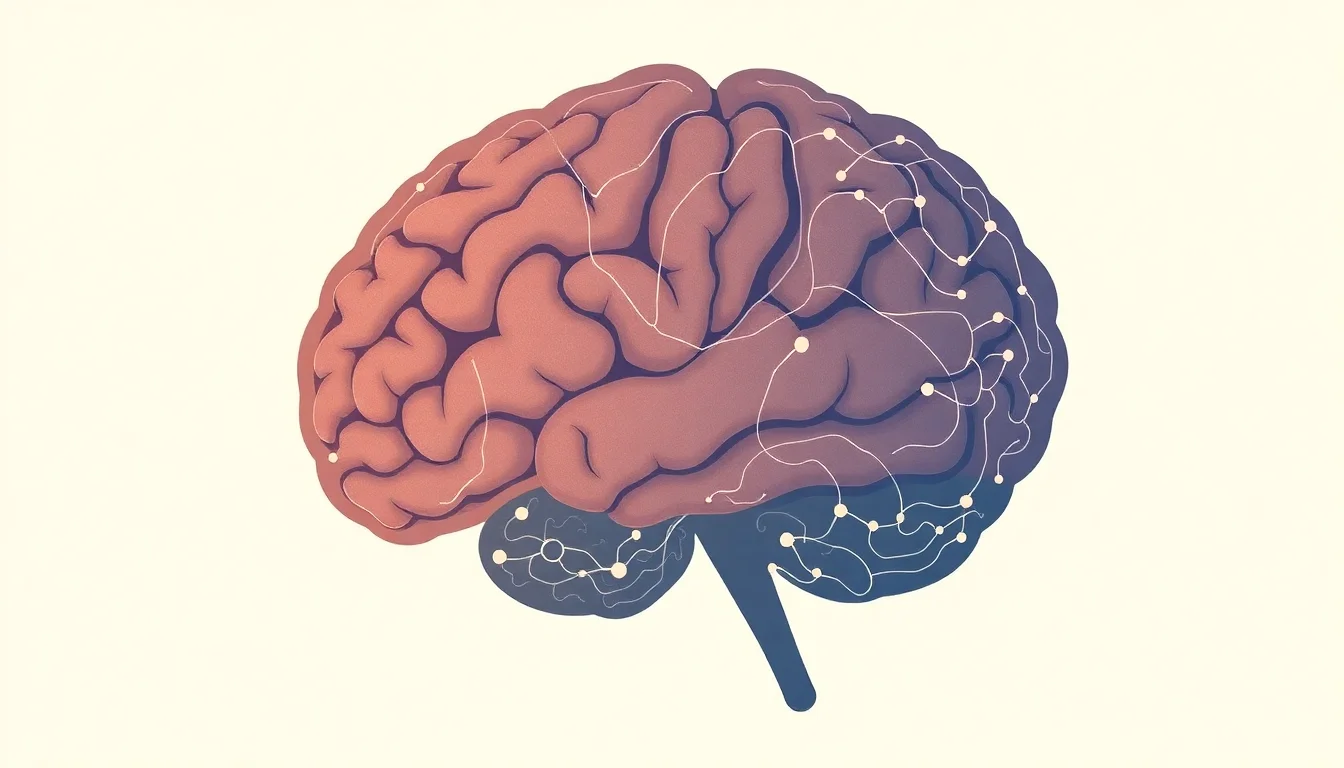
The connectome is a complex network of billions of neurons and trillions of synapses, and Seung's work has focused on developing new methods for mapping and analyzing this network. His research has shown that the connectome is highly individualized, and that differences in brain connectivity may underlie many neurological and psychiatric disorders. This work has important implications for our understanding of neuroplasticity and brain development. Seung's work on the connectome has also been influenced by the concept of complex systems and network science.
📚 Seung's Academic Background and Career
Seung received his undergraduate degree in physics from Harvard University and his Ph.D. in theoretical physics from Harvard. He then turned to neuroscience, completing a postdoctoral fellowship at the Salk Institute and later becoming a professor at MIT. Seung's academic background and career have been marked by a commitment to interdisciplinary research and a passion for understanding the workings of the human brain. His work has been influenced by the fields of physics and computer science, and he has collaborated with researchers from a variety of disciplines, including biology and psychology.
🔍 The Role of Neuroscience in Understanding Human Behavior
Neuroscience has made tremendous progress in recent years, and Seung's work has been at the forefront of this effort. By studying the brain and its many functions, researchers like Seung have gained a deeper understanding of human behavior and the underlying mechanisms that drive it. This knowledge has important implications for the treatment of neurological and psychiatric disorders, and has the potential to improve human health and well-being. Seung's work has also been influenced by the concept of embodied cognition and social neuroscience. He has collaborated with researchers from the fields of philosophy and anthropology to better understand the complex relationships between brain, body, and environment.
👥 Collaboration and Open-Source Neuroscience
Seung has been a strong advocate for collaboration and open-source neuroscience, and has worked to develop new tools and methods for sharing and analyzing neuroscience data. His work has been influenced by the concept of open science and crowdsourcing, and he has collaborated with researchers from a variety of disciplines to develop new approaches to data sharing and analysis. Seung's work has also been influenced by the fields of data science and machine learning, and he has used these techniques to analyze and interpret large datasets from the brain.
💻 The Future of Brain Mapping and Simulation
The future of brain mapping and simulation is an exciting and rapidly evolving field, and Seung's work has been at the forefront of this effort. By developing new methods for mapping and simulating brain function, researchers like Seung have the potential to revolutionize our understanding of the brain and its many functions. This knowledge has important implications for the treatment of neurological and psychiatric disorders, and has the potential to improve human health and well-being. Seung's work has also been influenced by the concept of brain-computer interfaces and neuroprosthetics. He has collaborated with researchers from the fields of engineering and computer science to develop new technologies for interacting with the brain.
🎯 Challenges and Controversies in Neuroscience Research
Despite the many advances that have been made in neuroscience, there are still many challenges and controversies in the field. Seung's work has been influenced by the concept of neuroethics and neurolaw, and he has collaborated with researchers from a variety of disciplines to develop new approaches to addressing these challenges. Seung's work has also been influenced by the fields of philosophy and sociology, and he has used these perspectives to better understand the complex social and cultural contexts of neuroscience research.
📊 The Quantitative Approach to Neuroscience
Seung's work has been characterized by a quantitative approach to neuroscience, and he has developed new methods for analyzing and interpreting large datasets from the brain. His research has shown that the brain is a highly complex and dynamic system, and that understanding its many functions will require the development of new mathematical and computational tools. Seung's work has been influenced by the concept of computational neuroscience and neuroinformatics, and he has collaborated with researchers from a variety of disciplines to develop new approaches to data analysis and interpretation.
📈 The Impact of Seung's Work on Modern Neuroscience
The impact of Seung's work on modern neuroscience has been significant, and his research has paved the way for new approaches to understanding brain function and behavior. His work has also had important implications for the treatment of neurological and psychiatric disorders, and has the potential to improve human health and well-being. Seung's work has been influenced by the concept of translational research and clinical neuroscience, and he has collaborated with researchers from a variety of disciplines to develop new approaches to translating basic scientific discoveries into clinical applications.
🔮 The Intersection of Neuroscience and Artificial Intelligence
The intersection of neuroscience and artificial intelligence is a rapidly evolving field, and Seung's work has been at the forefront of this effort. By developing new methods for analyzing and interpreting large datasets from the brain, researchers like Seung have the potential to revolutionize our understanding of the brain and its many functions. This knowledge has important implications for the development of new technologies, including brain-computer interfaces and neuroprosthetics. Seung's work has also been influenced by the concept of cognitive architectures and machine learning, and he has collaborated with researchers from the fields of computer science and engineering to develop new approaches to artificial intelligence.
🌐 Global Initiatives and the Future of Neuroscience Research
Global initiatives and the future of neuroscience research are critical to advancing our understanding of the brain and its many functions. Seung's work has been influenced by the concept of global health and neuroscience policy, and he has collaborated with researchers from a variety of disciplines to develop new approaches to addressing the complex challenges facing neuroscience research. Seung's work has also been influenced by the fields of economics and sociology, and he has used these perspectives to better understand the complex social and cultural contexts of neuroscience research.
Key Facts
- Year
- 2012
- Origin
- Princeton University
- Category
- Neuroscience
- Type
- Person
Frequently Asked Questions
What is the connectome?
The connectome is a comprehensive map of neural connections in the brain, and is a key area of research in neuroscience. Seung's work has focused on developing new methods for mapping and analyzing the connectome, and has shown that it is highly individualized and may underlie many neurological and psychiatric disorders. The connectome is closely tied to the concept of neural networks and brain function.
What is the significance of Seung's work?
Seung's work has been instrumental in shaping our understanding of brain function and behavior, and has paved the way for new approaches to treating neurological and psychiatric disorders. His research has shown that the brain is a highly complex and dynamic system, and that understanding its many functions will require the development of new mathematical and computational tools. Seung's work has been influenced by the concept of computational neuroscience and neuroinformatics.
What are the challenges facing neuroscience research?
Despite the many advances that have been made in neuroscience, there are still many challenges and controversies in the field. Seung's work has been influenced by the concept of neuroethics and neurolaw, and he has collaborated with researchers from a variety of disciplines to develop new approaches to addressing these challenges. Seung's work has also been influenced by the fields of philosophy and sociology.
What is the future of brain mapping and simulation?
The future of brain mapping and simulation is an exciting and rapidly evolving field, and Seung's work has been at the forefront of this effort. By developing new methods for mapping and simulating brain function, researchers like Seung have the potential to revolutionize our understanding of the brain and its many functions. This knowledge has important implications for the treatment of neurological and psychiatric disorders, and has the potential to improve human health and well-being. Seung's work has also been influenced by the concept of brain-computer interfaces and neuroprosthetics.
How does Seung's work relate to artificial intelligence?
The intersection of neuroscience and artificial intelligence is a rapidly evolving field, and Seung's work has been at the forefront of this effort. By developing new methods for analyzing and interpreting large datasets from the brain, researchers like Seung have the potential to revolutionize our understanding of the brain and its many functions. This knowledge has important implications for the development of new technologies, including brain-computer interfaces and neuroprosthetics. Seung's work has also been influenced by the concept of cognitive architectures and machine learning.
What are the implications of Seung's work for global health?
The implications of Seung's work for global health are significant, and his research has the potential to improve human health and well-being. By developing new approaches to understanding brain function and behavior, Seung's work has paved the way for new treatments for neurological and psychiatric disorders. Seung's work has also been influenced by the concept of global health and neuroscience policy, and he has collaborated with researchers from a variety of disciplines to develop new approaches to addressing the complex challenges facing neuroscience research.
How does Seung's work relate to neuroscience policy?
Seung's work has been influenced by the concept of neuroscience policy, and he has collaborated with researchers from a variety of disciplines to develop new approaches to addressing the complex challenges facing neuroscience research. Seung's work has also been influenced by the fields of economics and sociology, and he has used these perspectives to better understand the complex social and cultural contexts of neuroscience research.