
Contents
- 📊 Introduction to Economics
- 📈 The Production of Goods and Services
- 🚚 Distribution and Exchange
- 🛍️ Consumption and Demand
- 📊 Economic Systems and Institutions
- 💸 International Trade and Finance
- 🌎 Globalization and Economic Development
- 📊 Economic Policy and Regulation
- 📈 Economic Growth and Development
- 💡 Economic Theory and Critique
- Frequently Asked Questions
- Related Topics
Overview
The economics of everything is a vast and complex field that encompasses the study of how societies produce, distribute, and consume goods and services. At its core, economics is a social science that seeks to understand the ways in which individuals, businesses, and governments make decisions about how to allocate resources. As noted by Economics pioneer Adam Smith, the concept of Comparative Advantage is crucial in understanding international trade. The study of economics is essential for understanding the world around us, from the prices we pay for everyday items to the policies that shape our economies. For instance, the concept of Opportunity Cost is vital in understanding the trade-offs involved in economic decision-making. Economists use a range of tools and techniques, including data analysis and economic modeling, to understand economic phenomena and develop policies to promote economic growth and development. The work of economists like John Maynard Keynes has had a significant impact on our understanding of economic systems and institutions.
📈 The Production of Goods and Services
The production of goods and services is a critical component of economic activity, and economists study the ways in which firms and individuals produce goods and services. This includes the study of Production Functions, which describe the relationship between inputs and outputs in the production process. The concept of Diminishing Returns is also essential in understanding the production process. Economists also examine the role of Technology in shaping production processes and improving productivity. For example, the development of new technologies has enabled firms to produce goods and services more efficiently, leading to increased productivity and economic growth. The study of production is closely tied to the study of Labor Markets, which examine the ways in which workers are employed and compensated. As noted by Karl Marx, the concept of Alienation is crucial in understanding the relationship between workers and the production process.
🚚 Distribution and Exchange
The distribution and exchange of goods and services are also critical components of economic activity, and economists study the ways in which goods and services are bought and sold. This includes the study of Markets, which are institutions that facilitate the exchange of goods and services. The concept of Supply and Demand is essential in understanding how markets work. Economists also examine the role of Prices in facilitating exchange and allocating resources. For instance, the concept of Price Elasticity is vital in understanding how changes in prices affect the demand for goods and services. The study of distribution and exchange is closely tied to the study of International Trade, which examines the ways in which goods and services are traded across national borders. As noted by David Ricardo, the concept of Comparative Advantage is crucial in understanding international trade.
🛍️ Consumption and Demand
The consumption of goods and services is the final stage of economic activity, and economists study the ways in which individuals and households make decisions about what to consume. This includes the study of Consumer Behavior, which examines the factors that influence consumer choice. The concept of Budget Constraint is essential in understanding how consumers make decisions about what to consume. Economists also examine the role of Preferences in shaping consumer behavior. For example, the concept of Indifference Curve is vital in understanding how consumers make trade-offs between different goods and services. The study of consumption is closely tied to the study of Saving and Investment, which examines the ways in which individuals and households allocate their income between present and future consumption. As noted by Gary Becker, the concept of Human Capital is crucial in understanding how individuals make investments in their education and training.
📊 Economic Systems and Institutions
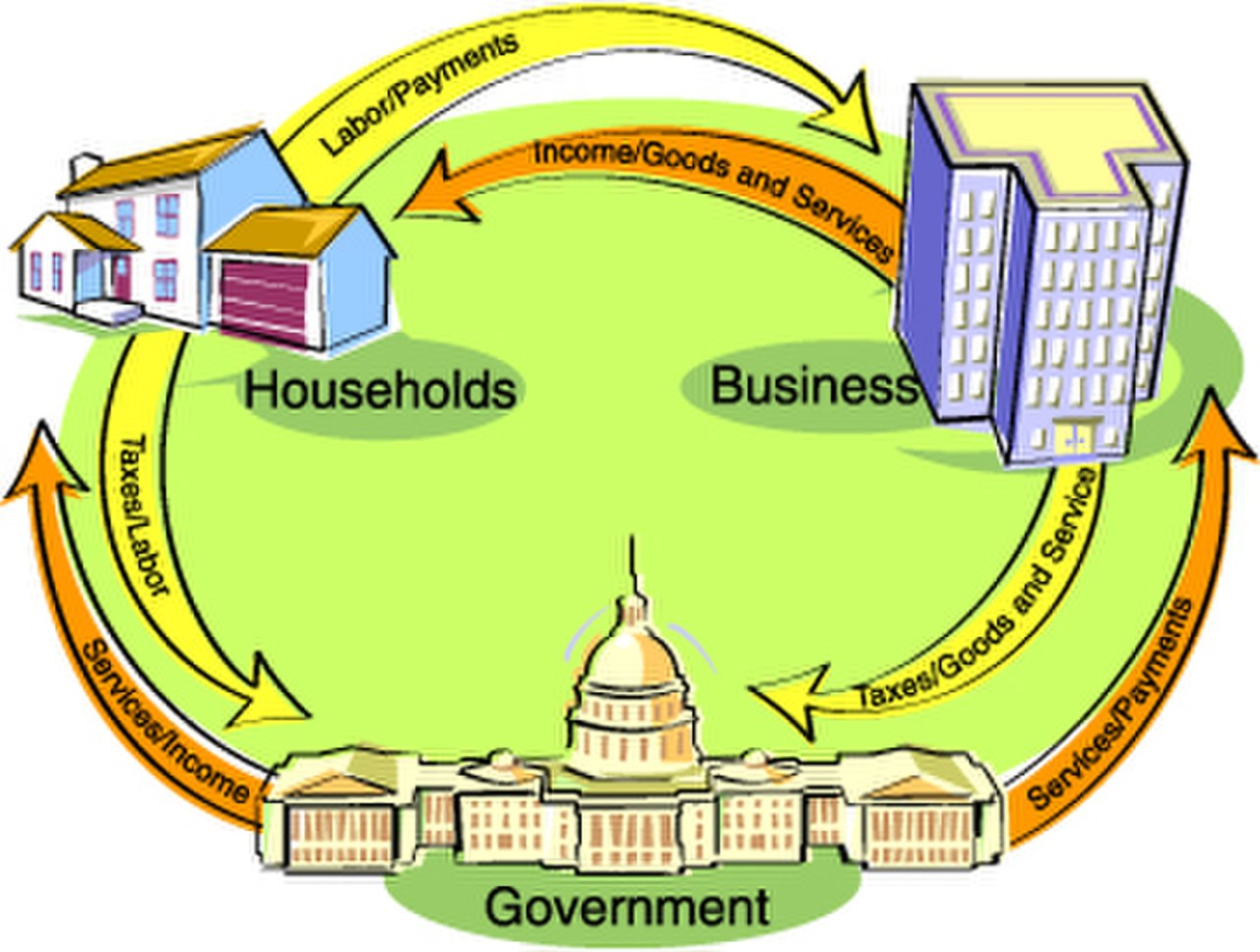
Economic systems and institutions are the frameworks within which economic activity takes place, and economists study the ways in which different economic systems and institutions shape economic outcomes. This includes the study of Capitalism, Socialism, and other economic systems. The concept of Property Rights is essential in understanding how economic systems and institutions shape economic outcomes. Economists also examine the role of Governments in regulating economic activity and providing public goods. For instance, the concept of Public Choice Theory is vital in understanding how governments make decisions about economic policy. The study of economic systems and institutions is closely tied to the study of Economic History, which examines the development of economic systems and institutions over time. As noted by Joseph Schumpeter, the concept of Creative Destruction is crucial in understanding how economic systems and institutions evolve over time.
💸 International Trade and Finance
International trade and finance are critical components of the global economy, and economists study the ways in which countries trade goods and services with one another. This includes the study of Trade Agreements, which are agreements between countries to reduce barriers to trade. The concept of Tariffs is essential in understanding how countries use trade policies to protect their domestic industries. Economists also examine the role of Exchange Rates in facilitating international trade and investment. For example, the concept of Purchasing Power Parity is vital in understanding how exchange rates affect the trade balance. The study of international trade and finance is closely tied to the study of Globalization, which examines the ways in which the global economy is becoming increasingly interconnected. As noted by Thomas Friedman, the concept of Flat World is crucial in understanding how globalization is shaping the global economy.
🌎 Globalization and Economic Development
Globalization and economic development are closely tied, and economists study the ways in which globalization is shaping economic outcomes in developing countries. This includes the study of Foreign Direct Investment, which is investment by foreign companies in domestic industries. The concept of Technology Transfer is essential in understanding how foreign investment can promote economic development. Economists also examine the role of International Institutions, such as the World Bank and the International Monetary Fund, in promoting economic development. For instance, the concept of Conditional Cash Transfers is vital in understanding how international institutions can promote economic development. The study of globalization and economic development is closely tied to the study of Poverty and Inequality, which examines the ways in which economic outcomes are distributed across different groups. As noted by Amartya Sen, the concept of Human Development is crucial in understanding how economic development can promote human well-being.
📊 Economic Policy and Regulation
Economic policy and regulation are critical components of economic systems, and economists study the ways in which governments use policy and regulation to shape economic outcomes. This includes the study of Fiscal Policy, which is the use of government spending and taxation to stabilize the economy. The concept of Monetary Policy is essential in understanding how central banks use interest rates and other tools to promote economic stability. Economists also examine the role of Regulatory Policy in promoting economic efficiency and protecting the public interest. For example, the concept of Cost-Benefit Analysis is vital in understanding how regulatory policy can promote economic efficiency. The study of economic policy and regulation is closely tied to the study of Public Finance, which examines the ways in which governments raise and allocate revenue. As noted by Milton Friedman, the concept of Laissez-Faire is crucial in understanding how economic policy and regulation can promote economic freedom.
📈 Economic Growth and Development
Economic growth and development are critical components of economic systems, and economists study the ways in which countries can promote economic growth and development. This includes the study of Economic Growth Theory, which examines the factors that drive economic growth. The concept of Human Capital is essential in understanding how investments in education and training can promote economic growth. Economists also examine the role of Institutional Quality in promoting economic growth and development. For instance, the concept of Rule of Law is vital in understanding how institutional quality can promote economic growth. The study of economic growth and development is closely tied to the study of Poverty Reduction, which examines the ways in which economic growth and development can reduce poverty and promote human well-being. As noted by Robert Barro, the concept of Convergence is crucial in understanding how economic growth and development can promote economic convergence across countries.
💡 Economic Theory and Critique
Economic theory and critique are essential components of the study of economics, and economists use a range of theoretical frameworks and critical perspectives to understand economic phenomena. This includes the study of Neoclassical Economics, which is a theoretical framework that emphasizes the role of individual choice and market forces in shaping economic outcomes. The concept of Behavioral Economics is essential in understanding how psychological and social factors influence economic decision-making. Economists also examine the role of Institutional Economics in shaping economic outcomes. For example, the concept of Path Dependence is vital in understanding how institutional factors can shape economic outcomes. The study of economic theory and critique is closely tied to the study of Economic Methodology, which examines the ways in which economists use theory and evidence to understand economic phenomena. As noted by Paul Samuelson, the concept of Economics as a Science is crucial in understanding how economic theory and critique can promote a deeper understanding of economic phenomena.
Key Facts
- Year
- 1776
- Origin
- Scotland, with the publication of Adam Smith's 'The Wealth of Nations'
- Category
- Social Sciences
- Type
- Discipline
Frequently Asked Questions
What is the definition of economics?
Economics is a social science that studies the production, distribution, and consumption of goods and services. It examines how individuals, businesses, and governments make decisions about how to allocate resources. The study of economics is essential for understanding the world around us, from the prices we pay for everyday items to the policies that shape our economies. As noted by Economics pioneer Adam Smith, the concept of Comparative Advantage is crucial in understanding international trade. The study of economics is closely tied to the study of Macroeconomics and Microeconomics.
What are the main branches of economics?
The main branches of economics are Macroeconomics and Microeconomics. Macroeconomics examines the economy as a whole, including issues such as economic growth, inflation, and unemployment. Microeconomics examines the behavior of individual economic units, such as households and firms. The study of macroeconomics and microeconomics is essential for understanding how economic systems work and how economic policy can be used to promote economic growth and development. As noted by John Maynard Keynes, the concept of Aggregate Demand is crucial in understanding how macroeconomic policy can promote economic growth.
What is the importance of international trade?
International trade is critical for promoting economic growth and development. It allows countries to specialize in the production of goods and services in which they have a comparative advantage, and to trade with other countries to acquire goods and services that they cannot produce themselves. The study of international trade is closely tied to the study of Globalization, which examines the ways in which the global economy is becoming increasingly interconnected. As noted by David Ricardo, the concept of Comparative Advantage is crucial in understanding how international trade can promote economic growth and development.
What is the role of government in the economy?
The role of government in the economy is to provide a framework for economic activity, to regulate economic activity, and to provide public goods and services. Governments use a range of policies, including Fiscal Policy and Monetary Policy, to promote economic growth and stability. The study of government policy is closely tied to the study of Public Finance, which examines the ways in which governments raise and allocate revenue. As noted by Milton Friedman, the concept of Laissez-Faire is crucial in understanding how government policy can promote economic freedom.
What is the difference between economic growth and economic development?
Economic growth refers to an increase in the production of goods and services, while economic development refers to an improvement in the standard of living and the quality of life. Economic development is a broader concept that encompasses not only economic growth but also social and institutional changes that promote human well-being. The study of economic development is closely tied to the study of Poverty Reduction, which examines the ways in which economic growth and development can reduce poverty and promote human well-being. As noted by Amartya Sen, the concept of Human Development is crucial in understanding how economic development can promote human well-being.
What is the importance of economic theory?
Economic theory is essential for understanding economic phenomena and for developing policies to promote economic growth and development. It provides a framework for analyzing economic data and for evaluating the impact of economic policies. The study of economic theory is closely tied to the study of Economic Methodology, which examines the ways in which economists use theory and evidence to understand economic phenomena. As noted by Paul Samuelson, the concept of Economics as a Science is crucial in understanding how economic theory can promote a deeper understanding of economic phenomena.
What is the role of institutions in shaping economic outcomes?
Institutions play a critical role in shaping economic outcomes by providing a framework for economic activity and by influencing the behavior of economic agents. The study of institutions is closely tied to the study of Institutional Economics, which examines the ways in which institutions shape economic outcomes. As noted by Douglas North, the concept of Institutional Quality is crucial in understanding how institutions can promote economic growth and development.