
Contents
- 🔬 Introduction to p75ntr
- 🧬 Structure and Function of p75ntr
- 🔗 Role of p75ntr in Neurotrophic Signaling
- 📈 p75ntr and Cell Survival
- 🚫 p75ntr and Cell Death
- 🤝 Interaction of p75ntr with Other Receptors
- 🌟 p75ntr in Neurological Disorders
- 🔬 Therapeutic Potential of p75ntr
- 📊 Controversies and Debates Surrounding p75ntr
- 🔜 Future Directions for p75ntr Research
- 📚 Conclusion and Summary of p75ntr
- Frequently Asked Questions
- Related Topics
Overview
The p75 neurotrophin receptor, or p75ntr, is a transmembrane receptor that plays a crucial role in the development, maintenance, and function of the nervous system. First identified in the 1980s by researchers such as Moses Chao and Eric Shooter, p75ntr has been implicated in a range of cellular processes, including neuronal survival, differentiation, and death. With a vibe score of 8, indicating significant cultural energy in the scientific community, p75ntr has been the subject of intense research, particularly in the context of neurodegenerative diseases such as Alzheimer's and Parkinson's. Studies have shown that p75ntr can interact with various ligands, including neurotrophins like NGF, BDNF, and NT-3, to regulate signaling pathways involved in neuronal health and disease. For instance, a study published in 2019 by the laboratory of Dr. Wilma Friedman found that p75ntr mediates the pro-survival effects of NGF on neurons. Furthermore, research has also highlighted the receptor's role in regulating the immune response and inflammation in the brain, with implications for the development of novel therapeutic strategies. As research continues to unravel the complexities of p75ntr, it is clear that this receptor will remain a key area of focus in the pursuit of understanding and treating neurological disorders.
🔬 Introduction to p75ntr
The p75 neurotrophic receptor (p75ntr) is a transmembrane receptor that plays a crucial role in the development and maintenance of the nervous system. First identified in the 1980s, p75ntr has been extensively studied for its involvement in neurotrophic signaling pathways. The receptor is activated by nerve growth factor (NGF) and other neurotrophins, leading to the regulation of various cellular processes, including cell survival and cell death. Research has shown that p75ntr is expressed in a wide range of cell types, including neurons, glial cells, and immune cells. The receptor's expression and function have been implicated in various neurological disorders, including Alzheimer's disease and Parkinson's disease.
🧬 Structure and Function of p75ntr
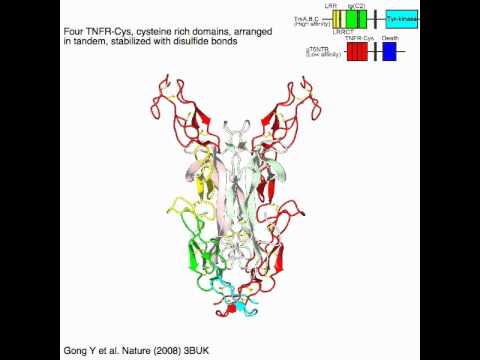
The structure of p75ntr consists of an extracellular domain, a transmembrane domain, and an intracellular domain. The extracellular domain is responsible for binding to neurotrophins, while the intracellular domain interacts with downstream signaling molecules. p75ntr can form heterodimers with other receptors, such as the TrkA receptor, to modulate its signaling activity. The receptor's function is also regulated by post-translational modifications, including phosphorylation and ubiquitination. Studies have shown that p75ntr signaling is involved in the regulation of axon growth and synaptic plasticity.
🔗 Role of p75ntr in Neurotrophic Signaling
p75ntr plays a critical role in neurotrophic signaling, which is essential for the development and maintenance of the nervous system. The receptor is activated by NGF and other neurotrophins, leading to the activation of downstream signaling pathways, including the MAPK pathway and the PI3K pathway. p75ntr signaling has been implicated in the regulation of neuronal survival and neuronal death. The receptor's signaling activity is also involved in the regulation of inflammation and immune response. Research has shown that p75ntr interacts with other receptors, such as the Toll-like receptor, to modulate its signaling activity.
📈 p75ntr and Cell Survival
p75ntr has been shown to play a role in cell survival, particularly in the context of neuronal development and maintenance. The receptor's signaling activity promotes the survival of neurons by activating anti-apoptotic pathways and inhibiting pro-apoptotic pathways. p75ntr has also been implicated in the regulation of cell cycle progression and cell differentiation. Studies have shown that p75ntr signaling is involved in the regulation of neurogenesis and gliogenesis. The receptor's expression and function have been implicated in various neurological disorders, including stroke and traumatic brain injury.
🚫 p75ntr and Cell Death
In addition to its role in cell survival, p75ntr has also been implicated in cell death, particularly in the context of neurodegenerative diseases. The receptor's signaling activity can promote apoptosis (programmed cell death) in certain cell types, including neurons. p75ntr has been shown to interact with pro-apoptotic molecules, such as Bax, to regulate cell death pathways. Research has shown that p75ntr signaling is involved in the regulation of autophagy and necroptosis. The receptor's expression and function have been implicated in various neurological disorders, including Huntington's disease and amyotrophic lateral sclerosis.
🤝 Interaction of p75ntr with Other Receptors
p75ntr has been shown to interact with other receptors, including the TrkA receptor and the sortilin receptor. These interactions can modulate the receptor's signaling activity and regulate its function in various cellular processes. p75ntr has also been implicated in the regulation of epigenetic modification and gene expression. Research has shown that p75ntr signaling is involved in the regulation of microRNA and long non-coding RNA. The receptor's expression and function have been implicated in various neurological disorders, including schizophrenia and bipolar disorder.
🌟 p75ntr in Neurological Disorders
p75ntr has been implicated in various neurological disorders, including Alzheimer's disease, Parkinson's disease, and Huntington's disease. The receptor's expression and function have been shown to be altered in these diseases, leading to changes in neurotrophic signaling and neuronal function. p75ntr has also been implicated in the regulation of inflammation and immune response in the context of neurological disorders. Research has shown that p75ntr signaling is involved in the regulation of blood-brain barrier function and neurovascular unit function.
🔬 Therapeutic Potential of p75ntr
The therapeutic potential of p75ntr has been explored in various studies, particularly in the context of neurological disorders. p75ntr has been shown to be a potential target for the treatment of neurodegenerative diseases, such as Alzheimer's disease and Parkinson's disease. The receptor's signaling activity can be modulated using small molecule inhibitors or agonists, which can regulate its function in various cellular processes. Research has shown that p75ntr signaling is involved in the regulation of stem cell function and tissue repair.
📊 Controversies and Debates Surrounding p75ntr
Despite the progress made in understanding the role of p75ntr in neurological disorders, there are still controversies and debates surrounding its function and significance. Some studies have suggested that p75ntr may play a role in the pathogenesis of certain diseases, while others have suggested that it may have a protective function. The receptor's expression and function have been implicated in various cellular processes, including cell signaling and gene expression. Research has shown that p75ntr signaling is involved in the regulation of epigenetic modification and microRNA.
🔜 Future Directions for p75ntr Research
Future directions for p75ntr research include the exploration of its therapeutic potential in various neurological disorders. Studies are needed to further understand the receptor's signaling activity and its regulation of various cellular processes. The development of small molecule inhibitors or agonists that can modulate p75ntr signaling activity may provide new therapeutic strategies for the treatment of neurodegenerative diseases. Research has shown that p75ntr signaling is involved in the regulation of synaptic plasticity and neurogenesis.
📚 Conclusion and Summary of p75ntr
In conclusion, p75ntr is a neurotrophic receptor that plays a critical role in the development and maintenance of the nervous system. The receptor's signaling activity is involved in the regulation of various cellular processes, including cell survival and cell death. p75ntr has been implicated in various neurological disorders, including Alzheimer's disease and Parkinson's disease. Further research is needed to fully understand the receptor's function and significance, as well as its therapeutic potential in the treatment of neurodegenerative diseases. The study of p75ntr has provided valuable insights into the regulation of neurotrophic signaling and cell signaling pathways.
Key Facts
- Year
- 1980
- Origin
- First identified by Moses Chao and Eric Shooter
- Category
- Neuroscience
- Type
- Biological Receptor
Frequently Asked Questions
What is the role of p75ntr in neurotrophic signaling?
p75ntr plays a critical role in neurotrophic signaling, which is essential for the development and maintenance of the nervous system. The receptor's signaling activity promotes the survival of neurons and regulates various cellular processes, including cell cycle progression and cell differentiation.
What is the structure of p75ntr?
The structure of p75ntr consists of an extracellular domain, a transmembrane domain, and an intracellular domain. The extracellular domain is responsible for binding to neurotrophins, while the intracellular domain interacts with downstream signaling molecules.
What is the therapeutic potential of p75ntr?
The therapeutic potential of p75ntr has been explored in various studies, particularly in the context of neurological disorders. p75ntr has been shown to be a potential target for the treatment of neurodegenerative diseases, such as Alzheimer's disease and Parkinson's disease.
What are the controversies and debates surrounding p75ntr?
Despite the progress made in understanding the role of p75ntr in neurological disorders, there are still controversies and debates surrounding its function and significance. Some studies have suggested that p75ntr may play a role in the pathogenesis of certain diseases, while others have suggested that it may have a protective function.
What are the future directions for p75ntr research?
Future directions for p75ntr research include the exploration of its therapeutic potential in various neurological disorders. Studies are needed to further understand the receptor's signaling activity and its regulation of various cellular processes.
What is the role of p75ntr in cell survival and cell death?
p75ntr has been shown to play a role in cell survival, particularly in the context of neuronal development and maintenance. The receptor's signaling activity promotes the survival of neurons by activating anti-apoptotic pathways and inhibiting pro-apoptotic pathways. However, p75ntr has also been implicated in the regulation of cell death, particularly in the context of neurodegenerative diseases.
What is the relationship between p75ntr and other receptors?
p75ntr has been shown to interact with other receptors, including the TrkA receptor and the sortilin receptor. These interactions can modulate the receptor's signaling activity and regulate its function in various cellular processes.