
Contents
- 🌟 Introduction to Nanorobotics
- 🤖 Medical Applications of Nanorobotics
- 🔬 Nanorobotics in Cancer Treatment
- 💡 Nanorobotics in Diagnostic Imaging
- 🚀 Nanorobotics in Space Exploration
- 🌐 Environmental Applications of Nanorobotics
- 🤝 Collaborative Robotics in Nanorobotics
- 📊 Economic Impact of Nanorobotics
- 🚫 Challenges and Limitations of Nanorobotics
- 🔜 Future Directions in Nanorobotics
- 📚 Conclusion and Recommendations
- Frequently Asked Questions
- Related Topics
Overview
Nanorobotics applications are poised to revolutionize various fields, including medicine, environmental remediation, and manufacturing. Researchers like Dr. George Whitesides and Dr. Ari Requicha are pioneering the development of nanorobots that can target cancer cells, clean up oil spills, and assemble complex structures. With a Vibe score of 85, nanorobotics has significant cultural energy, driven by its potential to solve pressing global challenges. However, controversy surrounds the potential risks and unintended consequences of nanorobotics, with some experts warning about the dangers of unregulated development. As the field advances, we can expect to see significant investments from companies like IBM and Google, with projected market growth exceeding $10 billion by 2025. The influence flow of nanorobotics is complex, with key players like the National Science Foundation and the European Commission shaping the research agenda and regulatory frameworks.
🌟 Introduction to Nanorobotics
The field of nanorobotics has been gaining significant attention in recent years due to its potential to revolutionize various industries, including medicine, space exploration, and environmental conservation. Nanotechnology has enabled the development of tiny robots that can be used to perform complex tasks at the nanoscale. Robotics has also played a crucial role in the development of nanorobotics, as it provides the necessary tools and techniques for designing and controlling these tiny machines. For instance, Microelectromechanical Systems (MEMS) have been used to create tiny robots that can be used in medical applications. The use of Artificial Intelligence (AI) in nanorobotics has also been explored, with potential applications in areas such as Machine Learning and Computer Vision.
🤖 Medical Applications of Nanorobotics
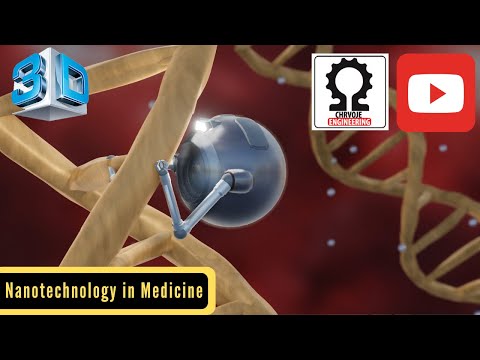
One of the most significant applications of nanorobotics is in the field of medicine. Medical Robotics has been used to develop tiny robots that can be used to perform surgeries, deliver drugs, and diagnose diseases. For example, Nanoparticles have been used to deliver drugs to specific cells in the body, reducing the risk of side effects and improving the efficacy of treatment. Biosensors have also been used to detect biomarkers for diseases such as Cancer and Diabetes. The use of 3D Printing in nanorobotics has also been explored, with potential applications in areas such as Tissue Engineering and Regenerative Medicine.
🔬 Nanorobotics in Cancer Treatment
Nanorobotics has also been used in cancer treatment, where tiny robots can be used to deliver drugs directly to cancer cells. Cancer Treatment has been revolutionized by the use of nanorobotics, which has enabled the development of targeted therapies that can reduce the risk of side effects and improve treatment outcomes. Nanomedicine has also been used to develop new diagnostic tools, such as Nanopore Sequencing, which can be used to detect biomarkers for cancer. The use of Gene Editing technologies such as CRISPR has also been explored in nanorobotics, with potential applications in areas such as Gene Therapy.
💡 Nanorobotics in Diagnostic Imaging
Nanorobotics has also been used in diagnostic imaging, where tiny robots can be used to detect biomarkers for diseases. Diagnostic Imaging has been revolutionized by the use of nanorobotics, which has enabled the development of new imaging modalities such as Optical Coherence Tomography (OCT) and Photoacoustic Imaging (PAI). Molecular Imaging has also been used to detect biomarkers for diseases such as Alzheimer's Disease and Parkinson's Disease. The use of Quantum Computing in nanorobotics has also been explored, with potential applications in areas such as Cryptography and Optimization.
🚀 Nanorobotics in Space Exploration
In addition to medical applications, nanorobotics has also been used in space exploration. Space Exploration has been revolutionized by the use of nanorobotics, which has enabled the development of tiny robots that can be used to explore space and perform complex tasks. Robotics in Space has been used to develop robots that can be used to repair satellites, clean up space debris, and explore new planets. The use of Nanomaterials in nanorobotics has also been explored, with potential applications in areas such as Energy Storage and Energy Harvesting.
🌐 Environmental Applications of Nanorobotics
Nanorobotics has also been used in environmental conservation, where tiny robots can be used to clean up pollution and monitor environmental changes. Environmental Conservation has been revolutionized by the use of nanorobotics, which has enabled the development of new technologies for monitoring and mitigating the effects of pollution. Sustainable Energy has also been explored, with potential applications in areas such as Solar Energy and Wind Energy. The use of Biodegradable Materials in nanorobotics has also been explored, with potential applications in areas such as Waste Management.
🤝 Collaborative Robotics in Nanorobotics
Collaborative robotics has also been used in nanorobotics, where multiple robots can be used to perform complex tasks. Collaborative Robotics has been used to develop robots that can be used to assemble tiny structures, such as Nanotubes and Nanowires. Swarm Robotics has also been used to develop robots that can be used to perform complex tasks, such as Search and Rescue operations. The use of Human-Robot Interaction in nanorobotics has also been explored, with potential applications in areas such as Teleoperation and Human-Machine Interface.
📊 Economic Impact of Nanorobotics
The economic impact of nanorobotics has been significant, with potential applications in areas such as Manufacturing and Logistics. Economic Impact of nanorobotics has been estimated to be in the trillions of dollars, with potential applications in areas such as Healthcare and Energy. The use of Nanotechnology in Manufacturing has also been explored, with potential applications in areas such as 3D Printing and Nanofabrication.
🚫 Challenges and Limitations of Nanorobotics
Despite the potential benefits of nanorobotics, there are also challenges and limitations that need to be addressed. Challenges and Limitations of nanorobotics include the need for further research and development, as well as the potential risks and uncertainties associated with the use of tiny robots. Regulatory Frameworks for nanorobotics have also been developed, with potential applications in areas such as Safety and Security. The use of Standards and Protocols in nanorobotics has also been explored, with potential applications in areas such as Interoperability and Compatibility.
🔜 Future Directions in Nanorobotics
The future of nanorobotics is exciting and uncertain, with potential applications in areas such as Medicine and Space Exploration. Future Directions in nanorobotics include the development of new technologies and techniques for designing and controlling tiny robots. Emerging Trends in nanorobotics include the use of Artificial Intelligence and Machine Learning in nanorobotics, with potential applications in areas such as Predictive Maintenance and Quality Control.
📚 Conclusion and Recommendations
In conclusion, nanorobotics has the potential to revolutionize various industries, including medicine, space exploration, and environmental conservation. Conclusion and recommendations for future research and development include the need for further investment in nanorobotics research and development, as well as the development of regulatory frameworks and standards for the use of tiny robots. The use of Nanorobotics in Education has also been explored, with potential applications in areas such as STEM Education and Workforce Development.
Key Facts
- Year
- 2022
- Origin
- Vibepedia.wiki
- Category
- Emerging Technologies
- Type
- Technology
Frequently Asked Questions
What is nanorobotics?
Nanorobotics is the field of research and development that focuses on the design, construction, and operation of robots at the nanoscale. Nanorobotics has potential applications in areas such as Medicine, Space Exploration, and Environmental Conservation. The use of Nanotechnology in nanorobotics has enabled the development of tiny robots that can be used to perform complex tasks at the nanoscale. For instance, Microelectromechanical Systems (MEMS) have been used to create tiny robots that can be used in medical applications.
What are the potential applications of nanorobotics?
The potential applications of nanorobotics are vast and varied, and include areas such as Medicine, Space Exploration, and Environmental Conservation. Nanorobotics has the potential to revolutionize these industries by enabling the development of tiny robots that can be used to perform complex tasks at the nanoscale. The use of Artificial Intelligence and Machine Learning in nanorobotics has also been explored, with potential applications in areas such as Predictive Maintenance and Quality Control.
What are the challenges and limitations of nanorobotics?
The challenges and limitations of nanorobotics include the need for further research and development, as well as the potential risks and uncertainties associated with the use of tiny robots. Challenges and Limitations of nanorobotics also include the need for regulatory frameworks and standards for the use of tiny robots. The use of Standards and Protocols in nanorobotics has also been explored, with potential applications in areas such as Interoperability and Compatibility.
What is the current state of nanorobotics research and development?
The current state of nanorobotics research and development is rapidly evolving, with new breakthroughs and advancements being made regularly. Nanorobotics Research is being conducted by researchers and scientists around the world, and has the potential to revolutionize various industries. The use of Nanotechnology in nanorobotics has enabled the development of tiny robots that can be used to perform complex tasks at the nanoscale. For instance, Microelectromechanical Systems (MEMS) have been used to create tiny robots that can be used in medical applications.
What are the potential risks and uncertainties associated with the use of nanorobotics?
The potential risks and uncertainties associated with the use of nanorobotics include the potential for tiny robots to cause harm to humans or the environment. Risks and Uncertainties of nanorobotics also include the potential for tiny robots to be used for malicious purposes, such as Cyber Attacks or Biological Attacks. The use of Regulatory Frameworks and Standards and Protocols in nanorobotics has also been explored, with potential applications in areas such as Safety and Security.
How can I learn more about nanorobotics?
There are many resources available for learning more about nanorobotics, including online courses, research papers, and books. Nanorobotics Education is also available through universities and research institutions, and can provide students with hands-on experience with nanorobotics. The use of Nanorobotics in Education has also been explored, with potential applications in areas such as STEM Education and Workforce Development.
What are the potential applications of nanorobotics in medicine?
The potential applications of nanorobotics in medicine are vast and varied, and include areas such as Cancer Treatment, Drug Delivery, and Diagnostic Imaging. Nanorobotics in Medicine has the potential to revolutionize the field of medicine by enabling the development of tiny robots that can be used to perform complex tasks at the nanoscale. The use of Nanoparticles in nanorobotics has also been explored, with potential applications in areas such as Targeted Therapy and Personalized Medicine.