
Contents
- 🌱 Origins & History
- 🦌 How It Works
- 📊 Key Facts & Numbers
- 👥 Key People & Organizations
- 🌍 Cultural Impact & Influence
- ⚡ Current State & Latest Developments
- 🤔 Controversies & Debates
- 🔮 Future Outlook & Predictions
- 💡 Practical Applications
- 📚 Related Topics & Deeper Reading
- Frequently Asked Questions
- References
- Related Topics
Overview
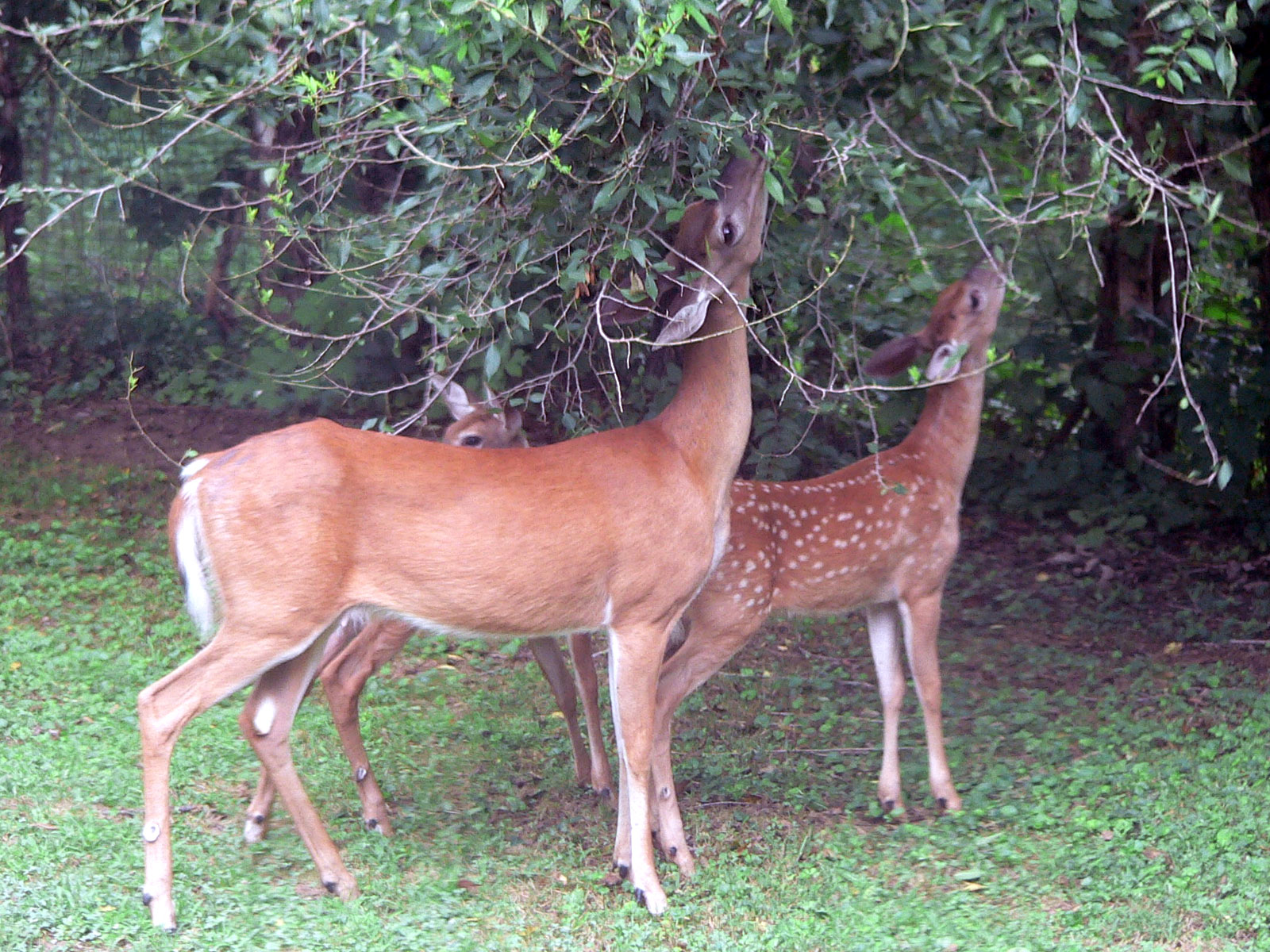
A herbivore is an animal that has evolved to feed on plants, including vascular tissues like foliage, fruits, and seeds, as the main component of its diet. With specialized mouth structures and digestive systems, herbivores like Horses and Cattle have adapted to break down and extract nutrients from plant materials. From the Amazon Rainforest to the Savannas, herbivores play a crucial role in shaping their ecosystems. With over 75% of all mammal species being herbivores, they have developed unique strategies to survive and thrive on a plant-based diet. According to the National Geographic, herbivores have evolved to occupy a wide range of ecological niches, from the Deserts to the Mountains.
🌱 Origins & History
The concept of herbivory dates back to the early days of life on Earth, with the first herbivores emerging around 400 million years ago. These early herbivores, such as Insects and Worms, played a crucial role in shaping the evolution of plants and ecosystems. As plants evolved to produce toxins and other defense mechanisms, herbivores adapted by developing specialized digestive systems and behaviors to counter these defenses. For example, the Giraffe has a unique set of valves in its neck to stop blood from rushing to its brain when it bends down to drink, allowing it to feed on leaves from tall trees like the Acacia Tree.
🦌 How It Works
Herbivores have evolved a range of adaptations to feed on plants, from the sharp teeth of Insects to the complex digestive systems of Ruminants. The digestive system of a herbivore typically includes a large cecum, a specialized part of the large intestine that houses a diverse community of microbes. These microbes, such as Bacteria and Protozoa, play a crucial role in breaking down and extracting nutrients from plant materials. For instance, the Cow has a four-chambered stomach that allows it to digest and extract nutrients from plant-based foods like Grass and Hay.
📊 Key Facts & Numbers
There are over 100,000 known species of herbivores, ranging from the tiny Aphid to the massive Elephant. Herbivores can be found in almost every ecosystem on Earth, from the frozen Tundras to the hottest Deserts. According to the World Wildlife Fund, herbivores play a crucial role in maintaining the balance of ecosystems, and their loss can have significant impacts on ecosystem function and biodiversity. For example, the Prairie Dog is a key herbivore in the Grasslands of North America, and its decline has been linked to changes in vegetation structure and composition.
👥 Key People & Organizations
Key people and organizations involved in the study and conservation of herbivores include the Smithsonian Institution, the World Wildlife Fund, and the International Union for Conservation of Nature. These organizations work to protect and conserve herbivore populations and their habitats, and to promote sustainable land-use practices that balance human needs with the needs of herbivores and other wildlife. For instance, the Wildlife Conservation Society is working to protect the African Elephant and its habitat in the Savannas of Africa.
🌍 Cultural Impact & Influence
Herbivores have had a significant impact on human culture and society, from the domestication of Cattle and Sheep to the development of Agriculture. In many cultures, herbivores are considered sacred or symbolic, such as the Cow in Hinduism or the Deer in Native American Culture. According to the United Nations Food and Agriculture Organization, herbivores are an important part of many traditional farming systems, and their loss can have significant impacts on food security and rural livelihoods.
⚡ Current State & Latest Developments
Current research on herbivores is focused on understanding the impacts of climate change, habitat fragmentation, and other human activities on herbivore populations and ecosystems. For example, a study published in the Journal of Ecology found that climate change is altering the distribution and abundance of herbivores in the Arctic, with significant implications for ecosystem function and biodiversity. Another study published in the Proceedings of the National Academy of Sciences found that habitat fragmentation is reducing the population size and genetic diversity of herbivores in the Amazon Rainforest.
🤔 Controversies & Debates
There are several controversies and debates surrounding herbivores, including the impact of herbivory on ecosystem function and biodiversity, and the role of herbivores in shaping the evolution of plants. Some researchers argue that herbivores play a crucial role in maintaining ecosystem balance and promoting biodiversity, while others argue that herbivores can have negative impacts on ecosystems, such as overgrazing and habitat degradation. For instance, a study published in the Journal of Applied Ecology found that overgrazing by herbivores can lead to a decline in vegetation cover and an increase in soil erosion.
🔮 Future Outlook & Predictions
The future outlook for herbivores is uncertain, with many species facing threats from habitat loss, climate change, and other human activities. However, there are also opportunities for conservation and management of herbivore populations, such as the development of sustainable land-use practices and the protection of key habitats. According to the Intergovernmental Science-Policy Platform on Biodiversity and Ecosystem Services, herbivores will play a crucial role in maintaining ecosystem function and promoting biodiversity in the face of climate change and other global challenges.
💡 Practical Applications
Herbivores have many practical applications, from the production of food and fiber to the maintenance of ecosystem function and biodiversity. For example, herbivores can be used as a tool for conservation and restoration of degraded habitats, and can provide important ecosystem services such as pollination and seed dispersal. According to the Food and Agriculture Organization of the United Nations, herbivores are an important part of many traditional farming systems, and can provide a sustainable source of food and income for rural communities.
Key Facts
- Year
- 2022
- Origin
- Earth
- Category
- nutrition
- Type
- concept
Frequently Asked Questions
What is a herbivore?
What are the adaptations of herbivores?
What is the role of herbivores in ecosystems?
Herbivores play a crucial role in maintaining ecosystem balance and promoting biodiversity. They help to regulate the growth of plants, and their activities can influence the structure and composition of ecosystems. For example, the Prairie Dog is a key herbivore in the Grasslands of North America, and its decline has been linked to changes in vegetation structure and composition.
What are the threats to herbivores?
Herbivores face a range of threats, including habitat loss, climate change, and other human activities. For example, the African Elephant is threatened by habitat loss and poaching, while the Giraffe is threatened by climate change and habitat fragmentation.
What is the future outlook for herbivores?
The future outlook for herbivores is uncertain, with many species facing threats from habitat loss, climate change, and other human activities. However, there are also opportunities for conservation and management of herbivore populations, such as the development of sustainable land-use practices and the protection of key habitats.
What are the practical applications of herbivores?
Herbivores have many practical applications, from the production of food and fiber to the maintenance of ecosystem function and biodiversity. For example, herbivores can be used as a tool for conservation and restoration of degraded habitats, and can provide important ecosystem services such as pollination and seed dispersal.
What are the related topics to herbivores?
Related topics to herbivores include the study of Plant-Herbivore Interactions, Ecosystem Ecology, and Conservation Biology. For example, the book The Ecology of Herbivores provides a comprehensive overview of the ecology and evolution of herbivores, while the journal Ecology publishes research on the latest advances in herbivore ecology and conservation.