
Contents
- 🌄 Introduction to Deserts
- 🌊 Desert Classification
- 🏜️ Desertification: Causes and Effects
- ❄️ Polar Deserts: The Cold Frontier
- 🌡️ Temperature Extremes in Deserts
- 🌍 Geographic Distribution of Deserts
- 🌿 Unique Desert Biomes and Ecosystems
- 💡 Human Adaptation to Desert Environments
- 🚨 Desertification and Climate Change
- 🌟 Conservation Efforts in Desert Regions
- 📊 Desertification Statistics and Trends
- 👥 Desert Research and Exploration
- Frequently Asked Questions
- Related Topics
Overview
Deserts, covering approximately 33% of the Earth's land surface, are often perceived as barren and lifeless. However, they are home to unique and adapted flora and fauna, with the Sahara Desert alone spanning over 9,200,000 square kilometers. The Atacama Desert in Chile is the driest non-polar desert, with some areas receiving as little as 0.01 inches of rainfall per year. In contrast, the Gobi Desert in Asia is a cold desert, with temperatures often dropping below -40°C in winter. Despite their harsh conditions, deserts have been inhabited by humans for thousands of years, with the Bedouin people of the Middle East being a prime example. The future of deserts is uncertain, with climate change expected to alter their ecosystems and potentially lead to the expansion of desert areas, affecting millions of people worldwide, including those in the Sahel region, where desertification is already a major concern, with the Sahara Desert advancing at a rate of about 1.5 miles per month.
🌄 Introduction to Deserts
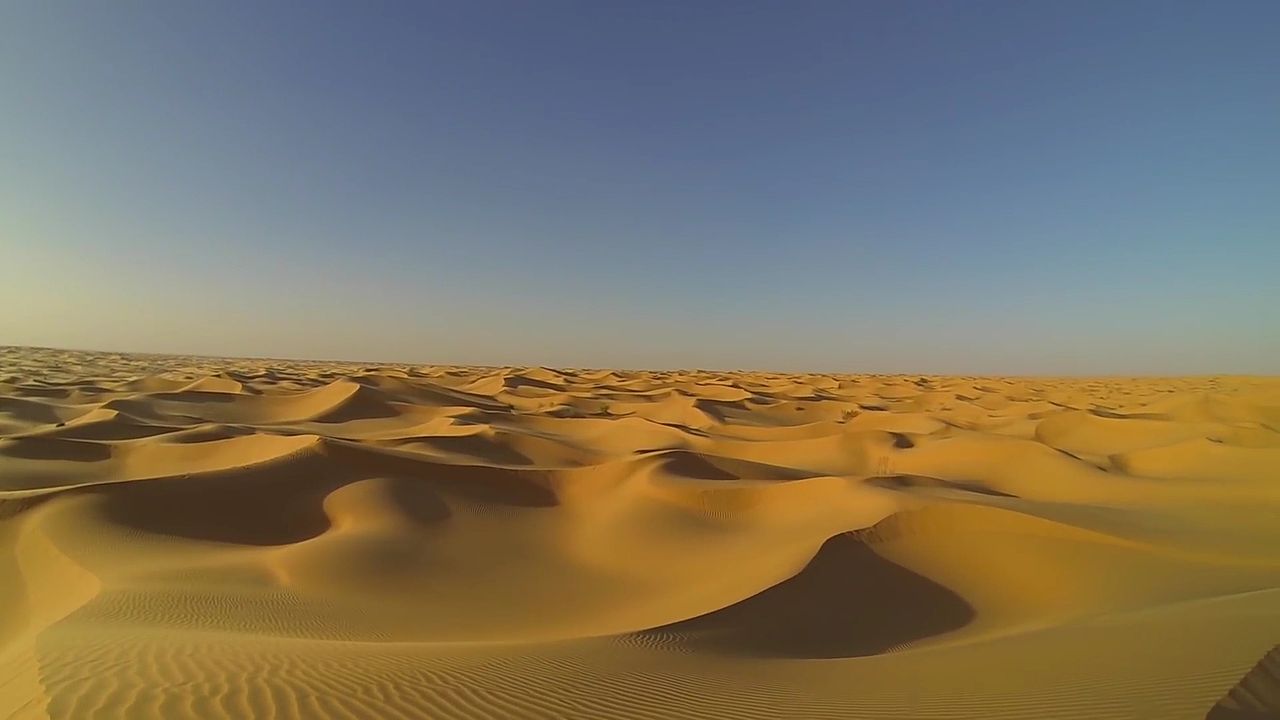
Deserts are often perceived as barren and lifeless landscapes, but they are, in fact, unique and fascinating ecosystems. According to the Desertification definition, a desert is a region where little precipitation occurs, and the lack of vegetation exposes the ground to denudation. The Arid Regions of the world cover about one-third of the land surface, including much of the polar regions, which are sometimes referred to as Polar Deserts or 'cold deserts'. The study of deserts is crucial to understanding the Earth Systems and the impact of Climate Change on our planet.
🌊 Desert Classification
Deserts can be classified in various ways, including by the amount of precipitation that falls, by the temperature that prevails, by the causes of Desertification, or by their geographical location. The United Nations Environment Programme (UNEP) defines desertification as the degradation of land in arid, semi-arid, and dry sub-humid regions. This classification helps us understand the different types of deserts, such as the Sahara Desert, the Gobi Desert, and the Mojave Desert. Each of these deserts has unique characteristics and supports a variety of Desert Flora and Desert Fauna.
🏜️ Desertification: Causes and Effects
Desertification is a complex process that involves the degradation of land, often caused by a combination of factors, including Climate Change, Overgrazing, and Deforestation. The effects of desertification can be devastating, leading to the loss of Biodiversity, decreased Agricultural Productivity, and increased Poverty. The United Nations Convention to Combat Desertification (UNCCD) is an international agreement that aims to combat desertification and mitigate the effects of Drought and Desertification.
❄️ Polar Deserts: The Cold Frontier
Polar deserts, also known as cold deserts, are regions that receive little precipitation, despite being located in cold and icy environments. The Antarctic Desert is the largest and coldest desert on Earth, covering an area of about 14 million square kilometers. The Arctic Desert is another example of a polar desert, which is characterized by long, cold winters and short, cool summers. These regions are home to unique and adapted species, such as the Polar Bear and the Penguin.
🌡️ Temperature Extremes in Deserts
Deserts are known for their extreme temperature fluctuations, with some regions experiencing temperatures above 50°C (122°F) during the day and below 0°C (32°F) at night. The Death Valley in California is one of the hottest places on Earth, with a record temperature of 56.7°C (134°F) in 1913. The Sahara Desert is another region that experiences extreme temperature fluctuations, with temperatures often reaching 58°C (136°F) during the day. These extreme temperatures make it difficult for humans and animals to survive without proper Desert Adaptation.
🌍 Geographic Distribution of Deserts
Deserts are found on every continent, with the largest deserts located in Asia, Africa, and North America. The Gobi Desert in Asia is a vast desert region that covers parts of China and Mongolia. The Sahara Desert in Africa is the largest hot desert in the world, covering an area of about 9.2 million square kilometers. The Mojave Desert in North America is a smaller desert region that is known for its unique Desert Flora and Desert Fauna.
🌿 Unique Desert Biomes and Ecosystems
Despite the harsh conditions, deserts support a wide range of unique and adapted species. The Cactus is a classic example of a desert plant that has evolved to survive in arid environments. The Camel is another example of a desert animal that has adapted to the extreme conditions, with its ability to store water in its humps and go without water for long periods. These adaptations are crucial to the survival of species in desert environments, where Water Scarcity is a major challenge.
💡 Human Adaptation to Desert Environments
Humans have been living in deserts for thousands of years, with many cultures developing unique adaptations to survive in these environments. The Bedouin people of the Middle East are a classic example of a desert-dwelling culture that has developed a range of adaptations, including the use of Tents and Camels. The Navajo people of North America are another example of a desert-dwelling culture that has developed a range of adaptations, including the use of Hogans and Sheep. These adaptations are crucial to the survival of humans in desert environments, where Extreme Weather events are common.
🚨 Desertification and Climate Change
Desertification is a major concern in the context of Climate Change, as it can lead to the loss of Biodiversity, decreased Agricultural Productivity, and increased Poverty. The United Nations Framework Convention on Climate Change (UNFCCC) is an international agreement that aims to mitigate the effects of climate change, including desertification. The Paris Agreement is another international agreement that aims to limit global warming to well below 2°C (3.6°F) and pursue efforts to limit it to 1.5°C (2.7°F) above pre-industrial levels.
🌟 Conservation Efforts in Desert Regions
Conservation efforts are crucial to protecting desert ecosystems and mitigating the effects of desertification. The United Nations Environment Programme (UNEP) is working to combat desertification and promote sustainable land management practices. The Desert Conservation Program is another initiative that aims to protect desert ecosystems and promote sustainable development in desert regions. These efforts are crucial to protecting the unique Biodiversity of desert ecosystems and promoting sustainable development in desert regions.
📊 Desertification Statistics and Trends
Desertification is a major challenge that affects millions of people around the world. According to the United Nations, desertification affects about 250 million people worldwide, with the majority living in Developing Countries. The Economic Impact of desertification is significant, with an estimated annual loss of $42 billion in Agricultural Productivity. These statistics highlight the need for urgent action to combat desertification and promote sustainable development in desert regions.
👥 Desert Research and Exploration
Desert research and exploration are crucial to understanding the unique ecosystems and promoting sustainable development in desert regions. The Desert Research Institute is a leading research institution that is working to understand the complex interactions between desert ecosystems and the impact of Climate Change. The National Geographic Society is another organization that is working to promote desert conservation and sustainable development through research and exploration.
Key Facts
- Year
- 2023
- Origin
- Earth
- Category
- Environment
- Type
- Geographical Feature
Frequently Asked Questions
What is a desert?
A desert is a landscape where little precipitation occurs, and the lack of vegetation exposes the ground to denudation. Deserts can be classified by the amount of precipitation that falls, by the temperature that prevails, by the causes of desertification, or by their geographical location. The study of deserts is crucial to understanding the Earth Systems and the impact of Climate Change on our planet. According to the United Nations Environment Programme (UNEP), desertification is a major concern that affects millions of people around the world.
What are the different types of deserts?
Deserts can be classified into different types, including hot deserts, cold deserts, and coastal deserts. The Sahara Desert is an example of a hot desert, while the Antarctic Desert is an example of a cold desert. The Atacama Desert is an example of a coastal desert. Each of these deserts has unique characteristics and supports a variety of Desert Flora and Desert Fauna.
What is desertification?
Desertification is the degradation of land in arid, semi-arid, and dry sub-humid regions. It is a complex process that involves the degradation of land, often caused by a combination of factors, including Climate Change, Overgrazing, and Deforestation. The effects of desertification can be devastating, leading to the loss of Biodiversity, decreased Agricultural Productivity, and increased Poverty.
How do humans adapt to desert environments?
Humans have been living in deserts for thousands of years, with many cultures developing unique adaptations to survive in these environments. The Bedouin people of the Middle East are a classic example of a desert-dwelling culture that has developed a range of adaptations, including the use of Tents and Camels. The Navajo people of North America are another example of a desert-dwelling culture that has developed a range of adaptations, including the use of Hogans and Sheep.
What are the consequences of desertification?
The consequences of desertification are significant, leading to the loss of Biodiversity, decreased Agricultural Productivity, and increased Poverty. Desertification can also lead to the displacement of people, as well as the loss of Cultural Heritage. The United Nations estimates that desertification affects about 250 million people worldwide, with the majority living in Developing Countries.
How can we combat desertification?
Combating desertification requires a range of strategies, including sustainable land management practices, Revegetation efforts, and the promotion of Desert Conservation. The United Nations Environment Programme (UNEP) is working to combat desertification and promote sustainable development in desert regions. The Desert Conservation Program is another initiative that aims to protect desert ecosystems and promote sustainable development in desert regions.
What is the economic impact of desertification?
The economic impact of desertification is significant, with an estimated annual loss of $42 billion in Agricultural Productivity. Desertification can also lead to the loss of Tourism revenue, as well as the degradation of Infrastructure. The United Nations estimates that desertification affects about 250 million people worldwide, with the majority living in Developing Countries.