
Contents
- 🔬 Introduction to Germ Theory
- 🧬 The History of Germ Theory
- 👾 Types of Microorganisms
- 🌟 Pathogens and Disease
- 🤝 Environmental and Hereditary Factors
- 🚫 Infectious Diseases
- 🔬 Diagnosis and Treatment
- 🌎 Global Impact of Germ Theory
- 👥 Key Players in Germ Theory
- 📊 Future Directions in Germ Theory
- 🤔 Controversies and Debates
- 📚 Conclusion
- Frequently Asked Questions
- Related Topics
Overview
The germ theory of disease, first proposed by Louis Pasteur in the 19th century, posits that many diseases are caused by the presence and growth of microorganisms such as bacteria, viruses, and fungi. This concept, which was initially met with skepticism, has become a cornerstone of modern medicine. The theory was further developed by Robert Koch, who established the gold standard for proving a causal relationship between a microbe and a disease. Today, the germ theory of disease is widely accepted and has led to significant advances in the prevention and treatment of infectious diseases. However, the rise of antimicrobial resistance has raised concerns about the long-term efficacy of this approach. As scientists continue to explore the complex relationships between microorganisms and human health, the germ theory of disease remains a vital and evolving area of research, with a vibe score of 8 out of 10, indicating a high level of cultural energy and significance. The theory has been influential in shaping our understanding of disease and has had a major impact on the development of modern medicine, with key figures such as Pasteur and Koch contributing to its development.
🔬 Introduction to Germ Theory
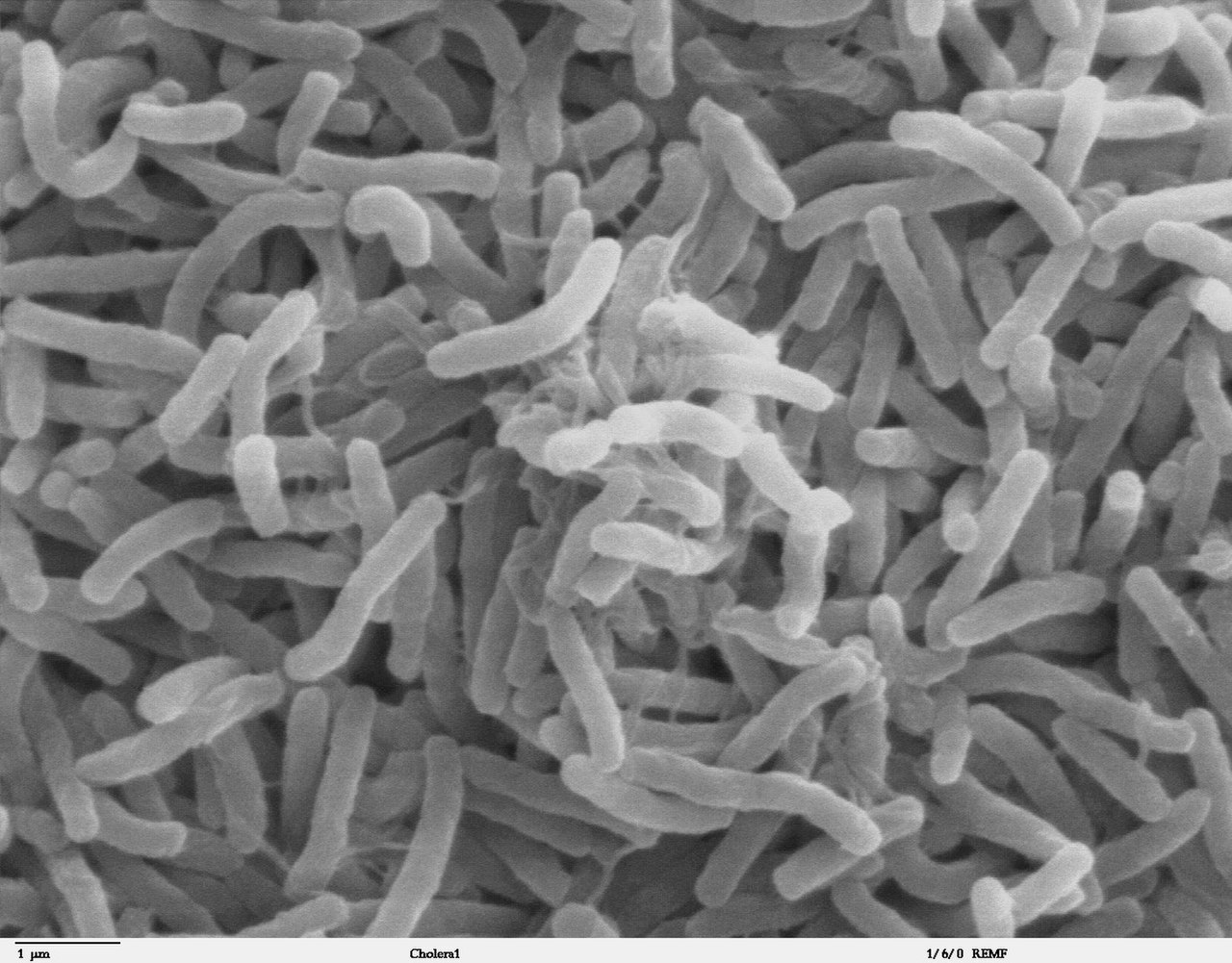
The germ theory of disease, also known as the microbial theory of disease, is the currently accepted scientific theory for many diseases. It states that microorganisms known as Pathogens or 'germs' can cause disease. These small organisms, which are too small to be seen without magnification, invade Animals, Plants, and even Bacteria. Their growth and reproduction within their hosts can cause disease. The term 'germ' refers not just to Bacteria but to any type of microorganism, such as Protists or Fungi, or other pathogens, including Parasites, Viruses, Prions, or Viroids. For more information on the history of germ theory, see History of Medicine.
🧬 The History of Germ Theory
The history of germ theory dates back to the work of Louis Pasteur and Robert Koch in the 19th century. They discovered that microorganisms could cause disease and developed techniques for culturing and identifying these microorganisms. The germ theory of disease revolutionized the field of medicine and led to the development of Vaccines and Antibiotics. The work of Florence Nightingale also contributed to the development of germ theory, as she recognized the importance of sanitation and hygiene in preventing the spread of disease. For more information on the key players in germ theory, see Key Players in Germ Theory.
👾 Types of Microorganisms
There are many types of microorganisms that can cause disease, including Bacteria, Viruses, Fungi, and Parasites. These microorganisms can be found in a variety of environments, including Water, Soil, and Air. Some microorganisms are harmless, while others can cause serious disease. For example, Escherichia coli (E. coli) is a type of bacteria that can cause Urinary Tract Infections and Gastroenteritis. For more information on the different types of microorganisms, see Types of Microorganisms.
🌟 Pathogens and Disease
Pathogens are disease-causing agents that can pass from one individual to another, across multiple domains of life. They can be found in a variety of environments, including Hospitals, Schools, and Homes. Pathogens can cause a range of diseases, from mild to severe. For example, Influenza is a viral disease that can cause mild to severe symptoms, including Fever, Cough, and Fatigue. For more information on the different types of pathogens, see Types of Pathogens.
🤝 Environmental and Hereditary Factors
Even when a pathogen is the principal cause of a disease, environmental and hereditary factors often influence the severity of the disease, and whether a potential host individual becomes infected when exposed to the pathogen. For example, Malnutrition can increase the risk of infection, while Vaccination can prevent infection. The role of Genetics in disease is also an important area of research, as some individuals may be more susceptible to certain diseases due to their genetic makeup. For more information on the role of genetics in disease, see Genetics and Disease.
🚫 Infectious Diseases
Infectious diseases are diseases caused by pathogens, such as Bacteria, Viruses, and Parasites. These diseases can be spread through a variety of means, including Air, Water, and Contact with an infected individual. For example, Tuberculosis is a bacterial disease that can be spread through the air, while Cholera is a bacterial disease that can be spread through contaminated water. For more information on the different types of infectious diseases, see Infectious Diseases.
🔬 Diagnosis and Treatment
Diagnosis and treatment of infectious diseases are critical components of healthcare. Diagnostic Tests, such as Blood Tests and Imaging Studies, can help identify the cause of an infection, while Antibiotics and Antiviral Medication can help treat the infection. For example, Penicillin is an antibiotic that can be used to treat bacterial infections, such as Pneumonia. For more information on the diagnosis and treatment of infectious diseases, see Diagnosis and Treatment.
🌎 Global Impact of Germ Theory
The global impact of germ theory has been significant, with the development of Vaccines and Antibiotics saving countless lives. However, the overuse and misuse of antibiotics have contributed to the rise of Antibiotic Resistance, making it more difficult to treat certain infections. For example, Methicillin-Resistant Staphylococcus aureus (MRSA) is a type of bacteria that is resistant to many antibiotics. For more information on the global impact of germ theory, see Global Impact of Germ Theory.
👥 Key Players in Germ Theory
Key players in germ theory include Louis Pasteur, Robert Koch, and Florence Nightingale. These individuals, along with many others, have contributed to our understanding of the germ theory of disease and the development of techniques for preventing and treating infectious diseases. For example, Jonas Salk developed the first Inactivated Poliovirus Vaccine, which has saved countless lives. For more information on the key players in germ theory, see Key Players in Germ Theory.
📊 Future Directions in Germ Theory
Future directions in germ theory include the development of new Vaccines and Antibiotics, as well as the use of Genomics and Proteomics to better understand the mechanisms of disease. For example, COVID-19 Vaccine development has been a major area of research in recent years. For more information on the future directions in germ theory, see Future Directions in Germ Theory.
🤔 Controversies and Debates
Controversies and debates in germ theory include the role of Hygiene in preventing the spread of disease, as well as the use of Antibiotics in agriculture. For example, the use of antibiotics in agriculture has been linked to the rise of Antibiotic Resistance. For more information on the controversies and debates in germ theory, see Controversies and Debates.
📚 Conclusion
In conclusion, the germ theory of disease is a fundamental concept in medicine that has saved countless lives. The development of Vaccines and Antibiotics has been critical in preventing and treating infectious diseases. However, the overuse and misuse of antibiotics have contributed to the rise of Antibiotic Resistance, making it more difficult to treat certain infections. For more information on the germ theory of disease, see Germ Theory of Disease.
Key Facts
- Year
- 1861
- Origin
- France
- Category
- Science
- Type
- Scientific Theory
Frequently Asked Questions
What is the germ theory of disease?
The germ theory of disease is the currently accepted scientific theory for many diseases. It states that microorganisms known as pathogens or 'germs' can cause disease. These small organisms, which are too small to be seen without magnification, invade animals, plants, and even bacteria. Their growth and reproduction within their hosts can cause disease.
Who are the key players in germ theory?
Key players in germ theory include Louis Pasteur, Robert Koch, and Florence Nightingale. These individuals, along with many others, have contributed to our understanding of the germ theory of disease and the development of techniques for preventing and treating infectious diseases.
What are the different types of microorganisms that can cause disease?
There are many types of microorganisms that can cause disease, including bacteria, viruses, fungi, and parasites. These microorganisms can be found in a variety of environments, including water, soil, and air.
How are infectious diseases diagnosed and treated?
Diagnosis and treatment of infectious diseases are critical components of healthcare. Diagnostic tests, such as blood tests and imaging studies, can help identify the cause of an infection, while antibiotics and antiviral medication can help treat the infection.
What is the global impact of germ theory?
The global impact of germ theory has been significant, with the development of vaccines and antibiotics saving countless lives. However, the overuse and misuse of antibiotics have contributed to the rise of antibiotic resistance, making it more difficult to treat certain infections.
What are the future directions in germ theory?
Future directions in germ theory include the development of new vaccines and antibiotics, as well as the use of genomics and proteomics to better understand the mechanisms of disease.
What are the controversies and debates in germ theory?
Controversies and debates in germ theory include the role of hygiene in preventing the spread of disease, as well as the use of antibiotics in agriculture. The use of antibiotics in agriculture has been linked to the rise of antibiotic resistance.