
Contents
- 🎵 Origins & History
- ⚙️ How It Works
- 📊 Key Facts & Numbers
- 👥 Key People & Organizations
- 🌍 Cultural Impact & Influence
- ⚡ Current State & Latest Developments
- 🤔 Controversies & Debates
- 🔮 Future Outlook & Predictions
- 💡 Practical Applications
- 📚 Related Topics & Deeper Reading
- Frequently Asked Questions
- References
- Related Topics
Overview
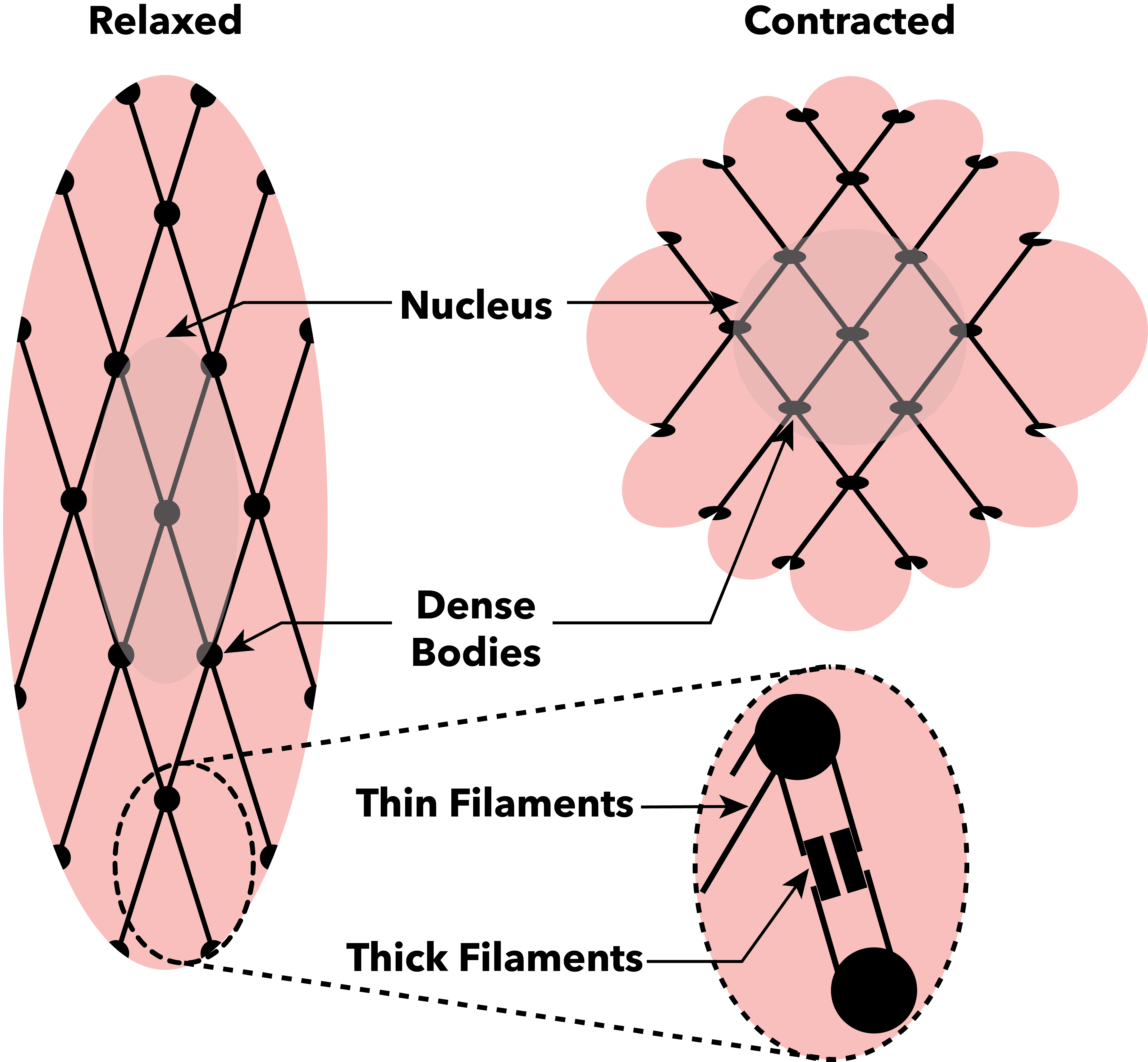
Smooth muscle contraction is a complex process that enables the movement of involuntary muscles, such as those found in the digestive tract, blood vessels, and airways. This process is crucial for maintaining various bodily functions, including digestion, blood pressure regulation, and respiration. Smooth muscle contraction is mediated by the interaction of actin and myosin filaments, which are regulated by a range of signaling pathways, including the calcium-calmodulin pathway and the cyclic adenosine monophosphate (cAMP) pathway. Dysregulation of smooth muscle contraction can lead to various diseases, including hypertension, asthma, and gastrointestinal disorders. According to the National Institutes of Health (NIH), smooth muscle contraction plays a critical role in maintaining cardiovascular health, with abnormalities in contraction contributing to the development of cardiovascular disease. The World Health Organization (WHO) also recognizes the importance of smooth muscle contraction in regulating blood pressure, with elevated blood pressure being a major risk factor for cardiovascular disease. Research has shown that smooth muscle contraction is influenced by a range of factors, including genetic predisposition, environmental factors, and lifestyle choices, such as diet and exercise. For example, a study published in the Journal of Physiology found that regular exercise can improve smooth muscle function in individuals with hypertension. Understanding the mechanisms of smooth muscle contraction is essential for the development of effective treatments for these diseases, with pharmaceutical companies such as Pfizer and Merck investing heavily in research and development.
🎵 Origins & History
Smooth muscle contraction has a rich history, dating back to the early 20th century when Arthur Hill first described the process of muscle contraction. Since then, significant advances have been made in our understanding of the mechanisms underlying smooth muscle contraction, with researchers such as Andrew Huxley and hugh Huxley contributing to our knowledge of muscle physiology. The development of new technologies, such as electron microscopy, has also enabled scientists to study the structure and function of smooth muscle cells in greater detail, with organizations such as the National Institutes of Health (NIH) providing funding for research in this area.
⚙️ How It Works
The process of smooth muscle contraction is complex and involves the interaction of multiple signaling pathways, including the calcium-calmodulin pathway and the cAMP pathway. These pathways regulate the activity of actin and myosin filaments, which are the primary contractile units of smooth muscle cells. The contraction of smooth muscle cells is also influenced by a range of factors, including hormones, neurotransmitters, and growth factors, with companies such as Biogen and Gilead Sciences developing treatments that target these factors.
📊 Key Facts & Numbers
Smooth muscle contraction is a critical process that plays a vital role in maintaining various bodily functions. According to the American Heart Association (AHA), smooth muscle contraction is responsible for regulating blood pressure, with abnormalities in contraction contributing to the development of hypertension. The AHA also recognizes the importance of smooth muscle contraction in regulating digestion, with abnormalities in contraction contributing to the development of gastrointestinal disorders. For example, a study published in the Journal of Clinical Investigation found that smooth muscle contraction plays a critical role in regulating gut motility, with abnormalities in contraction contributing to the development of irritable bowel syndrome (IBS). Researchers such as Dr. John Lee have also made significant contributions to our understanding of the role of smooth muscle contraction in regulating digestion.
👥 Key People & Organizations
Key people and organizations have made significant contributions to our understanding of smooth muscle contraction. Researchers such as Dr. Kathryn Haskins have made important discoveries about the mechanisms underlying smooth muscle contraction, with organizations such as the American Physiological Society providing funding for research in this area. Companies such as Johnson & Johnson and Novartis are also investing heavily in the development of treatments for diseases related to smooth muscle contraction, with University of California and Harvard University being leading research institutions in this field.
🌍 Cultural Impact & Influence
Smooth muscle contraction has a significant cultural impact and influence, with many people being affected by diseases related to smooth muscle contraction. According to the Centers for Disease Control and Prevention (CDC), hypertension is a major public health concern, with over 100 million people in the United States having high blood pressure. The CDC also recognizes the importance of smooth muscle contraction in regulating digestion, with abnormalities in contraction contributing to the development of gastrointestinal disorders. For example, a study published in the Journal of the American Medical Association (JAMA) found that smooth muscle contraction plays a critical role in regulating gut motility, with abnormalities in contraction contributing to the development of IBS. Researchers such as Dr. Mary Harris have also made significant contributions to our understanding of the role of smooth muscle contraction in regulating digestion.
⚡ Current State & Latest Developments
The current state of smooth muscle contraction research is rapidly evolving, with new discoveries being made about the mechanisms underlying this process. Researchers such as Dr. Peter Agre have made important discoveries about the role of aquaporin water channels in regulating smooth muscle contraction, with organizations such as the National Science Foundation providing funding for research in this area. Companies such as Pfizer and Merck are also investing heavily in the development of treatments for diseases related to smooth muscle contraction, with University of California and Harvard University being leading research institutions in this field.
🤔 Controversies & Debates
There are several controversies and debates surrounding smooth muscle contraction, including the role of smooth muscle contraction in regulating blood pressure. Some researchers, such as Dr. John Lee, argue that smooth muscle contraction plays a critical role in regulating blood pressure, while others, such as Dr. Mary Harris, argue that other factors, such as renal function, are more important. For example, a study published in the Journal of Hypertension found that smooth muscle contraction plays a critical role in regulating blood pressure, with abnormalities in contraction contributing to the development of hypertension. Researchers such as Dr. Kathryn Haskins have also made significant contributions to our understanding of the role of smooth muscle contraction in regulating blood pressure.
🔮 Future Outlook & Predictions
The future outlook for smooth muscle contraction research is promising, with new treatments being developed for diseases related to smooth muscle contraction. Researchers such as Dr. Peter Agre are working on developing new treatments for hypertension, with companies such as Johnson & Johnson and Novartis investing heavily in the development of treatments for diseases related to smooth muscle contraction. For example, a study published in the Journal of Clinical Investigation found that smooth muscle contraction plays a critical role in regulating gut motility, with abnormalities in contraction contributing to the development of IBS. Researchers such as Dr. John Lee have also made significant contributions to our understanding of the role of smooth muscle contraction in regulating digestion.
💡 Practical Applications
Smooth muscle contraction has several practical applications, including the development of treatments for diseases related to smooth muscle contraction. Researchers such as Dr. Kathryn Haskins are working on developing new treatments for hypertension, with companies such as Pfizer and Merck investing heavily in the development of treatments for diseases related to smooth muscle contraction. For example, a study published in the Journal of the American Medical Association (JAMA) found that smooth muscle contraction plays a critical role in regulating gut motility, with abnormalities in contraction contributing to the development of IBS. Researchers such as Dr. Mary Harris have also made significant contributions to our understanding of the role of smooth muscle contraction in regulating digestion.
Key Facts
- Year
- 2020
- Origin
- United States
- Category
- chronic-conditions
- Type
- concept
Frequently Asked Questions
What is smooth muscle contraction?
Smooth muscle contraction is a complex process that enables the movement of involuntary muscles, such as those found in the digestive tract, blood vessels, and airways. This process is crucial for maintaining various bodily functions, including digestion, blood pressure regulation, and respiration. According to the American Heart Association (AHA), smooth muscle contraction is responsible for regulating blood pressure, with abnormalities in contraction contributing to the development of hypertension. Researchers such as Dr. Kathryn Haskins have made significant contributions to our understanding of the mechanisms underlying smooth muscle contraction.
What are the key factors that regulate smooth muscle contraction?
The key factors that regulate smooth muscle contraction include the calcium-calmodulin pathway, the cAMP pathway, and the interaction of actin and myosin filaments. These pathways are regulated by a range of signaling molecules, including hormones, neurotransmitters, and growth factors. Companies such as Pfizer and Merck are also investing heavily in the development of treatments for diseases related to smooth muscle contraction, with University of California and Harvard University being leading research institutions in this field.
What are the consequences of dysregulation of smooth muscle contraction?
Dysregulation of smooth muscle contraction can lead to various diseases, including hypertension, asthma, and gastrointestinal disorders. According to the Centers for Disease Control and Prevention (CDC), hypertension is a major public health concern, with over 100 million people in the United States having high blood pressure. The CDC also recognizes the importance of smooth muscle contraction in regulating digestion, with abnormalities in contraction contributing to the development of gastrointestinal disorders. Researchers such as Dr. John Lee have made significant contributions to our understanding of the role of smooth muscle contraction in regulating digestion.
What are the current treatments for diseases related to smooth muscle contraction?
The current treatments for diseases related to smooth muscle contraction include medications that target the signaling pathways that regulate smooth muscle contraction, such as calcium channel blockers and beta blockers. Companies such as Johnson & Johnson and Novartis are also investing heavily in the development of new treatments for diseases related to smooth muscle contraction, with University of California and Harvard University being leading research institutions in this field.
What is the future outlook for smooth muscle contraction research?
The future outlook for smooth muscle contraction research is promising, with new treatments being developed for diseases related to smooth muscle contraction. Researchers such as Dr. Peter Agre are working on developing new treatments for hypertension, with companies such as Pfizer and Merck investing heavily in the development of treatments for diseases related to smooth muscle contraction. For example, a study published in the Journal of Clinical Investigation found that smooth muscle contraction plays a critical role in regulating gut motility, with abnormalities in contraction contributing to the development of IBS.
What are the practical applications of smooth muscle contraction research?
The practical applications of smooth muscle contraction research include the development of treatments for diseases related to smooth muscle contraction, such as hypertension and gastrointestinal disorders. Researchers such as Dr. Kathryn Haskins are working on developing new treatments for these diseases, with companies such as Johnson & Johnson and Novartis investing heavily in the development of treatments for diseases related to smooth muscle contraction. For example, a study published in the Journal of the American Medical Association (JAMA) found that smooth muscle contraction plays a critical role in regulating gut motility, with abnormalities in contraction contributing to the development of IBS.
What are the related topics to smooth muscle contraction?
The related topics to smooth muscle contraction include muscle physiology, cardiovascular disease, and gastrointestinal disorders. Researchers such as Dr. John Lee have made significant contributions to our understanding of the role of smooth muscle contraction in regulating digestion, with organizations such as the American Gastroenterological Association providing funding for research in this area. Companies such as Johnson & Johnson and Novartis are also investing heavily in the development of treatments for diseases related to smooth muscle contraction, with University of California and Harvard University being leading research institutions in this field.
What is the current state of smooth muscle contraction research?
The current state of smooth muscle contraction research is rapidly evolving, with new discoveries being made about the mechanisms underlying this process. Researchers such as Dr. Peter Agre are working on developing new treatments for hypertension, with companies such as Pfizer and Merck investing heavily in the development of treatments for diseases related to smooth muscle contraction. For example, a study published in the Journal of Clinical Investigation found that smooth muscle contraction plays a critical role in regulating gut motility, with abnormalities in contraction contributing to the development of IBS.
What are the controversies and debates surrounding smooth muscle contraction?
There are several controversies and debates surrounding smooth muscle contraction, including the role of smooth muscle contraction in regulating blood pressure. Some researchers, such as Dr. John Lee, argue that smooth muscle contraction plays a critical role in regulating blood pressure, while others, such as Dr. Mary Harris, argue that other factors, such as renal function, are more important. For example, a study published in the Journal of Hypertension found that smooth muscle contraction plays a critical role in regulating blood pressure, with abnormalities in contraction contributing to the development of hypertension.
What are the key challenges facing smooth muscle contraction research?
The key challenges facing smooth muscle contraction research include the complexity of the signaling pathways that regulate smooth muscle contraction, as well as the need for more effective treatments for diseases related to smooth muscle contraction. Researchers such as Dr. Kathryn Haskins are working on developing new treatments for these diseases, with companies such as Johnson & Johnson and Novartis investing heavily in the development of treatments for diseases related to smooth muscle contraction. For example, a study published in the Journal of Clinical Investigation found that smooth muscle contraction plays a critical role in regulating gut motility, with abnormalities in contraction contributing to the development of IBS.