
Contents
- 🌟 Introduction to Skin Biology
- 🧬 The Structure of Skin
- 🔬 Skin Functions and Processes
- 🌿 The Role of Skin in Immune Response
- 🧬 Skin Regeneration and Wound Healing
- 🌈 Skin Pigmentation and Melanin
- 🚽 Skin Conditions and Disorders
- 🧬 The Microbiome of Skin
- 🔬 Skin Aging and Photoaging
- 🌟 Future Directions in Skin Biology Research
- 📚 Conclusion and Further Reading
- Frequently Asked Questions
- Related Topics
Overview
Skin biology is a multifaceted field that encompasses the study of the skin's structure, function, and diseases. The skin, comprising approximately 15% of the body's total weight, is a dynamic and highly specialized organ that plays a crucial role in maintaining overall health. It acts as a barrier against external factors, regulates body temperature, and facilitates the production of vitamin D. Research in skin biology has led to significant advancements in the understanding and treatment of skin disorders, such as psoriasis, acne, and skin cancer. For instance, a study published in the Journal of Investigative Dermatology found that the skin's microbiome plays a vital role in the development of atopic dermatitis, with an imbalance of certain bacterial species contributing to the condition. Furthermore, the work of scientists like Dr. Elizabeth Blackburn, who discovered the role of telomeres in skin aging, has shed light on the complex interplay between genetic and environmental factors in skin health. As our understanding of skin biology continues to evolve, we can expect to see the development of more effective treatments and therapies for skin-related diseases, with potential applications in regenerative medicine and personalized skincare. The future of skin biology research holds much promise, with the potential to revolutionize our approach to skin health and disease prevention.
🌟 Introduction to Skin Biology
The complex world of skin biology is a fascinating field of study that has garnered significant attention in recent years. Skin, the largest organ of the human body, plays a crucial role in maintaining our overall health and well-being. As we delve into the world of skin biology, it becomes evident that the skin is not just a physical barrier, but a dynamic and intricate system that interacts with the environment, immune system, and other bodily systems. The skin's primary function is to protect the body from external factors, such as UV radiation, temperature, and pathogens. Furthermore, the skin also plays a vital role in regulating body temperature, aiding in the production of vitamin D, and facilitating the sensation of touch and feel.
🧬 The Structure of Skin
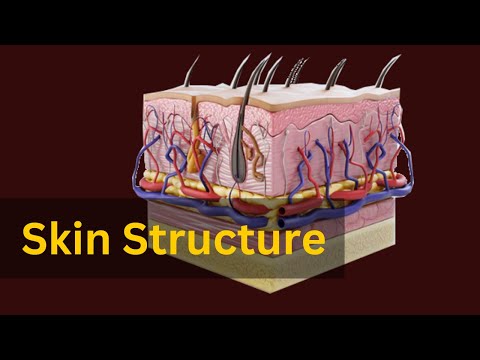
The structure of skin is composed of multiple layers, each with distinct functions and characteristics. The outermost layer, the epidermis, is responsible for providing a physical barrier against external factors, while the dermis layer beneath it contains blood vessels, nerve endings, and hair follicles. The hypodermis layer, the innermost layer, is composed of fat cells and connective tissue. Understanding the structure of skin is essential for comprehending its functions and processes, including sweating, sebum production, and skin renewal. The skin's structure is also influenced by various factors, such as hormones, nutrition, and lifestyle. For instance, a diet rich in antioxidants can help protect the skin from oxidative stress.
🔬 Skin Functions and Processes
Skin functions and processes are intricate and multifaceted. The skin's primary function is to protect the body from external factors, such as temperature, humidity, and pathogens. The skin also plays a crucial role in regulating body temperature, aiding in the production of vitamin D, and facilitating the sensation of touch and feel. Additionally, the skin is involved in various processes, including inflammation, wound healing, and skin renewal. The skin's ability to regenerate and heal itself is a complex process that involves the coordination of multiple cell types, including keratinocytes, fibroblasts, and immune cells. This process is influenced by various factors, such as growth factors, cytokines, and hormones.
🌿 The Role of Skin in Immune Response
The role of skin in immune response is a vital aspect of skin biology. The skin serves as a physical barrier against external pathogens, such as bacteria, viruses, and fungi. The skin also contains immune cells, such as dendritic cells and T cells, which play a crucial role in initiating an immune response. The skin's immune response is influenced by various factors, including hormones, nutrition, and lifestyle. For example, a diet rich in omega-3 fatty acids can help reduce inflammation and promote a healthy immune response. The skin's immune response is also influenced by the gut-skin axis, which refers to the bidirectional communication between the gut microbiome and the skin.
🧬 Skin Regeneration and Wound Healing
Skin regeneration and wound healing are complex processes that involve the coordination of multiple cell types and factors. The skin's ability to regenerate and heal itself is essential for maintaining its integrity and function. The process of wound healing involves several stages, including inflammation, proliferation, and remodeling. Each stage is influenced by various factors, including growth factors, cytokines, and hormones. Understanding the process of skin regeneration and wound healing is essential for developing effective treatments for skin disorders and injuries. For instance, platelet-rich plasma therapy has been shown to enhance wound healing by stimulating the production of growth factors and promoting tissue repair.
🌈 Skin Pigmentation and Melanin
Skin pigmentation and melanin are essential aspects of skin biology. Melanin, the pigment responsible for skin color, is produced by melanocytes in the skin. The amount and distribution of melanin determine an individual's skin color, and any changes in melanin production can result in various skin disorders, such as vitiligo or melasma. The production of melanin is influenced by various factors, including UV radiation, hormones, and genetics. For example, exposure to UV radiation can stimulate the production of melanin, resulting in suntanning or sunburn.
🚽 Skin Conditions and Disorders
Skin conditions and disorders are a significant concern for many individuals. Various factors, including genetics, hormones, and lifestyle, can contribute to the development of skin conditions, such as acne, psoriasis, and eczema. Understanding the underlying causes of skin conditions is essential for developing effective treatments and management strategies. For instance, atopic dermatitis is a chronic skin condition characterized by inflammation and itching, and is often treated with topical corticosteroids and moisturizers.
🧬 The Microbiome of Skin
The microbiome of skin is a complex ecosystem that plays a vital role in maintaining skin health. The skin microbiome is composed of various microorganisms, including bacteria, viruses, and fungi. These microorganisms interact with the skin and other bodily systems, influencing various processes, including inflammation, immune response, and skin renewal. The skin microbiome is influenced by various factors, including hormones, nutrition, and lifestyle. For example, a diet rich in prebiotics can help promote the growth of beneficial microorganisms in the skin microbiome.
🔬 Skin Aging and Photoaging
Skin aging and photoaging are significant concerns for many individuals. The skin's natural aging process is influenced by various factors, including genetics, hormones, and lifestyle. Photoaging, on the other hand, is caused by exposure to UV radiation, which can result in premature aging and skin damage. Understanding the underlying causes of skin aging and photoaging is essential for developing effective treatments and prevention strategies. For instance, retinoids and peptides have been shown to improve skin texture and reduce the appearance of fine lines and wrinkles.
🌟 Future Directions in Skin Biology Research
Future directions in skin biology research are exciting and promising. Advances in genomics, proteomics, and bioinformatics have enabled researchers to better understand the complex processes involved in skin biology. The development of new treatments and therapies, such as stem cell therapy and gene therapy, holds great promise for the treatment of skin disorders and injuries. Additionally, the study of the gut-skin axis and the skin-brain axis has opened up new avenues for research and treatment. For example, psychodermatology is a field of study that explores the relationship between the skin and the brain, and has led to the development of new treatments for skin conditions such as atopic dermatitis.
📚 Conclusion and Further Reading
In conclusion, the complex world of skin biology is a fascinating field of study that has garnered significant attention in recent years. The skin is a dynamic and intricate system that interacts with the environment, immune system, and other bodily systems. Understanding the structure, functions, and processes of skin is essential for developing effective treatments and management strategies for skin disorders and injuries. As research continues to advance, we can expect to see new and innovative treatments and therapies emerge, leading to improved skin health and well-being for individuals around the world. For further reading, please refer to Skin Biology: A Comprehensive Review or Journal of Investigative Dermatology.
Key Facts
- Year
- 2022
- Origin
- Ancient Civilizations, with modern research emerging in the 20th century
- Category
- Biology
- Type
- Biological Concept
Frequently Asked Questions
What is the primary function of the skin?
The primary function of the skin is to protect the body from external factors, such as temperature, humidity, and pathogens. The skin also plays a crucial role in regulating body temperature, aiding in the production of vitamin D, and facilitating the sensation of touch and feel. Additionally, the skin is involved in various processes, including inflammation, wound healing, and skin renewal.
What is the role of melanin in skin pigmentation?
Melanin is the pigment responsible for skin color, and is produced by melanocytes in the skin. The amount and distribution of melanin determine an individual's skin color, and any changes in melanin production can result in various skin disorders, such as vitiligo or melasma.
What is the gut-skin axis?
The gut-skin axis refers to the bidirectional communication between the gut microbiome and the skin. The gut microbiome influences the skin's immune response, inflammation, and skin renewal, while the skin also influences the gut microbiome through the release of hormones and other signaling molecules.
What are some common skin conditions and disorders?
Common skin conditions and disorders include acne, psoriasis, eczema, and skin cancer. These conditions can be caused by a variety of factors, including genetics, hormones, and lifestyle, and can be treated with a range of therapies, including topical creams, oral medications, and lifestyle changes.
What is the current state of skin biology research?
Skin biology research is a rapidly advancing field, with new discoveries and breakthroughs being made regularly. Current research is focused on understanding the complex processes involved in skin biology, including the role of the skin microbiome, the gut-skin axis, and the skin-brain axis. New treatments and therapies, such as stem cell therapy and gene therapy, are also being developed and tested.
How can I promote healthy skin?
Promoting healthy skin involves a combination of lifestyle changes and self-care practices. This includes maintaining a healthy diet, staying hydrated, getting regular exercise, and protecting the skin from the sun and other environmental stressors. Additionally, using gentle skin care products, avoiding harsh chemicals, and managing stress can also help to promote healthy skin.
What is the relationship between the skin and the brain?
The skin and the brain are connected through the skin-brain axis, which refers to the bidirectional communication between the skin and the central nervous system. The skin can influence the brain through the release of hormones and other signaling molecules, while the brain can also influence the skin through the release of stress hormones and other neurotransmitters.