
Contents
- 🌎 Introduction to Skin Biology
- 🧬 The Structure of Skin
- 👥 Skin Cell Types and Functions
- 🌈 Skin Pigmentation and Melanin
- 🚽 Skin Barrier Function and Permeability
- 🧬 Genetic Disorders Affecting the Skin
- 🏥 Skin Diseases and Conditions
- 🧬 Wound Healing and Regeneration
- 💡 Skin Aging and Photoaging
- 🔬 Skin Care and Cosmetic Products
- 👩🔬 Skin Biology Research and Future Directions
- Frequently Asked Questions
- Related Topics
Overview
The study of skin biology is a multifaceted field that encompasses the structure, function, and diseases of the skin. With a vibe score of 8, skin biology has become a significant area of research, particularly in the context of dermatological disorders and cosmetic science. According to Dr. Barbara Gilchrest, a renowned dermatologist, the skin is composed of multiple layers, including the epidermis, dermis, and hypodermis, each with distinct functions and characteristics. The skin's ability to regenerate itself is a remarkable process, with the epidermis renewing itself every 2-4 weeks. However, skin diseases such as psoriasis and acne affect millions of people worldwide, highlighting the need for continued research and development of effective treatments. As noted by the National Institute of Arthritis and Musculoskeletal and Skin Diseases, the economic burden of skin diseases in the United States alone is estimated to be over $100 billion annually, underscoring the importance of advancements in skin biology.
🌎 Introduction to Skin Biology
The complex world of skin biology is a fascinating field of study that has garnered significant attention in recent years. As the largest organ of the human body, the skin plays a crucial role in protecting us from external factors such as Temperature fluctuations, Humidity, and UV Radiation. The skin is composed of multiple layers, including the Epidermis, Dermis, and Hypodermis, each with unique functions and characteristics. Understanding the structure and function of the skin is essential for the development of effective Skin Care products and treatments. The skin is also closely linked to other bodily systems, including the Nervous System and Immune System.
🧬 The Structure of Skin
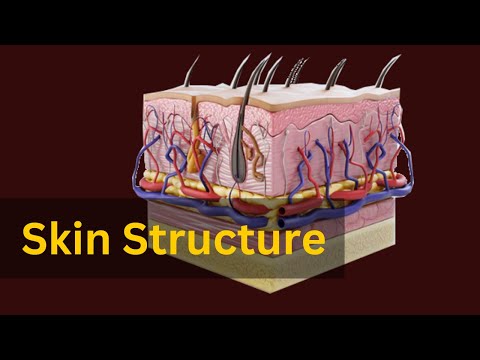
The structure of skin is a remarkable example of evolutionary engineering. The outermost layer, the Epidermis, is composed of dead skin cells that provide a barrier against external factors. The Dermis layer, on the other hand, is composed of living cells, including Fibroblasts and Keratinocytes, which produce Collagen and Elastin fibers that give the skin its strength and elasticity. The Hypodermis layer, also known as subcutaneous tissue, is composed of fat cells that provide insulation and cushioning. The skin is also home to a complex network of Blood Vessels, Nerves, and Sweat Glands. The skin's structure is influenced by various factors, including Genetics, Hormones, and Environmental Factors.
👥 Skin Cell Types and Functions
Skin cell types and functions are diverse and complex. The skin is composed of multiple cell types, including Keratinocytes, Melanocytes, Fibroblasts, and Dendritic Cells. Each cell type plays a unique role in maintaining the skin's structure and function. Keratinocytes, for example, produce Keratin proteins that give the skin its strength and rigidity. Melanocytes, on the other hand, produce Melanin pigments that protect the skin from UV Radiation. The skin is also home to a complex network of Immune Cells, including T Cells and B Cells, which play a crucial role in protecting the skin from Infections and Diseases. The skin's immune system is closely linked to the Gut Microbiome and the Blood-Brain Barrier.
🌈 Skin Pigmentation and Melanin
Skin pigmentation and melanin are critical components of the skin's function. Melanin is the primary pigment responsible for skin color, and it plays a crucial role in protecting the skin from UV Radiation. The production of Melanin is influenced by various factors, including Genetics, Hormones, and Environmental Factors. The skin also contains other pigments, including Carotenoids and Porphyrins, which contribute to its color and function. Understanding the mechanisms of skin pigmentation is essential for the development of effective treatments for Skin Disorders, such as Vitiligo and Melasma. The skin's pigmentation is also influenced by the Circadian Rhythm and the Stress Response.
🚽 Skin Barrier Function and Permeability
Skin barrier function and permeability are critical components of the skin's function. The skin's outermost layer, the Epidermis, provides a barrier against external factors, including Water, Electrolytes, and Toxins. The skin's barrier function is influenced by various factors, including Humidity, Temperature, and pH. The skin is also permeable to certain substances, including Oxygen, Carbon Dioxide, and Water. Understanding the mechanisms of skin barrier function and permeability is essential for the development of effective Skin Care products and treatments. The skin's barrier function is also influenced by the Gut-Skin Axis and the Skin-Brain Axis.
🧬 Genetic Disorders Affecting the Skin
Genetic disorders affecting the skin are a significant concern for many individuals. Genetic Disorders, such as Epidermolysis Bullosa and Ichthyosis, can have a profound impact on the skin's structure and function. Understanding the genetic mechanisms underlying these disorders is essential for the development of effective treatments. The skin is also influenced by various Genetic Factors, including Single Nucleotide Polymorphisms and Copy Number Variation. The skin's genetic profile is also influenced by the Epigenome and the Microbiome.
🏥 Skin Diseases and Conditions
Skin diseases and conditions are a significant concern for many individuals. Skin Diseases, such as Acne, Psoriasis, and Eczema, can have a profound impact on the skin's structure and function. Understanding the mechanisms underlying these diseases is essential for the development of effective treatments. The skin is also susceptible to various Infections, including Bacterial Infections, Viral Infections, and Fungal Infections. The skin's immune system plays a crucial role in protecting the skin from these infections. The skin is also influenced by various Environmental Factors, including Air Pollution and Climate Change.
🧬 Wound Healing and Regeneration
Wound healing and regeneration are critical components of the skin's function. The skin has a remarkable ability to heal itself after injury, and understanding the mechanisms underlying this process is essential for the development of effective treatments. The skin's wound healing process involves a complex interplay of Cell Signaling pathways, including the Wnt Signaling Pathway and the TGF-β Signaling Pathway. The skin is also capable of regenerating itself, and understanding the mechanisms underlying this process is essential for the development of effective treatments for Skin Disorders. The skin's regenerative capacity is influenced by various factors, including Stem Cells and Growth Factors.
💡 Skin Aging and Photoaging
Skin aging and photoaging are significant concerns for many individuals. The skin's aging process is influenced by various factors, including Genetics, Hormones, and Environmental Factors. UV Radiation is a significant contributor to the skin's aging process, and understanding the mechanisms underlying this process is essential for the development of effective treatments. The skin's aging process is also influenced by various Cell Signaling pathways, including the MAPK Signaling Pathway and the PI3K/Akt Signaling Pathway. The skin's aging process is also influenced by the Telomere length and the Epigenetic profile.
🔬 Skin Care and Cosmetic Products
Skin care and cosmetic products are a significant industry, with many products available to consumers. Understanding the mechanisms underlying the skin's structure and function is essential for the development of effective Skin Care products and treatments. The skin is influenced by various Cosmetic Ingredients, including Moisturizers, Exfoliants, and Sunscreen. The skin is also susceptible to various Adverse Reactions, including Irritant Contact Dermatitis and Allergic Contact Dermatitis. The skin's response to cosmetic products is influenced by various factors, including the Skin Type and the Skin Condition.
👩🔬 Skin Biology Research and Future Directions
Skin biology research and future directions are exciting and rapidly evolving fields. Understanding the mechanisms underlying the skin's structure and function is essential for the development of effective treatments for Skin Disorders. The skin is influenced by various Emerging Technologies, including Gene Editing and Stem Cell Therapy. The skin's future is also influenced by various Societal Factors, including Climate Change and Air Pollution. The skin's response to these factors will be critical in determining its future health and function.
Key Facts
- Year
- 2022
- Origin
- Vibepedia.wiki
- Category
- Biology
- Type
- Textbook
Frequently Asked Questions
What is the structure of the skin?
The skin is composed of multiple layers, including the Epidermis, Dermis, and Hypodermis. The Epidermis is the outermost layer, composed of dead skin cells that provide a barrier against external factors. The Dermis layer is composed of living cells, including Fibroblasts and Keratinocytes, which produce Collagen and Elastin fibers that give the skin its strength and elasticity. The Hypodermis layer is composed of fat cells that provide insulation and cushioning.
What are the different types of skin cells?
The skin is composed of multiple cell types, including Keratinocytes, Melanocytes, Fibroblasts, and Dendritic Cells. Each cell type plays a unique role in maintaining the skin's structure and function. Keratinocytes produce Keratin proteins that give the skin its strength and rigidity. Melanocytes produce Melanin pigments that protect the skin from UV Radiation.
What is skin pigmentation and how is it regulated?
Skin pigmentation is the process by which the skin produces Melanin pigments that give the skin its color. The production of Melanin is influenced by various factors, including Genetics, Hormones, and Environmental Factors. The skin also contains other pigments, including Carotenoids and Porphyrins, which contribute to its color and function.
What are some common skin diseases and conditions?
The skin is susceptible to various Skin Diseases, including Acne, Psoriasis, and Eczema. These diseases can have a profound impact on the skin's structure and function. Understanding the mechanisms underlying these diseases is essential for the development of effective treatments. The skin is also susceptible to various Infections, including Bacterial Infections, Viral Infections, and Fungal Infections.
How does the skin heal itself after injury?
The skin has a remarkable ability to heal itself after injury, and understanding the mechanisms underlying this process is essential for the development of effective treatments. The skin's wound healing process involves a complex interplay of Cell Signaling pathways, including the Wnt Signaling Pathway and the TGF-β Signaling Pathway. The skin is also capable of regenerating itself, and understanding the mechanisms underlying this process is essential for the development of effective treatments for Skin Disorders.