
Contents
- 🌎 Introduction to Respiratory Diseases
- 👀 Understanding the Respiratory System
- 🤒 Types of Respiratory Diseases
- 📊 Classification of Respiratory Diseases
- 🚑 Life-Threatening Respiratory Diseases
- 🌈 Mild and Self-Limiting Respiratory Diseases
- 👥 Causes and Risk Factors of Respiratory Diseases
- 🏥 Diagnosis and Treatment of Respiratory Diseases
- 💡 Current Research and Future Directions
- 🌐 Global Impact of Respiratory Diseases
- 📊 Economic Burden of Respiratory Diseases
- 👍 Conclusion and Recommendations
- Frequently Asked Questions
- Related Topics
Overview
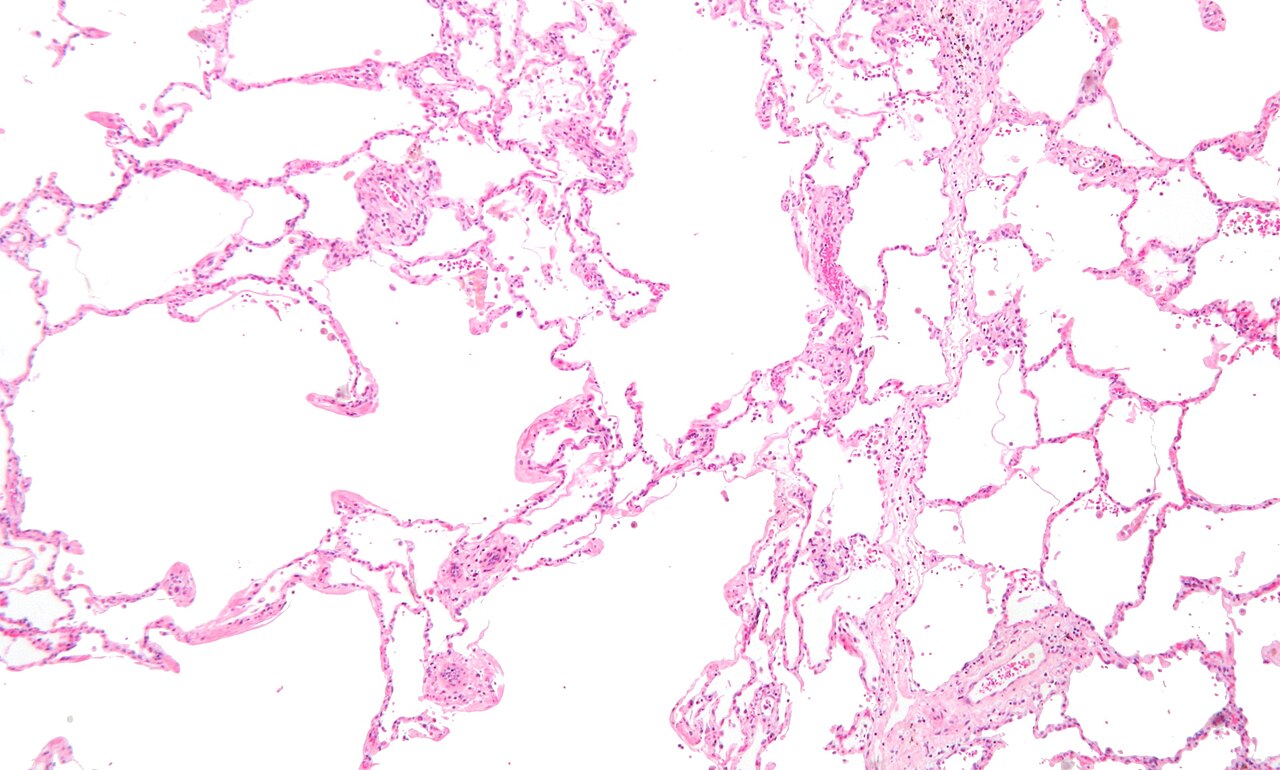
Respiratory diseases, or lung diseases, are pathological conditions affecting the organs and tissues that make gas exchange difficult in air-breathing animals. They include conditions of the respiratory system including the trachea, bronchi, bronchioles, alveoli, pleurae, pleural cavity, the nerves and muscles of respiration. According to the World Health Organization, respiratory diseases are a major cause of morbidity and mortality worldwide. The global burden of disease study estimates that respiratory diseases account for over 10% of all deaths globally. Respiratory diseases can be classified in many different ways, including by the organ or tissue involved, by the type and pattern of associated signs and symptoms, or by the cause of the disease.
👀 Understanding the Respiratory System
The respiratory system is a complex system that includes the nose, mouth, trachea, bronchi, bronchioles, alveoli, and lungs. It is responsible for bringing oxygen into the body and removing carbon dioxide. The respiratory system is also closely linked to the circulatory system, which transports oxygen and nutrients to the body's tissues. Understanding the respiratory system is essential for understanding how respiratory diseases affect the body. For example, chronic obstructive pulmonary disease (COPD) is a progressive lung disease that makes it difficult to breathe. It is often caused by smoking and air pollution.
🤒 Types of Respiratory Diseases
Respiratory diseases can be classified into several types, including infectious diseases such as pneumonia and tuberculosis, cancer such as lung cancer, and chronic diseases such as chronic obstructive pulmonary disease (COPD) and asthma. Each type of respiratory disease has its own unique causes, symptoms, and treatment options. For example, influenza is a highly contagious respiratory disease that can be treated with antiviral medication. On the other hand, lung cancer is a life-threatening disease that requires surgery, chemotherapy, and radiation therapy.
📊 Classification of Respiratory Diseases
The classification of respiratory diseases is important for diagnosis and treatment. Respiratory diseases can be classified by the organ or tissue involved, such as pulmonary diseases that affect the lungs. They can also be classified by the type and pattern of associated signs and symptoms, such as respiratory infections that cause fever and cough. Additionally, respiratory diseases can be classified by the cause of the disease, such as smoking-related diseases or genetic disorders. For example, cystic fibrosis is a genetic disorder that affects the respiratory system and requires lungs transplantation.
🚑 Life-Threatening Respiratory Diseases
Some respiratory diseases are life-threatening and require immediate medical attention. For example, pulmonary embolism is a blockage of an artery in the lungs that can cause sudden death. Severe acute respiratory syndrome (SARS) is another life-threatening respiratory disease that can cause respiratory failure. COVID-19 is a highly contagious respiratory disease that has caused a global pandemic. These diseases require prompt diagnosis and treatment to prevent serious complications and death. According to the Centers for Disease Control and Prevention, COVID-19 has caused over 3 million deaths worldwide.
🌈 Mild and Self-Limiting Respiratory Diseases
Mild and self-limiting respiratory diseases, such as the common cold and influenza, are common and can be treated with over-the-counter medication. These diseases are often caused by viruses and can be spread through airborne transmission. While they can be uncomfortable and disrupt daily life, they are not typically life-threatening. However, they can still have a significant impact on quality of life and productivity. For example, allergic rhinitis is a common respiratory disease that can cause nasal congestion and itchy eyes.
👥 Causes and Risk Factors of Respiratory Diseases
The causes and risk factors of respiratory diseases are varied and complex. Smoking is a major risk factor for many respiratory diseases, including lung cancer and chronic obstructive pulmonary disease (COPD). Air pollution is another significant risk factor, particularly in urban areas. Genetic disorders can also play a role in the development of respiratory diseases. For example, cystic fibrosis is a genetic disorder that affects the respiratory system. Infections such as pneumonia and tuberculosis can also cause respiratory diseases.
🏥 Diagnosis and Treatment of Respiratory Diseases
The diagnosis and treatment of respiratory diseases depend on the type and severity of the disease. Chest x-ray and computed tomography (CT) scans are commonly used to diagnose respiratory diseases. Pulmonary function tests can also be used to assess lung function. Treatment options range from medication and oxygen therapy to surgery and lungs transplantation. For example, chronic obstructive pulmonary disease (COPD) can be treated with bronchodilators and oxygen therapy.
💡 Current Research and Future Directions
Current research and future directions in respiratory diseases are focused on developing new treatments and improving diagnosis. Stem cell therapy and gene therapy are being explored as potential treatments for respiratory diseases. Personalized medicine is also being developed to tailor treatment to individual patients. Additionally, research is being conducted on the role of microbiome in respiratory diseases. For example, probiotics have been shown to have a positive effect on respiratory health.
🌐 Global Impact of Respiratory Diseases
The global impact of respiratory diseases is significant. According to the World Health Organization, respiratory diseases are a major cause of morbidity and mortality worldwide. The global burden of disease study estimates that respiratory diseases account for over 10% of all deaths globally. Respiratory diseases also have a significant economic impact, with estimated costs of over $1 trillion annually. For example, smoking-related illnesses cost the US economy over $300 billion annually.
📊 Economic Burden of Respiratory Diseases
The economic burden of respiratory diseases is substantial. The costs of respiratory diseases include direct medical costs, such as hospitalization and medication, as well as indirect costs, such as lost productivity and disability. The economic burden of respiratory diseases is expected to increase in the coming years due to the growing prevalence of respiratory diseases. For example, chronic obstructive pulmonary disease (COPD) is expected to become the third leading cause of death worldwide by 2030.
👍 Conclusion and Recommendations
In conclusion, respiratory diseases are a significant public health concern. They can be mild and self-limiting or life-threatening, and their impact on quality of life and productivity can be substantial. Understanding the causes and risk factors of respiratory diseases, as well as the diagnosis and treatment options, is essential for improving health outcomes. Further research is needed to develop new treatments and improve diagnosis, and to reduce the economic burden of respiratory diseases. For example, vaccination against influenza and pneumonia can help prevent respiratory diseases.
Key Facts
- Year
- 2022
- Origin
- Ancient civilizations, with descriptions of respiratory ailments found in Egyptian and Greek medical texts
- Category
- Health and Medicine
- Type
- Medical Condition
Frequently Asked Questions
What are the most common respiratory diseases?
The most common respiratory diseases include common cold, influenza, pneumonia, tuberculosis, chronic obstructive pulmonary disease (COPD), and asthma. These diseases can be caused by viruses, bacteria, or allergens, and can be treated with medication, oxygen therapy, or surgery.
What are the symptoms of respiratory diseases?
The symptoms of respiratory diseases can vary depending on the type and severity of the disease. Common symptoms include cough, shortness of breath, chest pain, and fever. In severe cases, respiratory diseases can cause respiratory failure, which can be life-threatening. It is essential to seek medical attention if symptoms persist or worsen over time.
How can respiratory diseases be prevented?
Respiratory diseases can be prevented by avoiding smoking and secondhand smoke, getting vaccinated against influenza and pneumonia, and avoiding close contact with people who have respiratory infections. Additionally, good hygiene practices, such as washing hands frequently and avoiding touching the face, can help prevent the spread of respiratory diseases.
What is the treatment for respiratory diseases?
The treatment for respiratory diseases depends on the type and severity of the disease. Treatment options range from medication and oxygen therapy to surgery and lungs transplantation. In some cases, pulmonary rehabilitation may be recommended to help improve lung function and overall health.
What is the prognosis for respiratory diseases?
The prognosis for respiratory diseases varies depending on the type and severity of the disease. In general, mild and self-limiting respiratory diseases have a good prognosis, while life-threatening diseases such as pulmonary embolism and severe acute respiratory syndrome (SARS) have a poorer prognosis. With proper treatment and management, many respiratory diseases can be effectively managed, and quality of life can be improved.