
Contents
- 🔬 Introduction to QRT-PCR
- 📊 Principles of QRT-PCR
- 🔍 Applications of QRT-PCR
- 📈 Advantages of QRT-PCR
- 📊 Limitations of QRT-PCR
- 🔬 Real-Time PCR Instruments
- 📊 Data Analysis in QRT-PCR
- 📈 Future Directions in QRT-PCR
- 📊 QRT-PCR in Disease Diagnosis
- 🔬 QRT-PCR in Gene Expression Studies
- 📊 QRT-PCR in Forensic Analysis
- 🔍 Conclusion and Future Prospects
- Frequently Asked Questions
- Related Topics
Overview
QRT-PCR, or quantitative real-time polymerase chain reaction, is a laboratory technique used to detect and quantify the expression of specific genes. Developed in the 1990s by scientists such as Kary Mullis and Russell Higuchi, QRT-PCR has become a cornerstone of molecular biology research, with applications in fields like cancer diagnosis, infectious disease detection, and gene therapy. The technique involves the use of fluorescent probes to monitor the amplification of target DNA sequences in real-time, allowing for precise quantification of gene expression levels. With a Vibe score of 8, QRT-PCR has revolutionized the field of molecular biology, enabling researchers to study gene function and regulation with unprecedented precision. However, the technique is not without its limitations and controversies, including concerns over primer design, PCR bias, and data analysis. As the field continues to evolve, QRT-PCR remains a vital tool for understanding the intricacies of gene expression and its role in human disease. According to a study published in the journal Nature Methods, QRT-PCR has been used in over 70% of gene expression studies in the past decade, with notable researchers like David Allis and Michael Snyder contributing to its development and application.
🔬 Introduction to QRT-PCR
QRT-PCR, or quantitative real-time polymerase chain reaction, is a laboratory technique used to detect and quantify the expression of specific genes. It is considered the gold standard of gene expression analysis due to its high sensitivity and specificity. QRT-PCR is widely used in various fields, including molecular biology, genetics, and medicine. For example, it is used to study the expression of genes involved in cancer and to develop diagnostic tests for diseases. The technique is also used in forensic analysis to analyze DNA evidence. QRT-PCR is a powerful tool for understanding the regulation of gene expression and has many applications in basic research and clinical research.
📊 Principles of QRT-PCR
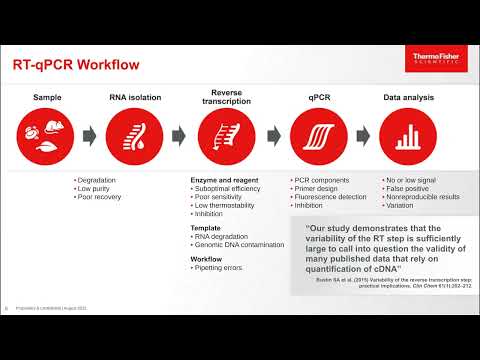
The principles of QRT-PCR are based on the polymerase chain reaction (PCR) technique, which is used to amplify specific DNA sequences. QRT-PCR uses fluorescent probes to detect the amplification of the target sequence in real-time. The technique involves several steps, including DNA extraction, RNA extraction, and cDNA synthesis. The use of real-time PCR instruments has made it possible to quantify the expression of genes with high accuracy. QRT-PCR is a sensitive technique that can detect small changes in gene expression, making it a valuable tool for understanding the regulation of gene expression. For example, it is used to study the expression of genes involved in gene regulation and to develop therapeutic strategies for diseases.
🔍 Applications of QRT-PCR
QRT-PCR has many applications in various fields, including molecular biology, genetics, and medicine. It is used to study the expression of genes involved in cancer research and to develop diagnostic tests for diseases. The technique is also used in forensic analysis to analyze DNA evidence. QRT-PCR is a powerful tool for understanding the regulation of gene expression and has many applications in basic research and clinical research. For example, it is used to study the expression of genes involved in neurological disorders and to develop therapeutic strategies for diseases. QRT-PCR is also used in plant biology to study the expression of genes involved in plant development and plant response to stress.
📈 Advantages of QRT-PCR
QRT-PCR has several advantages over other techniques used to study gene expression. It is a sensitive technique that can detect small changes in gene expression, making it a valuable tool for understanding the regulation of gene expression. QRT-PCR is also a specific technique that can detect specific genes, making it a valuable tool for studying the expression of specific genes. The technique is also relatively fast and can be used to analyze large numbers of samples. QRT-PCR is a powerful tool for understanding the regulation of gene expression and has many applications in basic research and clinical research. For example, it is used to study the expression of genes involved in cancer and to develop diagnostic tests for diseases. QRT-PCR is also used in forensic analysis to analyze DNA evidence.
📊 Limitations of QRT-PCR
Despite its many advantages, QRT-PCR also has some limitations. The technique requires specialized equipment and trained personnel, making it a relatively expensive technique. QRT-PCR is also a sensitive technique that requires careful handling of samples to avoid contamination. The technique is also limited by the availability of primers and probes, which can be expensive and difficult to design. QRT-PCR is a powerful tool for understanding the regulation of gene expression, but it is not without its limitations. For example, it is not suitable for studying the expression of genes in single cells or for analyzing epigenetic modifications. QRT-PCR is also not suitable for studying the expression of genes in real-time, making it less suitable for studying dynamic processes.
🔬 Real-Time PCR Instruments
Real-time PCR instruments are specialized machines that are used to perform QRT-PCR reactions. These instruments use fluorescent probes to detect the amplification of the target sequence in real-time. The instruments are equipped with thermal cyclers that can heat and cool the samples rapidly, allowing for the amplification of the target sequence. The instruments are also equipped with fluorescent detection systems that can detect the fluorescent signal emitted by the probes. Real-time PCR instruments are widely used in various fields, including molecular biology, genetics, and medicine. For example, they are used to study the expression of genes involved in cancer and to develop diagnostic tests for diseases.
📊 Data Analysis in QRT-PCR
Data analysis is a critical step in QRT-PCR experiments. The data is analyzed using specialized software that can calculate the expression levels of the target gene. The software uses relative quantification methods to calculate the expression levels of the target gene relative to a reference gene. The software can also use absolute quantification methods to calculate the absolute expression levels of the target gene. Data analysis is a critical step in QRT-PCR experiments, as it can affect the accuracy and reliability of the results. For example, it is used to study the expression of genes involved in cancer and to develop diagnostic tests for diseases. QRT-PCR data analysis is also used in forensic analysis to analyze DNA evidence.
📈 Future Directions in QRT-PCR
QRT-PCR is a powerful tool for understanding the regulation of gene expression, and it has many applications in various fields. The technique is constantly evolving, with new technologies and methods being developed to improve its sensitivity and specificity. For example, digital PCR is a new technology that allows for the absolute quantification of DNA molecules. QRT-PCR is also being used in combination with other techniques, such as next-generation sequencing, to study the expression of genes and to develop diagnostic tests for diseases. The future of QRT-PCR is exciting, with many new applications and technologies being developed. For example, QRT-PCR is being used to study the expression of genes involved in personalized medicine and to develop therapeutic strategies for diseases.
📊 QRT-PCR in Disease Diagnosis
QRT-PCR is widely used in disease diagnosis to detect and quantify the expression of specific genes. The technique is used to develop diagnostic tests for diseases, such as cancer and infectious diseases. QRT-PCR is also used to monitor the progression of diseases and to evaluate the effectiveness of treatments. For example, it is used to study the expression of genes involved in cancer and to develop diagnostic tests for diseases. QRT-PCR is a powerful tool for understanding the regulation of gene expression, and it has many applications in disease diagnosis. The technique is also used in forensic analysis to analyze DNA evidence.
🔬 QRT-PCR in Gene Expression Studies
QRT-PCR is widely used in gene expression studies to understand the regulation of gene expression. The technique is used to study the expression of genes involved in various biological processes, such as cell growth and cell differentiation. QRT-PCR is also used to study the expression of genes involved in disease, such as cancer and neurological disorders. The technique is a powerful tool for understanding the regulation of gene expression, and it has many applications in gene expression studies. For example, it is used to study the expression of genes involved in plant biology and to develop diagnostic tests for diseases.
📊 QRT-PCR in Forensic Analysis
QRT-PCR is widely used in forensic analysis to analyze DNA evidence. The technique is used to detect and quantify the expression of specific genes, such as DNA methylation and histone modifications. QRT-PCR is also used to study the expression of genes involved in forensic analysis, such as DNA profiling and paternity testing. The technique is a powerful tool for understanding the regulation of gene expression, and it has many applications in forensic analysis. For example, it is used to study the expression of genes involved in criminal investigations and to develop diagnostic tests for diseases.
🔍 Conclusion and Future Prospects
In conclusion, QRT-PCR is a powerful tool for understanding the regulation of gene expression. The technique has many applications in various fields, including molecular biology, genetics, and medicine. QRT-PCR is widely used in disease diagnosis, gene expression studies, and forensic analysis. The technique is constantly evolving, with new technologies and methods being developed to improve its sensitivity and specificity. The future of QRT-PCR is exciting, with many new applications and technologies being developed. For example, QRT-PCR is being used to study the expression of genes involved in personalized medicine and to develop therapeutic strategies for diseases.
Key Facts
- Year
- 1993
- Origin
- University of California, San Francisco
- Category
- Molecular Biology
- Type
- Laboratory Technique
Frequently Asked Questions
What is QRT-PCR?
QRT-PCR, or quantitative real-time polymerase chain reaction, is a laboratory technique used to detect and quantify the expression of specific genes. It is considered the gold standard of gene expression analysis due to its high sensitivity and specificity. QRT-PCR is widely used in various fields, including molecular biology, genetics, and medicine. For example, it is used to study the expression of genes involved in cancer and to develop diagnostic tests for diseases.
How does QRT-PCR work?
QRT-PCR uses fluorescent probes to detect the amplification of the target sequence in real-time. The technique involves several steps, including DNA extraction, RNA extraction, and cDNA synthesis. The use of real-time PCR instruments has made it possible to quantify the expression of genes with high accuracy. QRT-PCR is a sensitive technique that can detect small changes in gene expression, making it a valuable tool for understanding the regulation of gene expression.
What are the applications of QRT-PCR?
QRT-PCR has many applications in various fields, including molecular biology, genetics, and medicine. It is used to study the expression of genes involved in cancer research and to develop diagnostic tests for diseases. The technique is also used in forensic analysis to analyze DNA evidence. QRT-PCR is a powerful tool for understanding the regulation of gene expression and has many applications in basic research and clinical research.
What are the advantages of QRT-PCR?
QRT-PCR has several advantages over other techniques used to study gene expression. It is a sensitive technique that can detect small changes in gene expression, making it a valuable tool for understanding the regulation of gene expression. QRT-PCR is also a specific technique that can detect specific genes, making it a valuable tool for studying the expression of specific genes. The technique is also relatively fast and can be used to analyze large numbers of samples.
What are the limitations of QRT-PCR?
Despite its many advantages, QRT-PCR also has some limitations. The technique requires specialized equipment and trained personnel, making it a relatively expensive technique. QRT-PCR is also a sensitive technique that requires careful handling of samples to avoid contamination. The technique is also limited by the availability of primers and probes, which can be expensive and difficult to design.
What is the future of QRT-PCR?
QRT-PCR is a powerful tool for understanding the regulation of gene expression, and it has many applications in various fields. The technique is constantly evolving, with new technologies and methods being developed to improve its sensitivity and specificity. For example, digital PCR is a new technology that allows for the absolute quantification of DNA molecules. QRT-PCR is also being used in combination with other techniques, such as next-generation sequencing, to study the expression of genes and to develop diagnostic tests for diseases.
How is QRT-PCR used in disease diagnosis?
QRT-PCR is widely used in disease diagnosis to detect and quantify the expression of specific genes. The technique is used to develop diagnostic tests for diseases, such as cancer and infectious diseases. QRT-PCR is also used to monitor the progression of diseases and to evaluate the effectiveness of treatments.