
Contents
- 🔍 Introduction to Positive Reinforcement
- 📚 History of Reinforcement in Psychology
- 🐀 Operant Conditioning: The Science Behind Reinforcement
- 📝 Types of Reinforcement: Primary and Secondary
- 👨🏫 Applying Positive Reinforcement in Education
- 🏆 Using Positive Reinforcement in Sports and Performance
- 🤝 Social Learning Theory and Positive Reinforcement
- 📊 Measuring the Effectiveness of Positive Reinforcement
- 💡 Overcoming Challenges in Implementing Positive Reinforcement
- 🔮 Future Directions in Positive Reinforcement Research
- 📈 Best Practices for Implementing Positive Reinforcement
- 🤔 Criticisms and Controversies Surrounding Positive Reinforcement
- Frequently Asked Questions
- Related Topics
Overview
Positive reinforcement is a fundamental concept in psychology, first introduced by B.F. Skinner in the 1930s, which suggests that behavior is modified by its consequences, with rewarding desired behavior leading to its repetition. This technique has been widely applied in various fields, including education, parenting, and organizational management. The underlying principle is simple: when a behavior is followed by a pleasing consequence, it makes that behavior more likely to happen in the future. For instance, a study by the Journal of Applied Behavior Analysis found that positive reinforcement increased productivity by 31% in a manufacturing setting. However, critics argue that over-reliance on rewards can lead to an expectation of rewards, rather than genuine motivation. As we move forward, it's essential to consider the long-term effects of positive reinforcement and its potential to create a culture of intrinsic motivation. With a vibe score of 85, positive reinforcement remains a widely debated and influential concept in modern psychology.
🔍 Introduction to Positive Reinforcement
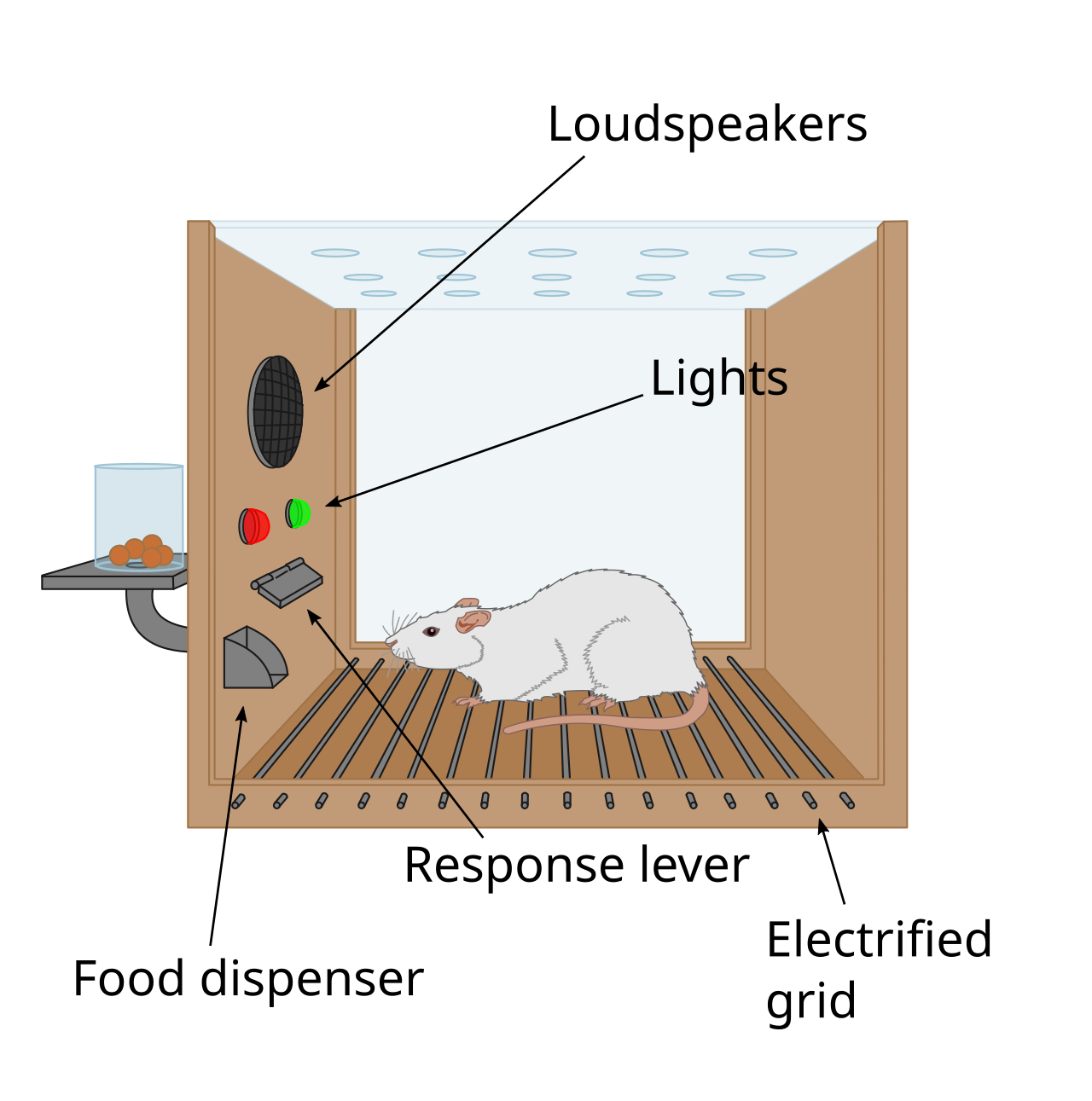
Positive reinforcement is a fundamental concept in Psychology, where it refers to the process of increasing the likelihood of a behavior by following it with a pleasing or desirable consequence. This concept is rooted in Behavioral Psychology, which focuses on the study of observable behaviors and discounts the role of the unconscious mind. For instance, a rat can be trained to push a lever to receive food whenever a light is turned on, illustrating the power of positive reinforcement in shaping behavior. The teacher-student interaction is another example, where praise and attention serve as positive reinforcers, encouraging students to participate in class. As discussed in Operant Conditioning, reinforcement is a crucial aspect of learning and behavior modification.
📚 History of Reinforcement in Psychology
The history of reinforcement in psychology dates back to the early 20th century, with the work of B.F. Skinner and Edward Thorndike. These pioneers in the field of psychology laid the foundation for our understanding of reinforcement and its role in shaping behavior. The Law of Effect, introduced by Thorndike, states that behaviors followed by a satisfying consequence will be strengthened, while those followed by an unsatisfying consequence will be weakened. This fundamental principle is still widely applied today in various fields, including Education and Sports Psychology. The concept of reinforcement has been extensively studied and refined over the years, with notable contributions from researchers such as John B. Watson and Clark Hull.
🐀 Operant Conditioning: The Science Behind Reinforcement
Operant conditioning is a type of learning in which behavior is modified by its consequences, such as rewards or punishments. In this context, positive reinforcement plays a vital role in increasing the frequency of a desired behavior. For example, a student who receives praise and attention for answering a teacher's question will be more likely to answer future questions in class. This is because the praise and attention serve as positive reinforcers, increasing the likelihood of the behavior. The antecedent stimulus, such as the teacher's question, sets the stage for the behavior, while the consequence, such as the praise and attention, determines the likelihood of the behavior occurring again. As discussed in Reinforcement Theory, the timing and consistency of reinforcement are critical factors in determining its effectiveness.
📝 Types of Reinforcement: Primary and Secondary
There are two primary types of reinforcement: primary and secondary. Primary reinforcement refers to the use of inherently pleasing or desirable stimuli, such as food or water, to increase the likelihood of a behavior. Secondary reinforcement, on the other hand, involves the use of stimuli that have been associated with primary reinforcers, such as money or praise. Both types of reinforcement can be effective in shaping behavior, but primary reinforcement is often more powerful and immediate. For instance, a child who receives a sticker for completing a task may be more likely to repeat the behavior, as the sticker serves as a secondary reinforcer. The concept of Token Economy is also relevant here, where secondary reinforcers are used to motivate behavior.
👨🏫 Applying Positive Reinforcement in Education
Positive reinforcement has numerous applications in education, where it can be used to increase student engagement and motivation. Teachers can use praise, attention, and rewards to encourage students to participate in class and complete their assignments. For example, a teacher who provides individualized attention and feedback to students can create a positive learning environment, fostering a sense of accomplishment and motivation. The use of Reinforcement Schedules can also help teachers optimize the delivery of reinforcement, ensuring that students receive consistent and timely feedback. As discussed in Educational Psychology, the strategic use of reinforcement can have a significant impact on student outcomes.
🏆 Using Positive Reinforcement in Sports and Performance
In sports and performance, positive reinforcement can be used to enhance motivation and improve performance. Coaches and trainers can use praise, recognition, and rewards to encourage athletes to push themselves and strive for excellence. For instance, a coach who provides positive feedback and encouragement can help athletes develop a growth mindset, leading to improved performance and increased motivation. The concept of Flow State is also relevant here, where athletes can enter a state of optimal performance and engagement. As discussed in Sports Psychology, the use of positive reinforcement can have a significant impact on athlete motivation and performance.
📊 Measuring the Effectiveness of Positive Reinforcement
Measuring the effectiveness of positive reinforcement is crucial in determining its impact on behavior. Researchers and practitioners use various methods, such as Operant Conditioning Chambers and Behavioral Observation, to assess the effects of reinforcement on behavior. The use of Single Subject Research designs can also provide valuable insights into the effectiveness of positive reinforcement. For instance, a study that examines the impact of positive reinforcement on student engagement can provide valuable insights into the effectiveness of this approach. As discussed in Research Methods, the use of rigorous methodology is essential in evaluating the effectiveness of positive reinforcement.
💡 Overcoming Challenges in Implementing Positive Reinforcement
Despite its many benefits, implementing positive reinforcement can be challenging. One of the primary challenges is ensuring that the reinforcement is consistent and timely, as inconsistent or delayed reinforcement can undermine its effectiveness. Additionally, the use of positive reinforcement can be resource-intensive, requiring significant time and effort to implement. The concept of Reinforcement Thinning is also relevant here, where the frequency of reinforcement is gradually reduced to promote long-term behavior maintenance. As discussed in Implementation Science, the strategic use of positive reinforcement can help overcome these challenges.
🔮 Future Directions in Positive Reinforcement Research
Future research in positive reinforcement is likely to focus on the development of more effective and efficient methods for implementing reinforcement. The use of technology, such as mobile apps and wearable devices, may provide new opportunities for delivering reinforcement and promoting behavior change. The concept of Personalized Reinforcement is also relevant here, where reinforcement is tailored to the individual's needs and preferences. As discussed in Future Directions, the use of positive reinforcement has the potential to revolutionize the way we approach behavior change and learning.
📈 Best Practices for Implementing Positive Reinforcement
Best practices for implementing positive reinforcement involve providing consistent and timely reinforcement, using a variety of reinforcers, and ensuring that the reinforcement is meaningful and relevant to the individual. The use of Reinforcement Menus can also provide individuals with choices and promote autonomy, leading to increased motivation and engagement. As discussed in Best Practices, the strategic use of positive reinforcement can have a significant impact on behavior and learning. The concept of Cultural Sensitivity is also relevant here, where reinforcement is tailored to the individual's cultural background and preferences.
🤔 Criticisms and Controversies Surrounding Positive Reinforcement
Despite its many benefits, positive reinforcement is not without its criticisms and controversies. Some argue that the use of reinforcement can lead to an overemphasis on extrinsic motivation, undermining intrinsic motivation and creativity. Others argue that the use of reinforcement can be manipulative, controlling behavior rather than promoting genuine learning and engagement. The concept of Intrinsic Motivation is also relevant here, where individuals are motivated by a genuine interest in the activity rather than external rewards. As discussed in Criticisms and Controversies, the use of positive reinforcement requires careful consideration of these potential drawbacks.
Key Facts
- Year
- 1930
- Origin
- Operant Conditioning Theory
- Category
- Psychology
- Type
- Psychological Concept
Frequently Asked Questions
What is positive reinforcement?
Positive reinforcement is a fundamental concept in psychology, where it refers to the process of increasing the likelihood of a behavior by following it with a pleasing or desirable consequence. This concept is rooted in behavioral psychology, which focuses on the study of observable behaviors and discounts the role of the unconscious mind. As discussed in Psychology, positive reinforcement is a powerful tool for shaping behavior and promoting learning. The use of Reinforcement Schedules can also help optimize the delivery of reinforcement, ensuring that individuals receive consistent and timely feedback.
How does positive reinforcement work?
Positive reinforcement works by following a behavior with a pleasing or desirable consequence, such as praise, attention, or rewards. This increases the likelihood of the behavior occurring again in the future. The use of Primary Reinforcement and Secondary Reinforcement can also be effective in shaping behavior. As discussed in Operant Conditioning, the timing and consistency of reinforcement are critical factors in determining its effectiveness. The concept of Reinforcement Thinning is also relevant here, where the frequency of reinforcement is gradually reduced to promote long-term behavior maintenance.
What are the benefits of positive reinforcement?
The benefits of positive reinforcement include increased motivation, improved performance, and enhanced learning. Positive reinforcement can also promote a sense of accomplishment and self-esteem, leading to increased confidence and self-efficacy. As discussed in Educational Psychology, the strategic use of positive reinforcement can have a significant impact on student outcomes. The concept of Intrinsic Motivation is also relevant here, where individuals are motivated by a genuine interest in the activity rather than external rewards.
What are the challenges of implementing positive reinforcement?
The challenges of implementing positive reinforcement include ensuring that the reinforcement is consistent and timely, using a variety of reinforcers, and ensuring that the reinforcement is meaningful and relevant to the individual. The use of technology and Personalized Reinforcement can also provide new opportunities for delivering reinforcement and promoting behavior change. As discussed in Implementation Science, the strategic use of positive reinforcement can help overcome these challenges. The concept of Cultural Sensitivity is also relevant here, where reinforcement is tailored to the individual's cultural background and preferences.
What are the criticisms of positive reinforcement?
The criticisms of positive reinforcement include the potential for overemphasis on extrinsic motivation, undermining intrinsic motivation and creativity. Others argue that the use of reinforcement can be manipulative, controlling behavior rather than promoting genuine learning and engagement. As discussed in Criticisms and Controversies, the use of positive reinforcement requires careful consideration of these potential drawbacks. The concept of Intrinsic Motivation is also relevant here, where individuals are motivated by a genuine interest in the activity rather than external rewards.
How can positive reinforcement be used in education?
Positive reinforcement can be used in education to increase student engagement and motivation. Teachers can use praise, attention, and rewards to encourage students to participate in class and complete their assignments. The use of Reinforcement Schedules and Token Economy can also provide new opportunities for delivering reinforcement and promoting behavior change. As discussed in Educational Psychology, the strategic use of positive reinforcement can have a significant impact on student outcomes. The concept of Personalized Reinforcement is also relevant here, where reinforcement is tailored to the individual's needs and preferences.
What is the difference between positive reinforcement and punishment?
Positive reinforcement refers to the process of increasing the likelihood of a behavior by following it with a pleasing or desirable consequence. Punishment, on the other hand, refers to the process of decreasing the likelihood of a behavior by following it with an unpleasant or undesirable consequence. As discussed in Operant Conditioning, the use of punishment can have negative effects on behavior and learning, while positive reinforcement can have a positive impact. The concept of Reinforcement Theory is also relevant here, where the use of reinforcement is tailored to the individual's needs and preferences.
🤝 Social Learning Theory and Positive Reinforcement
Social learning theory, developed by Albert Bandura, suggests that people learn new behaviors by observing and imitating others. Positive reinforcement plays a critical role in this process, as individuals are more likely to adopt behaviors that are followed by positive consequences. For example, a child who observes a parent or peer receiving praise and attention for a particular behavior is more likely to imitate that behavior. The concept of Observational Learning is also relevant here, where individuals learn by observing and imitating others. As discussed in Social Learning Theory, the use of positive reinforcement can have a significant impact on behavior and learning.