
Contents
- 🔍 Introduction to NF-κB
- 🧬 Structure and Function of NF-κB
- 🌟 Activation Mechanisms of NF-κB
- 🚫 Inhibition of NF-κB
- 💡 Role of NF-κB in Immune Response
- 🤕 NF-κB and Inflammation
- 🚑 NF-κB in Disease and Disorders
- 🔬 Therapeutic Targeting of NF-κB
- 📊 Controversies and Debates Surrounding NF-κB
- 🔜 Future Directions in NF-κB Research
- 👥 Key Players in NF-κB Research
- Frequently Asked Questions
- Related Topics
Overview
NF-κB is a protein complex that controls DNA transcription and cell survival, playing a pivotal role in immune responses and inflammation. First discovered in 1986 by David Baltimore and colleagues, NF-κB has been extensively studied for its involvement in various diseases, including cancer, arthritis, and neurodegenerative disorders. With a vibe score of 8, NF-κB is a highly controversial topic, sparking debates about its potential as a therapeutic target. The NF-κB signaling pathway is activated by a wide range of stimuli, including cytokines, stress, and bacterial infections, leading to the expression of genes involved in inflammation, immune response, and cell proliferation. However, dysregulation of NF-κB has been implicated in numerous diseases, highlighting the need for a deeper understanding of its mechanisms and functions. As research continues to unravel the complexities of NF-κB, its influence on the scientific community is expected to grow, with potential applications in the development of novel therapies and treatments.
🔍 Introduction to NF-κB
The Nuclear Factor kappa-light-chain-enhancer of activated B cells, commonly referred to as NF-κB, is a protein complex that controls DNA transcription and plays a pivotal role in immune responses. NF-κB is a double-edged sword, as it is essential for the regulation of the immune system, but its dysregulation can lead to various diseases, including inflammatory bowel disease and cancer. The discovery of NF-κB is attributed to David Baltimore and his team in 1986. Since then, extensive research has been conducted to understand the structure, function, and regulation of NF-κB. For instance, studies have shown that NF-κB is involved in the regulation of apoptosis and cell proliferation.
🧬 Structure and Function of NF-κB
NF-κB is a heterodimeric protein complex composed of two subunits: p50 and p65. The structure of NF-κB is crucial for its function, as it allows the protein to bind to specific DNA sequences and regulate gene expression. The p50 subunit is responsible for DNA binding, while the p65 subunit contains a transactivation domain that recruits other proteins to initiate transcription. The regulation of NF-κB is a complex process that involves various signaling pathways, including the NF-κB signaling pathway. Dysregulation of NF-κB has been implicated in various diseases, including rheumatoid arthritis and multiple sclerosis.
🌟 Activation Mechanisms of NF-κB
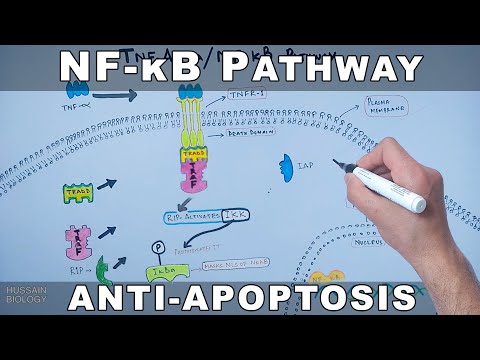
The activation of NF-κB is a multi-step process that involves the degradation of the inhibitory protein IκB. This process is triggered by various stimuli, including tumor necrosis factor-alpha (TNF-α) and lipopolysaccharide (LPS). The activation of NF-κB leads to the transcription of various genes involved in immune responses, including cytokines and chemokines. For example, NF-κB regulates the expression of interleukin-6 (IL-6) and tumor necrosis factor-alpha (TNF-α). The regulation of NF-κB is also influenced by microRNAs and long non-coding RNAs.
🚫 Inhibition of NF-κB
The inhibition of NF-κB is crucial for preventing excessive inflammation and tissue damage. Various mechanisms have been identified that inhibit NF-κB, including the expression of NF-κB inhibitor proteins and the activation of protein phosphatase 2A. The inhibition of NF-κB has been implicated in various diseases, including cancer and neurodegenerative diseases. For instance, studies have shown that the inhibition of NF-κB can prevent the development of colorectal cancer. The regulation of NF-κB is also influenced by dietary components, such as curcumin and resveratrol.
💡 Role of NF-κB in Immune Response
NF-κB plays a crucial role in the regulation of immune responses, including the activation of immune cells and the production of cytokines. The dysregulation of NF-κB has been implicated in various immune-related diseases, including autoimmune diseases and inflammatory diseases. For example, NF-κB regulates the expression of interferon-gamma (IFN-γ) and interleukin-17 (IL-17). The regulation of NF-κB is also influenced by gut microbiota and vitamin D.
🤕 NF-κB and Inflammation
NF-κB is a key regulator of inflammation, and its dysregulation has been implicated in various inflammatory diseases, including arthritis and asthma. The activation of NF-κB leads to the production of pro-inflammatory cytokines and chemokines, which recruit immune cells to the site of inflammation. For instance, NF-κB regulates the expression of tumor necrosis factor-alpha (TNF-α) and interleukin-1 beta (IL-1β). The regulation of NF-κB is also influenced by stress response and circadian rhythms.
🚑 NF-κB in Disease and Disorders
The dysregulation of NF-κB has been implicated in various diseases, including cancer, inflammatory bowel disease, and neurodegenerative diseases. The therapeutic targeting of NF-κB has been proposed as a potential treatment strategy for these diseases. For example, NF-κB inhibitors have been shown to prevent the development of colorectal cancer. The regulation of NF-κB is also influenced by epigenetic modifications and environmental factors.
🔬 Therapeutic Targeting of NF-κB
The therapeutic targeting of NF-κB is a complex process that requires a thorough understanding of the regulation of NF-κB and its role in disease. Various strategies have been proposed, including the use of NF-κB inhibitors and the modulation of signaling pathways that regulate NF-κB. For instance, studies have shown that the inhibition of NF-κB can prevent the development of breast cancer. The regulation of NF-κB is also influenced by hormonal regulation and nutritional factors.
📊 Controversies and Debates Surrounding NF-κB
The study of NF-κB is a highly debated and controversial field, with various researchers proposing different mechanisms of regulation and function. For example, some researchers have proposed that NF-κB plays a role in the regulation of stem cell biology, while others have proposed that NF-κB is involved in the regulation of metabolic processes. The regulation of NF-κB is also influenced by systems biology and synthetic biology.
🔜 Future Directions in NF-κB Research
The future of NF-κB research is exciting and rapidly evolving, with various new technologies and strategies being developed to study the regulation and function of NF-κB. For example, the use of CRISPR-Cas9 gene editing technology has allowed researchers to study the role of NF-κB in disease in a more precise and efficient manner. The regulation of NF-κB is also influenced by artificial intelligence and machine learning.
👥 Key Players in NF-κB Research
Various key players have contributed to our understanding of NF-κB, including David Baltimore, Philip A. Sharp, and Michael Karin. These researchers have made significant contributions to our understanding of the structure, function, and regulation of NF-κB, and have paved the way for future research in this field. The regulation of NF-κB is also influenced by collaborative research and interdisciplinary approaches.
Key Facts
- Year
- 1986
- Origin
- David Baltimore and colleagues
- Category
- Molecular Biology
- Type
- Biological Process
Frequently Asked Questions
What is NF-κB?
NF-κB is a protein complex that controls DNA transcription and plays a pivotal role in immune responses. It is a double-edged sword, as it is essential for the regulation of the immune system, but its dysregulation can lead to various diseases. NF-κB is involved in the regulation of apoptosis and cell proliferation.
What is the structure of NF-κB?
NF-κB is a heterodimeric protein complex composed of two subunits: p50 and p65. The structure of NF-κB is crucial for its function, as it allows the protein to bind to specific DNA sequences and regulate gene expression. The p50 subunit is responsible for DNA binding, while the p65 subunit contains a transactivation domain that recruits other proteins to initiate transcription. The regulation of NF-κB is influenced by microRNAs and long non-coding RNAs.
How is NF-κB activated?
The activation of NF-κB is a multi-step process that involves the degradation of the inhibitory protein IκB. This process is triggered by various stimuli, including tumor necrosis factor-alpha (TNF-α) and lipopolysaccharide (LPS). The activation of NF-κB leads to the transcription of various genes involved in immune responses, including cytokines and chemokines. For example, NF-κB regulates the expression of interleukin-6 (IL-6) and tumor necrosis factor-alpha (TNF-α).
What is the role of NF-κB in immune responses?
NF-κB plays a crucial role in the regulation of immune responses, including the activation of immune cells and the production of cytokines. The dysregulation of NF-κB has been implicated in various immune-related diseases, including autoimmune diseases and inflammatory diseases. For example, NF-κB regulates the expression of interferon-gamma (IFN-γ) and interleukin-17 (IL-17). The regulation of NF-κB is also influenced by gut microbiota and vitamin D.
What is the therapeutic potential of targeting NF-κB?
The therapeutic targeting of NF-κB is a complex process that requires a thorough understanding of the regulation of NF-κB and its role in disease. Various strategies have been proposed, including the use of NF-κB inhibitors and the modulation of signaling pathways that regulate NF-κB. For instance, studies have shown that the inhibition of NF-κB can prevent the development of breast cancer. The regulation of NF-κB is also influenced by hormonal regulation and nutritional factors.
What are the controversies surrounding NF-κB research?
The study of NF-κB is a highly debated and controversial field, with various researchers proposing different mechanisms of regulation and function. For example, some researchers have proposed that NF-κB plays a role in the regulation of stem cell biology, while others have proposed that NF-κB is involved in the regulation of metabolic processes. The regulation of NF-κB is also influenced by systems biology and synthetic biology.
What is the future of NF-κB research?
The future of NF-κB research is exciting and rapidly evolving, with various new technologies and strategies being developed to study the regulation and function of NF-κB. For example, the use of CRISPR-Cas9 gene editing technology has allowed researchers to study the role of NF-κB in disease in a more precise and efficient manner. The regulation of NF-κB is also influenced by artificial intelligence and machine learning.