
Contents
- 🔍 Introduction to Rheumatoid Arthritis
- 👥 The Autoimmune Enigma: Understanding RA
- 🔬 The Science Behind RA: Causes and Risk Factors
- 📊 Symptoms and Diagnosis: What to Expect
- 👨⚕️ Treatment Options: Managing RA
- 💊 Medications and Therapies: A Closer Look
- 🤝 Living with RA: Lifestyle Changes and Support
- 📈 Current Research and Future Directions
- 👀 Related Conditions and Complications
- 🌎 Global Impact: RA Prevalence and Awareness
- 📊 Economic Burden: The Cost of RA
- 🔮 Conclusion: The Ongoing Quest to Understand RA
- Frequently Asked Questions
- Related Topics
Overview
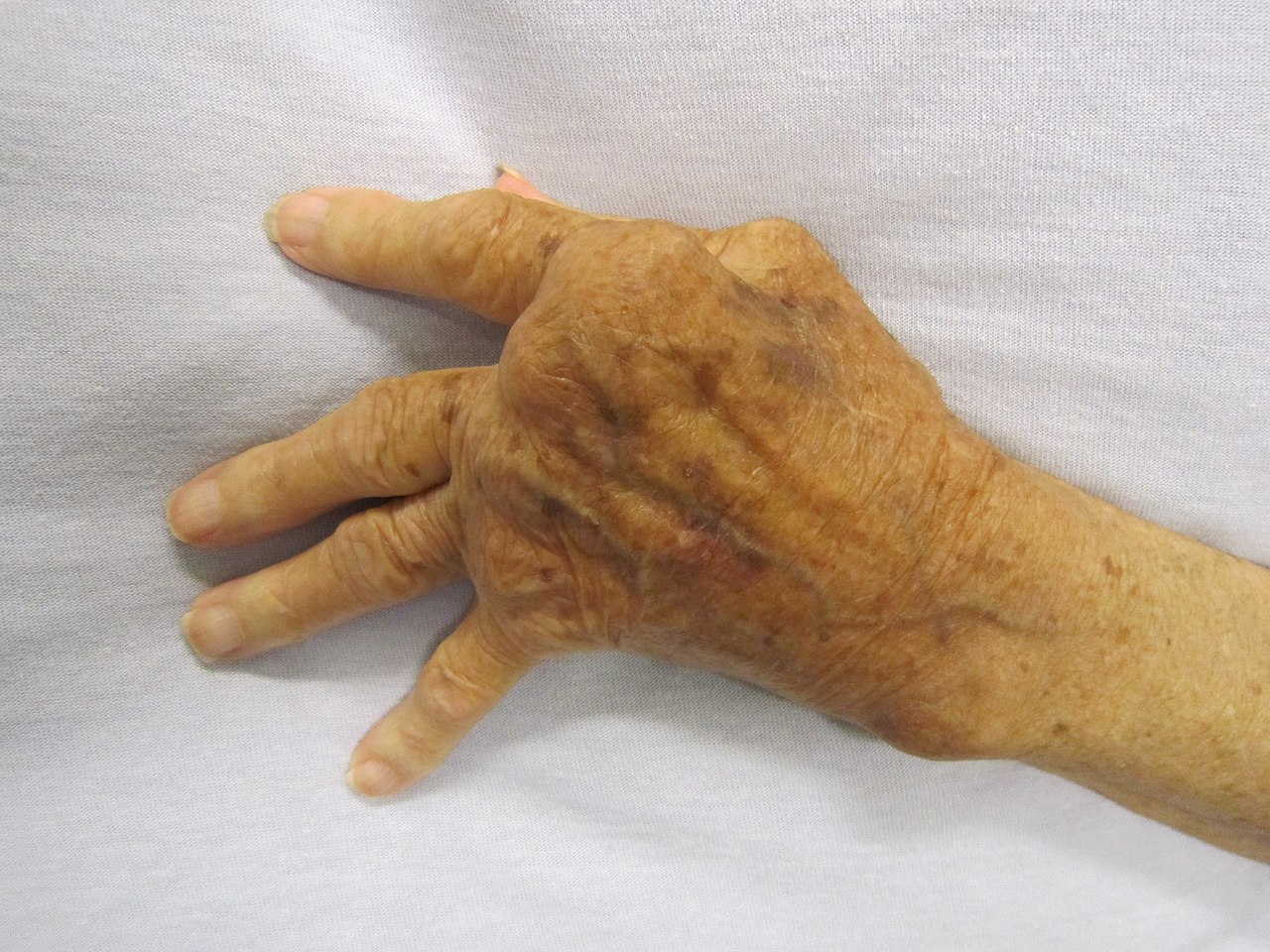
Rheumatoid arthritis (RA) is a chronic autoimmune disorder that affects over 1.3 million people in the United States alone, with women being three times more likely to develop the condition than men. The disease is characterized by inflammation and pain in the joints, often leading to deformities and disability if left untreated. While the exact cause of RA remains unknown, research suggests that genetic and environmental factors, such as smoking and obesity, contribute to its development. The current treatment landscape includes disease-modifying antirheumatic drugs (DMARDs), biologics, and JAK inhibitors, with a growing focus on personalized medicine and early intervention. Despite advances in treatment, RA remains a significant burden on healthcare systems, with estimated annual costs exceeding $19 billion in the US. As researchers continue to unravel the complexities of RA, patients and clinicians alike are pushing for more effective, targeted therapies to improve outcomes and quality of life.
🔍 Introduction to Rheumatoid Arthritis
Rheumatoid arthritis (RA) is a complex and multifaceted disease that affects millions of people worldwide. According to the Epidemiology of Rheumatoid Arthritis, RA is a leading cause of disability and morbidity. The exact causes of RA are still not fully understood, but research has made significant progress in recent years. Autoimmune disorders like RA occur when the body's immune system mistakenly attacks its own tissues, leading to inflammation and damage. As discussed in Immunology, the immune system plays a crucial role in protecting the body against infections and diseases.
👥 The Autoimmune Enigma: Understanding RA
The autoimmune enigma of RA is a fascinating and intricate topic. Immunology has shed light on the complex interactions between the immune system and the environment, which can trigger the onset of RA. Genetics also play a significant role, as certain genetic markers can increase the risk of developing RA. However, Environmental factors such as smoking and infection can also contribute to the development of the disease. As noted in Pathogenesis of Rheumatoid Arthritis, the interplay between genetic and environmental factors is crucial in understanding the disease.
🔬 The Science Behind RA: Causes and Risk Factors
The science behind RA is complex and involves multiple factors. Risk factors such as age, sex, and family history can increase the likelihood of developing RA. Inflammatory processes are also critical in understanding the disease, as they can lead to joint damage and other complications. Biomarkers such as rheumatoid factor and anti-CCP antibodies can help diagnose RA, but Diagnostic challenges still exist. As discussed in Diagnosis of Rheumatoid Arthritis, early diagnosis is crucial for effective treatment.
📊 Symptoms and Diagnosis: What to Expect
Symptoms of RA can vary from person to person, but common symptoms include warm, swollen, and painful joints. Joint involvement is a hallmark of the disease, with the wrist and hands being the most commonly affected. Systemic symptoms such as fever and low energy can also occur. Diagnostic criteria for RA include a combination of clinical, laboratory, and imaging findings. As noted in Classification of Rheumatoid Arthritis, the disease can be classified into different stages and types.
👨⚕️ Treatment Options: Managing RA
Treatment options for RA have improved significantly in recent years. Disease-modifying anti-rheumatic drugs (DMARDs) such as methotrexate and sulfasalazine can help slow disease progression. Biologic therapies such as TNF inhibitors and IL-6 inhibitors can also be effective. Lifestyle changes such as exercise, diet, and stress management can also help manage RA. As discussed in Management of Rheumatoid Arthritis, a comprehensive treatment plan is essential for optimal outcomes.
💊 Medications and Therapies: A Closer Look
Medications and therapies for RA can have significant benefits, but also potential side effects. Medication side effects such as nausea, diarrhea, and increased risk of infections can occur. Alternative therapies such as acupuncture and massage may also be helpful. Combination therapy involving multiple medications and therapies can be effective, but requires careful monitoring. As noted in Treatment of Rheumatoid Arthritis, the goal of treatment is to achieve remission or low disease activity.
🤝 Living with RA: Lifestyle Changes and Support
Living with RA can be challenging, but there are many resources available to help. Support groups such as the Arthritis Foundation can provide emotional support and connect patients with others who have the disease. Lifestyle modifications such as exercise, diet, and stress management can help manage RA. Patient education is also critical in understanding the disease and its treatment. As discussed in Patient Education for Rheumatoid Arthritis, empowered patients can make informed decisions about their care.
📈 Current Research and Future Directions
Current research and future directions for RA are promising. New treatments such as JAK inhibitors and IL-17 inhibitors are being developed. Personalized medicine approaches may also help tailor treatment to individual patients. Stem cell therapy is also being explored as a potential treatment option. As noted in Research on Rheumatoid Arthritis, ongoing research is crucial for improving our understanding of the disease and developing effective treatments.
🌎 Global Impact: RA Prevalence and Awareness
The global impact of RA is significant, with millions of people affected worldwide. Prevalence of Rheumatoid Arthritis varies by region and country. Awareness of Rheumatoid Arthritis is critical in promoting early diagnosis and treatment. Global health initiatives such as the World Health Organization (WHO) are working to improve access to care and reduce the burden of RA. As noted in Global Burden of Rheumatoid Arthritis, the disease has significant economic and social implications.
📊 Economic Burden: The Cost of RA
The economic burden of RA is substantial, with significant costs associated with treatment and lost productivity. Cost of Rheumatoid Arthritis can be high, with estimated annual costs in the billions. Productivity losses due to RA can also be significant. Disability due to RA can also have a significant impact on quality of life. As discussed in Economic Burden of Rheumatoid Arthritis, reducing the economic burden of RA requires a comprehensive approach.
🔮 Conclusion: The Ongoing Quest to Understand RA
In conclusion, RA is a complex and multifaceted disease that requires a comprehensive approach to management. Future directions for RA research and treatment are promising, with new treatments and therapies being developed. Awareness of Rheumatoid Arthritis is critical in promoting early diagnosis and treatment. Support for patients with RA is also essential in managing the disease and improving quality of life. As noted in Conclusion of Rheumatoid Arthritis, ongoing research and education are crucial for improving our understanding of the disease and developing effective treatments.
Key Facts
- Year
- 2022
- Origin
- First described by Landré-Beauvais in 1800, with significant research advancements in the 20th century
- Category
- Health and Medicine
- Type
- Disease
Frequently Asked Questions
What is rheumatoid arthritis?
Rheumatoid arthritis (RA) is a long-term autoimmune disorder that primarily affects joints. It typically results in warm, swollen, and painful joints. RA is a complex disease that can also affect other parts of the body, including skin, eyes, lungs, heart, nerves, and blood. As discussed in Autoimmune Disorders, RA is a type of autoimmune disease that occurs when the body's immune system mistakenly attacks its own tissues.
What are the symptoms of rheumatoid arthritis?
Symptoms of RA can vary from person to person, but common symptoms include warm, swollen, and painful joints. Joint involvement is a hallmark of the disease, with the wrist and hands being the most commonly affected. Systemic symptoms such as fever and low energy can also occur. As noted in Symptoms of Rheumatoid Arthritis, early recognition of symptoms is crucial for prompt diagnosis and treatment.
How is rheumatoid arthritis diagnosed?
Diagnosis of RA involves a combination of clinical, laboratory, and imaging findings. Diagnostic criteria for RA include a combination of symptoms, laboratory tests, and imaging studies. Rheumatoid factor and Anti-CCP antibodies are common laboratory tests used to diagnose RA. As discussed in Diagnosis of Rheumatoid Arthritis, early diagnosis is crucial for effective treatment.
What are the treatment options for rheumatoid arthritis?
Treatment options for RA have improved significantly in recent years. Disease-modifying anti-rheumatic drugs (DMARDs) such as methotrexate and sulfasalazine can help slow disease progression. Biologic therapies such as TNF inhibitors and IL-6 inhibitors can also be effective. Lifestyle changes such as exercise, diet, and stress management can also help manage RA. As noted in Treatment of Rheumatoid Arthritis, a comprehensive treatment plan is essential for optimal outcomes.
Can rheumatoid arthritis be cured?
Currently, there is no cure for RA, but treatment can help manage the disease and reduce symptoms. Remission is possible, but it is not always achievable. Treatment goals include reducing inflammation, slowing disease progression, and improving quality of life. As discussed in Management of Rheumatoid Arthritis, ongoing treatment and monitoring are crucial for optimal outcomes.
What are the complications of rheumatoid arthritis?
Complications of RA can be significant and include Osteoarthritis, Fibromyalgia, Cardiovascular disease, and Lymphoma. Eye involvement such as dry eye and uveitis can occur. Lung involvement such as interstitial lung disease can also occur. As noted in Comorbidities of Rheumatoid Arthritis, managing related conditions is essential for optimal outcomes.
How can I manage my rheumatoid arthritis?
Managing RA requires a comprehensive approach that includes Medications, Lifestyle changes, and Support. Exercise and Diet can help manage symptoms and improve quality of life. Stress management techniques such as meditation and yoga can also be helpful. As discussed in Management of Rheumatoid Arthritis, empowered patients can make informed decisions about their care.