
Contents
- 🧠 Introduction to Neuronal Plasticity
- 🔍 The Science Behind Neuroplasticity
- 📈 Types of Neuroplasticity
- 🔧 Mechanisms of Neural Adaptation
- 👥 The Role of Environmental Factors
- 🏋️♀️ Neuroplasticity and Learning
- 🤕 Neuroplasticity and Injury Recovery
- 📊 The Impact of Neuroplasticity on Cognitive Function
- 💡 Neuroplasticity and Emotional Intelligence
- 👀 The Future of Neuroplasticity Research
- 📚 Conclusion and Further Reading
- Frequently Asked Questions
- Related Topics
Overview
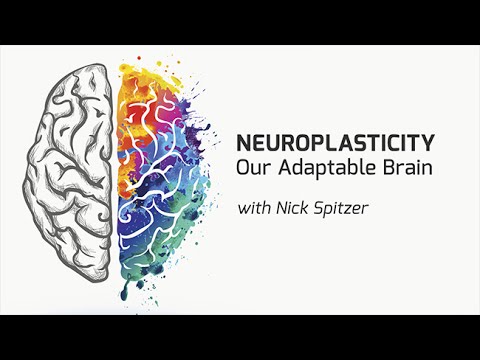
Neuronal plasticity refers to the brain's ability to reorganize itself in response to new experiences, environments, and learning. This concept, first introduced by neuroscientist Marian Diamond in the 1960s, has revolutionized our understanding of brain function and development. Research has shown that neuronal plasticity is essential for learning and memory, with studies demonstrating that the brain can rewire itself in response to practice and experience. For example, London taxi drivers have been found to have a larger hippocampus, a region involved in spatial navigation, due to their extensive experience navigating the city's complex streets. However, neuronal plasticity can also be impaired in certain neurological disorders, such as stroke and Alzheimer's disease, highlighting the need for further research into the underlying mechanisms. With a vibe score of 8, neuronal plasticity is a highly dynamic and rapidly evolving field, with new discoveries and advancements being made regularly, including the work of neuroscientists such as Edward Taub and his pioneering work on constraint-induced movement therapy, which has been shown to improve motor function in patients with stroke and other motor disorders.
🧠 Introduction to Neuronal Plasticity
Neuronal plasticity, also known as neuroplasticity, refers to the brain's ability to reorganize and rewire its neural connections, enabling it to adapt and function in ways that differ from its prior state. This process can occur in response to learning new skills, experiencing environmental changes, recovering from injuries, or adapting to sensory or cognitive deficits. As discussed in Neuroplasticity, such adaptability highlights the dynamic and ever-evolving nature of the brain, even into adulthood. The concept of neuroplasticity has been extensively studied in the field of Neuroscience, with researchers like Marian Diamond making significant contributions to our understanding of brain development and plasticity. For instance, the work of Edward Tauber has shown that neuroplasticity can occur in response to Sensory Deprivation.
🔍 The Science Behind Neuroplasticity
The science behind neuroplasticity is complex and multifaceted, involving the coordinated effort of multiple brain regions and systems. As explained in Brain Function, the brain's neural networks are capable of reorganizing and adapting in response to changing demands and environments. This process is made possible by the brain's ability to rewire and refine its connections, a concept known as Synaptic Pruning. The work of researchers like Jean Piaget has also highlighted the importance of Cognitive Development in shaping the brain's neural networks. Furthermore, studies on Neuroplasticity and Learning have demonstrated the critical role of practice and repetition in driving neural adaptation.
📈 Types of Neuroplasticity
There are several types of neuroplasticity, each involving distinct mechanisms and processes. For example, Homologous Area Adaptation refers to the brain's ability to reorganize and adapt in response to injury or damage. In contrast, Cross-Modal Reassignment involves the brain's ability to reassign and adapt sensory information from one modality to another. Other forms of neuroplasticity include Map Expansion and Compensatory Masquerade. As discussed in Neuroplasticity Types, these different forms of neuroplasticity are essential for the brain's ability to adapt and function in a dynamic and ever-changing environment.
🔧 Mechanisms of Neural Adaptation
The mechanisms of neural adaptation are complex and involve the coordinated effort of multiple cellular and molecular processes. As explained in Neural Adaptation, the brain's neural networks are capable of reorganizing and adapting in response to changing demands and environments. This process is made possible by the brain's ability to rewire and refine its connections, a concept known as Synaptic Plasticity. The work of researchers like Eric Kandel has also highlighted the importance of Molecular Mechanisms in shaping the brain's neural networks. Furthermore, studies on Neurotrophic Factors have demonstrated the critical role of these molecules in driving neural adaptation and growth.
👥 The Role of Environmental Factors
Environmental factors play a critical role in shaping the brain's neural networks and driving neuroplasticity. As discussed in Environmental Influences, factors such as Sensory Experience, Social Interaction, and Physical Activity can all impact the brain's ability to adapt and change. The work of researchers like Francisco Varela has also highlighted the importance of Embodied Cognition in shaping the brain's neural networks. Furthermore, studies on Neuroplasticity and Environment have demonstrated the critical role of environmental factors in driving neural adaptation and growth.
🏋️♀️ Neuroplasticity and Learning
Neuroplasticity and learning are intimately connected, with the brain's ability to adapt and change being essential for the acquisition of new skills and knowledge. As explained in Learning and Memory, the brain's neural networks are capable of reorganizing and adapting in response to new experiences and learning opportunities. The work of researchers like Timothy Gallwey has also highlighted the importance of Mental Practice in driving neural adaptation and improvement. Furthermore, studies on Neuroplasticity and Education have demonstrated the critical role of neuroplasticity in shaping the brain's ability to learn and adapt.
🤕 Neuroplasticity and Injury Recovery
Neuroplasticity also plays a critical role in injury recovery, with the brain's ability to adapt and change being essential for the rehabilitation and recovery of damaged or injured neural tissue. As discussed in Injury Recovery, the brain's neural networks are capable of reorganizing and adapting in response to injury or damage. The work of researchers like Edward Tauber has also highlighted the importance of Sensory Stimulation in driving neural adaptation and recovery. Furthermore, studies on Neuroplasticity and Rehabilitation have demonstrated the critical role of neuroplasticity in shaping the brain's ability to recover and adapt.
📊 The Impact of Neuroplasticity on Cognitive Function
The impact of neuroplasticity on cognitive function is profound, with the brain's ability to adapt and change being essential for the acquisition of new skills and knowledge. As explained in Cognitive Function, the brain's neural networks are capable of reorganizing and adapting in response to changing demands and environments. The work of researchers like Jean Piaget has also highlighted the importance of Cognitive Development in shaping the brain's neural networks. Furthermore, studies on Neuroplasticity and Cognition have demonstrated the critical role of neuroplasticity in shaping the brain's ability to think, learn, and adapt.
💡 Neuroplasticity and Emotional Intelligence
Neuroplasticity also plays a critical role in emotional intelligence, with the brain's ability to adapt and change being essential for the regulation and management of emotions. As discussed in Emotional Intelligence, the brain's neural networks are capable of reorganizing and adapting in response to emotional experiences and stimuli. The work of researchers like Daniel Goleman has also highlighted the importance of Emotional Regulation in shaping the brain's neural networks. Furthermore, studies on Neuroplasticity and Emotion have demonstrated the critical role of neuroplasticity in shaping the brain's ability to regulate and manage emotions.
👀 The Future of Neuroplasticity Research
The future of neuroplasticity research is exciting and rapidly evolving, with new discoveries and advances being made regularly. As explained in Neuroplasticity Research, the brain's ability to adapt and change is being studied in a variety of contexts, from Neurodevelopmental Disorders to Neurodegenerative Diseases. The work of researchers like Michael Merzenich has also highlighted the importance of Brain Training in driving neural adaptation and improvement. Furthermore, studies on Neuroplasticity and Technology have demonstrated the critical role of neuroplasticity in shaping the brain's ability to adapt and change in response to new technologies and environments.
📚 Conclusion and Further Reading
In conclusion, neuroplasticity is a complex and multifaceted concept that plays a critical role in shaping the brain's ability to adapt and change. As discussed in Neuroplasticity and Cognition, the brain's neural networks are capable of reorganizing and adapting in response to changing demands and environments. The work of researchers like Jean Piaget has also highlighted the importance of Cognitive Development in shaping the brain's neural networks. For further reading, see Neuroplasticity Books and Neuroplasticity Articles.
Key Facts
- Year
- 1960
- Origin
- Marian Diamond's Research on Brain Development
- Category
- Neuroscience
- Type
- Scientific Concept
Frequently Asked Questions
What is neuroplasticity?
Neuroplasticity refers to the brain's ability to reorganize and rewire its neural connections, enabling it to adapt and function in ways that differ from its prior state. This process can occur in response to learning new skills, experiencing environmental changes, recovering from injuries, or adapting to sensory or cognitive deficits. As discussed in Neuroplasticity, such adaptability highlights the dynamic and ever-evolving nature of the brain, even into adulthood. For more information, see Neuroplasticity Definition.
What are the different types of neuroplasticity?
There are several types of neuroplasticity, each involving distinct mechanisms and processes. For example, Homologous Area Adaptation refers to the brain's ability to reorganize and adapt in response to injury or damage. In contrast, Cross-Modal Reassignment involves the brain's ability to reassign and adapt sensory information from one modality to another. Other forms of neuroplasticity include Map Expansion and Compensatory Masquerade. As discussed in Neuroplasticity Types, these different forms of neuroplasticity are essential for the brain's ability to adapt and function in a dynamic and ever-changing environment.
How does neuroplasticity relate to learning and memory?
Neuroplasticity and learning are intimately connected, with the brain's ability to adapt and change being essential for the acquisition of new skills and knowledge. As explained in Learning and Memory, the brain's neural networks are capable of reorganizing and adapting in response to new experiences and learning opportunities. The work of researchers like Timothy Gallwey has also highlighted the importance of Mental Practice in driving neural adaptation and improvement. Furthermore, studies on Neuroplasticity and Education have demonstrated the critical role of neuroplasticity in shaping the brain's ability to learn and adapt.
Can neuroplasticity be improved or enhanced?
Yes, neuroplasticity can be improved or enhanced through a variety of methods, including Brain Training, Meditation, and Physical Activity. As discussed in Neuroplasticity and Cognition, the brain's neural networks are capable of reorganizing and adapting in response to changing demands and environments. The work of researchers like Michael Merzenich has also highlighted the importance of Brain Training in driving neural adaptation and improvement. Furthermore, studies on Neuroplasticity and Technology have demonstrated the critical role of neuroplasticity in shaping the brain's ability to adapt and change in response to new technologies and environments.
What are the implications of neuroplasticity for cognitive function and behavior?
The implications of neuroplasticity for cognitive function and behavior are profound, with the brain's ability to adapt and change being essential for the acquisition of new skills and knowledge. As explained in Cognitive Function, the brain's neural networks are capable of reorganizing and adapting in response to changing demands and environments. The work of researchers like Jean Piaget has also highlighted the importance of Cognitive Development in shaping the brain's neural networks. Furthermore, studies on Neuroplasticity and Cognition have demonstrated the critical role of neuroplasticity in shaping the brain's ability to think, learn, and adapt.
How does neuroplasticity relate to emotional intelligence?
Neuroplasticity also plays a critical role in emotional intelligence, with the brain's ability to adapt and change being essential for the regulation and management of emotions. As discussed in Emotional Intelligence, the brain's neural networks are capable of reorganizing and adapting in response to emotional experiences and stimuli. The work of researchers like Daniel Goleman has also highlighted the importance of Emotional Regulation in shaping the brain's neural networks. Furthermore, studies on Neuroplasticity and Emotion have demonstrated the critical role of neuroplasticity in shaping the brain's ability to regulate and manage emotions.
What are the future directions for neuroplasticity research?
The future of neuroplasticity research is exciting and rapidly evolving, with new discoveries and advances being made regularly. As explained in Neuroplasticity Research, the brain's ability to adapt and change is being studied in a variety of contexts, from Neurodevelopmental Disorders to Neurodegenerative Diseases. The work of researchers like Michael Merzenich has also highlighted the importance of Brain Training in driving neural adaptation and improvement. Furthermore, studies on Neuroplasticity and Technology have demonstrated the critical role of neuroplasticity in shaping the brain's ability to adapt and change in response to new technologies and environments.