
Contents
- 🔍 Introduction to Neural Exoskeletons
- 💻 The History of Neural Exoskeletons
- 🔌 How Neural Exoskeletons Work
- 👥 Key Players in Neural Exoskeleton Development
- 📈 Market Trends and Future Projections
- 🤖 Applications of Neural Exoskeletons
- 🚨 Ethics and Concerns Surrounding Neural Exoskeletons
- 🌐 Global Initiatives and Collaborations
- 📊 Technical Challenges and Limitations
- 💸 Funding and Investment Opportunities
- 📚 Conclusion and Future Directions
- Frequently Asked Questions
- Related Topics
Overview
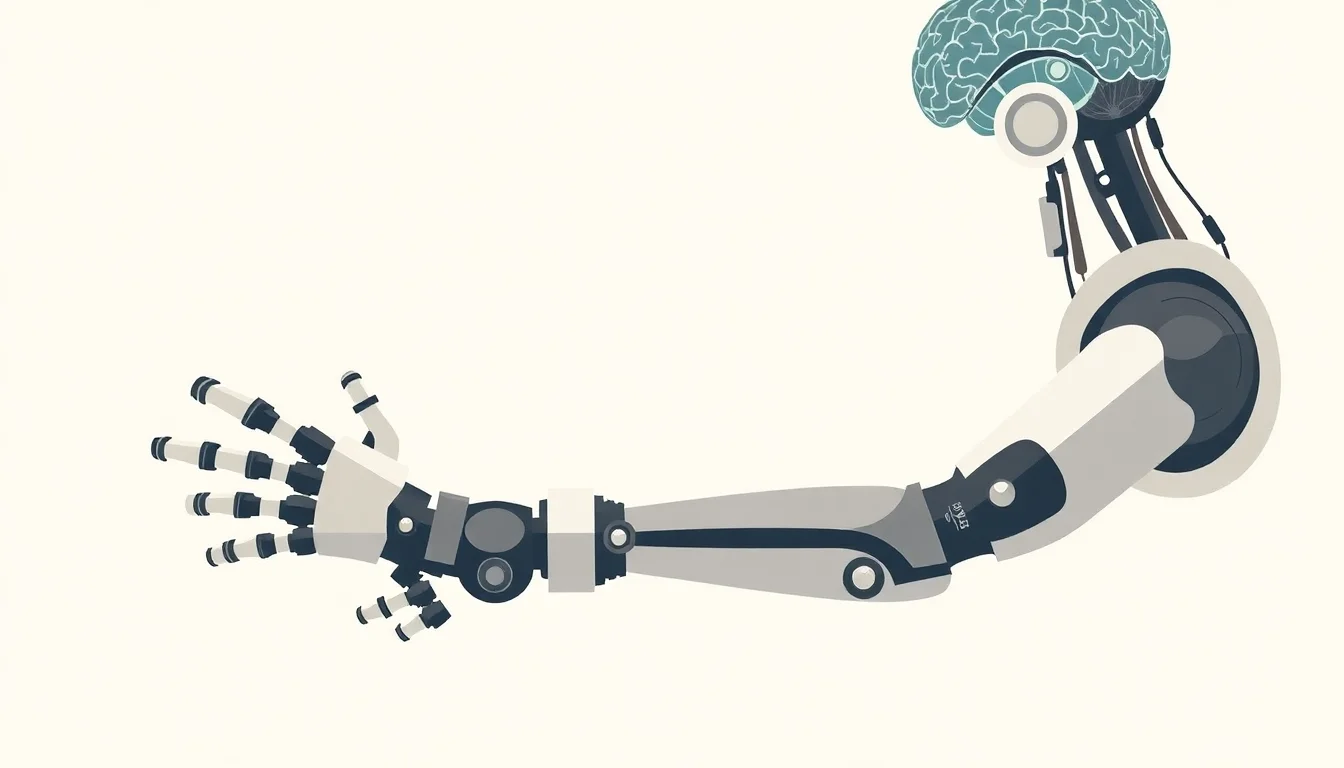
Neural exoskeletons represent a groundbreaking convergence of neuroscience, artificial intelligence, and robotics, enabling individuals to control prosthetic limbs or exosuits with their thoughts. This technology has the potential to transform the lives of people with paralysis, muscular dystrophy, and other motor disorders. Researchers like Dr. Miguel Nicolelis and companies like Neuralink are pushing the boundaries of brain-computer interfaces (BCIs) and neural prosthetics. With a Vibe score of 8, neural exoskeletons have sparked intense interest and debate, particularly regarding the ethics of neuroenhancement and the future of human-machine interaction. As of 2022, the University of California, Los Angeles (UCLA) has made significant strides in developing implantable BCIs, while the Defense Advanced Research Projects Agency (DARPA) has invested heavily in the development of neural exoskeletons for military and civilian applications. The controversy spectrum for neural exoskeletons is moderate, with some experts raising concerns about the long-term effects of neural implants and the potential for unequal access to these technologies.
🔍 Introduction to Neural Exoskeletons
Neural exoskeletons are a type of Neurotechnology that enables people to control devices with their minds. This technology has the potential to revolutionize the way we interact with machines and has numerous applications in fields such as Medicine, Gaming, and Education. The concept of neural exoskeletons has been around for decades, but recent advancements in Brain-Computer Interfaces and Artificial Intelligence have made it possible to develop more sophisticated and practical systems. For example, companies like Neuralink and Kernel are working on developing implantable brain–machine interfaces that could potentially treat a wide range of medical conditions. As the technology continues to evolve, we can expect to see more innovative applications of neural exoskeletons in various industries.
💻 The History of Neural Exoskeletons
The history of neural exoskeletons dates back to the 1960s, when scientists first began exploring the possibility of using Electroencephalography to control devices. Since then, there have been significant advancements in the field, with the development of more sophisticated Brain-Computer Interfaces and Neural Prosthetics. Researchers like John Donoghue and Andrew Schwarz have made notable contributions to the development of neural exoskeletons, and their work has paved the way for the creation of more practical and user-friendly systems. Today, neural exoskeletons are being developed by companies and research institutions around the world, including Stanford University and Massachusetts Institute of Technology.
🔌 How Neural Exoskeletons Work
Neural exoskeletons work by using Electroencephalography or other techniques to read brain signals and translate them into commands that can be understood by devices. This process involves the use of sophisticated Algorithms and Machine Learning techniques to decode brain activity and generate the desired output. For example, a person using a neural exoskeleton to control a Robot might think about moving the robot's arm, and the system would detect the corresponding brain activity and send the appropriate commands to the robot. Companies like Facebook and Google are also working on developing neural exoskeletons that can be controlled using Augmented Reality and Virtual Reality interfaces.
👥 Key Players in Neural Exoskeleton Development
Several key players are involved in the development of neural exoskeletons, including researchers, companies, and government agencies. For example, DARPA has been funding research into neural exoskeletons for several years, and companies like Boston Dynamics and Honda are working on developing practical applications of the technology. Researchers like Elizabeth Holmes and Bryan Johnson are also making significant contributions to the field, and their work is helping to advance our understanding of the potential benefits and risks of neural exoskeletons. As the technology continues to evolve, we can expect to see more companies and researchers entering the field, including those from China and India.
📈 Market Trends and Future Projections
The market for neural exoskeletons is expected to grow significantly in the coming years, with some estimates suggesting that it could reach Market Size of over $1 billion by 2025. This growth will be driven by advances in Brain-Computer Interfaces and Artificial Intelligence, as well as increasing demand for Assistive Technology and Rehabilitation solutions. Companies like IBM and Microsoft are already investing heavily in neural exoskeletons, and we can expect to see more companies entering the market in the near future. However, there are also concerns about the potential risks and challenges associated with neural exoskeletons, including Cybersecurity risks and the potential for Neuroenhancement to exacerbate existing social inequalities.
🤖 Applications of Neural Exoskeletons
Neural exoskeletons have a wide range of potential applications, from Medical and Rehabilitation to Gaming and Education. For example, neural exoskeletons could be used to help people with Paralysis or other motor disorders to control devices and interact with their environment. They could also be used to enhance Cognitive Function and improve Memory and Attention. Companies like Unity and Epic Games are already exploring the potential of neural exoskeletons in Gaming, and researchers like Sebastian Seung are working on developing neural exoskeletons that can be used to treat Mental Health conditions.
🚨 Ethics and Concerns Surrounding Neural Exoskeletons
However, there are also concerns about the potential risks and challenges associated with neural exoskeletons, including Cybersecurity risks and the potential for Neuroenhancement to exacerbate existing social inequalities. For example, if neural exoskeletons are not designed with adequate Security measures, they could potentially be hacked and used to steal sensitive information or disrupt critical infrastructure. Additionally, there are concerns about the potential impact of neural exoskeletons on Social Inequality, particularly if they are only available to certain segments of the population. Researchers like Nick Bostrom and Eliezer Yudkowsky are working on addressing these concerns and developing more Ethics-focused approaches to neural exoskeleton development.
🌐 Global Initiatives and Collaborations
There are several global initiatives and collaborations aimed at advancing the development of neural exoskeletons, including the BRAIN Initiative and the Human Brain Project. These initiatives bring together researchers, companies, and government agencies from around the world to share knowledge, resources, and expertise and to drive innovation in the field. For example, the National Institutes of Health is funding research into neural exoskeletons, and companies like Google and Facebook are working on developing practical applications of the technology. As the technology continues to evolve, we can expect to see more global initiatives and collaborations aimed at advancing the development of neural exoskeletons.
📊 Technical Challenges and Limitations
Despite the significant progress that has been made in the development of neural exoskeletons, there are still several technical challenges and limitations that need to be addressed. For example, Brain-Computer Interfaces are still relatively slow and inaccurate, and Neural Prosthetics are still in the early stages of development. Additionally, there are concerns about the potential risks and challenges associated with neural exoskeletons, including Cybersecurity risks and the potential for Neuroenhancement to exacerbate existing social inequalities. Researchers like Drew Baird and Paul Allen are working on addressing these challenges and developing more sophisticated and practical neural exoskeletons.
💸 Funding and Investment Opportunities
There are several funding and investment opportunities available for companies and researchers working on neural exoskeletons, including government grants and private investment. For example, the National Science Foundation is funding research into neural exoskeletons, and companies like Khosla Ventures and Founders Fund are investing in startups working on neural exoskeletons. As the technology continues to evolve, we can expect to see more funding and investment opportunities become available, including those from China and India. However, there are also concerns about the potential risks and challenges associated with neural exoskeletons, and investors and funders will need to carefully consider these risks before investing in the technology.
📚 Conclusion and Future Directions
In conclusion, neural exoskeletons are a rapidly evolving field that has the potential to revolutionize the way we interact with machines. As the technology continues to advance, we can expect to see more innovative applications of neural exoskeletons in various industries, from Medicine and Rehabilitation to Gaming and Education. However, there are also concerns about the potential risks and challenges associated with neural exoskeletons, and researchers, companies, and government agencies will need to work together to address these concerns and ensure that the technology is developed and used responsibly. As we look to the future, it is clear that neural exoskeletons will play an increasingly important role in shaping the world of Neurotechnology and beyond.
Key Facts
- Year
- 2022
- Origin
- United States
- Category
- Neurotechnology
- Type
- Technology
Frequently Asked Questions
What are neural exoskeletons?
Neural exoskeletons are a type of Neurotechnology that enables people to control devices with their minds. This technology has the potential to revolutionize the way we interact with machines and has numerous applications in fields such as Medicine, Gaming, and Education. For example, companies like Neuralink and Kernel are working on developing implantable brain–machine interfaces that could potentially treat a wide range of medical conditions.
How do neural exoskeletons work?
Neural exoskeletons work by using Electroencephalography or other techniques to read brain signals and translate them into commands that can be understood by devices. This process involves the use of sophisticated Algorithms and Machine Learning techniques to decode brain activity and generate the desired output. For example, a person using a neural exoskeleton to control a Robot might think about moving the robot's arm, and the system would detect the corresponding brain activity and send the appropriate commands to the robot.
What are the potential applications of neural exoskeletons?
Neural exoskeletons have a wide range of potential applications, from Medical and Rehabilitation to Gaming and Education. For example, neural exoskeletons could be used to help people with Paralysis or other motor disorders to control devices and interact with their environment. They could also be used to enhance Cognitive Function and improve Memory and Attention.
What are the potential risks and challenges associated with neural exoskeletons?
There are several potential risks and challenges associated with neural exoskeletons, including Cybersecurity risks and the potential for Neuroenhancement to exacerbate existing social inequalities. For example, if neural exoskeletons are not designed with adequate Security measures, they could potentially be hacked and used to steal sensitive information or disrupt critical infrastructure. Additionally, there are concerns about the potential impact of neural exoskeletons on Social Inequality, particularly if they are only available to certain segments of the population.
Who are the key players in the development of neural exoskeletons?
Several key players are involved in the development of neural exoskeletons, including researchers, companies, and government agencies. For example, DARPA has been funding research into neural exoskeletons for several years, and companies like Boston Dynamics and Honda are working on developing practical applications of the technology. Researchers like Elizabeth Holmes and Bryan Johnson are also making significant contributions to the field, and their work is helping to advance our understanding of the potential benefits and risks of neural exoskeletons.
What is the current state of neural exoskeleton technology?
The current state of neural exoskeleton technology is rapidly evolving, with significant advancements being made in Brain-Computer Interfaces and Artificial Intelligence. However, there are still several technical challenges and limitations that need to be addressed, including the development of more sophisticated and practical Brain-Computer Interfaces and Neural Prosthetics. As the technology continues to evolve, we can expect to see more innovative applications of neural exoskeletons in various industries.
What are the potential benefits of neural exoskeletons?
The potential benefits of neural exoskeletons are numerous, including the ability to enhance Cognitive Function and improve Memory and Attention. Neural exoskeletons could also be used to help people with Paralysis or other motor disorders to control devices and interact with their environment. Additionally, neural exoskeletons could potentially be used to treat a wide range of medical conditions, including Depression and Anxiety.