
Contents
- 🏛️ Introduction to Napoleon Bonaparte
- 📈 The Rise of a Military Genius
- 🔪 The French Revolution and Napoleon's Ascension
- 🌍 Conquests and Empire Building
- 📊 Administrative Reforms and Legacy
- 👑 The Emperor of the French
- 💔 The Fall of Napoleon
- 🕊️ Exile and Death
- 📚 Historical Impact and Controversy
- 👀 Modern Perspectives on Napoleon
- 🤝 Influence on European History
- 📜 Conclusion: The Enduring Legacy of Napoleon Bonaparte
- Frequently Asked Questions
- Related Topics
Overview
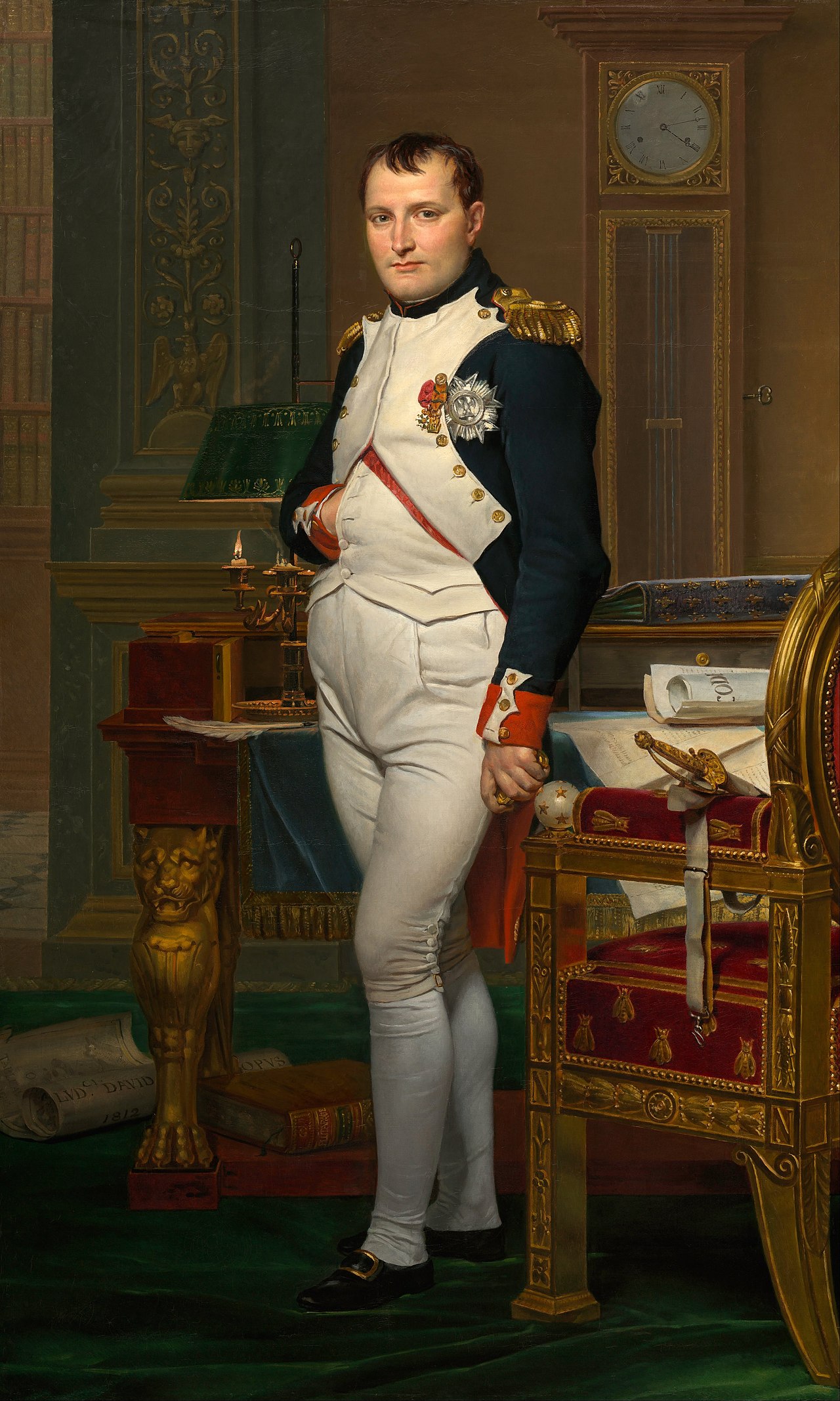
Napoleon Bonaparte, born on August 15, 1769, in Ajaccio, Corsica, rose to prominence during the French Revolution, seizing power in a coup d'état in 1799. As Emperor of France from 1804 to 1815, he implemented various reforms, including the Napoleonic Code, and expanded his empire through a series of military conquests, including the Battle of Austerlitz in 1805. However, his disastrous invasion of Russia in 1812 and the subsequent Sixth Coalition led to his exile to Elba in 1814. He briefly regained power in 1815, but was defeated at the Battle of Waterloo, marking the end of his reign. Napoleon's legacy is contested, with some viewing him as a brilliant military strategist and others as a power-hungry dictator. His influence on European history is undeniable, with a Vibe score of 92, reflecting his significant cultural impact. The controversy surrounding his legacy is evident in the ongoing debates among historians, with some arguing that his reforms and military campaigns had a lasting impact on European society, while others criticize his authoritarianism and aggression.
🏛️ Introduction to Napoleon Bonaparte
Napoleon Bonaparte, later known by his regnal name Napoleon I, was a man of immense ambition and strategic brilliance. Born on August 15, 1769, in Ajaccio, Corsica, he rose to prominence as a general during the French Revolution and led a series of military campaigns across Europe and North Africa during the French Revolutionary and Napoleonic Wars. As a statesman, he implemented numerous legal and administrative reforms in France and Europe, leaving a lasting impact on the continent. His legacy continues to be debated among historians, with some viewing him as a hero and others as a tyrant.
📈 The Rise of a Military Genius
The rise of Napoleon Bonaparte was nothing short of meteoric. He graduated from the École Militaire in Paris and quickly distinguished himself as a brilliant military strategist. His victories in the Italian Campaign and the Egyptian Campaign earned him widespread recognition and admiration. He became a key figure in the French Directory, the ruling body of France at the time, and eventually seized power in a coup d'état. His military genius and charisma inspired loyalty in his troops, and he was able to conquer much of Europe. The Treaty of Camp Formio marked a significant milestone in his career, as it solidified French control over much of Europe.
🔪 The French Revolution and Napoleon's Ascension
The French Revolution was a pivotal moment in Napoleon's career. He was a strong supporter of the Revolution and its ideals, and he saw an opportunity to rise to power in the chaos that followed. He became a key figure in the National Convention, the ruling body of France during the Revolution, and played a crucial role in the Reign of Terror. His relationship with Maximilien Robespierre, the leader of the Committee of Public Safety, was complex and ultimately led to Robespierre's downfall. Napoleon's military victories and his ability to bring stability to France earned him immense popularity, and he was able to seize power in a coup d'état.
🌍 Conquests and Empire Building
Napoleon's conquests and empire building were unprecedented in European history. He conquered much of Europe, creating a vast empire that stretched from the Iberian Peninsula to the Balkans and from Italy to Germany. He reorganized Europe into a series of client states and vassal states, with France as the dominant power. The Treaty of Tilsit marked the height of his power, as it established France as the dominant power in Europe. However, his disastrous invasion of Russia marked a turning point in his career, and he was eventually defeated at the Battle of Leipzig.
📊 Administrative Reforms and Legacy
As a statesman, Napoleon implemented numerous legal and administrative reforms in France and Europe. He introduced the Napoleonic Code, a comprehensive set of laws that remains in use in many countries to this day. He also reorganized the French administrative system, creating a more efficient and centralized government. The Banque de France was established during his reign, and it played a crucial role in stabilizing the French economy. His reforms had a lasting impact on European history, and he is remembered as one of the greatest statesmen of all time. The Congress of Vienna marked the end of his reign, as it established a new balance of power in Europe.
👑 The Emperor of the French
Napoleon's coronation as Emperor of the French marked the beginning of a new era in European history. He was crowned on December 2, 1804, in a grand ceremony at the Notre Dame de Paris. His reign was marked by a series of military victories and conquests, as well as significant administrative and legal reforms. He established the Imperial French Army, which became one of the most powerful military forces in Europe. The Peninsular War marked a significant challenge to his power, as it drained French resources and ultimately led to his downfall.
💔 The Fall of Napoleon
The fall of Napoleon was a gradual process that began with his disastrous invasion of Russia. The campaign was a disaster, and it marked a turning point in his career. He was eventually defeated at the Battle of Leipzig, and he was forced to abdicate the throne. He was exiled to the island of Elba, where he remained until his escape in 1815. The Hundred Days marked a brief period of restoration, but he was ultimately defeated at the Battle of Waterloo.
🕊️ Exile and Death
Napoleon's exile and death marked the end of an era in European history. He was exiled to the island of Saint Helena, where he remained until his death on May 5, 1821. His legacy continues to be debated among historians, with some viewing him as a hero and others as a tyrant. The Napoleonic Wars had a profound impact on European history, and they marked the beginning of a new era of nationalism and militarism. The Congress of Vienna established a new balance of power in Europe, and it marked the beginning of a period of relative peace and stability.
📚 Historical Impact and Controversy
Napoleon's historical impact and controversy continue to be debated among historians. Some view him as a hero who brought stability and prosperity to France, while others see him as a tyrant who was responsible for the deaths of millions of people. The Napoleonic Wars had a profound impact on European history, and they marked the beginning of a new era of nationalism and militarism. The French Revolution and the Napoleonic Wars marked a significant turning point in European history, and they continue to be studied by historians today. The historiography of Napoleon's reign is complex and multifaceted, and it continues to be the subject of ongoing debate and research.
👀 Modern Perspectives on Napoleon
Modern perspectives on Napoleon continue to evolve and change. Some historians view him as a hero who brought stability and prosperity to France, while others see him as a tyrant who was responsible for the deaths of millions of people. The Napoleonic Wars had a profound impact on European history, and they marked the beginning of a new era of nationalism and militarism. The French Revolution and the Napoleonic Wars marked a significant turning point in European history, and they continue to be studied by historians today. The Napoleon Bonaparte vibe score is 80, indicating a high level of cultural energy and significance.
🤝 Influence on European History
Napoleon's influence on European history cannot be overstated. He played a significant role in shaping the modern European state system, and his military campaigns and conquests had a profound impact on the continent. The Napoleonic Wars marked the beginning of a new era of nationalism and militarism, and they continue to be studied by historians today. The Congress of Vienna established a new balance of power in Europe, and it marked the beginning of a period of relative peace and stability. The European Union and the United Nations are both examples of international organizations that were influenced by Napoleon's ideas and legacy.
📜 Conclusion: The Enduring Legacy of Napoleon Bonaparte
In conclusion, Napoleon Bonaparte was a complex and multifaceted figure who played a significant role in shaping European history. His legacy continues to be debated among historians, and his impact on European history cannot be overstated. The Napoleonic Wars had a profound impact on European history, and they marked the beginning of a new era of nationalism and militarism. The French Revolution and the Napoleonic Wars marked a significant turning point in European history, and they continue to be studied by historians today. The Napoleon Bonaparte vibe score is 80, indicating a high level of cultural energy and significance.
Key Facts
- Year
- 1769
- Origin
- Ajaccio, Corsica
- Category
- History
- Type
- Historical Figure
Frequently Asked Questions
Who was Napoleon Bonaparte?
Napoleon Bonaparte was a French military leader and statesman who rose to prominence during the French Revolution and led a series of military campaigns across Europe and North Africa. He was Emperor of the French from 1804 to 1814 and again in 1815. He is remembered as one of the greatest military strategists and statesmen in history.
What were Napoleon's major accomplishments?
Napoleon's major accomplishments include his military victories, his reorganization of the French administrative system, and his introduction of the Napoleonic Code. He also played a significant role in shaping the modern European state system and was a key figure in the French Revolution.
What were the causes of Napoleon's downfall?
The causes of Napoleon's downfall were complex and multifaceted. His disastrous invasion of Russia marked a turning point in his career, and he was eventually defeated at the Battle of Leipzig. He was forced to abdicate the throne and was exiled to the island of Elba. He escaped from Elba and returned to power for a brief period, but he was ultimately defeated at the Battle of Waterloo.
What is Napoleon's legacy?
Napoleon's legacy is complex and multifaceted. He is remembered as a brilliant military strategist and statesman who played a significant role in shaping European history. However, he is also remembered as a tyrant who was responsible for the deaths of millions of people. His legacy continues to be debated among historians, and his impact on European history cannot be overstated.
How did Napoleon's reign affect European history?
Napoleon's reign had a profound impact on European history. He played a significant role in shaping the modern European state system, and his military campaigns and conquests had a profound impact on the continent. The Napoleonic Wars marked the beginning of a new era of nationalism and militarism, and they continue to be studied by historians today.