
Contents
- 🔥 Introduction to the French Revolution
- 📆 Causes of the French Revolution
- 👑 The Estates General of 1789
- 🔪 The National Assembly and the Tennis Court Oath
- 👹 The Reign of Terror
- 🏛️ The Rise of Napoleon Bonaparte
- 🕊️ The Fall of the Bourbon Monarchy
- 📜 The Legacy of the French Revolution
- 🤝 The Influence of the French Revolution on Modern Democracy
- 📊 Economic Consequences of the French Revolution
- 🌎 Global Impact of the French Revolution
- Frequently Asked Questions
- Related Topics
Overview
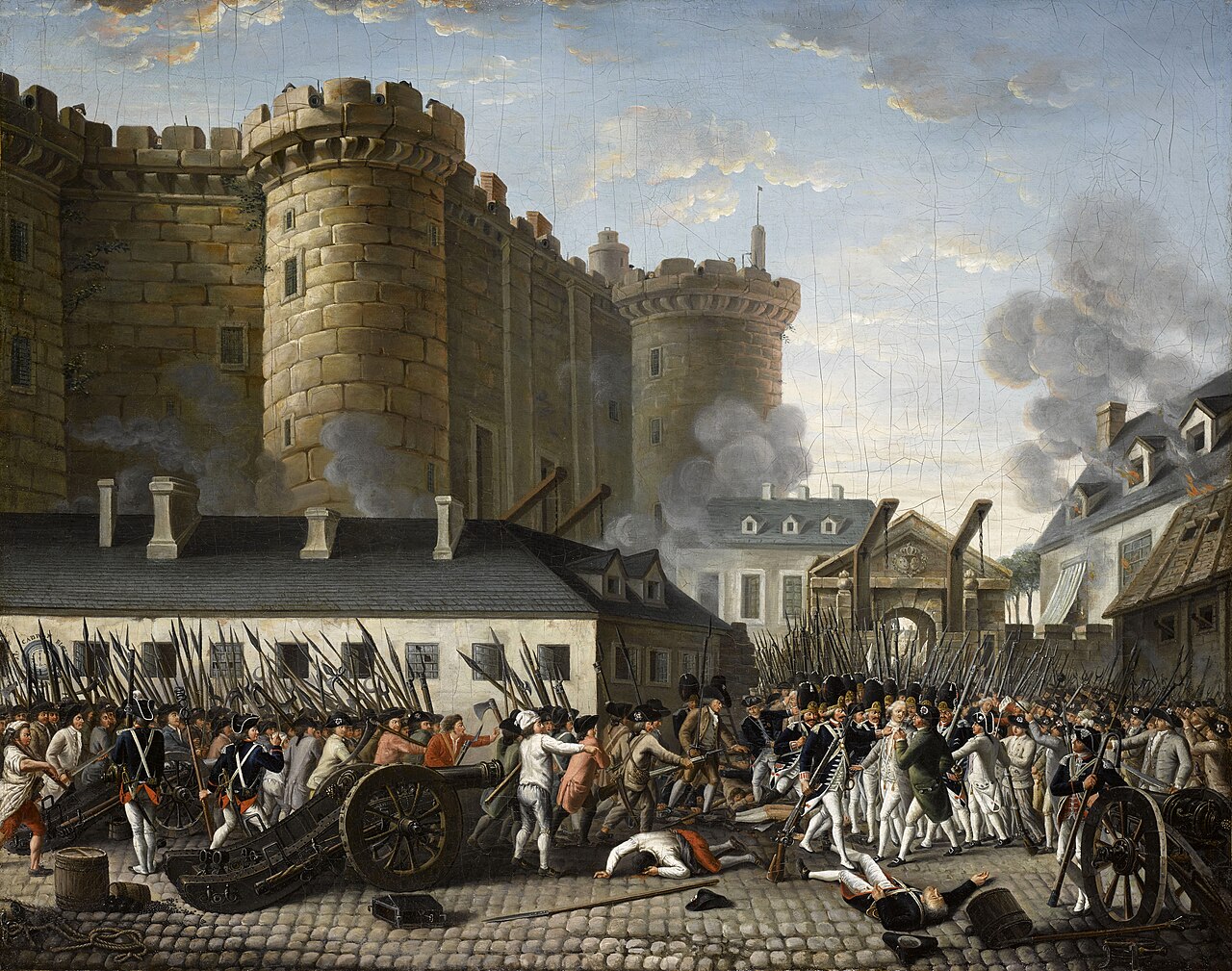
The French Revolution, spanning from 1789 to 1799, was a pivotal event that shaped modern history, marked by the overthrow of the monarchy, the establishment of the First French Republic, and the Reign of Terror. It was influenced by the Enlightenment ideas of Rousseau, Voltaire, and Montesquieu, with key figures such as Maximilien Robespierre, Louis Antoine de Saint-Just, and Napoleon Bonaparte playing crucial roles. The Revolution's impact was felt across Europe, inspiring similar movements and leaving a lasting legacy on politics, society, and culture. The French Revolution had a vibe score of 92, reflecting its significant cultural energy and resonance. The controversy surrounding the Revolution's violent methods and its consequences continues to be debated among historians and scholars. As of 2023, the French Revolution remains a subject of intense study and discussion, with its influence still felt in contemporary politics and social movements.
🔥 Introduction to the French Revolution
The French Revolution was a pivotal event in modern history, marking the end of the absolute monarchy and the rise of liberal democracy. It began with the French Monarchy's financial crisis and the burden of taxation on the common people, as discussed by Jean-Jacques Rousseau in his influential works. The revolution's ideas, such as liberty, equality, and fraternity, continue to shape modern French politics and society. The Estates General of 1789 was a key event that sparked the revolution, as it brought together representatives from the three estates: the nobility, the clergy, and the commoners. The revolution's impact can be seen in the works of Maximilien Robespierre and other influential figures of the time.
📆 Causes of the French Revolution
The French Revolution was caused by a combination of social, political, and economic factors, including the financial crisis and the burden of taxation on the common people. The Enlightenment ideas of thinkers like Voltaire and Immanuel Kant also played a significant role in shaping the revolution's ideology. The social contract theory, which posits that governments derive their power from the consent of the governed, was a key concept in the revolution's intellectual landscape. The French economy was also struggling, with food shortages and high prices contributing to widespread discontent. The Bourbon monarchy's inability to manage these crises ultimately led to its downfall.
👑 The Estates General of 1789
The Estates General of 1789 was a representative assembly that had not met since 1614. It was convened by King Louis XVI in an attempt to address the financial crisis and the burden of taxation on the common people. However, the assembly quickly became a platform for the Third Estate, which represented the commoners, to demand greater representation and reform. The National Assembly, which emerged from the Estates General, adopted the Tennis Court Oath, pledging to continue their work on a new constitution despite the king's orders to disband. This marked a significant turning point in the revolution, as it asserted the power of the people's representatives over the monarch.
🔪 The National Assembly and the Tennis Court Oath
The National Assembly played a crucial role in the French Revolution, as it drafted the Declaration of the Rights of Man and of the Citizen. This document, which was influenced by the United States Declaration of Independence, enshrined the principles of liberty, equality, and fraternity as the foundation of the new French society. The Girondins and the Montagnards were two prominent factions within the National Assembly, with differing views on the direction of the revolution. The Committee of Public Safety, which was dominated by the Montagnards, exercised significant power during the Reign of Terror.
👹 The Reign of Terror
The Reign of Terror was a period of extreme violence and repression that lasted from 1793 to 1794. During this time, thousands of people were executed by the guillotine or other means, often on suspicion of counter-revolutionary activities. The Committee of Public Safety, which was led by Maximilien Robespierre, was responsible for identifying and punishing enemies of the revolution. The Reign of Terror ultimately ended with the fall of Robespierre and the rise of a new leadership, but its legacy continues to be debated among historians. The French Revolutionary Wars also played a significant role in shaping the revolution's trajectory, as they pitted the new French regime against the monarchies of Europe.
🏛️ The Rise of Napoleon Bonaparte
The rise of Napoleon Bonaparte marked a significant turning point in the French Revolution. A brilliant military strategist, Napoleon seized power in the Coup of 18 Brumaire and established the French Consulate. He would eventually declare himself Emperor of France, marking the end of the French Revolution and the beginning of the Napoleonic Era. Napoleon's legacy is complex and multifaceted, with some viewing him as a brilliant leader who brought stability and order to France, while others see him as a power-hungry dictator who undermined the revolution's ideals. The Code Napoleon, which was a comprehensive set of civil laws, remains an important part of French legal heritage.
🕊️ The Fall of the Bourbon Monarchy
The fall of the Bourbon monarchy was a direct result of the French Revolution. The monarchy, which had ruled France for centuries, was seen as a symbol of the old regime and its privileges. The execution of Louis XVI in 1793 marked a significant turning point, as it demonstrated the revolution's willingness to challenge the traditional authority of the monarch. The republican form of government that emerged from the revolution was based on the principles of representative democracy and the separation of powers. The French First Republic was established in 1792, marking the beginning of a new era in French history.
📜 The Legacy of the French Revolution
The legacy of the French Revolution is complex and multifaceted. On the one hand, it established the principles of liberty, equality, and fraternity as the foundation of modern French society. The Declaration of the Rights of Man and of the Citizen remains an important document in French history, influencing the development of human rights and democracy around the world. On the other hand, the revolution's violence and repression, particularly during the Reign of Terror, have been widely criticized. The French Revolutionary Wars also had a significant impact on European history, shaping the course of modern warfare and international relations.
🤝 The Influence of the French Revolution on Modern Democracy
The influence of the French Revolution on modern democracy is profound. The principles of liberty, equality, and fraternity have become cornerstones of modern democratic societies. The representative democracy that emerged from the revolution has been adopted by many countries around the world. The separation of powers and the independent judiciary are also key features of modern democratic systems, influenced by the French Revolution's emphasis on the rule of law and the protection of individual rights. The United Nations and other international organizations have also been shaped by the revolution's ideals, particularly in the area of human rights.
📊 Economic Consequences of the French Revolution
The economic consequences of the French Revolution were significant. The French economy was severely disrupted by the revolution, with widespread poverty, inflation, and unemployment. The assignats, which were a form of paper currency introduced during the revolution, ultimately led to hyperinflation and economic instability. The Napoleonic Wars also had a significant impact on the French economy, as they diverted resources away from domestic development and towards military conquest. The French Industrial Revolution, which began in the late 18th century, was also influenced by the revolution's emphasis on technological innovation and economic development.
🌎 Global Impact of the French Revolution
The global impact of the French Revolution was far-reaching. The Latin American wars of independence were inspired by the French Revolution's ideals of liberty and self-determination. The Haitian Revolution, which was led by Toussaint L'Ouverture, was also influenced by the French Revolution's emphasis on equality and human rights. The United States and other countries have also been shaped by the French Revolution's ideals, particularly in the area of democracy and human rights. The European Union and other international organizations have also been influenced by the revolution's emphasis on cooperation and integration.
Key Facts
- Year
- 1789
- Origin
- France
- Category
- History
- Type
- Historical Event
Frequently Asked Questions
What were the main causes of the French Revolution?
The French Revolution was caused by a combination of social, political, and economic factors, including the financial crisis, the burden of taxation on the common people, and the influence of Enlightenment ideas. The existing regime proved unable to manage these crises, ultimately leading to its downfall. The Estates General of 1789 was a key event that sparked the revolution, as it brought together representatives from the three estates: the nobility, the clergy, and the commoners. The French economy was also struggling, with food shortages and high prices contributing to widespread discontent.
Who were the main leaders of the French Revolution?
The main leaders of the French Revolution included Maximilien Robespierre, Georges Danton, and Napoleon Bonaparte. Robespierre was a leading figure in the Committee of Public Safety, which exercised significant power during the Reign of Terror. Danton was an early leader of the revolution, while Napoleon ultimately seized power and established the French Consulate. The Girondins and the Montagnards were two prominent factions within the National Assembly, with differing views on the direction of the revolution.
What was the significance of the French Revolution?
The French Revolution was a pivotal event in modern history, marking the end of the absolute monarchy and the rise of liberal democracy. It established the principles of liberty, equality, and fraternity as the foundation of modern French society. The revolution's ideas have had a profound impact on modern democracy, influencing the development of human rights and democracy around the world. The French Revolutionary Wars also had a significant impact on European history, shaping the course of modern warfare and international relations.
How did the French Revolution influence the development of human rights?
The French Revolution had a significant impact on the development of human rights. The Declaration of the Rights of Man and of the Citizen enshrined the principles of liberty, equality, and fraternity as the foundation of modern French society. This document, which was influenced by the United States Declaration of Independence, has been widely influential in the development of human rights around the world. The United Nations and other international organizations have also been shaped by the revolution's ideals, particularly in the area of human rights.
What was the impact of the French Revolution on European history?
The French Revolution had a profound impact on European history, shaping the course of modern warfare, international relations, and political development. The French Revolutionary Wars and the Napoleonic Wars had a significant impact on the balance of power in Europe, leading to the rise of new nations and the redrawing of national borders. The revolution's ideals of liberty, equality, and fraternity also influenced the development of democracy and human rights across Europe. The European Union and other international organizations have also been influenced by the revolution's emphasis on cooperation and integration.
How did the French Revolution influence the development of modern democracy?
The French Revolution had a significant impact on the development of modern democracy. The representative democracy that emerged from the revolution has been adopted by many countries around the world. The separation of powers and the independent judiciary are also key features of modern democratic systems, influenced by the French Revolution's emphasis on the rule of law and the protection of individual rights. The United Nations and other international organizations have also been shaped by the revolution's ideals, particularly in the area of democracy and human rights.
What was the role of women in the French Revolution?
Women played a significant role in the French Revolution, particularly in the early stages of the revolution. The Women's March on Versailles in 1789 was a key event that helped to radicalize the revolution. Women like Olympe de Gouges and Charlotte Corday also played important roles in the revolution, advocating for women's rights and participating in the Reign of Terror. However, the revolution's emphasis on liberty, equality, and fraternity did not necessarily extend to women, who continued to face significant social and economic inequalities. The French feminist movement emerged in the late 18th century, influenced by the revolution's ideals and advocating for greater equality and rights for women.