
Contents
Overview
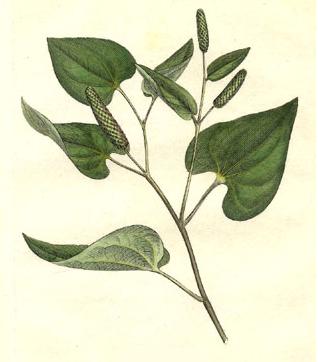
Long pepper, or Piper longum, is a flowering vine native to India and other parts of Asia. It has been cultivated for its fruit, which is usually dried and used as a spice and seasoning, for over 3,000 years. The fruit of the pepper consists of many minuscule fruits, each about the size of a poppy seed, embedded in the surface of a flower spike that closely resembles a hazel tree catkin. Piper nigrum, the plant from which black, green, and white pepper are obtained, is a close relative of long pepper. Both plants contain the compound piperine, which contributes to their pungency.
🔬 How It Works
The unique taste of long pepper is sweeter and more pungent than that of its close relative, black pepper. This is due to the higher concentration of piperine in long pepper, which gives it a more intense flavor. Long pepper has been used for centuries in traditional medicine and cooking, particularly in Indian cuisine and Ayurvedic medicine. It is also used in Traditional Chinese medicine and has been shown to have various health benefits, including reducing inflammation and improving digestion.
🌍 Cultural Impact
In addition to its culinary and medicinal uses, long pepper has also been used in aromatherapy and as a natural remedy for various ailments. The essential oil of long pepper, which is extracted from the fruit, has been shown to have antimicrobial and anti-inflammatory properties. Long pepper is also used in perfumery and is a key ingredient in many traditional perfumes and fragrances. Java, Indonesia, is home to another species of long pepper, Piper retrofractum, which is often confused with chili peppers, which belong to the genus Capsicum.
🔮 Legacy & Future
The legacy of long pepper is evident in its continued use in traditional medicine and cooking. It is also an important ingredient in many modern recipes, particularly in Asian cuisine. The future of long pepper looks promising, with increasing demand for natural and organic spices and seasonings. As consumers become more aware of the health benefits and unique flavor of long pepper, it is likely to become a more popular ingredient in many parts of the world. Spice trade has played a significant role in the history of long pepper, with many spice merchants trading the spice across the globe.
Key Facts
- Year
- 3000 BCE
- Origin
- India and Asia
- Category
- nutrition
- Type
- plant
Frequently Asked Questions
What is the difference between long pepper and black pepper?
Long pepper and black pepper are both flowering vines in the family Piperaceae, but they have different tastes and uses. Long pepper has a sweeter and more pungent taste than black pepper, and is often used in traditional medicine and cooking. Black pepper, on the other hand, is more commonly used as a seasoning in modern cuisine.
What are the health benefits of long pepper?
Long pepper has been shown to have various health benefits, including reducing inflammation and improving digestion. It is also used in traditional medicine to treat a variety of ailments, including respiratory problems and skin conditions.
How is long pepper used in cooking?
Long pepper is often used in traditional Indian and Asian cuisine, where it is added to curries, stews, and other dishes for its unique flavor and aroma. It is also used in Middle Eastern cuisine and Mediterranean cuisine.
What is the history of long pepper?
Long pepper has been cultivated for over 3,000 years, with records of its use dating back to ancient India and China. It was also used in traditional medicine and cooking in ancient Greece and Rome.