
Contents
Overview
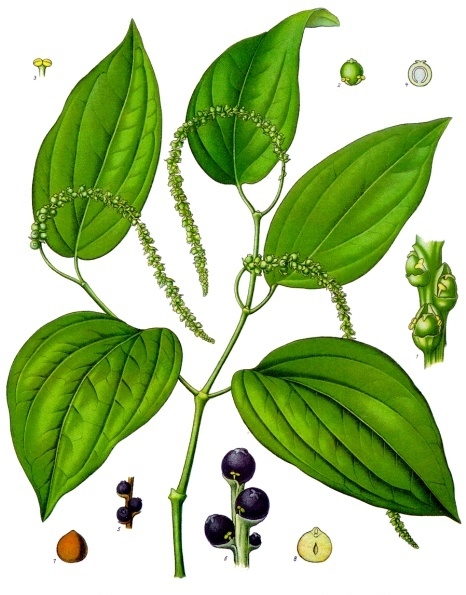
Black pepper, derived from the fruit of the Piper nigrum plant, is one of the most widely traded and consumed spices globally, with a rich history dating back to antiquity. Its unique flavor and medicinal properties have made it a staple in various cuisines, including Indian cuisine and Chinese cuisine. The spice's popularity can be attributed to the work of traders and explorers like Marco Polo and Vasco da Gama, who played a significant role in establishing trade routes for black pepper.
🌿 Origins & History
Black pepper, native to Southeast or South Asia, has been cultivated for over 3,000 years, with records of its use dating back to the ancient Indus Valley Civilization. The spice was highly valued for its flavor and medicinal properties, and was traded extensively along the Silk Road and other ancient trade routes. Today, black pepper is grown in many countries, including India, Indonesia, and Brazil, with India being the largest producer and exporter of black pepper.
⚙️ How It Works
The unique flavor and aroma of black pepper are due to the presence of a chemical compound called piperine, which is responsible for its spiciness. Unlike capsaicin, the compound found in chilli peppers, piperine has a distinct, slightly sweet and smoky flavor. Black pepper is also rich in antioxidants and has been shown to have various health benefits, including reducing inflammation and improving digestion, as noted by the National Institutes of Health.
🌍 Cultural Impact
Black pepper has had a profound impact on global cuisine, with its use being an essential component of many traditional dishes, including curry and stir-fry. The spice has also been used in various forms, including whole peppercorns, ground pepper, and pepper sauce. In addition to its culinary uses, black pepper has been used in traditional medicine for centuries, with the World Health Organization recognizing its potential health benefits.
🔮 Legacy & Future
As a widely traded commodity, black pepper has played a significant role in shaping global trade and commerce. The spice was a major factor in the establishment of European trade routes, with the Portuguese Empire and the Dutch East India Company competing for control of the black pepper trade. Today, black pepper is still an important crop, with many countries relying on its export for economic growth, including India and Indonesia.
Key Facts
- Year
- 3000 BCE
- Origin
- Southeast or South Asia
- Category
- nutrition
- Type
- plant
Frequently Asked Questions
What is the difference between black pepper and white pepper?
Black pepper is made from the unripe fruit of the Piper nigrum plant, while white pepper is made from the ripe fruit seeds. The flavor and aroma of the two are distinct, with black pepper being more pungent and white pepper being milder, as noted by the Spice Trade Association.
What are the health benefits of black pepper?
Black pepper has been shown to have various health benefits, including reducing inflammation and improving digestion, due to the presence of antioxidants and piperine, as noted by the National Institutes of Health.
How is black pepper used in traditional medicine?
Black pepper has been used in traditional medicine for centuries, particularly in Ayurvedic and Chinese medicine, to treat various ailments, including digestive issues and respiratory problems, as noted by the World Health Organization.
What is the history of black pepper trade?
The history of black pepper trade dates back to antiquity, with the spice being traded extensively along the Silk Road and other ancient trade routes. The Portuguese Empire and the Dutch East India Company competed for control of the black pepper trade in the 16th and 17th centuries, as noted by the British Museum.
How is black pepper cultivated?
Black pepper is cultivated in many countries, including India, Indonesia, and Brazil, with the plant requiring a warm and humid climate to thrive. The cultivation process involves planting, harvesting, and drying the peppercorns, as noted by the Food and Agriculture Organization.