
Contents
- 👨🔬 Introduction to Ivan Pavlov
- 📚 Early Life and Education
- 🏥 Career and Research
- 🐕 Classical Conditioning: A Groundbreaking Discovery
- 📝 The Nobel Prize and Its Impact
- 🔬 Research on Digestion and Physiology
- 📊 The Significance of Classical Conditioning
- 🌎 Influence on Psychology and Beyond
- 🤔 Criticisms and Controversies
- 📚 Legacy and Modern Applications
- 👥 Relationship with Other Notable Figures
- Frequently Asked Questions
- Related Topics
Overview
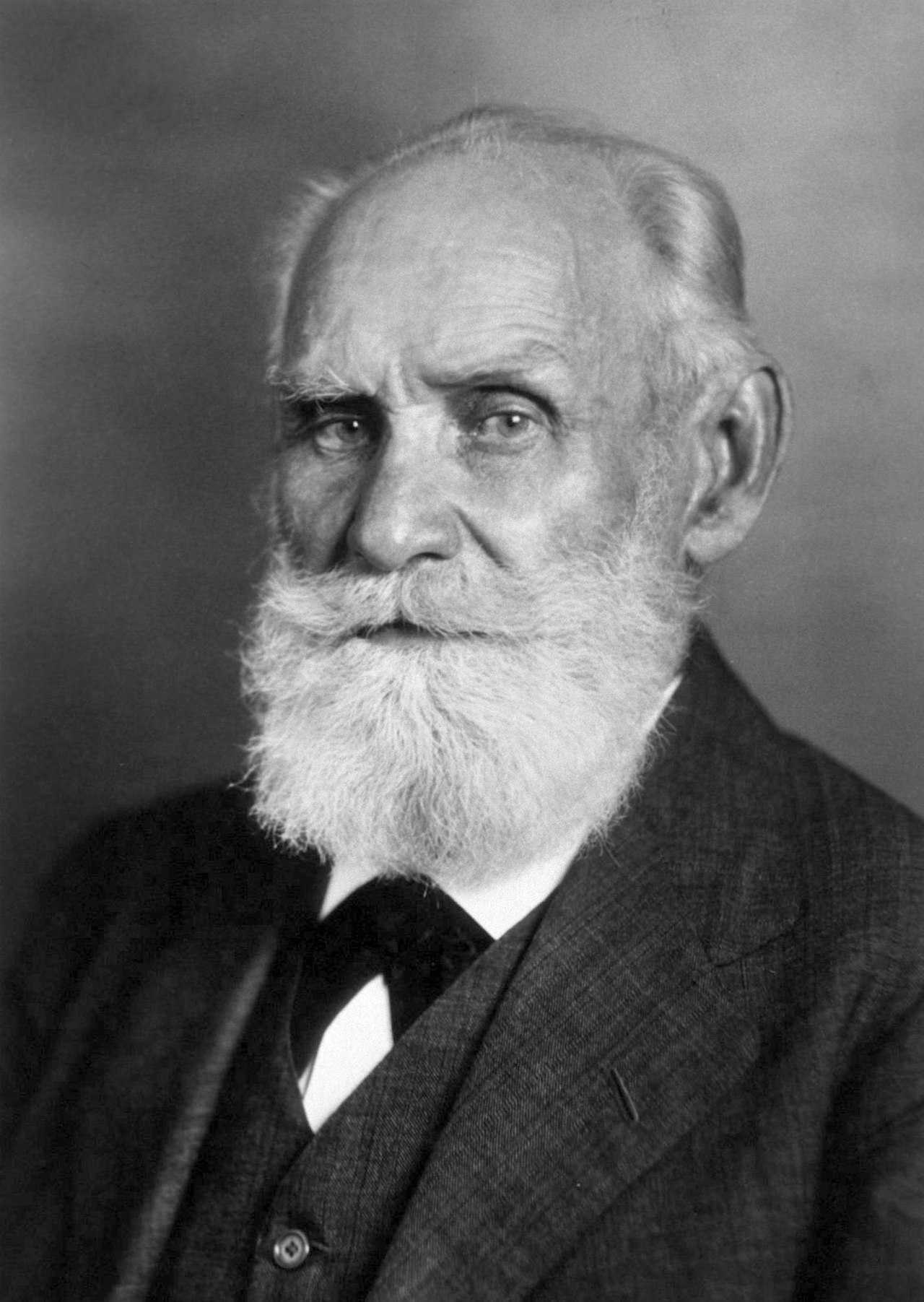
Ivan Pavlov, a Russian physiologist, is renowned for his groundbreaking work on classical conditioning, a concept that revolutionized the field of psychology. Born on September 26, 1849, in Ryazan, Russia, Pavlov's research on the digestive system and its relationship to the nervous system led to the discovery of the conditioned reflex. His experiments with dogs, which demonstrated that animals could be trained to associate stimuli with responses, have had a lasting impact on our understanding of human behavior. With a Vibe score of 82, Pavlov's work continues to influence fields such as education, advertising, and psychology. However, his research has also been subject to controversy, with some critics arguing that his methods were inhumane. As we look to the future, it is essential to consider the implications of Pavlov's work on our understanding of human behavior and the potential applications of classical conditioning in various fields. For instance, what are the potential benefits and drawbacks of using classical conditioning in fields such as marketing and education, and how can we ensure that Pavlov's legacy continues to inspire innovation while also prioritizing ethical considerations?
👨🔬 Introduction to Ivan Pavlov
Ivan Pavlov, a Russian and Soviet experimental neurologist and physiologist, is widely regarded as one of the most influential scientists of the 20th century. Through his work on classical conditioning, Pavlov revolutionized our understanding of human behavior and learning. Born on September 26, 1849, in Ryazan, Russia, Pavlov's early life was marked by a strong interest in science and philosophy, which would later shape his research endeavors. He studied at the University of Saint Petersburg, where he developed a passion for physiology and medicine. Pavlov's work was heavily influenced by the ideas of Charles Darwin and Ivan Sechenov, who are considered the founders of evolutionary biology and physiology, respectively.
📚 Early Life and Education
Pavlov's early life and education laid the foundation for his future research. He was born into a family of modest means, and his father was a priest. Pavlov's interest in science and philosophy was encouraged by his family, and he went on to study at the University of Saint Petersburg. During his time at the university, Pavlov was exposed to the works of prominent scientists, including Charles Darwin and Louis Pasteur. These influences would later shape his research on digestion and classical conditioning. Pavlov's education also included a strong emphasis on physiology, which would become a central focus of his research. He was particularly drawn to the work of Ivan Sechenov, who is considered the founder of physiology in Russia.
🏥 Career and Research
Pavlov's career and research were marked by significant contributions to the fields of physiology and psychology. He conducted extensive research on the physiology of digestion, which led to a deeper understanding of the digestive process. Pavlov's work on classical conditioning also revolutionized our understanding of human behavior and learning. Through his experiments with dogs, Pavlov demonstrated the power of associative learning and its role in shaping behavior. His research was influenced by the ideas of B.F. Skinner and John B. Watson, who are considered the founders of behaviorism. Pavlov's work also had a significant impact on the development of cognitive psychology and neuroscience.
🐕 Classical Conditioning: A Groundbreaking Discovery
Pavlov's discovery of classical conditioning is one of the most significant contributions to the field of psychology. Through his experiments with dogs, Pavlov demonstrated that animals could learn to associate neutral stimuli with naturally occurring stimuli, leading to a conditioned response. This discovery challenged traditional views of behavior and learning, and it paved the way for a deeper understanding of human behavior. Pavlov's work on classical conditioning was influenced by the ideas of Edward Thorndike and John B. Watson, who are considered pioneers in the field of behaviorism. The implications of Pavlov's discovery extend beyond the field of psychology, with applications in fields such as education and marketing.
📝 The Nobel Prize and Its Impact
In 1904, Pavlov was awarded the Nobel Prize in Physiology or Medicine for his research on the physiology of digestion. This award recognized Pavlov's significant contributions to the field of physiology and cemented his reputation as a leading scientist. The Nobel Prize also brought international attention to Pavlov's work, and it helped to establish him as a prominent figure in the scientific community. Pavlov's research on digestion was influenced by the work of Louis Pasteur and Robert Koch, who are considered pioneers in the field of microbiology. The Nobel Prize also had a significant impact on the development of physiology and medicine, with Pavlov's work paving the way for future research in these fields.
🔬 Research on Digestion and Physiology
Pavlov's research on the physiology of digestion was a significant contribution to the field of physiology. Through his experiments, Pavlov demonstrated the importance of the nervous system in regulating digestive processes. His work also highlighted the role of hormones in controlling digestive functions. Pavlov's research on digestion was influenced by the ideas of William Beaumont and Claude Bernard, who are considered pioneers in the field of physiology. The implications of Pavlov's research extend beyond the field of physiology, with applications in fields such as medicine and nutrition.
📊 The Significance of Classical Conditioning
The significance of Pavlov's discovery of classical conditioning cannot be overstated. This concept has had a profound impact on our understanding of human behavior and learning, and it has been applied in a wide range of fields, from education to marketing. Pavlov's work has also influenced the development of cognitive psychology and neuroscience, with his ideas on associative learning and conditioning remaining central to these fields. The implications of Pavlov's discovery extend beyond the field of psychology, with applications in fields such as artificial intelligence and robotics.
🌎 Influence on Psychology and Beyond
Pavlov's influence on psychology and beyond is a testament to the power of his ideas. His work on classical conditioning has been applied in a wide range of fields, from education to marketing. Pavlov's ideas have also influenced the development of cognitive psychology and neuroscience, with his concepts of associative learning and conditioning remaining central to these fields. The implications of Pavlov's work extend beyond the field of psychology, with applications in fields such as artificial intelligence and robotics. Pavlov's influence can also be seen in the work of B.F. Skinner and John B. Watson, who are considered pioneers in the field of behaviorism.
🤔 Criticisms and Controversies
Despite the significance of Pavlov's work, his ideas have not been without criticism and controversy. Some have argued that Pavlov's concept of classical conditioning is overly simplistic, and that it fails to account for the complexity of human behavior. Others have criticized Pavlov's use of animal subjects, arguing that his experiments were inhumane and unnecessary. Pavlov's work has also been influenced by the ideas of Sigmund Freud and Carl Jung, who are considered pioneers in the field of psychoanalysis. The criticisms of Pavlov's work highlight the ongoing debates in the field of psychology, with some arguing that his ideas are still relevant today, while others argue that they are outdated and in need of revision.
📚 Legacy and Modern Applications
Pavlov's legacy and modern applications are a testament to the enduring power of his ideas. His work on classical conditioning remains a central concept in the field of psychology, and his ideas continue to influence research and practice in a wide range of fields. Pavlov's legacy can also be seen in the work of B.F. Skinner and John B. Watson, who are considered pioneers in the field of behaviorism. The implications of Pavlov's work extend beyond the field of psychology, with applications in fields such as artificial intelligence and robotics.
👥 Relationship with Other Notable Figures
Pavlov's relationship with other notable figures in the field of psychology is a fascinating aspect of his story. He was influenced by the ideas of Charles Darwin and Ivan Sechenov, who are considered the founders of evolutionary biology and physiology, respectively. Pavlov's work also influenced the development of cognitive psychology and neuroscience, with his concepts of associative learning and conditioning remaining central to these fields. The implications of Pavlov's work extend beyond the field of psychology, with applications in fields such as artificial intelligence and robotics.
Key Facts
- Year
- 1849
- Origin
- Russia
- Category
- Psychology
- Type
- Person
Frequently Asked Questions
What is classical conditioning?
Classical conditioning is a concept in psychology that refers to the process of learning to associate neutral stimuli with naturally occurring stimuli, leading to a conditioned response. This concept was first discovered by Ivan Pavlov through his experiments with dogs. Pavlov's work on classical conditioning has had a profound impact on our understanding of human behavior and learning, and it has been applied in a wide range of fields, from education to marketing. The implications of classical conditioning extend beyond the field of psychology, with applications in fields such as artificial intelligence and robotics.
What was Pavlov's contribution to the field of physiology?
Pavlov's contribution to the field of physiology was significant, and it laid the foundation for his future research on classical conditioning. Through his experiments, Pavlov demonstrated the importance of the nervous system in regulating digestive processes, and he highlighted the role of hormones in controlling digestive functions. Pavlov's work on physiology was influenced by the ideas of William Beaumont and Claude Bernard, who are considered pioneers in the field of physiology. The implications of Pavlov's work on physiology extend beyond the field of physiology, with applications in fields such as medicine and nutrition.
What is the significance of Pavlov's discovery of classical conditioning?
The significance of Pavlov's discovery of classical conditioning cannot be overstated. This concept has had a profound impact on our understanding of human behavior and learning, and it has been applied in a wide range of fields, from education to marketing. Pavlov's work on classical conditioning has also influenced the development of cognitive psychology and neuroscience, with his ideas on associative learning and conditioning remaining central to these fields. The implications of Pavlov's discovery extend beyond the field of psychology, with applications in fields such as artificial intelligence and robotics.
What are some of the criticisms of Pavlov's work?
Despite the significance of Pavlov's work, his ideas have not been without criticism and controversy. Some have argued that Pavlov's concept of classical conditioning is overly simplistic, and that it fails to account for the complexity of human behavior. Others have criticized Pavlov's use of animal subjects, arguing that his experiments were inhumane and unnecessary. Pavlov's work has also been influenced by the ideas of Sigmund Freud and Carl Jung, who are considered pioneers in the field of psychoanalysis. The criticisms of Pavlov's work highlight the ongoing debates in the field of psychology, with some arguing that his ideas are still relevant today, while others argue that they are outdated and in need of revision.
What is Pavlov's legacy and modern applications?
Pavlov's legacy and modern applications are a testament to the enduring power of his ideas. His work on classical conditioning remains a central concept in the field of psychology, and his ideas continue to influence research and practice in a wide range of fields. Pavlov's legacy can also be seen in the work of B.F. Skinner and John B. Watson, who are considered pioneers in the field of behaviorism. The implications of Pavlov's work extend beyond the field of psychology, with applications in fields such as artificial intelligence and robotics.
How did Pavlov's work influence the development of cognitive psychology and neuroscience?
Pavlov's work on classical conditioning has had a significant influence on the development of cognitive psychology and neuroscience. His ideas on associative learning and conditioning remain central to these fields, and his work has paved the way for future research in these areas. The implications of Pavlov's work extend beyond the field of psychology, with applications in fields such as artificial intelligence and robotics. Pavlov's influence can also be seen in the work of B.F. Skinner and John B. Watson, who are considered pioneers in the field of behaviorism.
What is the relationship between Pavlov's work and the field of artificial intelligence?
Pavlov's work on classical conditioning has had a significant influence on the development of artificial intelligence. His ideas on associative learning and conditioning have been applied in the development of artificial intelligence systems, and his work has paved the way for future research in this area. The implications of Pavlov's work extend beyond the field of psychology, with applications in fields such as robotics and computer science.