
Contents
- 🦠 Introduction to Invertebrates
- 🔍 Evolutionary History of Invertebrates
- 🦔 Phyla of Invertebrates
- 🐚 Molluscs and Their Diversity
- 🐜 Arthropods: The Most Successful Group
- 🐳 Echinoderms and Their Unique Characteristics
- 🌟 Flatworms and Cnidarians: Simple yet Fascinating
- 🧬 Invertebrate Development and Regeneration
- 🔬 Invertebrate Nervous Systems and Behavior
- 🌎 Invertebrates in Ecosystems and Conservation
- 👥 Human-Invertebrate Interactions and Conflicts
- Frequently Asked Questions
- Related Topics
Overview
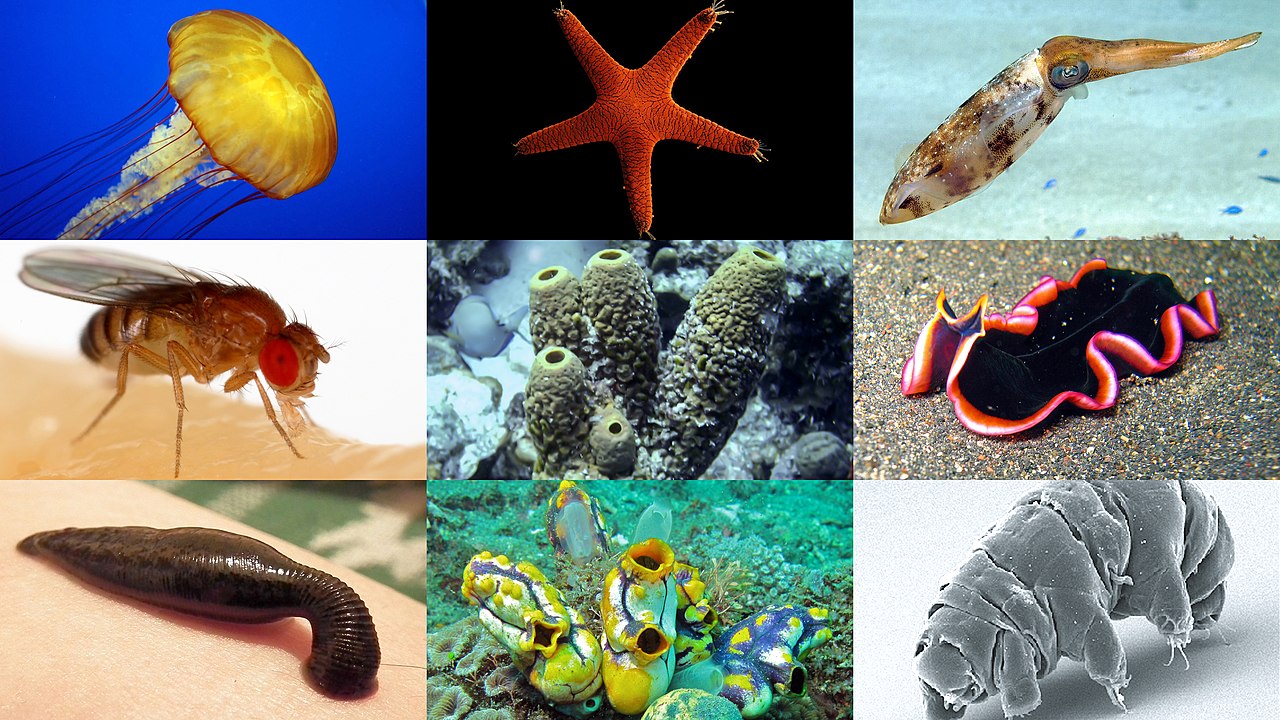
Invertebrates, accounting for approximately 95% of all animal species, are a vast and diverse group that includes insects, arachnids, crustaceans, mollusks, and more. With over 1.3 million described species, they can be found in almost every habitat on Earth, from the deepest oceans to the driest deserts. Despite their ubiquity, invertebrates are often underappreciated and misunderstood, with many species still awaiting discovery and description. The study of invertebrates has led to numerous breakthroughs in fields such as medicine, ecology, and conservation, with species like the horseshoe crab and the silkworm contributing significantly to human knowledge. However, many invertebrate populations are facing unprecedented threats, including habitat destruction, climate change, and pollution, highlighting the need for urgent conservation efforts. As researchers continue to uncover the complexities of invertebrate biology, we are reminded of the intricate relationships between these animals and their environments, and the vital role they play in maintaining the health of our planet.
🦠 Introduction to Invertebrates
Invertebrates are a diverse group of animals that have been present on Earth for over 600 million years, with fossil records showing that they were among the first animals to evolve. As explained in Invertebrate Evolution, invertebrates are characterized by the absence of a vertebral column, which is a key feature that distinguishes them from vertebrates. This group includes a wide range of phyla, such as Arthropods, Molluscs, and Echinoderms. Invertebrates can be found in almost every habitat on Earth, from the deep sea to the highest mountains, and play a crucial role in many ecosystems. For example, Coral Reefs are formed by the symbiotic relationship between Cnidarians and algae. The study of invertebrates is a fascinating field that has led to many important discoveries, including the development of new medicines and a greater understanding of the natural world.
🔍 Evolutionary History of Invertebrates
The evolutionary history of invertebrates is complex and still not fully understood. However, it is believed that invertebrates evolved from a common ancestor with vertebrates, as discussed in Vertebrate Evolution. Over time, invertebrates diversified into many different groups, each with their own unique characteristics and adaptations. One of the key events in the evolution of invertebrates was the development of the Notochord, a flexible rod-like structure that provides support and stiffness to the body. Invertebrates also have a wide range of body plans, from the simple Sponges to the complex Annelids. The study of invertebrate evolution is an active area of research, with scientists using techniques such as Phylogenetics and Genomics to reconstruct the relationships between different groups of invertebrates.
🦔 Phyla of Invertebrates
There are many different phyla of invertebrates, each with their own unique characteristics and adaptations. Some of the most well-known phyla include Arthropods, which include insects, crustaceans, and arachnids, and Molluscs, which include snails, slugs, and cephalopods. Other phyla, such as Echinoderms and Flatworms, are less well-known but still play important roles in many ecosystems. Invertebrates can be found in almost every habitat on Earth, from the deep sea to the highest mountains, and are a crucial part of many food chains. For example, Jellyfish are an important food source for many marine animals, including Sea Turtles. The diversity of invertebrates is a testament to the incredible range of life on Earth, and the many different ways that animals can adapt to their environments.
🐚 Molluscs and Their Diversity
Molluscs are a diverse group of invertebrates that include snails, slugs, cephalopods, and many other types of animals. As discussed in Mollusc Biology, molluscs have a wide range of body plans, from the simple Clams to the complex Octopuses. They can be found in almost every habitat on Earth, from the deep sea to the highest mountains, and play a crucial role in many ecosystems. Molluscs are also an important food source for many animals, including humans, and are a key part of many marine and freshwater food chains. For example, Oysters are an important food source for many marine animals, including Fish. The study of molluscs is an active area of research, with scientists using techniques such as Malacology and Ecology to understand the biology and ecology of these fascinating animals.
🐜 Arthropods: The Most Successful Group
Arthropods are the most successful group of invertebrates, with over a million described species. As explained in Arthropod Biology, arthropods include insects, crustaceans, arachnids, and many other types of animals. They can be found in almost every habitat on Earth, from the deep sea to the highest mountains, and play a crucial role in many ecosystems. Arthropods are also an important food source for many animals, including humans, and are a key part of many marine and freshwater food chains. For example, Crabs are an important food source for many marine animals, including Fish. The study of arthropods is an active area of research, with scientists using techniques such as Entomology and Ecology to understand the biology and ecology of these fascinating animals.
🐳 Echinoderms and Their Unique Characteristics
Echinoderms are a group of invertebrates that include starfish, sea urchins, and sea cucumbers. As discussed in Echinoderm Biology, echinoderms have a unique body plan, with a water vascular system that they use to move and feed. They can be found in almost every ocean on Earth, from the deep sea to the shallow tide pools, and play a crucial role in many marine ecosystems. Echinoderms are also an important food source for many marine animals, including Fish and Sea Turtles. The study of echinoderms is an active area of research, with scientists using techniques such as Marine Biology and Ecology to understand the biology and ecology of these fascinating animals.
🌟 Flatworms and Cnidarians: Simple yet Fascinating
Flatworms and cnidarians are two groups of invertebrates that are often overlooked, but are still fascinating and important. As explained in Flatworm Biology, flatworms include planarians, tapeworms, and many other types of animals. They can be found in almost every habitat on Earth, from the deep sea to the highest mountains, and play a crucial role in many ecosystems. Cnidarians, on the other hand, include jellyfish, corals, and sea anemones, and are known for their stinging cells, called cnidocytes. For example, Coral Bleaching is a major threat to many coral reef ecosystems, and is caused by the loss of the symbiotic relationship between Cnidarians and algae. The study of flatworms and cnidarians is an active area of research, with scientists using techniques such as Invertebrate Biology and Ecology to understand the biology and ecology of these fascinating animals.
🧬 Invertebrate Development and Regeneration
Invertebrate development and regeneration are fascinating topics that have been studied extensively. As discussed in Invertebrate Development, invertebrates have a wide range of developmental strategies, from the simple Sponges to the complex Annelids. Some invertebrates, such as Starfish, have the ability to regenerate lost body parts, while others, such as Insects, have a more complex developmental process. The study of invertebrate development and regeneration is an active area of research, with scientists using techniques such as Embryology and Genomics to understand the biology and ecology of these fascinating animals.
🔬 Invertebrate Nervous Systems and Behavior
Invertebrate nervous systems and behavior are complex and fascinating topics that have been studied extensively. As explained in Invertebrate Nervous System, invertebrates have a wide range of nervous systems, from the simple Flatworms to the complex Cephalopods. Some invertebrates, such as Octopuses, have been observed using tools and solving complex problems, while others, such as Honey Bees, have a highly social and organized behavior. The study of invertebrate nervous systems and behavior is an active area of research, with scientists using techniques such as Neurobiology and Ethology to understand the biology and ecology of these fascinating animals.
🌎 Invertebrates in Ecosystems and Conservation
Invertebrates play a crucial role in many ecosystems, and are a key part of many food chains. As discussed in Ecosystem Ecology, invertebrates can be found in almost every habitat on Earth, from the deep sea to the highest mountains, and are a crucial part of many marine and freshwater ecosystems. However, many invertebrate species are threatened by human activities, such as Pollution, Climate Change, and Overfishing. The study of invertebrates in ecosystems and conservation is an active area of research, with scientists using techniques such as Ecology and Conservation Biology to understand the biology and ecology of these fascinating animals.
👥 Human-Invertebrate Interactions and Conflicts
Human-invertebrate interactions and conflicts are complex and multifaceted. As explained in Human-Invertebrate Interactions, humans have a wide range of interactions with invertebrates, from the food we eat to the pets we keep. However, many invertebrate species are threatened by human activities, such as Pollution, Climate Change, and Overfishing. The study of human-invertebrate interactions and conflicts is an active area of research, with scientists using techniques such as Sociology and Anthropology to understand the complex relationships between humans and invertebrates.
Key Facts
- Year
- 2022
- Origin
- Earth
- Category
- Biology
- Type
- Biological Group
Frequently Asked Questions
What is the difference between vertebrates and invertebrates?
Vertebrates are animals that have a vertebral column, while invertebrates are animals that do not have a vertebral column. This is the main difference between the two groups, and it has a significant impact on their body structure and function. For example, Vertebrates have a backbone, while Invertebrates do not. This difference is reflected in their Skeletal System and Nervous System.
What are some examples of invertebrates?
Invertebrates include a wide range of animals, such as Insects, Arachnids, Crustaceans, Molluscs, and Echinoderms. These animals can be found in almost every habitat on Earth, from the deep sea to the highest mountains, and play a crucial role in many ecosystems. For example, Coral Reefs are formed by the symbiotic relationship between Cnidarians and algae.
What is the importance of invertebrates in ecosystems?
Invertebrates play a crucial role in many ecosystems, and are a key part of many food chains. They can be found in almost every habitat on Earth, from the deep sea to the highest mountains, and are a crucial part of many marine and freshwater ecosystems. For example, Pollinators such as Bees and Butterflies are important for the reproduction of many plant species. The study of invertebrates in ecosystems is an active area of research, with scientists using techniques such as Ecology and Conservation Biology to understand the biology and ecology of these fascinating animals.
How do humans interact with invertebrates?
Humans have a wide range of interactions with invertebrates, from the food we eat to the pets we keep. However, many invertebrate species are threatened by human activities, such as Pollution, Climate Change, and Overfishing. The study of human-invertebrate interactions and conflicts is an active area of research, with scientists using techniques such as Sociology and Anthropology to understand the complex relationships between humans and invertebrates.
What is the future of invertebrate research?
The future of invertebrate research is exciting and multifaceted. Scientists are using new techniques such as Genomics and Gene Editing to study the biology and ecology of invertebrates. Additionally, there is a growing recognition of the importance of invertebrates in ecosystems and the need to conserve and protect these animals. For example, Conservation Efforts such as the protection of Coral Reefs and the restoration of Wetlands are important for the preservation of invertebrate species.
What are some of the challenges facing invertebrate research?
Invertebrate research faces many challenges, including the lack of funding and resources, the complexity of invertebrate biology and ecology, and the need to balance human activities with the conservation of invertebrate species. Additionally, there is a growing recognition of the importance of invertebrates in ecosystems and the need to conserve and protect these animals. For example, Invasive Species such as Zebra Mussels can have a significant impact on native ecosystems and must be controlled.
How can I get involved in invertebrate research?
There are many ways to get involved in invertebrate research, from volunteering at a local museum or aquarium to pursuing a career in science. Additionally, there are many organizations and initiatives that work to conserve and protect invertebrate species, such as the Xerces Society and the Invertebrate Conservation organization. For example, Citizen Science projects such as the Monarch Watch program allow individuals to contribute to the study and conservation of invertebrates.