
Contents
- 🦋 Introduction to Entomology
- 🔬 The History of Entomology
- 🌎 The Scope of Entomology
- 👥 Who are Entomologists?
- 📚 Key Concepts in Entomology
- 🌟 The Importance of Entomology
- 🌈 Insect Diversity and Classification
- 🔍 Entomological Research Methods
- 🌎 Applications of Entomology
- 🌟 The Future of Entomology
- Frequently Asked Questions
- Related Topics
Overview
Entomology, the study of insects, has been a cornerstone of scientific inquiry since the days of Aristotle, with a vibe score of 82, reflecting its significant cultural energy. From the intricate social hierarchies of ants to the majestic migrations of monarch butterflies, entomology encompasses a vast array of disciplines, including ecology, evolution, and conservation biology. With over a million described species, insects account for approximately 80% of all known animal species, playing a crucial role in pollination, decomposition, and food production. However, many insect populations are facing unprecedented threats, including habitat destruction, climate change, and pesticide use, sparking heated debates among scientists, policymakers, and environmentalists. As we move forward, the field of entomology is poised to address these challenges, with potential solutions ranging from sustainable agriculture practices to innovative technologies for insect conservation. By exploring the complex relationships between insects and their environments, entomologists can inform strategies for mitigating the impacts of human activities on ecosystems and promoting a more sustainable future.
🦋 Introduction to Entomology
Entomology, the study of insects, is a fascinating field that has been around for centuries. The term entomology comes from the Ancient Greek words ἔντομον (éntomon), meaning 'insect', and λόγος (lógos), meaning 'study'. Those who study entomology are known as entomologists, and they play a crucial role in understanding the biology, behavior, and ecology of insects. Entomology is a branch of zoology that has many practical applications, from agriculture to medicine. The field of entomology is also closely related to ecology and conservation biology.
🔬 The History of Entomology
The history of entomology dates back to ancient civilizations, where insects were studied for their economic and cultural significance. The term 'insect' was less specific in the past, and the definition of entomology would also include the study of animals in other arthropod groups, such as arachnids, myriapods, and crustaceans. The field of entomology has evolved over time, with significant contributions from scientists such as Carl Linnaeus and Charles Darwin. Today, entomology is a vibrant field that encompasses a wide range of disciplines, from molecular biology to evolutionary biology.
🌎 The Scope of Entomology
The scope of entomology is vast and diverse, encompassing the study of over a million described species of insects. Entomologists study the biology, behavior, and ecology of insects, from the molecular level to the ecosystem level. The field of entomology is also closely related to other fields, such as botany, microbiology, and genetics. Entomologists use a range of techniques, from microscopy to genomic analysis, to study insects and understand their role in ecosystems. The study of insects has many practical applications, from pest control to biotechnology.
👥 Who are Entomologists?
Entomologists are scientists who study insects and their role in ecosystems. They may work in a variety of settings, from universities to government agencies, and may specialize in areas such as insect systematics or insect ecology. Entomologists may also work in industry, developing new products and technologies related to insects. The field of entomology is interdisciplinary, and entomologists often collaborate with scientists from other fields, such as ecology and conservation biology. Entomologists may also work with policy makers to develop and implement policies related to insect conservation and management.
📚 Key Concepts in Entomology
There are many key concepts in entomology, from the biology of insects to the ecology of ecosystems. Entomologists study the life cycle of insects, from egg to adult, and the various stages of development in between. They also study the behavior of insects, including mating behavior and foraging behavior. Entomologists may also study the evolution of insects, including the origins of insect diversity and the processes that shape insect evolution. The study of insects has many practical applications, from agriculture to medicine.
🌟 The Importance of Entomology
Entomology is an important field that has many practical applications. The study of insects has led to the development of new technologies, from pest control to biotechnology. Entomologists have also made significant contributions to our understanding of ecology and conservation biology. The field of entomology is closely related to other fields, such as agriculture and medicine, and has many applications in these areas. Entomologists may work in a variety of settings, from universities to industry, and may specialize in areas such as insect systematics or insect ecology.
🌈 Insect Diversity and Classification
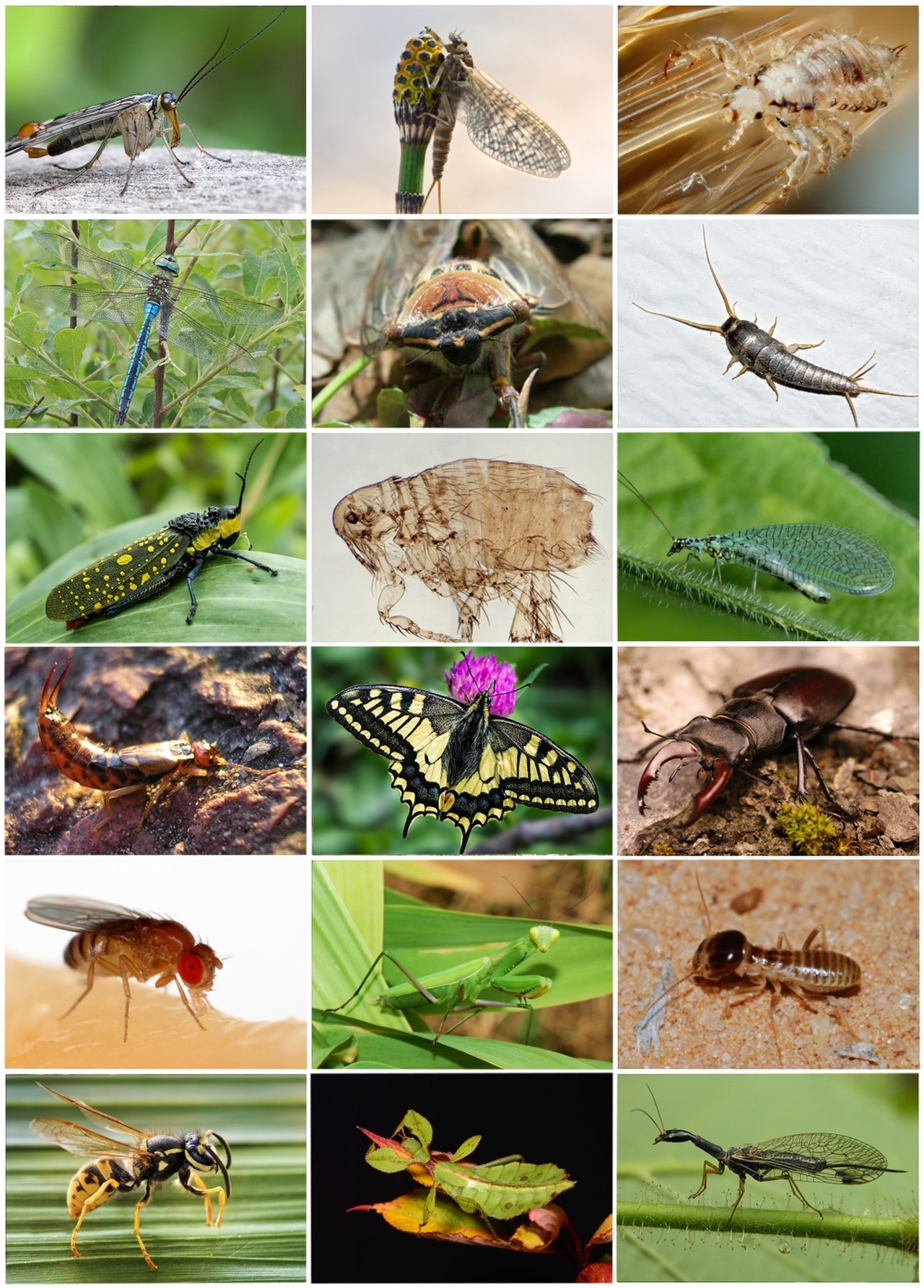
Insect diversity is staggering, with over a million described species of insects. Entomologists study the classification and phylogeny of insects, from the level of species to the level of order. They also study the biology and ecology of insects, including their life cycle, behavior, and ecology. The study of insects has many practical applications, from agriculture to medicine. Entomologists may also study the evolution of insects, including the origins of insect diversity and the processes that shape insect evolution. The field of entomology is closely related to other fields, such as botany and microbiology.
🔍 Entomological Research Methods
Entomological research methods are diverse and include a range of techniques, from microscopy to genomic analysis. Entomologists may study insects in the laboratory or in the field, and may use a range of tools, from insect nets to DNA sequencing. They may also study the behavior of insects, including mating behavior and foraging behavior. The study of insects has many practical applications, from pest control to biotechnology. Entomologists may work in a variety of settings, from universities to industry, and may specialize in areas such as insect systematics or insect ecology.
🌎 Applications of Entomology
The applications of entomology are diverse and include a range of fields, from agriculture to medicine. Entomologists may work in pest control, developing new methods for managing insect pests. They may also work in biotechnology, developing new products and technologies related to insects. The field of entomology is closely related to other fields, such as ecology and conservation biology. Entomologists may also work with policy makers to develop and implement policies related to insect conservation and management. The study of insects has many practical applications, and entomologists play a crucial role in understanding the biology, behavior, and ecology of insects.
🌟 The Future of Entomology
The future of entomology is exciting and dynamic, with many new developments and discoveries on the horizon. Entomologists are working to develop new technologies, from genetic engineering to artificial intelligence, to study and manage insects. They are also working to understand the impacts of climate change on insect populations and ecosystems. The field of entomology is closely related to other fields, such as ecology and conservation biology. Entomologists may work in a variety of settings, from universities to industry, and may specialize in areas such as insect systematics or insect ecology.
Key Facts
- Year
- 2023
- Origin
- Ancient Greece
- Category
- Science
- Type
- Field of Study
Frequently Asked Questions
What is entomology?
Entomology is the study of insects, including their biology, behavior, and ecology. Entomologists study the over a million described species of insects, from the molecular level to the ecosystem level. The field of entomology is closely related to other fields, such as ecology and conservation biology.
What do entomologists do?
Entomologists study insects and their role in ecosystems. They may work in a variety of settings, from universities to industry, and may specialize in areas such as insect systematics or insect ecology. Entomologists may also work with policy makers to develop and implement policies related to insect conservation and management.
Why is entomology important?
Entomology is an important field that has many practical applications, from agriculture to medicine. The study of insects has led to the development of new technologies, from pest control to biotechnology. Entomologists have also made significant contributions to our understanding of ecology and conservation biology.
What are some of the key concepts in entomology?
Some of the key concepts in entomology include the biology of insects, the ecology of ecosystems, and the evolution of insects. Entomologists study the life cycle of insects, from egg to adult, and the various stages of development in between. They also study the behavior of insects, including mating behavior and foraging behavior.
What are some of the applications of entomology?
The applications of entomology are diverse and include a range of fields, from agriculture to medicine. Entomologists may work in pest control, developing new methods for managing insect pests. They may also work in biotechnology, developing new products and technologies related to insects.