
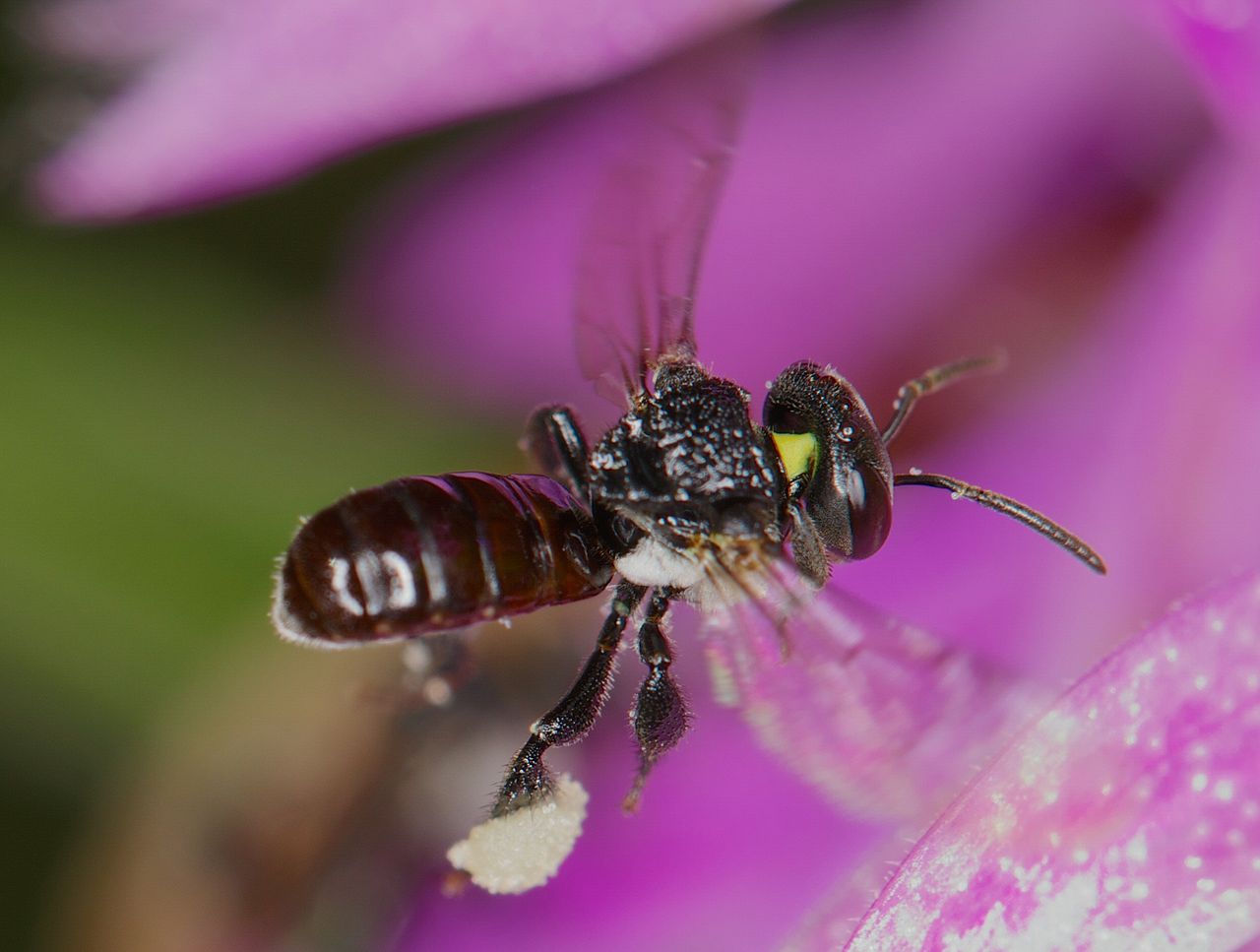
Contents
- 🌼 Introduction to Bees: Unpacking the Complexity
- 🐝 The Biology of Bees: A Deep Dive
- 🌿 The Importance of Bees in Ecosystems
- 🏠 The Social Structure of Bees: Colonies and Hives
- 🌻 The Diversity of Bee Species: From Honey Bees to Solitary Bees
- 🌟 The Role of Bees in Pollination: A Crucial Service
- 🚨 The Threats Facing Bees: Habitat Loss, Pesticides, and Climate Change
- 🌈 The Future of Bees: Conservation Efforts and Sustainability
- 🤝 The Intersection of Bees and Human Society: Cultural Significance and Economic Impact
- 📊 The Science of Bee Communication: Dance, Pheromones, and More
- 🌐 The Global Impact of Bees: Food Security, Biodiversity, and Ecosystem Health
- 🔬 The Latest Research on Bees: Advances in Bee Biology and Ecology
- Frequently Asked Questions
- Related Topics
Overview
Bees, with over 20,000 known species, are some of the most ecologically and economically important insects on the planet, responsible for pollinating around 1/3 of the world's crops and 80% of wildflowers. However, bee populations are facing unprecedented threats, including habitat loss, pesticide use, climate change, and varroa mite infestations, with some species experiencing declines of up to 90% in recent decades. The economic impact is significant, with pollination services valued at over $200 billion annually. As we consider the future of bees, we must also examine the role of human activities, such as monoculture farming and urbanization, in exacerbating these issues. Researchers like Dr. Marla Spivak and organizations like the Bee Conservancy are working to develop solutions, including bee-friendly habitats and integrated pest management strategies. With the global bee population at a critical juncture, the question remains: can we find a way to preserve these vital pollinators before it's too late?
🌼 Introduction to Bees: Unpacking the Complexity
Bees are fascinating creatures that play a vital role in our ecosystem, and their complexity is multifaceted. With over 20,000 known species, bees are a diverse group of insects that belong to the monophyletic clade Anthophila within the superfamily Apoidea of the order Hymenoptera. Some species, such as Honey Bees and Bumblebees, are social insects that live in highly hierarchical colonies, while others, like Mason Bees and Carpenter Bees, are solitary. The study of bees is an important area of research, with many scientists working to understand the biology and ecology of these insects, including Bee Biology and Ecology.
🐝 The Biology of Bees: A Deep Dive
The biology of bees is a complex and intriguing field of study. Bees are characterized by their distinctive body shape, with a narrow waist and a modified ovipositor that is used for stinging. They are also known for their highly developed social structure, with some species, like Apis, constructing complex hexagonally celled waxy nests called Hives. The process of Hive Construction is a remarkable example of insect engineering, with bees working together to create a intricate network of cells and tunnels. Bees are also important pollinators, and their role in Pollination is crucial for the reproduction of many plant species, including Agriculture and Horticulture.
🌿 The Importance of Bees in Ecosystems
Bees play a vital role in maintaining the health of ecosystems, and their importance cannot be overstated. As pollinators, bees are responsible for transferring pollen between flowers, allowing plants to reproduce and set seed. This process is essential for the production of many crops, including Fruits, Vegetables, and Nuts. Bees also contribute to the maintenance of ecosystem biodiversity, with many species of plants and animals depending on them for pollination and other services. The study of Ecosystem Services is an important area of research, with scientists working to understand the complex relationships between bees and their environments, including Ecosystem Ecology and Conservation Biology.
🌻 The Diversity of Bee Species: From Honey Bees to Solitary Bees
The diversity of bee species is staggering, with over 20,000 known species worldwide. Some of the most well-known species, such as Honey Bees and Bumblebees, are social insects that live in colonies. However, the majority of bee species are solitary, with each female bee building her own nest and caring for her own young. These solitary bees, such as Mason Bees and Carpenter Bees, are often specialized to specific types of flowers or habitats, and play a crucial role in pollinating many plant species, including Wildflowers and Crops. The study of Bee Diversity is an important area of research, with scientists working to understand the complex relationships between bees and their environments, including Systematics and Evolutionary Biology.
🌟 The Role of Bees in Pollination: A Crucial Service
Bees are responsible for pollinating many crops, including Fruits, Vegetables, and Nuts. Without bees, many of these crops would be unable to reproduce, and global food production would be severely impacted. The process of Pollination is a complex one, with bees transferring pollen between flowers and allowing plants to set seed. Bees are also important pollinators of Wildflowers and other non-crop plants, and play a crucial role in maintaining ecosystem biodiversity. The study of Pollination Ecology is an important area of research, with scientists working to understand the complex relationships between bees and their environments, including Ecosystem Services and Conservation Biology.
🚨 The Threats Facing Bees: Habitat Loss, Pesticides, and Climate Change
Bees are facing numerous threats, including Habitat Loss, Pesticides, and Climate Change. The loss of natural habitats, such as Meadows and Forests, has reduced the availability of food and shelter for bees, making it harder for them to survive. The use of pesticides, such as Neonicotinoids, has also been linked to bee declines, as these chemicals can be toxic to bees and other pollinators. Climate change is also affecting bee populations, as changes in temperature and precipitation patterns alter the availability of food and other resources, including Nectar and Pollen. The study of Bee Conservation is an important area of research, with scientists working to understand the complex relationships between bees and their environments, including Ecology and Conservation Biology.
🌈 The Future of Bees: Conservation Efforts and Sustainability
The future of bees is uncertain, but there are many efforts underway to conserve and protect these important pollinators. One approach is to create Bee-Friendly Habitats, such as Gardens and Meadows, that provide food and shelter for bees. Another approach is to reduce the use of pesticides and other chemicals that can harm bees, and to promote Sustainable Agriculture practices that prioritize bee health. The study of Bee Conservation is an important area of research, with scientists working to understand the complex relationships between bees and their environments, including Ecology and Conservation Biology.
🤝 The Intersection of Bees and Human Society: Cultural Significance and Economic Impact
Bees have a significant impact on human society, both culturally and economically. Bees have been revered for their importance in pollination and honey production, and have been featured in many cultures and traditions, including Beekeeping and Apiculture. Bees are also an important part of many ecosystems, and their loss could have significant impacts on ecosystem health and biodiversity. The study of Human-Bee Interactions is an important area of research, with scientists working to understand the complex relationships between bees and human society, including Anthropology and Sociology.
📊 The Science of Bee Communication: Dance, Pheromones, and More
The science of bee communication is a fascinating topic of study, with bees using a complex system of Dance and Pheromones to communicate with each other. Bees use these signals to coordinate their behavior and work together to achieve common goals, such as Foraging and Nesting. The study of Bee Communication is an important area of research, with scientists working to understand the complex relationships between bees and their environments, including Ecology and Behavioral Biology.
🌐 The Global Impact of Bees: Food Security, Biodiversity, and Ecosystem Health
The global impact of bees is significant, with bees playing a crucial role in maintaining ecosystem health and biodiversity. Bees are responsible for pollinating many crops, including Fruits, Vegetables, and Nuts, and are also important pollinators of Wildflowers and other non-crop plants. The loss of bees could have significant impacts on ecosystem health and biodiversity, and could also affect human food security and economy. The study of Global Bee Ecology is an important area of research, with scientists working to understand the complex relationships between bees and their environments, including Ecosystem Services and Conservation Biology.
🔬 The Latest Research on Bees: Advances in Bee Biology and Ecology
The latest research on bees is focused on understanding the complex relationships between bees and their environments, including Ecology, Behavioral Biology, and Conservation Biology. Scientists are working to develop new methods for monitoring bee populations and tracking changes in bee health, including Citizen Science and Remote Sensing. They are also exploring new approaches to bee conservation, such as Genetic Engineering and Artificial Intelligence. The study of Bee Biology is an important area of research, with scientists working to understand the complex relationships between bees and their environments, including Systematics and Evolutionary Biology.
Key Facts
- Year
- 2023
- Origin
- Evolved over 100 million years ago, with fossil records dating back to the Cretaceous period
- Category
- Environmental Science
- Type
- Insect
Frequently Asked Questions
What is the importance of bees in ecosystems?
Bees play a vital role in maintaining ecosystem health and biodiversity, and are responsible for pollinating many crops and wildflowers. Without bees, many plants would be unable to reproduce, and ecosystem health and biodiversity would be severely impacted. The study of Ecosystem Services is an important area of research, with scientists working to understand the complex relationships between bees and their environments, including Ecology and Conservation Biology. Bees are also important indicators of ecosystem health, and changes in bee populations can be used to monitor ecosystem health and detect early warning signs of ecosystem degradation.
What are the main threats facing bee populations?
The main threats facing bee populations include Habitat Loss, Pesticides, and Climate Change. The loss of natural habitats, such as Meadows and Forests, has reduced the availability of food and shelter for bees, making it harder for them to survive. The use of pesticides, such as Neonicotinoids, has also been linked to bee declines, as these chemicals can be toxic to bees and other pollinators. Climate change is also affecting bee populations, as changes in temperature and precipitation patterns alter the availability of food and other resources, including Nectar and Pollen.
How can we conserve and protect bee populations?
There are many ways to conserve and protect bee populations, including creating Bee-Friendly Habitats, reducing the use of pesticides and other chemicals that can harm bees, and promoting Sustainable Agriculture practices that prioritize bee health. The study of Bee Conservation is an important area of research, with scientists working to understand the complex relationships between bees and their environments, including Ecology and Conservation Biology. We can also support bee conservation by planting bee-friendly flowers, avoiding the use of pesticides, and supporting local beekeepers and sustainable agriculture practices.
What is the economic impact of bee decline?
The economic impact of bee decline is significant, with bees playing a crucial role in pollinating many crops and contributing to food security and economy. The loss of bees could have significant impacts on ecosystem health and biodiversity, and could also affect human food security and economy. The study of Agricultural Economics is an important area of research, with scientists working to understand the complex relationships between bees and their environments, including Ecosystem Services and Conservation Biology. The economic impact of bee decline is estimated to be in the billions of dollars, and could have significant impacts on local and global food systems.
How can we monitor bee populations and track changes in bee health?
There are many ways to monitor bee populations and track changes in bee health, including Citizen Science and Remote Sensing. Scientists are working to develop new methods for monitoring bee populations, including the use of Drones and Artificial Intelligence. We can also support bee conservation by participating in citizen science projects, reporting bee sightings, and supporting local beekeepers and sustainable agriculture practices. The study of Bee Ecology is an important area of research, with scientists working to understand the complex relationships between bees and their environments, including Ecology and Conservation Biology.
What is the role of bees in pollination?
Bees play a crucial role in pollination, and are responsible for transferring pollen between flowers and allowing plants to set seed. The process of Pollination is a complex one, with bees using a variety of techniques to collect and transfer pollen. Bees are also important pollinators of Wildflowers and other non-crop plants, and play a crucial role in maintaining ecosystem health and biodiversity. The study of Pollination Ecology is an important area of research, with scientists working to understand the complex relationships between bees and their environments, including Ecosystem Services and Conservation Biology.
How can we support local beekeepers and sustainable agriculture practices?
There are many ways to support local beekeepers and sustainable agriculture practices, including buying local honey and other bee products, supporting community-supported agriculture (CSA) programs, and promoting sustainable agriculture practices that prioritize bee health. We can also support bee conservation by planting bee-friendly flowers, avoiding the use of pesticides, and supporting local beekeepers and sustainable agriculture practices. The study of Agricultural Economics is an important area of research, with scientists working to understand the complex relationships between bees and their environments, including Ecosystem Services and Conservation Biology.