
Contents
- 🌎 Introduction to Innateness
- 🧬 The Biological Perspective
- 🤝 The Role of Environment
- 📊 The Statistics of Innateness
- 👥 Key Figures in the Debate
- 📚 Historical Context
- 🔍 The Science of Innateness
- 💡 Implications and Applications
- 🌐 Cultural and Societal Impact
- 🤔 Future Directions and Questions
- 📝 Conclusion and Summary
- Frequently Asked Questions
- Related Topics
Overview
The concept of innateness has been a longstanding topic of debate among philosophers, psychologists, and biologists, with implications for our understanding of human knowledge, behavior, and development. At its core, innateness refers to the idea that certain aspects of human cognition, emotion, and behavior are hardwired into our biology, present from birth, and shaped by evolution. However, the extent to which innateness influences human development is highly contested, with some arguing that it plays a significant role in shaping our abilities and behaviors, while others contend that environmental factors and learning are more influential. Key figures such as Noam Chomsky, Steven Pinker, and Jean Piaget have contributed to the discussion, with Chomsky's theory of universal grammar and Pinker's work on the language instinct highlighting the potential role of innateness in language acquisition. Despite the ongoing debate, research suggests that innateness is likely to be a complex interplay between genetic and environmental factors, with a vibe score of 8 out of 10 indicating a high level of cultural energy and controversy surrounding the topic. As our understanding of human biology and behavior continues to evolve, the question of innateness remains a pressing one, with significant implications for fields such as education, psychology, and neuroscience.
🌎 Introduction to Innateness
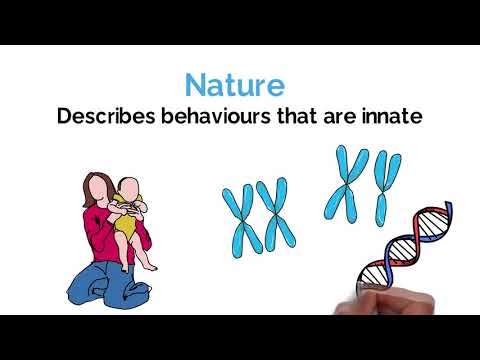
The debate over innateness, also known as the nature vs. nurture debate, has been a longstanding issue in the fields of Philosophy, Psychology, and Biology. At its core, the debate revolves around the question of whether human behavior and abilities are primarily influenced by genetic or environmental factors. Innateness refers to the idea that certain traits or abilities are present from birth, while Nurture suggests that these traits are acquired through experience and learning. Researchers such as Noam Chomsky have argued that certain aspects of human language and cognition are innate, while others, like B.F. Skinner, have emphasized the role of environment in shaping behavior.
🧬 The Biological Perspective
From a biological perspective, the concept of innateness is closely tied to the idea of Genetics and the influence of genetic factors on behavior. Charles Darwin's theory of evolution by natural selection provides a framework for understanding how genetic traits can become fixed in a population over time. However, the relationship between genetics and environment is complex, and Epigenetics has shown that environmental factors can affect gene expression without altering the underlying DNA sequence. This has significant implications for our understanding of Developmental Biology and the interplay between genetic and environmental factors.
🤝 The Role of Environment
The role of environment in shaping human behavior and abilities is a crucial aspect of the nature vs. nurture debate. Environmentalism emphasizes the importance of external factors, such as upbringing and culture, in influencing human development. Researchers like Jean Piaget have demonstrated that children's cognitive abilities develop in stages, and that environmental factors play a significant role in this process. However, the extent to which environment can overcome genetic predispositions is still a topic of debate, with some arguing that Genetic Determinism limits the impact of environmental factors.
📊 The Statistics of Innateness
Statistical analysis has been used to investigate the relative contributions of genetic and environmental factors to human traits. Twin Studies have shown that identical twins tend to have more similar traits than fraternal twins, suggesting a significant genetic component. However, the exact proportion of genetic vs. environmental influence can vary widely depending on the trait in question. For example, Intelligence has been found to have a significant genetic component, but Personality traits are more influenced by environment. Researchers like Robert Plomin have used statistical methods to estimate the heritability of various traits, providing insights into the relative contributions of genetic and environmental factors.
👥 Key Figures in the Debate
Several key figures have contributed to the nature vs. nurture debate, including Immanuel Kant, who argued that certain aspects of human knowledge are innate. John Locke took a more empiricist view, suggesting that all knowledge is acquired through experience. In the 20th century, researchers like Konrad Lorenz and Niko Tinbergen made significant contributions to the field of Ethology, studying animal behavior and its implications for human nature. More recently, Steven Pinker has argued that human behavior is shaped by a combination of genetic and environmental factors, while Jerry Fodor has emphasized the importance of innate cognitive abilities.
📚 Historical Context
The historical context of the nature vs. nurture debate is complex and multifaceted. Ancient Greek philosophers like Plato and Aristotle grappled with the question of whether human behavior is determined by nature or nurture. In the 17th and 18th centuries, philosophers like René Descartes and David Hume contributed to the debate, with Descartes arguing for the existence of innate ideas and Hume emphasizing the role of experience. The 20th century saw significant advances in Genetics and Psychology, which have continued to shape the debate. Researchers like Francis Crick and James Watson have made major contributions to our understanding of the genetic code and its implications for human behavior.
🔍 The Science of Innateness
The science of innateness is a rapidly evolving field, with new discoveries and advances in Genomics and Neuroscience continually shedding new light on the nature vs. nurture debate. Brain Development research has shown that the brain is highly plastic and adaptable, with environmental factors playing a significant role in shaping its structure and function. However, the extent to which this plasticity is limited by genetic factors is still a topic of debate. Researchers like Eric Kandel have made significant contributions to our understanding of the neural mechanisms underlying learning and memory, while Daniel Kahneman has explored the cognitive biases and heuristics that influence human decision-making.
💡 Implications and Applications
The implications and applications of the nature vs. nurture debate are far-reaching and significant. In the field of Education, understanding the relative contributions of genetic and environmental factors can inform the development of more effective teaching methods and curricula. In Psychiatry, recognizing the interplay between genetic and environmental factors can help clinicians develop more targeted and effective treatments for mental health disorders. Researchers like Martin Seligman have applied the principles of Positive Psychology to promote mental well-being and resilience, while Dan Ariely has explored the ways in which environmental factors can influence human behavior and decision-making.
🌐 Cultural and Societal Impact
The cultural and societal impact of the nature vs. nurture debate is profound and multifaceted. In the realm of Politics, the debate has implications for issues like Social Inequality and Education Policy. In the field of Art and Literature, the nature vs. nurture debate has inspired countless works of creative expression, from William Shakespeare's exploration of human nature to Charles Dickens's portrayal of the impact of environment on human development. Researchers like Richard Dawkins have applied the principles of Evolutionary Biology to understand the evolution of human culture and behavior.
🤔 Future Directions and Questions
As we look to the future, the nature vs. nurture debate is likely to continue to evolve and unfold. New advances in Genomics and Neuroscience will undoubtedly shed new light on the interplay between genetic and environmental factors. Researchers like Elizabeth Spelke are exploring the cognitive and neural mechanisms underlying human behavior, while Joshua Greene is investigating the neural basis of moral decision-making. As our understanding of the nature vs. nurture debate deepens, we will be better equipped to address the complex challenges facing human society, from Climate Change to Social Justice.
📝 Conclusion and Summary
In conclusion, the nature vs. nurture debate is a complex and multifaceted issue that has been debated by scholars and researchers for centuries. While significant progress has been made in understanding the relative contributions of genetic and environmental factors, much remains to be discovered. As we continue to explore the intricacies of human behavior and development, we must remain mindful of the interplay between nature and nurture, and strive to develop a more nuanced and comprehensive understanding of the human experience. By doing so, we can promote a more informed and empathetic society, better equipped to address the challenges of the 21st century.
Key Facts
- Year
- 1960
- Origin
- Ancient Greece, with contributions from philosophers such as Plato and Aristotle
- Category
- Philosophy, Psychology, Biology
- Type
- Concept
Frequently Asked Questions
What is the nature vs. nurture debate?
The nature vs. nurture debate is a longstanding issue in the fields of philosophy, psychology, and biology, which revolves around the question of whether human behavior and abilities are primarily influenced by genetic or environmental factors. The debate has been ongoing for centuries, with different researchers and scholars contributing to the discussion. While significant progress has been made in understanding the relative contributions of genetic and environmental factors, much remains to be discovered.
What is innateness?
Innateness refers to the idea that certain traits or abilities are present from birth, and are not acquired through experience or learning. This concept is closely tied to the idea of genetics and the influence of genetic factors on behavior. Researchers have argued that certain aspects of human language and cognition are innate, while others have emphasized the role of environment in shaping behavior.
What is the role of environment in shaping human behavior?
The role of environment in shaping human behavior is a crucial aspect of the nature vs. nurture debate. Environmental factors, such as upbringing and culture, can significantly influence human development and behavior. Researchers have demonstrated that children's cognitive abilities develop in stages, and that environmental factors play a significant role in this process. However, the extent to which environment can overcome genetic predispositions is still a topic of debate.
What are the implications of the nature vs. nurture debate?
The implications of the nature vs. nurture debate are far-reaching and significant. In the field of education, understanding the relative contributions of genetic and environmental factors can inform the development of more effective teaching methods and curricula. In psychiatry, recognizing the interplay between genetic and environmental factors can help clinicians develop more targeted and effective treatments for mental health disorders. The debate also has implications for issues like social inequality and education policy.
What are the future directions of the nature vs. nurture debate?
The future directions of the nature vs. nurture debate are likely to involve continued advances in genomics and neuroscience, which will shed new light on the interplay between genetic and environmental factors. Researchers will continue to explore the cognitive and neural mechanisms underlying human behavior, and will investigate the neural basis of moral decision-making. As our understanding of the nature vs. nurture debate deepens, we will be better equipped to address the complex challenges facing human society, from climate change to social justice.
Who are some key figures in the nature vs. nurture debate?
Some key figures in the nature vs. nurture debate include Noam Chomsky, B.F. Skinner, Charles Darwin, Jean Piaget, and Steven Pinker. These researchers have made significant contributions to our understanding of the relative contributions of genetic and environmental factors to human behavior and development. Other notable figures include Immanuel Kant, John Locke, Konrad Lorenz, and Niko Tinbergen, who have all contributed to the debate in various ways.
What is the current state of the nature vs. nurture debate?
The current state of the nature vs. nurture debate is one of ongoing research and discussion. While significant progress has been made in understanding the relative contributions of genetic and environmental factors, much remains to be discovered. The debate continues to be shaped by new advances in genomics and neuroscience, and by the contributions of researchers from a variety of fields. As our understanding of the debate deepens, we will be better equipped to address the complex challenges facing human society.