
Contents
- 🏯 Introduction to Greek Civilization
- 🔥 The Minoan and Mycenaean Periods: Foundations of Greek Culture
- 🏆 Classical Greece: The Golden Age of Philosophy and Theater
- 🏛️ The Roman Empire and Its Influence on Greek Culture
- 🕊️ The Byzantine Empire: A Legacy of Eastern Orthodox Christianity
- 🌍 The Impact of Foreign Rule on Modern Greek Culture
- 📚 The Preservation of Greek Culture Through Literature and Art
- 🎭 The Enduring Legacy of Greek Civilization in Western Culture
- 🤝 The Influence of Greek Culture on Other Civilizations
- 📊 The Economic and Social Structure of Ancient Greece
- 🏞️ The Geography and Climate of Ancient Greece
- 👑 The Role of Greek City-States in Shaping Western Democracy
- Frequently Asked Questions
- Related Topics
Overview
The culture of Greece has evolved over thousands of years, beginning in Minoan and later in Mycenaean Greece, continuing most notably into Classical Greece, while influencing the Roman Empire and its successor the Byzantine Empire. Other cultures and states such as the Frankish states, the Ottoman Empire, the Venetian Republic and Bavarian and Danish monarchies have also left their influence on modern Greek culture. The Greek language has played a significant role in the development of Western culture, with many Greek philosophers such as Socrates, Plato, and Aristotle making significant contributions to the field of philosophy. The Greek theater has also had a lasting impact on Western culture, with the works of Euripides, Sophocles, and Aristophanes still being performed today.
🔥 The Minoan and Mycenaean Periods: Foundations of Greek Culture
The Minoan civilization is considered one of the earliest civilizations in Europe, with a rich culture that flourished on the island of Crete from around 2600 to 1100 BCE. The Mycenaean civilization followed, with a culture that was heavily influenced by the Minoans, but also developed its own unique characteristics, such as the use of Linear B script. The Mycenaean civilization was also known for its impressive architecture, including the construction of the Citadel of Tiryns and the Palace of Knossos. The Greek mythology of the time was also heavily influenced by the Minoans and Mycenaeans, with stories of Zeus, Poseidon, and Hades being passed down through the generations.
🏆 Classical Greece: The Golden Age of Philosophy and Theater
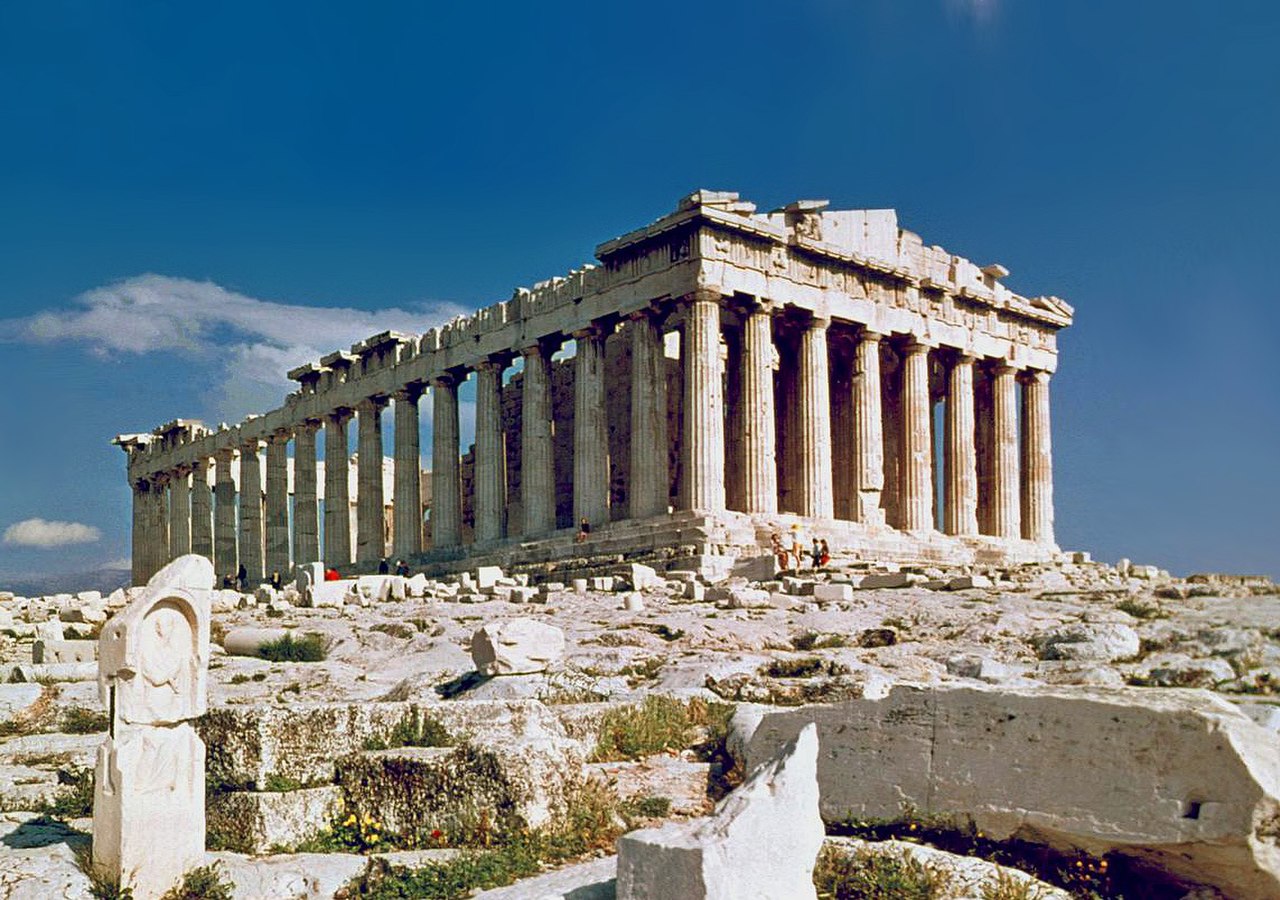
The Classical Greece period, which lasted from around 500 to 323 BCE, is often referred to as the Golden Age of Greek culture. This was a time of great cultural, philosophical, and artistic achievement, with the development of Greek philosophy, Greek theater, and Greek architecture. The Parthenon, built during this period, is considered one of the greatest surviving examples of Doric architecture. The Greek city-states, such as Athens and Sparta, also played a significant role in the development of Western democracy, with the concept of citizenship and the rule of law being developed during this time.
🏛️ The Roman Empire and Its Influence on Greek Culture
The Roman Empire had a significant influence on Greek culture, with the Romans adopting many of the Greek gods and mythological stories, as well as incorporating Greek architecture and art into their own culture. The Roman governance system also borrowed from the Greek concept of citizenship and the rule of law. The Byzantine Empire, which followed the Roman Empire, also had a significant impact on Greek culture, with the development of Eastern Orthodox Christianity and the preservation of Greek language and culture.
🕊️ The Byzantine Empire: A Legacy of Eastern Orthodox Christianity
The Byzantine Empire played a significant role in the preservation of Greek culture, with the Hagia Sophia being built during this period. The Byzantine art of the time was also heavily influenced by Greek art and architecture. The Eastern Orthodox Church also developed during this time, with the Ecumenical Patriarch of Constantinople playing a significant role in the preservation of Greek language and culture. The Byzantine Empire also had a significant impact on the development of Western civilization, with the University of Constantinople being a major center of learning and culture.
🌍 The Impact of Foreign Rule on Modern Greek Culture
The Ottoman Empire had a significant impact on modern Greek culture, with the Ottoman rule in Greece lasting from 1453 to 1821. The Ottoman architecture of the time was also heavily influenced by Greek architecture, with the construction of the Blue Mosque in Istanbul. The Greek independence movement also developed during this time, with the Greek War of Independence being fought from 1821 to 1832. The Bavarian monarchy and Danish monarchy also had a significant impact on modern Greek culture, with the Bavarian kings of Greece and Danish kings of Greece playing a significant role in the development of the modern Greek state.
📚 The Preservation of Greek Culture Through Literature and Art
The Greek language has played a significant role in the development of Western culture, with many Greek philosophers such as Socrates, Plato, and Aristotle making significant contributions to the field of philosophy. The Greek theater has also had a lasting impact on Western culture, with the works of Euripides, Sophocles, and Aristophanes still being performed today. The Greek literature of the time was also heavily influenced by the Greek mythology, with stories of Zeus, Poseidon, and Hades being passed down through the generations. The Greek art of the time was also heavily influenced by the Greek architecture, with the construction of the Parthenon being a prime example.
🎭 The Enduring Legacy of Greek Civilization in Western Culture
The Greek civilization has had a lasting impact on Western culture, with the development of democracy, philosophy, and theater. The Greek city-states, such as Athens and Sparta, also played a significant role in the development of Western democracy, with the concept of citizenship and the rule of law being developed during this time. The Greek language has also played a significant role in the development of Western culture, with many Greek philosophers making significant contributions to the field of philosophy. The Greek theater has also had a lasting impact on Western culture, with the works of Euripides, Sophocles, and Aristophanes still being performed today.
🤝 The Influence of Greek Culture on Other Civilizations
The Greek influence can be seen in many other cultures, with the Roman Empire adopting many of the Greek gods and mythological stories, as well as incorporating Greek architecture and art into their own culture. The Byzantine Empire also had a significant impact on the development of Western civilization, with the University of Constantinople being a major center of learning and culture. The Ottoman Empire also had a significant impact on modern Greek culture, with the Ottoman rule in Greece lasting from 1453 to 1821. The Bavarian monarchy and Danish monarchy also had a significant impact on modern Greek culture, with the Bavarian kings of Greece and Danish kings of Greece playing a significant role in the development of the modern Greek state.
🏞️ The Geography and Climate of Ancient Greece
The Greek geography was also significant, with the Mount Olympus being the highest peak in Greece. The Greek climate was also mild, with the Mediterranean climate being dominant. The Greek islands were also significant, with the Island of Crete being the largest island in Greece. The Greek mainland was also significant, with the City of Athens being the capital of Greece.
👑 The Role of Greek City-States in Shaping Western Democracy
The Greek city-states played a significant role in the development of Western democracy, with the concept of citizenship and the rule of law being developed during this time. The Athens and Sparta were the two most significant city-states, with the Athenian democracy being a major influence on the development of Western democracy. The Spartan oligarchy was also significant, with the Spartan social structure being based on a strict hierarchy. The Greek politics were also complex, with the Greek assembly and the Greek council playing significant roles in the development of the Greek state.
Key Facts
- Year
- 800
- Origin
- Ancient Greece
- Category
- History
- Type
- Historical Civilization
Frequently Asked Questions
What was the significance of the Minoan civilization?
The Minoan civilization was one of the earliest civilizations in Europe, with a rich culture that flourished on the island of Crete from around 2600 to 1100 BCE. The Minoans developed a complex system of palace economy, with the Palace of Knossos being a major center of power and culture. The Minoans also developed a unique system of writing, with the use of Linear A and Linear B scripts.
What was the significance of the Mycenaean civilization?
The Mycenaean civilization was a major civilization that flourished in Greece from around 1600 to 1100 BCE. The Mycenaeans developed a complex system of palace economy, with the Citadel of Tiryns and the Palace of Knossos being major centers of power and culture. The Mycenaeans also developed a unique system of writing, with the use of Linear B script.
What was the significance of the Classical Greece period?
The Classical Greece period, which lasted from around 500 to 323 BCE, is often referred to as the Golden Age of Greek culture. This was a time of great cultural, philosophical, and artistic achievement, with the development of Greek philosophy, Greek theater, and Greek architecture. The Parthenon, built during this period, is considered one of the greatest surviving examples of Doric architecture.
What was the significance of the Roman Empire's influence on Greek culture?
The Roman Empire had a significant influence on Greek culture, with the Romans adopting many of the Greek gods and mythological stories, as well as incorporating Greek architecture and art into their own culture. The Roman governance system also borrowed from the Greek concept of citizenship and the rule of law.
What was the significance of the Byzantine Empire's influence on Greek culture?
The Byzantine Empire played a significant role in the preservation of Greek culture, with the development of Eastern Orthodox Christianity and the preservation of Greek language and culture. The Hagia Sophia, built during this period, is considered one of the greatest surviving examples of Byzantine architecture.