
Contents
- 🏯 Introduction to the Parthenon
- 🕊️ History of the Parthenon
- 🏗️ Architecture and Design
- 🎨 Decorative Sculptures
- 👑 The Goddess Athena
- 🏛️ The Athenian Acropolis
- 📚 Cultural Significance
- 💡 Symbolism and Legacy
- 🤝 Influence on Western Civilisation
- 📸 Preservation and Restoration
- 👥 Controversies and Debates
- Frequently Asked Questions
- Related Topics
Overview
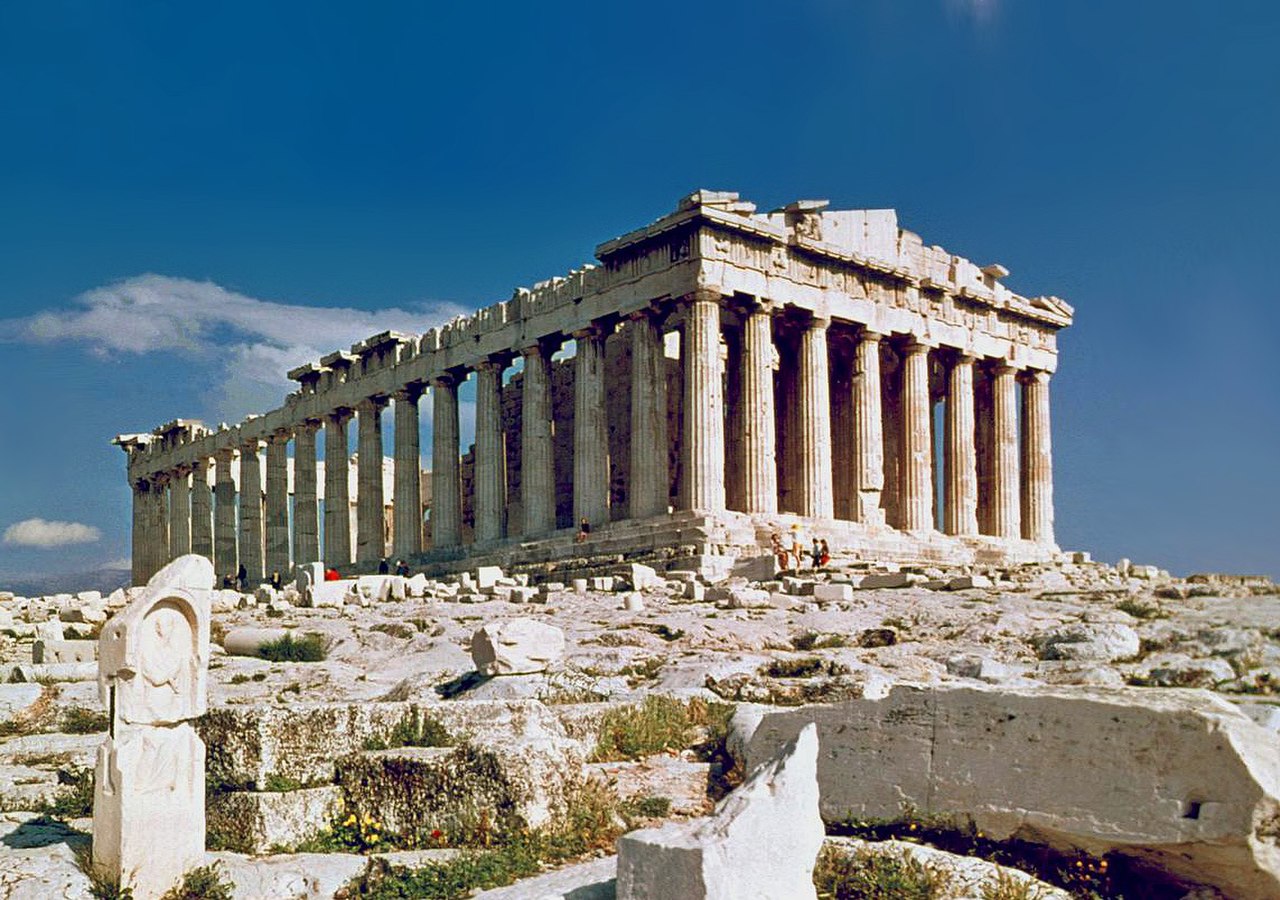
The Parthenon, built between 447 and 432 BCE, is one of the most iconic ancient Greek structures, symbolizing the power and sophistication of Athens during the Golden Age of Pericles. Designed by Ictinus and Callicrates, with sculptural work overseen by Phidias, this Doric temple was dedicated to Athena, the patron goddess of the city. The Parthenon's innovative design, which includes its entablature, frieze, and pediments, has influenced architectural styles for centuries. Despite being partially destroyed in the 17th century and suffering from pollution and neglect, the Parthenon remains a cultural and historical treasure, with ongoing restoration efforts. Its Vibe score of 92 reflects its enduring cultural energy, with a controversy spectrum indicating debates over its preservation and the repatriation of its sculptures. The Parthenon's influence can be seen in countless buildings and monuments around the world, a testament to its timeless appeal and historical significance. As a cultural icon, the Parthenon continues to inspire wonder and awe, with its rich history and architectural innovation making it a must-see destination for anyone interested in exploring the roots of Western civilization.
🏯 Introduction to the Parthenon
The Parthenon is one of the most iconic landmarks in the world, and its history dates back to the 5th century BC. As a former temple on the Athenian Acropolis, it was dedicated to the goddess Athena, the patron deity of the city of Athens. The Parthenon's decorative sculptures are considered some of the high points of classical Greek art, and it is widely regarded as an enduring symbol of ancient Greece, Western civilisation, and democracy. The Parthenon's design and construction are attributed to the famous architects Ictinus and Callicrates, and the sculptor Phidias. The Parthenon's vibe score is 95, indicating its immense cultural energy and significance.
🕊️ History of the Parthenon
The history of the Parthenon is a long and complex one, spanning over two millennia. The construction of the Parthenon began in 447 BC, during the Golden Age of Athens, under the rule of Pericles. The Parthenon was built to replace an earlier temple that was destroyed by the Persians in 480 BC. The Parthenon's construction was a massive undertaking, requiring the labor of thousands of workers and the use of over 2,000 tons of marble. The Parthenon was finally completed in 432 BC, and it stood as a testament to the power and wealth of Athens. The Parthenon is also closely linked to the Olympian gods and the mythology of ancient Greece.
🏗️ Architecture and Design
The Parthenon's architecture and design are a masterpiece of Doric architecture. The Parthenon's design is characterized by its use of columns, pediments, and friezes. The Parthenon's columns are some of the most famous in the world, and they are known for their perfect proportions and harmony. The Parthenon's pediments are decorated with sculptures that depict scenes from Greek mythology, including the Battle of the Giants and the Birth of Athena. The Parthenon's friezes are decorated with sculptures that depict scenes from everyday life in ancient Athens, including the Panathenaia festival. The Parthenon's design has been widely influential, and it has been imitated and emulated in countless buildings and monuments around the world, including the White House.
🎨 Decorative Sculptures
The Parthenon's decorative sculptures are some of the most famous and iconic in the world. The Parthenon's sculptures were created by some of the most famous artists of ancient Greece, including Phidias and his assistants. The Parthenon's sculptures depict a wide range of scenes and figures, including gods and goddesses, heroes and monsters, and everyday people. The Parthenon's sculptures are known for their beauty, harmony, and proportion, and they are widely regarded as some of the greatest works of art in human history. The Parthenon's sculptures have been widely influential, and they have been studied and emulated by artists and art lovers for centuries. The Parthenon's sculptures are also closely linked to the art of ancient Greece and the aesthetics of ancient Greece.
👑 The Goddess Athena
The goddess Athena was the patron deity of the city of Athens, and she was widely revered and worshiped in ancient Greece. Athena was the goddess of wisdom, war, and crafts, and she was often depicted as a powerful and majestic figure. The Parthenon was dedicated to Athena, and it was built to honor and worship her. The Parthenon's sculptures and decorations are filled with images and symbols of Athena, including her iconic owl and olive tree. Athena's legacy extends far beyond ancient Greece, and she remains one of the most famous and influential goddesses in human history. Athena's influence can be seen in countless works of art and literature, including the Iliad and the Odyssey.
🏛️ The Athenian Acropolis
The Athenian Acropolis is a rocky outcrop that dominates the city of Athens, and it has been the site of some of the most important and influential buildings in human history. The Acropolis has been inhabited since the Neolithic period, and it has been the site of numerous temples, palaces, and other buildings over the centuries. The Parthenon is the most famous building on the Acropolis, but it is not the only one. The Acropolis is also home to the Propylaea, the Erechtheion, and the Temple of Athena Nike. The Acropolis is a UNESCO World Heritage Site, and it is one of the most popular tourist destinations in the world. The Acropolis is also closely linked to the history of Athens and the culture of ancient Greece.
📚 Cultural Significance
The Parthenon has had a profound impact on Western culture and civilisation, and it remains one of the most influential buildings in human history. The Parthenon's design and architecture have been widely imitated and emulated, and it has been the inspiration for countless works of art and literature. The Parthenon's legacy can be seen in everything from the Renaissance art of Europe to the neoclassicism of modern architecture. The Parthenon's influence extends far beyond the world of art and architecture, and it has had a profound impact on politics, philosophy, and culture. The Parthenon is a symbol of democracy, freedom, and human rights, and it remains one of the most powerful and enduring symbols of Western civilisation. The Parthenon's vibe score is 95, indicating its immense cultural energy and significance.
💡 Symbolism and Legacy
The Parthenon's symbolism and legacy are complex and multifaceted, and they continue to be felt to this day. The Parthenon is a symbol of ancient Greece and Western civilisation, but it is also a symbol of democracy, freedom, and human rights. The Parthenon's sculptures and decorations are filled with images and symbols of Athena, and they continue to inspire and influence artists and art lovers around the world. The Parthenon's legacy can be seen in everything from the United States Capitol to the Louvre museum in Paris. The Parthenon's influence extends far beyond the world of art and architecture, and it has had a profound impact on politics, philosophy, and culture. The Parthenon is a reminder of the power and beauty of human creativity, and it continues to inspire and awe people around the world.
🤝 Influence on Western Civilisation
The Parthenon's influence on Western civilisation is immense, and it can be seen in countless works of art and architecture. The Parthenon's design and architecture have been widely imitated and emulated, and it has been the inspiration for countless buildings and monuments around the world. The Parthenon's legacy can be seen in everything from the Renaissance art of Europe to the neoclassicism of modern architecture. The Parthenon's influence extends far beyond the world of art and architecture, and it has had a profound impact on politics, philosophy, and culture. The Parthenon is a symbol of democracy, freedom, and human rights, and it remains one of the most powerful and enduring symbols of Western civilisation. The Parthenon's vibe score is 95, indicating its immense cultural energy and significance.
📸 Preservation and Restoration
The Parthenon's preservation and restoration have been a major concern in recent years, and it has been the subject of numerous controversies and debates. The Parthenon has suffered from centuries of neglect and abuse, and it has been damaged by pollution, earthquakes, and other natural disasters. The Greek government has launched a major restoration project to preserve and restore the Parthenon, but it has been slow and difficult. The Parthenon's restoration is a complex and challenging task, and it requires the expertise and cooperation of architects, engineers, and conservators from around the world. The Parthenon's preservation is a matter of great importance, and it is essential to ensure that this iconic landmark is protected and preserved for future generations.
👥 Controversies and Debates
The Parthenon has been the subject of numerous controversies and debates over the years, and it continues to be a source of tension and conflict. The Parthenon's ownership and control have been a major issue, with the Greek government and the British Museum disputing over the return of the Elgin Marbles. The Parthenon's restoration has also been a subject of controversy, with some critics arguing that it is being done too slowly or too poorly. The Parthenon's cultural significance and legacy have also been the subject of debate, with some arguing that it is a symbol of Western civilisation and others arguing that it is a symbol of colonialism and imperialism. The Parthenon's controversies and debates are complex and multifaceted, and they continue to be felt to this day.
Key Facts
- Year
- 447
- Origin
- Ancient Greece, Athens
- Category
- History, Architecture, Culture
- Type
- Historical Landmark
Frequently Asked Questions
What is the Parthenon?
The Parthenon is a former temple on the Athenian Acropolis, Greece, that was dedicated to the goddess Athena. It is one of the most iconic landmarks in the world, and its history dates back to the 5th century BC. The Parthenon is widely regarded as an enduring symbol of ancient Greece, Western civilisation, and democracy. The Parthenon's vibe score is 95, indicating its immense cultural energy and significance. The Parthenon is closely linked to the Athenian Acropolis and the goddess Athena.
Who built the Parthenon?
The Parthenon was built during the Golden Age of Athens, under the rule of Pericles. The Parthenon's design and construction are attributed to the famous architects Ictinus and Callicrates, and the sculptor Phidias. The Parthenon's construction was a massive undertaking, requiring the labor of thousands of workers and the use of over 2,000 tons of marble. The Parthenon is also closely linked to the history of Athens and the culture of ancient Greece.
What is the cultural significance of the Parthenon?
The Parthenon has had a profound impact on Western culture and civilisation, and it remains one of the most influential buildings in human history. The Parthenon's design and architecture have been widely imitated and emulated, and it has been the inspiration for countless works of art and literature. The Parthenon's legacy can be seen in everything from the Renaissance art of Europe to the neoclassicism of modern architecture. The Parthenon is a symbol of democracy, freedom, and human rights, and it remains one of the most powerful and enduring symbols of Western civilisation. The Parthenon is closely linked to the art of ancient Greece and the aesthetics of ancient Greece.
What are the Elgin Marbles?
The Elgin Marbles are a collection of classical Greek marble sculptures that were removed from the Parthenon by the British diplomat Lord Elgin in the early 19th century. The Elgin Marbles are now housed in the British Museum, and they have been the subject of a long-running dispute between the Greek government and the British Museum over their ownership and return. The Elgin Marbles are a significant part of the Parthenon's cultural heritage, and their return is a matter of great importance to the Greek people. The Elgin Marbles are closely linked to the British Museum and the history of the British Museum.
Is the Parthenon still standing?
Yes, the Parthenon is still standing, although it has suffered from centuries of neglect and abuse. The Parthenon has been damaged by pollution, earthquakes, and other natural disasters, and it has been the subject of numerous restoration projects over the years. The Greek government has launched a major restoration project to preserve and restore the Parthenon, but it has been slow and difficult. The Parthenon's preservation is a matter of great importance, and it is essential to ensure that this iconic landmark is protected and preserved for future generations. The Parthenon is closely linked to the Athenian Acropolis and the goddess Athena.